
Naphthdianthrone compound and application of salt thereof in preparing developer of biliary tract and gall stones
A naphthodianthrone and compound technology, applied in preparations for in vivo tests, pharmaceutical formulations, etc., can solve the problem of non-specific affinity for gallstones, no gallstones, no biliary tract and gallstone imaging agents And other issues
Patent Information
- Authority / Receiving Office
- CN · China
- Patent Type
- Applications(China)
- Current Assignee / Owner
- Publication Date
- 2012-07-04
- Estimated Expiration
- Not applicable · inactive patent
Smart Images
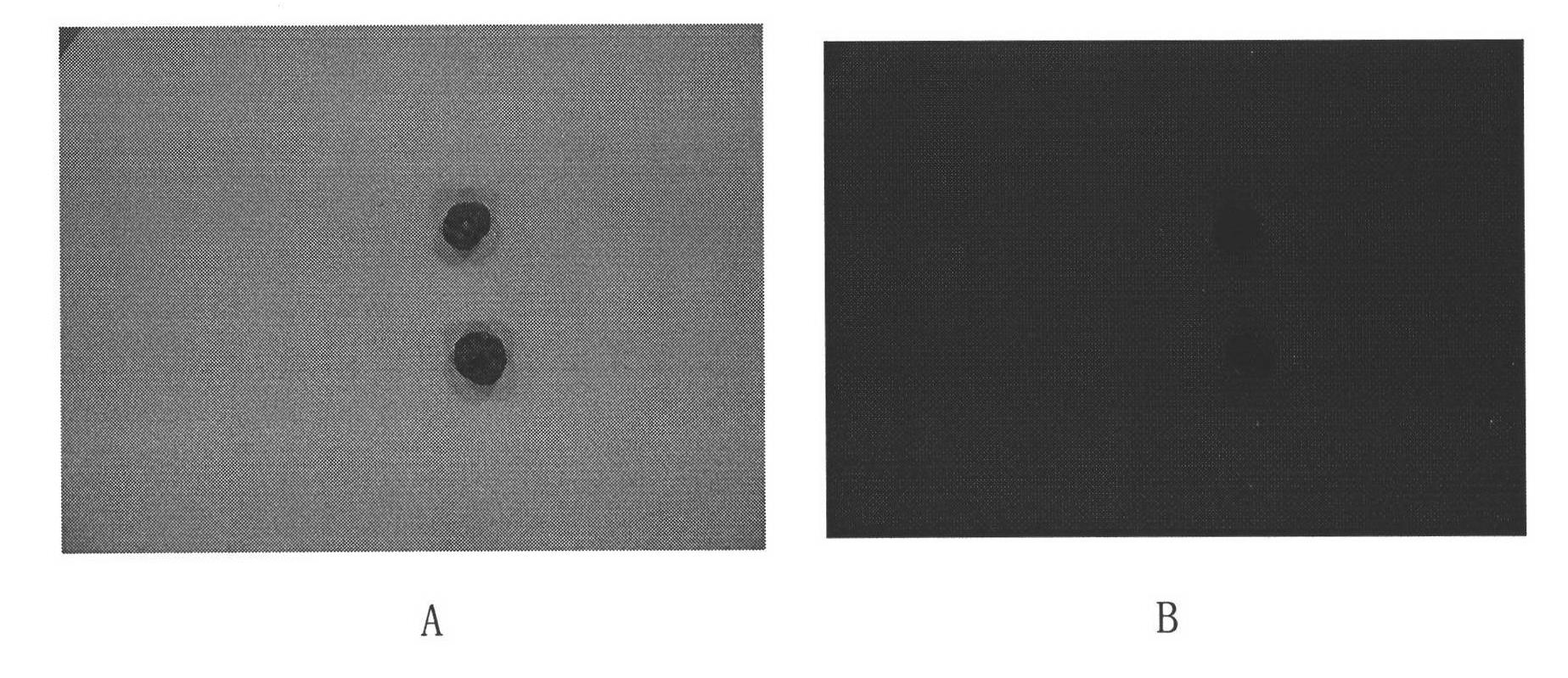
Figure 1 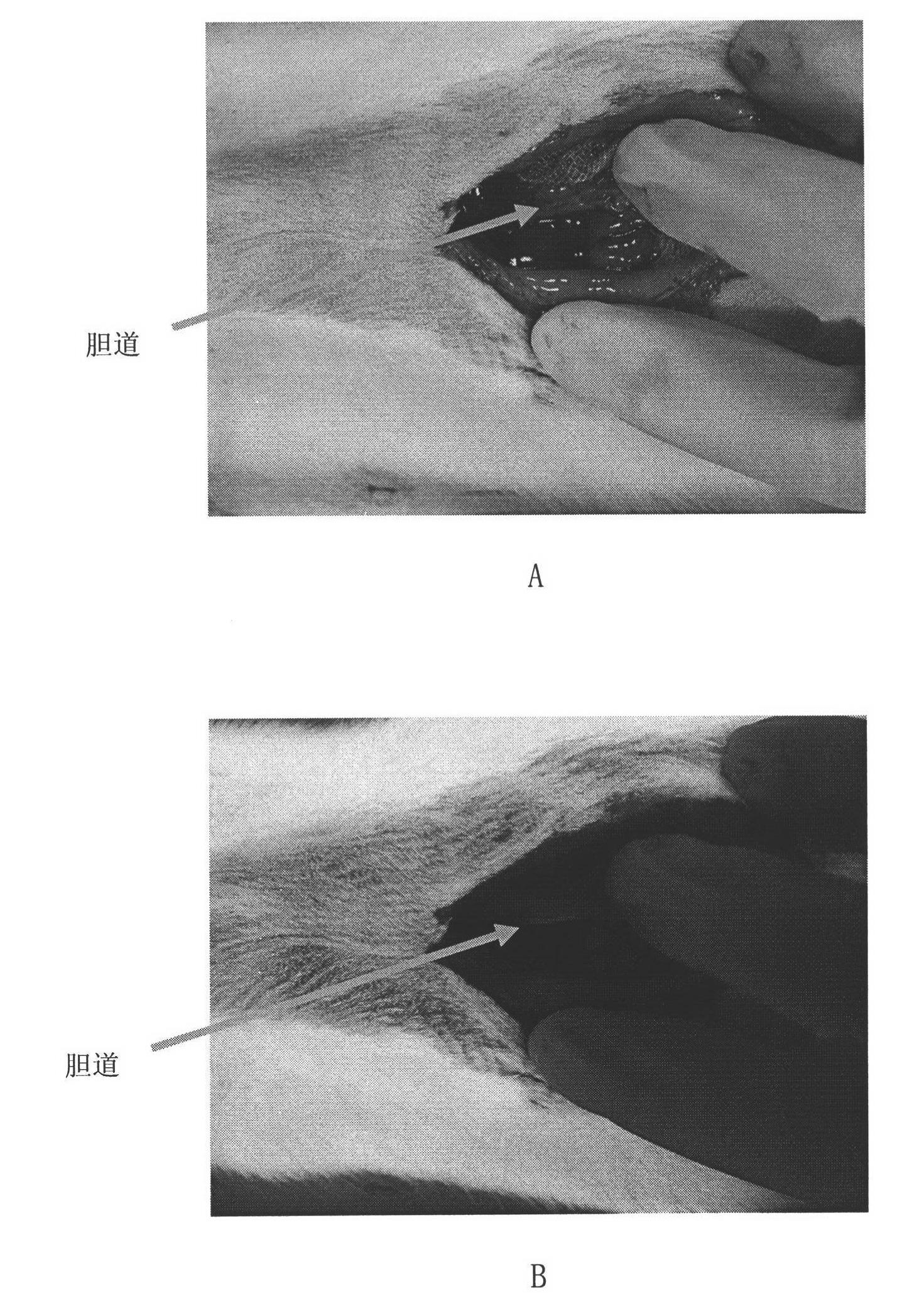
Figure 2 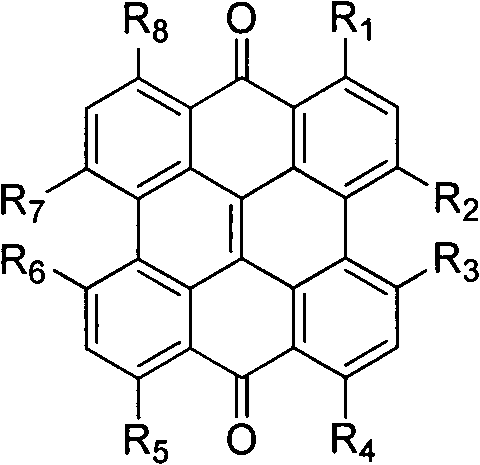
Figure 3
Abstract
Description
technical field
[0001] The invention relates to the application of naphthodianthrone compounds and salts thereof in the preparation of biliary tract and gallstone imaging agents; Background technique
[0002] The medical contrast agent is used to enter the biliary tract through a certain method and channel, so that the outline of the cholangiographic site and the lesion image can be clearly displayed. This method is cholangiography. In hepatobiliary surgery, intraoperative cholangiography can effectively detect biliary abnormalities, guide surgery, and avoid biliary damage. The data show that the rate of biliary tract injury caused by surgical operation errors is as high as 0.3% to 0.5%. During surgery, cholangiography can clearly display the entire biliary tract, detect the deformity and variation of the biliary tract in time, and effectively guide the surgery when the anatomical relationship is unclear. The doctor completed the operation safely, thus providing a reliable ...
Examples
Embodiment 1
[0018] Reagents: SD rats were purchased from Shanghai Slack Experimental Animal Co., Ltd.; hypericin, pseudohypericin, trumpetin, hydroxyanthraquinone, nude pigment B, nude pigment D, heteronuclein D and chrysanthemum Purple was purchased from Beijing Xiantong Times Pharmaceutical Technology Development Co., Ltd.
[0019] Preparation preparation method: Weigh the above naphthodianthrone compounds and dissolve them in an appropriate amount of mixed solvent DMSO: PEG400: propylene glycol: normal saline (1:1:1:1), and configure them to be 0.1, 1.0, 5.0, and 20.0 mg respectively / ml solution.
[0020] Experimental method: 108 SD male rats were divided into 36 groups, including hypericin, protohypericin, pseudohypericin, trumpetin, hydroxyanthraquinone, nude pigment B, nude pigment D, iso 0.1, 1.0, 5.0, 20.0 mg / ml dosage groups of nude pigment D and ocher violet. Pentobarbital anesthetized, fixed, opened the abdomen to expose the bile duct, intravenous injection of different dose...
Embodiment 2
[0022] Prepare different concentration solutions of hypericin, pseudohypericin, trumpetin, hydroxyanthraquinone, nude pigment B, nude pigment D, isonuclein D and ocher violet, each concentration is 0.002, 0.02, 0.2 , 2mg / ml, human gallstones were taken, 6 human gallstones were put into solutions of different concentrations of each compound, and 6 pieces were put into blank bile, taken out after 24 hours, washed with bile and distilled water in turn, and placed under ultraviolet light at 365nm The fluorescence was observed, and the results showed that the gallstones in the bile solution of the above compound had red fluorescence, and the gallstones in the blank bile had no fluorescence.