
A two-dimensional colloidal crystal-gold array/smart hydrogel composite with high diffraction intensity and a visual sensor
A two-dimensional colloid and diffraction intensity technology, applied in the field of nanomaterials, can solve the problems of low visible light diffraction intensity, low reflectivity of colloidal microspheres, sensor limitations, etc., and achieve the effect of high diffraction intensity and good sensitivity
Patent Information
- Authority / Receiving Office
- CN · China
- Patent Type
- Patents(China)
- Current Assignee / Owner
- Publication Date
- 2018-09-21
Smart Images
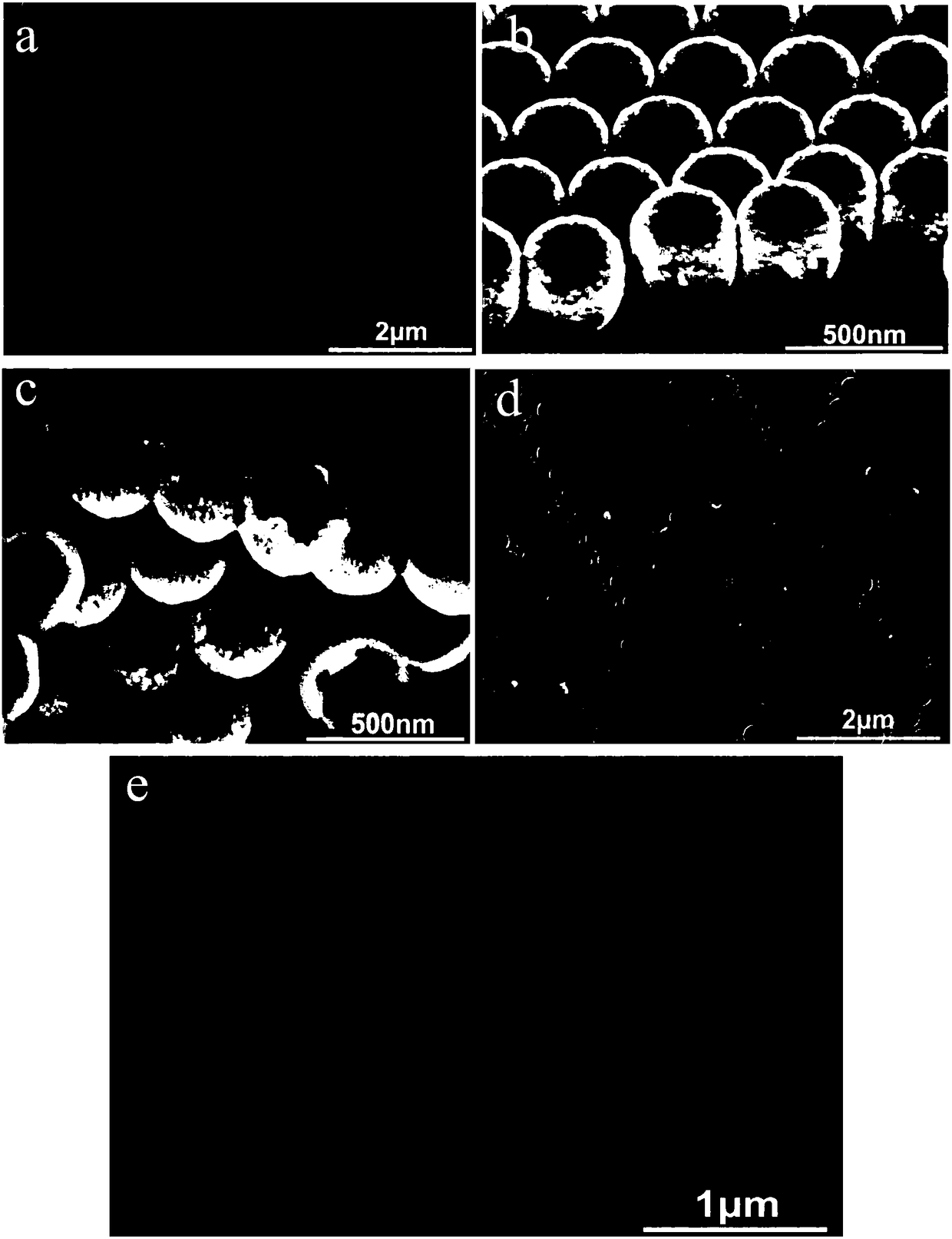
Figure 1 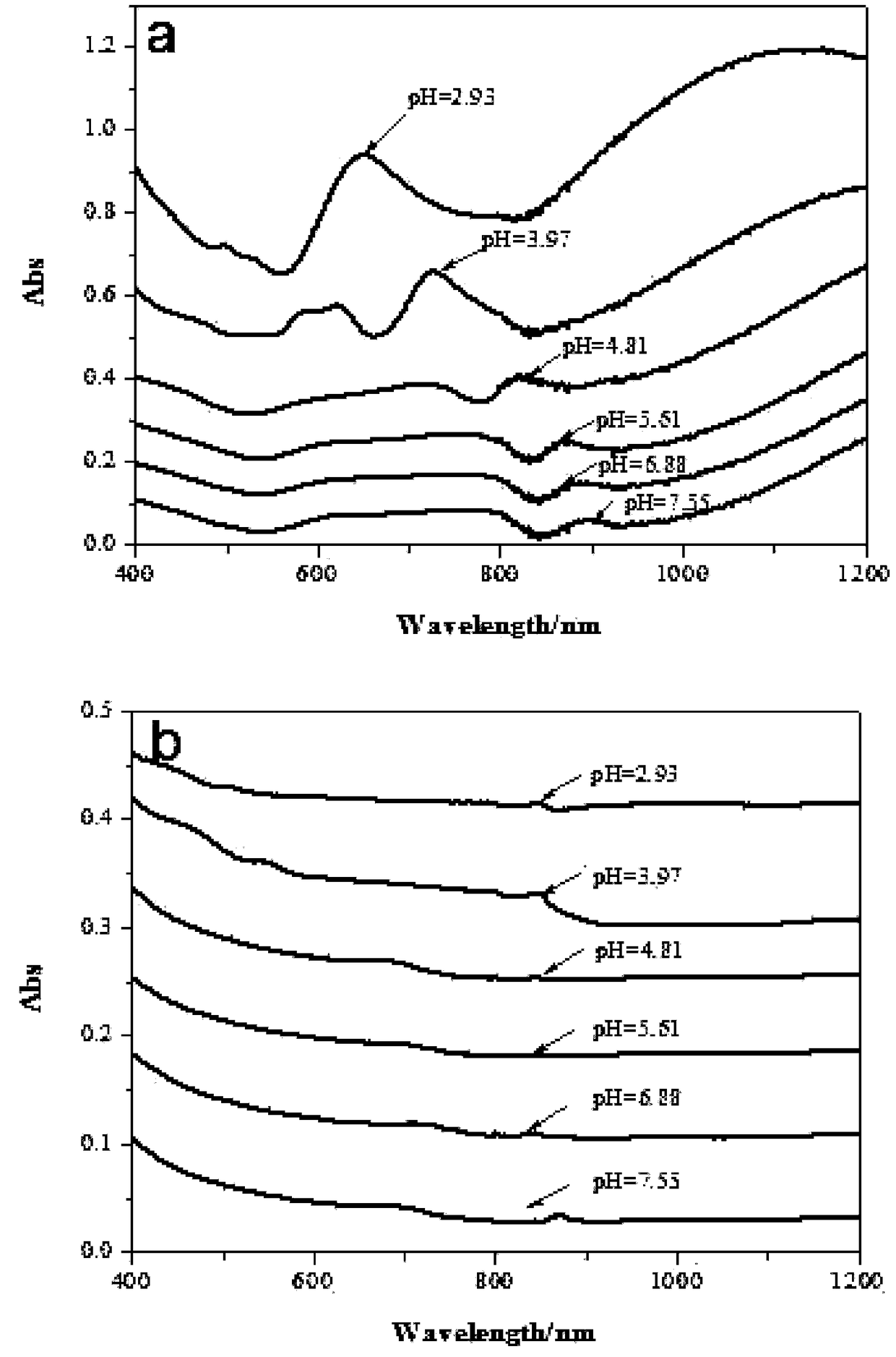
Figure 2 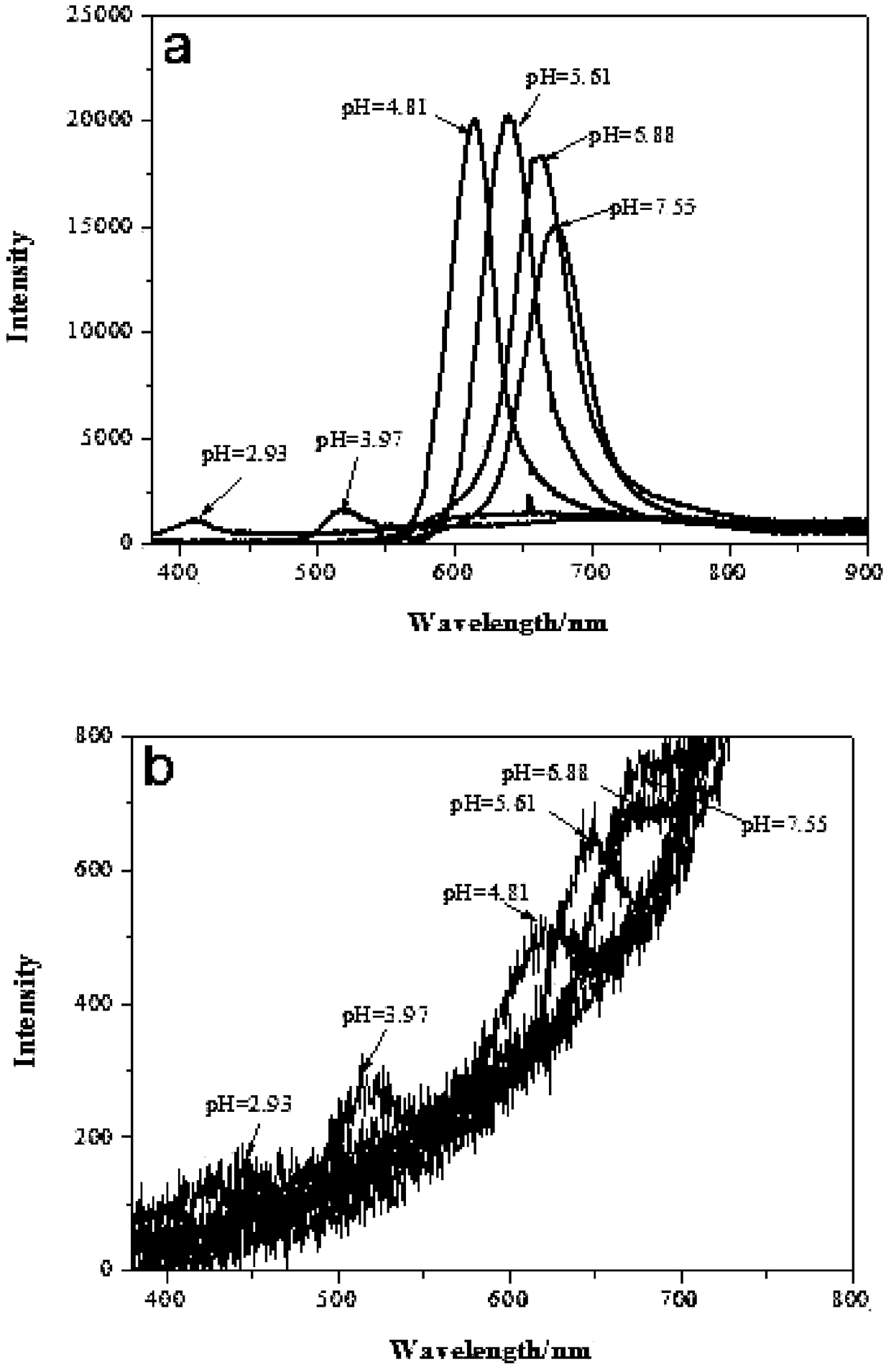
Figure 3
Abstract
Description
technical field
[0001] The present invention relates to the field of nanomaterials, in particular to a two-dimensional colloidal crystal with high diffraction intensity (for example: the colloidal crystal can be made of polystyrene (Polystyrene, PS), silicon dioxide (SiO 2 ) or polymethyl methacrylate (PMMA))-gold (chemical element symbol: Au) array / smart hydrogel composites and visualization sensors. Background technique
[0002] At present, the detection of biochemical substances mainly relies on traditional analysis methods such as Raman spectroscopy, mass spectrometry, and fluorescence methods, but these analysis methods not only require expensive equipment, but also the analysis process is relatively complicated, requiring professionally trained personnel In addition, these analytical methods cannot realize real-time online detection of biochemical substances. Therefore, how to detect biochemical substances in a simple, economical, fast and stable manner has become an u...
Examples
Embodiment 1
[0045] Such as Figure 5 As shown, a two-dimensional PS-Au array / smart hydrogel composite was prepared by the following steps:
[0046] Step a, put the glass slide into acetone, ethanol, and deionized water in turn for ultrasonic cleaning, each liquid is ultrasonically cleaned for 40 minutes, and then the cleaned glass slide is put into an oven for drying treatment, and the drying temperature is 70°C, drying time is 30 minutes; after the water on the slide is completely evaporated, place the slide in an ultraviolet ozone cleaner for 30 minutes of irradiation, so as to obtain a slide with good hydrophilicity on the surface.
[0047] Step b, take 40 microliters of polystyrene colloidal suspension (2.5wt.%) with a diameter of 350nm, and mix it with ethanol in equal volume, and then carry out ultrasonic oscillation treatment for 10min, so as to obtain polystyrene colloid with uniform composition Spherical ethanol dilution; put the glass slide treated in step a into the polystyren...