

Patterned substrate for constructing in-vitro tumour model
A patterning and constructing technology, applied in the direction of tumor/cancer cells, biochemical equipment and methods, microorganisms, etc., can solve the problems of long cycle, high cost, and inability to exert tissue level, etc., and achieve the effect of simple operation
Patent Information
- Authority / Receiving Office
- CN · China
- Current Assignee / Owner
- Publication Date
- 2016-08-24
- Estimated Expiration
- Not applicable · inactive patent
Smart Images
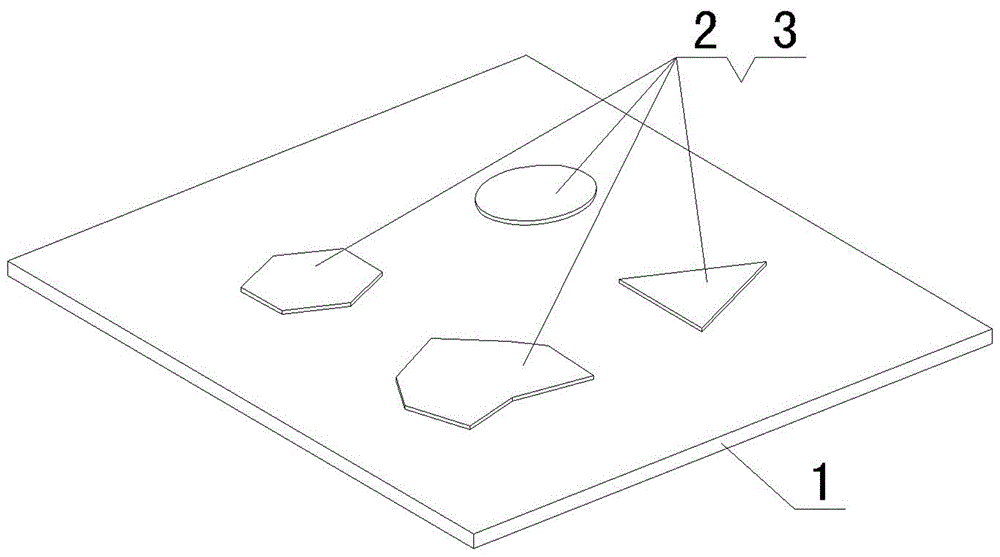
Figure 1 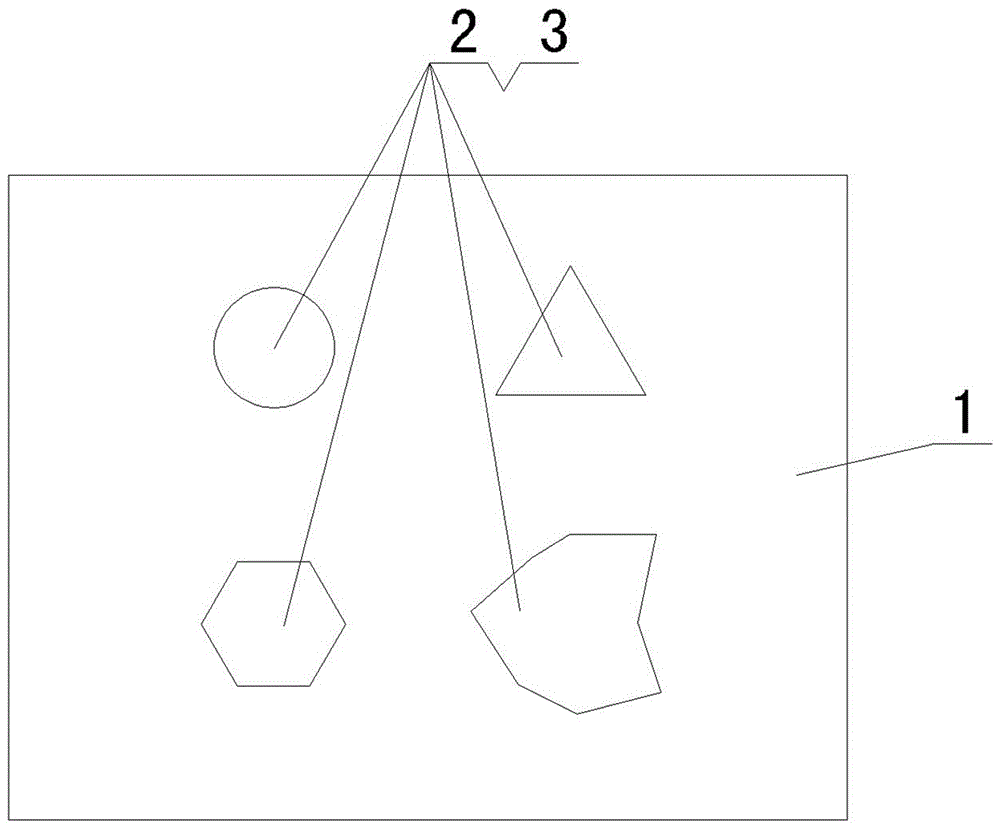
Figure 2
Abstract
Description
technical field
[0001] The invention belongs to the field of on-chip laboratory processing and preparation and biomedicine technology, and in particular relates to a patterned substrate for constructing an in vitro tumor model. Background technique
[0002] With the continuous cross-infiltration of medicine, physics, chemistry, biology and other disciplines, new research fields such as translational medicine and precision medicine have emerged. Modern medical research highlights the rapid transformation of basic research results into clinical practice, as well as the characteristics of personalization and portability. In the traditional two-dimensional cell culture method based on Petri dish, the culture conditions are very different from the microenvironment in vivo, and the cultured somatic cells cannot perform normal tissue-level functions, and their lifespan is relatively short. In addition to the high cost, long period, and differences between species and errors in pre...
Examples
Embodiment Construction
[0017] like Figure 1-Figure 2 As shown, the patterned substrate for constructing an in vitro tumor model according to the present invention includes a substrate layer 1 and a patterned structure 2 arranged on the substrate layer 1, and the patterned structure 2 is formed on the substrate after being pulled. An in vitro tumor model 3 is formed on the bottom layer 1 . Wherein, the base layer 1 is made of metal sheet or polymer material. When the base layer 1 is made of metal flakes, the metal flakes are titanium alloy flakes or aluminum flakes or steel flakes or other metal flakes. When the base layer 1 is made of a polymer material, the polymer material is polystyrene or polymethyl methacrylate or polyethylene or other polymer materials. Moreover, the area where the patterned structure 2 is located is set as a pattern area where the aqueous solution can adhere, and the area outside the patterned structure 2 is set as a background area where the aqueous solution cannot adhere...