
Preparation method and application of graphene oxide-protamine/sodium alginate compound
A technology of protamine and sodium alginate, which is applied in the fields of material synthesis and biomedicine, can solve the problems of stacking of lamellae and affect biological applications, and achieves the effects of uniform particle size distribution, easy mass production and broad application prospects.
Patent Information
- Authority / Receiving Office
- CN · China
- Patent Type
- Applications(China)
- Current Assignee / Owner
- Publication Date
- 2017-10-24
Smart Images
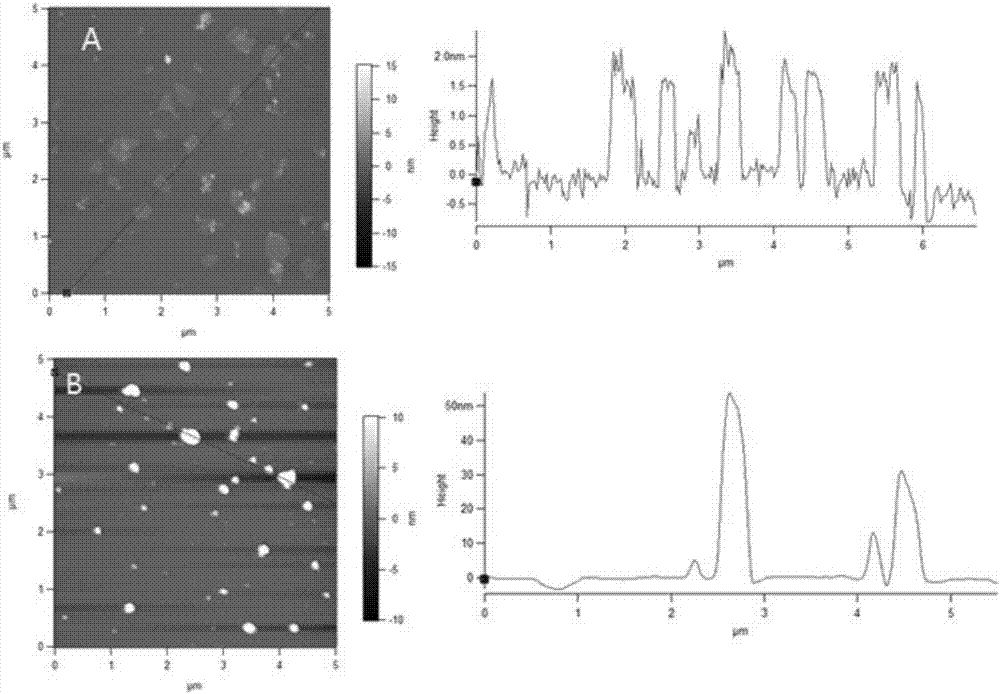
Figure 1 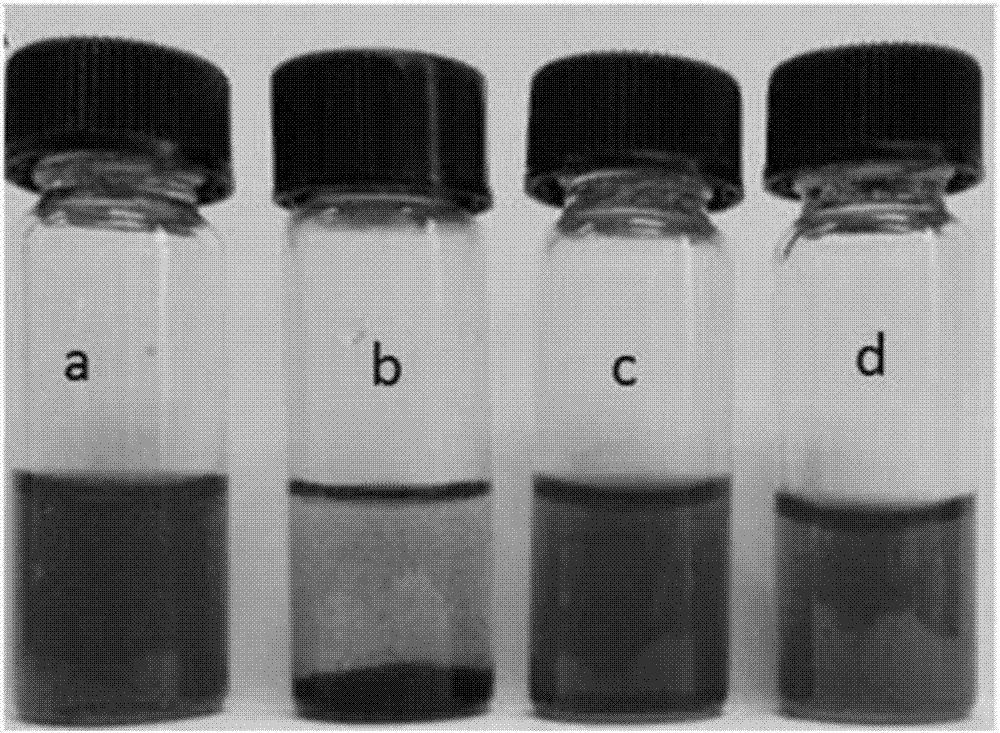
Figure 2 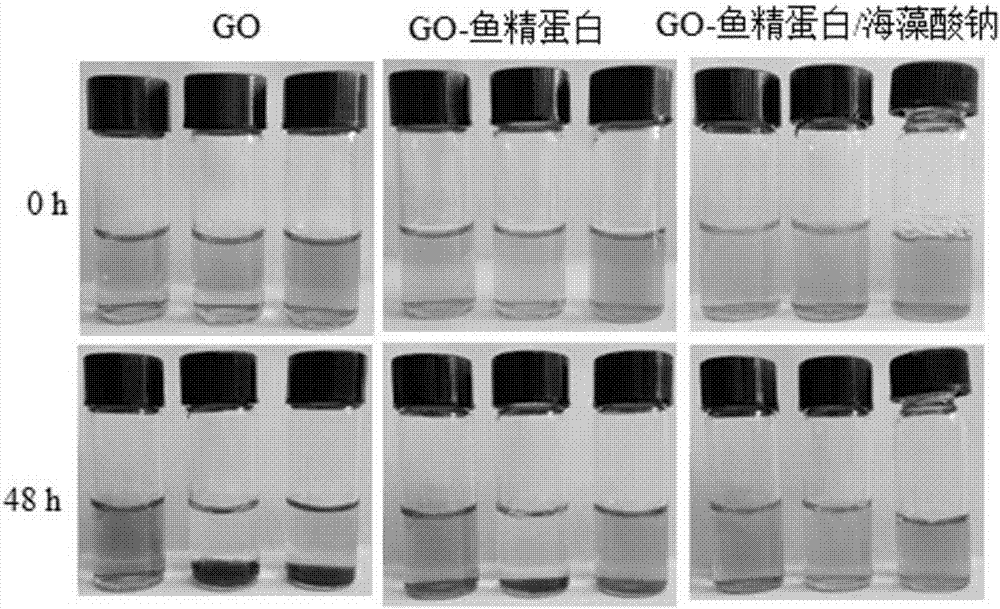
Figure 3
Abstract
Description
technical field
[0001] The invention relates to a preparation method of a graphene oxide-protamine / sodium alginate composite material based on layer-by-layer self-assembly technology and its application in antitumor drug carriers, belonging to the technical fields of material synthesis and biomedicine. Background technique
[0002] Tumor is one of the most important diseases threatening human health. Although traditional tumor treatments such as chemotherapy and radiotherapy have good therapeutic effects on primary tumors, they often have relatively high toxicity and side effects. Therefore, it is urgent to seek new, smarter and safer tumor treatment methods. With the development of science and technology, nanotechnology has received more and more attention. A large number of studies have shown that nanoparticles can effectively deliver therapeutic drugs to target tissues or cells, increase the drug's in vivo circulation time, and avoid drug degradation and inactivation. A...
Examples
Embodiment 1
[0028] (1) Break the graphene oxide aqueous dispersion into small-sized graphene oxide aqueous dispersions with a cell disruptor, power 400w, ultrasonic time for half an hour, and conduct in an ice-water bath; (2) Dissolve protamine sulfate in deionized water , to prepare a 1 mg / ml solution; (3) Under magnetic stirring, slowly add 1 mg / ml GO aqueous dispersion to the solution and stir for 30 minutes. The mass ratio of GO to protamine sulfate was 1:4. Then the mixture was filtered and washed three times with a microporous membrane, and dispersed in pure water to obtain a GO-protamine aqueous dispersion; (4) Sodium alginate was dissolved in deionized water to prepare a 1 mg / ml solution; (5 ) Under magnetic stirring, slowly add GO-protamine aqueous dispersion to sodium alginate solution and stir for 30 minutes. The mass ratio of protamine sulfate to sodium alginate is 1:1. Then the mixture was suction-filtered and washed three times with a 0.22 μm microporous membrane, and disp...
Embodiment 2
[0031] (1) The graphene oxide aqueous dispersion is broken into small-sized graphene oxide aqueous dispersions with a cell breaker, the power is 250w, the ultrasonic time is 2 hours, and the ice water bath is used; (2) Protamine sulfate is dissolved in deionized water , to make a 0.2 mg / ml solution; (3) Under magnetic stirring, slowly add 0.2 mg / ml GO aqueous dispersion to the solution and stir for 30 minutes. The mass ratio of GO to protamine sulfate was 1:10. Then the mixture was filtered and washed three times with a microporous membrane, and dispersed in pure water to obtain a GO-protamine aqueous dispersion; (4) Sodium alginate was dissolved in deionized water to make a 0.2 mg / ml solution; ( 5) Under magnetic stirring, slowly add GO-protamine aqueous dispersion to sodium alginate solution and stir for 30 minutes. The mass ratio of protamine sulfate to sodium alginate is 1:1. Then the mixture was suction-filtered and washed three times with a 0.22 μm microporous membrane...
Embodiment 3
[0034] (1) Use a cell breaker to crush the graphene oxide aqueous dispersion into small-sized graphene oxide aqueous dispersions with a power of 300w and ultrasonic time of 1 hour in an ice-water bath; (2) Dissolve protamine sulfate in deionized water , to make a 0.5 mg / ml solution; (3) Under magnetic stirring, slowly add 0.5 mg / ml GO aqueous dispersion to the solution and stir for 30 minutes. The mass ratio of GO to protamine sulfate was 1:1. Then the mixture was filtered and washed three times with a microporous membrane, and dispersed in pure water to obtain a GO-protamine aqueous dispersion; (4) Sodium alginate was dissolved in deionized water to prepare a 0.5 mg / ml solution; (5 ) Under magnetic stirring, slowly add GO-protamine aqueous dispersion to sodium alginate solution and stir for 30 minutes. The mass ratio of protamine sulfate to sodium alginate is 1:1. Then the mixture was suction-filtered and washed three times with a 0.22 μm microporous membrane, and dispersed...