
Dangerous driving behavior-based vehicle insurance accounting method
A dangerous driving and behavior technology, applied in the field of vehicle insurance accounting based on dangerous driving behavior, can solve the problem of not considering the driver's dangerous driving behavior, and achieve the effect of avoiding irrationality and promoting driving behavior tendencies
Patent Information
- Authority / Receiving Office
- CN · China
- Patent Type
- Applications(China)
- Current Assignee / Owner
- Publication Date
- 2018-07-06
- Estimated Expiration
- Not applicable · inactive patent
Smart Images
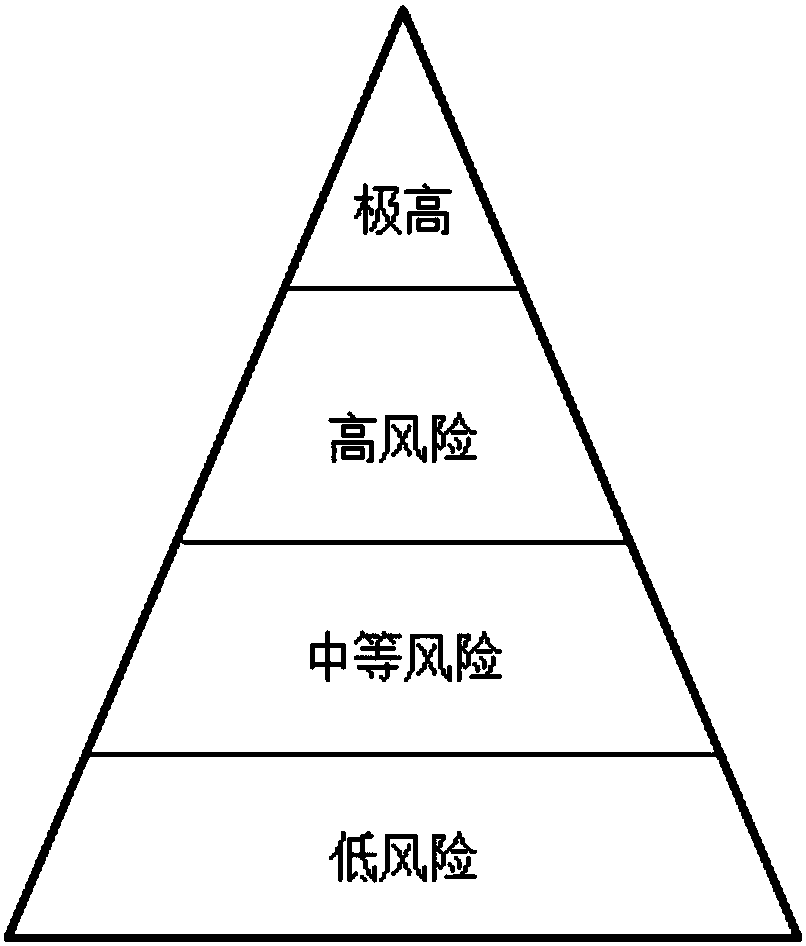
Figure 1 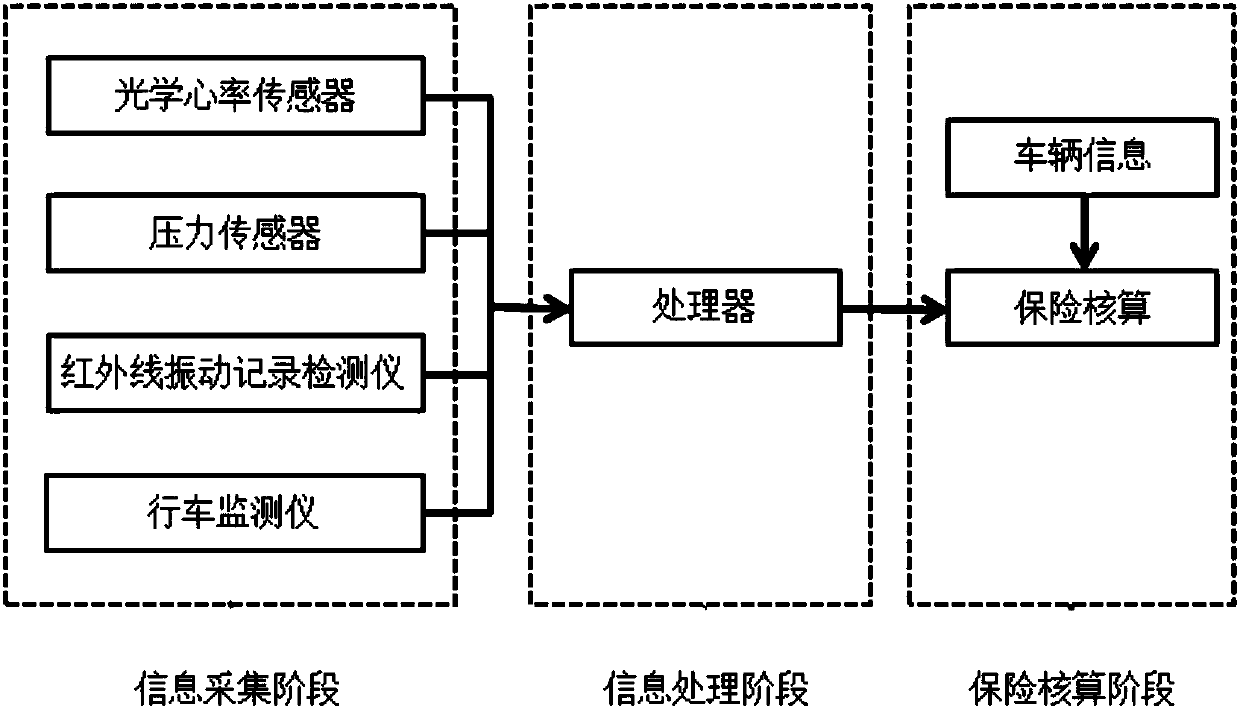
Figure 2 
Figure 3
Abstract
Description
technical field
[0001] The invention relates to the field of vehicle insurance algorithms, in particular to a vehicle insurance calculation method based on dangerous driving behavior. Background technique
[0002] The existing vehicle insurance industry insurance cost accounting method basically does not consider the driver factor, but mainly considers the vehicle factor, which generally includes vehicle purchase price, vehicle purchase year, mileage, location and other information. These information are used to estimate the probability of vehicle accidents, thereby calculating vehicle insurance costs. This type of insurance calculation method does not introduce driver behavior factors.
[0003] Traffic is composed of people, vehicles and roads, in which the vehicle is the vehicle, the road is the external environment, and the driver is the participant of the traffic, and the six elements of a traffic accident include the vehicle, on the road, in motion, the occurrence of th...
Examples
Embodiment Construction
[0025] Such as figure 1 , figure 2 As shown, a vehicle insurance calculation method based on dangerous driving behavior includes the following steps:
[0026] (1), information collection:
[0027] Separately collect the heart rate information of the driver during driving, as well as the frequency information of brakes, accelerators and horns, as well as fatigue driving information, drunk driving information, emotional change information, and frequency information of lane changing, overtaking, following, speeding and running red lights;
[0028] (2), information processing:
[0029] The information collected in step (1) is classified and processed, and then according to the understanding of dangerous driving behaviors, a hierarchical structure of factors affecting accident risk behaviors is constructed, and the analytic hierarchy process is used to quantify the weight coefficients of drivers with different levels of dangerous driving behaviors. The coefficient represents th...