
Low-shrinkage composite PE laminating material and preparation method thereof
A low-shrinkage and lamination technology, applied in the field of low-shrinkage composite PE lamination material and its preparation, can solve the problems of lack of wear resistance, easy shrinkage, low tear resistance, easy melt rupture, etc. Toughness, good environmental sanitation, and the effect of improving light transmittance
Patent Information
- Authority / Receiving Office
- CN · China
- Current Assignee / Owner
- Publication Date
- 2020-05-29
- Estimated Expiration
- Not applicable · inactive patent
Smart Images
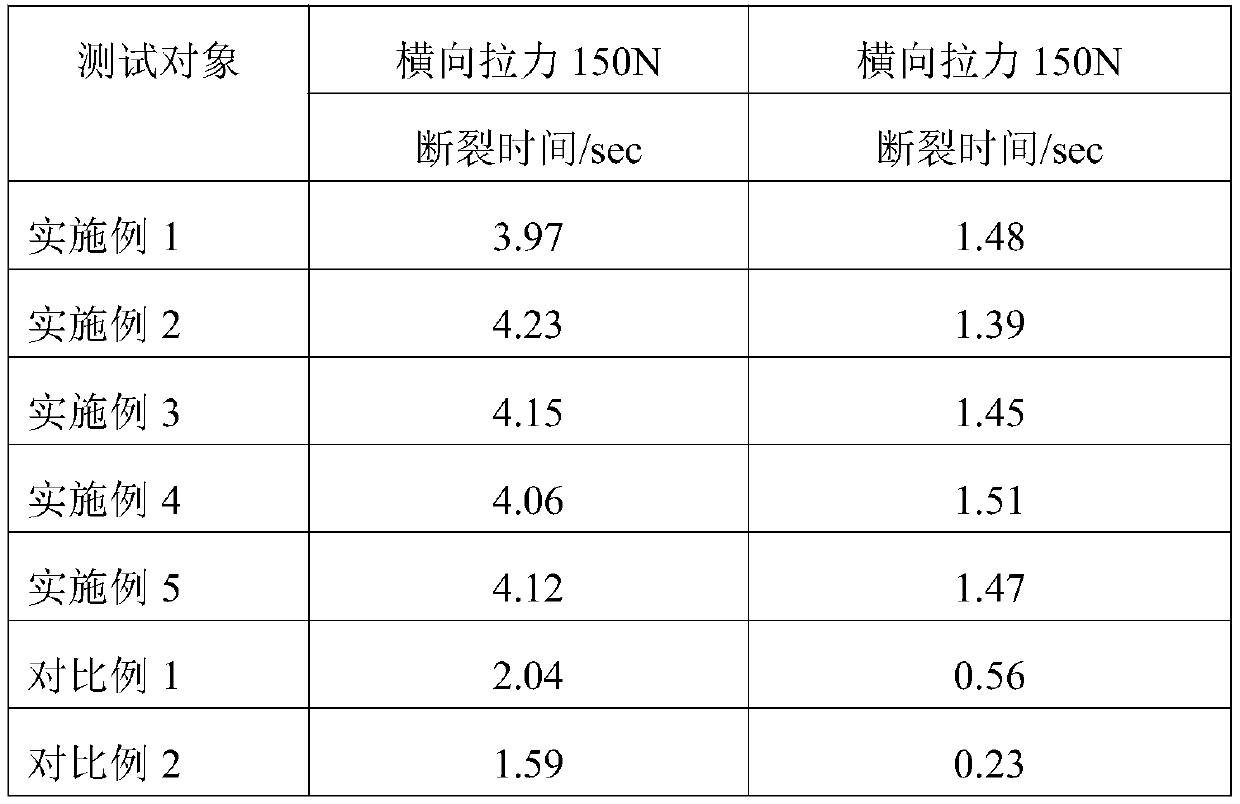
Figure 1 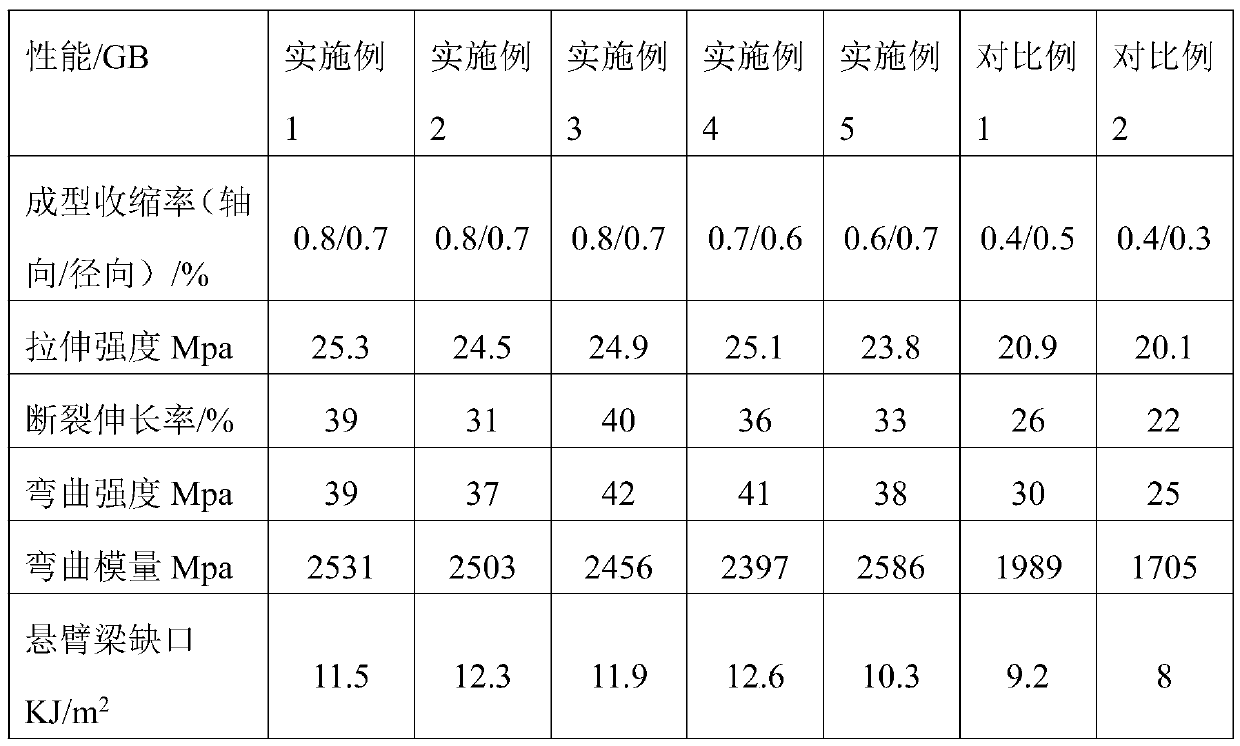
Figure 2
Abstract
Description
technical field
[0001] The invention relates to the technical field of new polymer materials, and relates to a low-shrinkage composite PE coating material and a preparation method thereof. Background technique
[0002] Coating of paper cups, paper bowls, etc. is to coat plastic particles on the surface of paper through a casting machine. It is a layer of non-toxic and harmless PE (polyethylene) material on the surface of the paper and then pressed to make the paper oil-proof, Waterproof (relative), airtight, and has a good moisture-proof effect. The paper is then pressed into paper cups and paper bowls by cup-making or bowl-making equipment. The disposable paper cups commonly used in daily life are made of coated paper. In the production process of coated paper, the plastic particles are plasticized by the screw and then extruded linearly from the die of the flat die. After stretching, they are attached to the surface of the paper, cooled and shaped, and pressed to form coat...
Examples
Embodiment 1
[0025] The low-shrinkage composite PE coating material in this example is made of the following raw materials in parts by weight: 20 parts of low-density polyethylene, 10 parts of modified polylactic acid, 1 part of poly-1,2-propylene glycol adipate, modified nanofiber 5 parts of prime, 2 parts of polyacrylamide, 0.5 parts of antioxidant, 0.3 parts of lubricant;
[0026] Among them, the modification method of polylactic acid is: add 10 parts of dry polylactic acid from the feed port of the twin-screw extruder, and at the same time, add 0.1 part of polyethylene glycol and 0.2 part of dibutyl sebacate from the liquid of the extruder Adding from the feed port, melt extrusion, water cooling, pelletizing, and drying to obtain modified polylactic acid; modified nanocellulose is obtained by grafting and modifying nanocellulose fibrils with octadecyltrichlorosilane , the mass ratio of octadecyltrichlorosilane and nanocellulose fibrils is 0.5:10;
[0027] Low-density polyethylene has ...
Embodiment 2
[0033] The low-shrinkage composite PE coating material in this example is made of the following raw materials in parts by weight: 33 parts of low-density polyethylene, 16 parts of modified polylactic acid, 2 parts of poly-1,2-propylene glycol adipate, modified nanofiber 13 parts of prime, 5 parts of polyacrylamide, 1 part of antioxidant, 1 part of lubricant;
[0034] Among them, the modification method of polylactic acid is: add 10 parts of dry polylactic acid from the feed port of the twin-screw extruder, and at the same time, add 0.1 part of polyethylene glycol and 0.2 part of dibutyl sebacate from the liquid of the extruder Adding from the feed port, melt extrusion, water cooling, pelletizing, and drying to obtain modified polylactic acid; modified nanocellulose is obtained by grafting and modifying nanocellulose fibrils with octadecyltrichlorosilane , the mass ratio of octadecyltrichlorosilane and nanocellulose fibrils is 0.5:10;
[0035] Low-density polyethylene has a me...
Embodiment 3
[0041] The low-shrinkage composite PE coating material in this example is made of the following raw materials in parts by weight: 27 parts of low-density polyethylene, 13 parts of modified polylactic acid, 1.5 parts of poly-1,2-propylene glycol adipate, modified nanofiber 9 parts of prime, 3.5 parts of polyacrylamide, 0.7 parts of antioxidant, 0.6 parts of lubricant;
[0042] Among them, the modification method of polylactic acid is: add 10 parts of dry polylactic acid from the feed port of the twin-screw extruder, and at the same time, add 0.1 part of polyethylene glycol and 0.2 part of dibutyl sebacate from the liquid of the extruder Adding from the feed port, melt extrusion, water cooling, pelletizing, and drying to obtain modified polylactic acid; modified nanocellulose is obtained by grafting and modifying nanocellulose fibrils with octadecyltrichlorosilane , the mass ratio of octadecyltrichlorosilane and nanocellulose fibrils is 0.5:10;
[0043] Low-density polyethylene h...