
Method for preparing high-performance nanofiltration membrane by constructing ZIF-8 intermediate layer
A technology of ZIF-8 and intermediate layer, which is applied in the field of membrane material modification, can solve the problems of low flux of nanofiltration membranes, and achieve the effect of uniform structure, small thickness and low agglomeration
Patent Information
- Authority / Receiving Office
- CN · China
- Patent Type
- Applications(China)
- Current Assignee / Owner
- Publication Date
- 2020-11-27
Smart Images
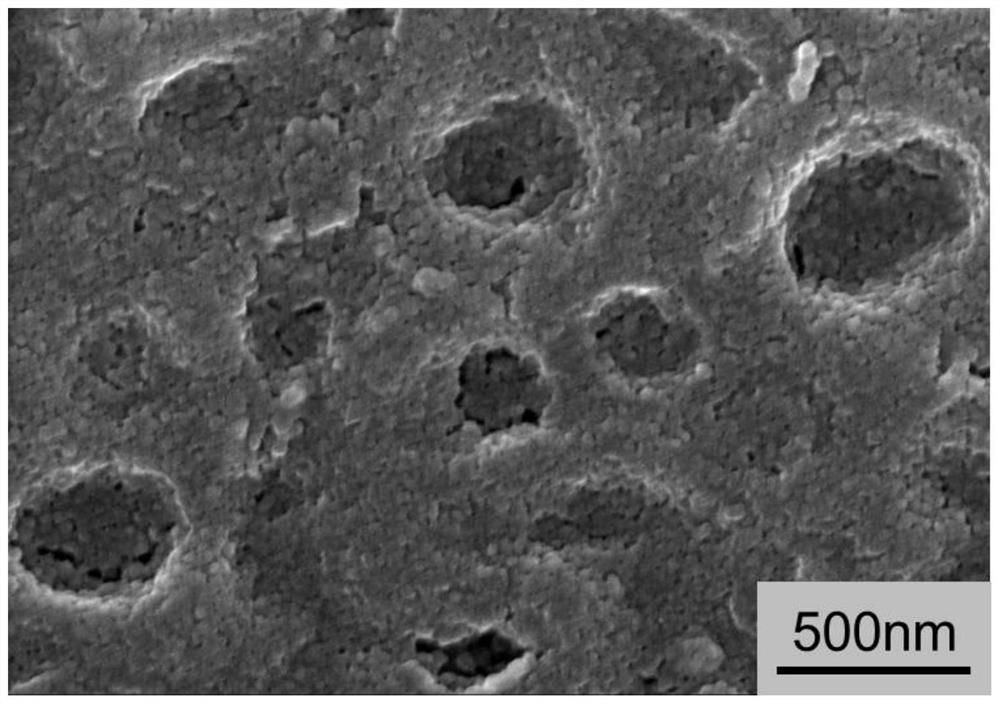
Figure 1 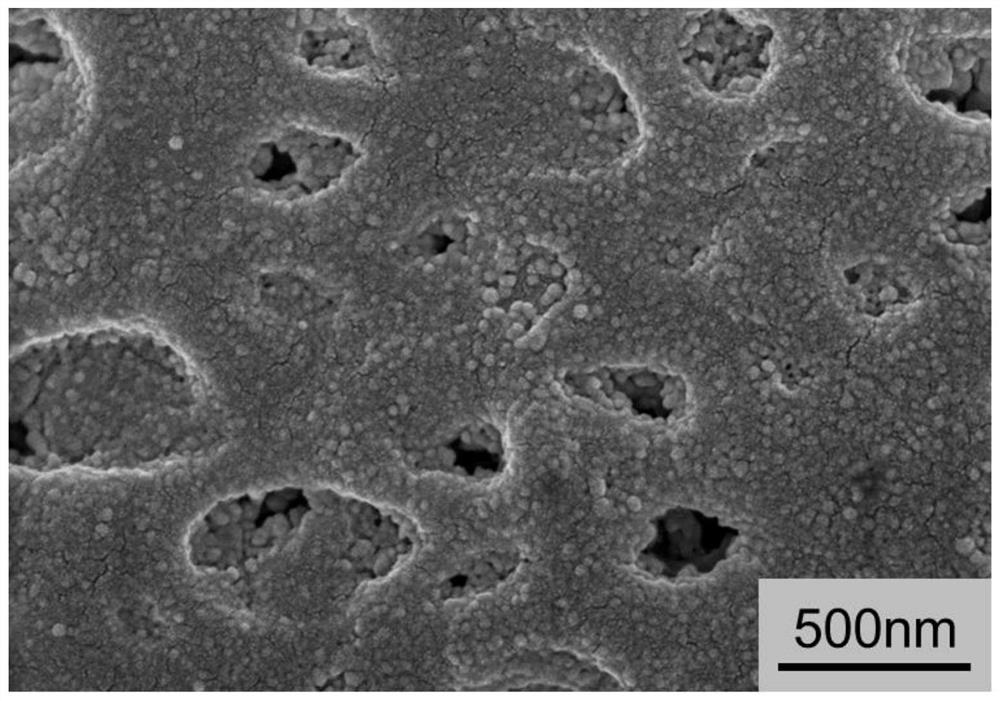
Figure 2
Abstract
Description
technical field
[0001] The invention belongs to the technical field of membrane material modification, and specifically relates to a method for preparing a high-performance nanofiltration membrane by constructing a ZIF-8 intermediate layer with high flux and effective dianion and dye interception capacity. Background technique
[0002] The shortage of water resources and the increasing pollution of water bodies urgently require advanced technologies to produce clean water sustainably, economically and efficiently. Among them, membrane separation technology has been successfully used in water treatment because of its good treatment effect and wide application range. Among them, nanofiltration is a membrane separation technology driven by pressure. The pore size of nanofiltration membrane is about several nanometers, which can effectively remove divalent and multivalent ions and various substances with molecular weight greater than 200. Its separation performance is better tha...
Examples
Embodiment 1
[0034] Using polyethersulfone microfiltration membrane as the supporting base membrane, pour an aqueous solution containing 0.1mol / L zinc nitrate and 1wt% sodium polystyrene sulfonate on the surface of the supporting base membrane, pour off the excess liquid after contacting for 12 hours, and remove the surface of residual liquid. Subsequently, the n-hexane / 1-octanol solution containing 0.8wt% dimethylimidazole in a volume ratio of 9:1 was poured on the surface of the membrane. Rinse membrane. The membrane was annealed at 60°C for 30 minutes. After cooling to room temperature, an aqueous solution containing 2.0 wt% piperazine was poured on the surface of the membrane. After contacting for 2 minutes, the excess solution was poured off and the remaining liquid on the surface was removed. The n-hexane solution containing 0.2 wt% trimesoyl chloride was poured onto the surface of the diaphragm, and after contacting for 1 min, the excess solution was poured off. The obtained film ...
Embodiment 2
[0037]Using the polyethersulfone microfiltration membrane as the supporting base membrane, pour an aqueous solution containing 0.2mol / L zinc nitrate and 0.5wt% sodium polystyrene sulfonate on the surface of the supporting base membrane, pour off the excess liquid after contacting for 8 hours, and remove residual liquid on the surface. Subsequently, the n-hexane / 1-octanol solution containing 1.0wt% dimethylimidazole in a volume ratio of 8:2 was poured on the surface of the membrane. Rinse membrane. The membrane was annealed at 60°C for 30 minutes. After cooling to room temperature, an aqueous solution containing 1.0 wt% piperazine was poured on the surface of the membrane. After contacting for 2 minutes, the excess solution was poured off and the remaining liquid on the surface was removed. The n-hexane solution containing 0.1 wt% trimesoyl chloride was poured onto the surface of the diaphragm, and after contacting for 1 min, the excess solution was poured off. The obtained f...
Embodiment 3
[0039] Embodiment 3 (The addition of Embodiment 3 and Embodiment 4 is to make the upper and lower limits of the parameters in the claims supported)
[0040] With the polysulfone microfiltration membrane as the supporting base membrane, pour the aqueous solution containing 0.05mol / L zinc nitrate and 2wt% sodium polystyrene sulfonate on the surface of the supporting base membrane, pour off the excess liquid after contacting for 5 hours, and remove the surface Residual liquid. Subsequently, the n-hexane / 1-octanol solution containing 1.2wt% dimethylimidazole in a volume ratio of 7:3 was poured on the surface of the membrane. Rinse membrane. The membrane was thermally annealed at 70°C for 15 minutes. After cooling to room temperature, an aqueous solution containing 5wt% piperazine was poured on the surface of the membrane. After contacting for 5 minutes, the excess solution was poured off and the remaining liquid on the surface was removed. The n-hexane solution containing 0.5 wt...