
A kind of multi-layer composite functional material and its preparation method and application
A functional material and multi-layer composite technology, applied in the field of environmental purification, can solve the problems that are difficult to apply in relatively shading places, can not be used normally day and night, and require high light, and achieve the effect of increasing beneficial microorganisms, large surface area, and high photocatalytic efficiency
Patent Information
- Authority / Receiving Office
- CN · China
- Patent Type
- Patents(China)
- Current Assignee / Owner
- Publication Date
- 2022-06-21
Smart Images
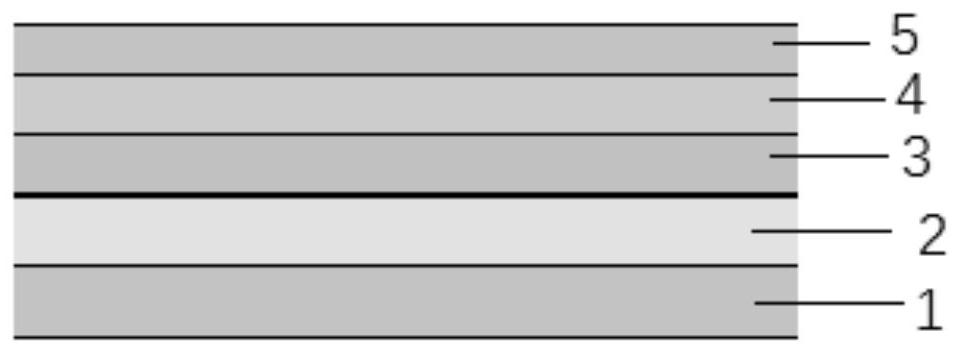
Figure 1 
Figure 2 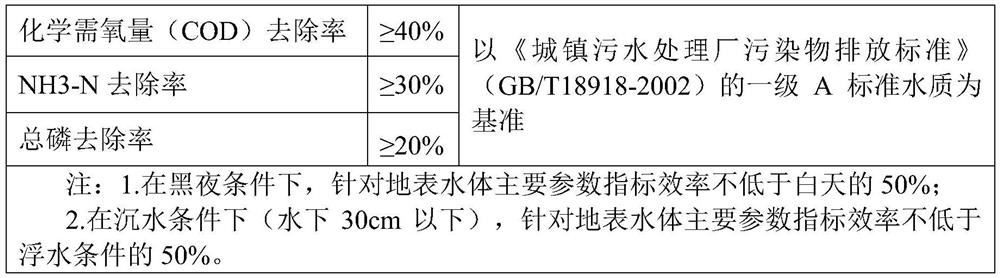
Figure 3
Abstract
Description
technical field
[0001] The invention relates to the field of environmental purification, in particular to a novel environmental functional material of composite multi-layer structure photocatalysis coupled biological purification for water or soil purification. Background technique
[0002] Nano-titania photocatalytic oxidation is an emerging water pollution control technology. It can effectively treat organic matter in water and kill harmful microorganisms in water. Due to the characteristics of this technology, it can use sunlight, has fast degradation speed, mild oxidation conditions, no secondary pollution, wide application range and high chemical activity of titanium dioxide, which is safe It is non-toxic and inexpensive, so it is also called green water treatment technology.
[0003] Photocatalytic degradation of environmental pollutants is still a technology that needs to be continuously improved and developed. 2 In terms of modification treatment, measures such as ...
Examples
Embodiment 1
[0041] A multi-layer composite functional material, the functional material is, from bottom to top, a base material layer, a solar reflection layer, a photocatalytic layer, a biological coupling purification layer and a self-cleaning protective layer;
[0042] The solar reflection layer is made of mica-modified silica sol;
[0043] The photocatalytic layer is prepared from a photocatalytic nanogel of rare earth co-doped graphene;
[0044] The biological coupling purification layer contains trace element biological activation factors;
[0045] The self-cleaning protective layer contains ethyl cellulose;
[0046] The preparation method of the functional material comprises the following steps:
[0047] (1) prepare mica-modified silica sol;
[0048] 5kg of mica crystals were added to 160L of nano-silica ethanol dispersion liquid (the mass concentration of nano-silica was 5%), followed by high-speed stirring and ultrasonic dispersion to obtain mica-modified silica sol.
[0049] (...
Embodiment 2
[0067] The difference from Example 1 is that the prepared rare earth element co-doped graphene photocatalytic nanogel is coated on the non-woven substrate supported by the previous slurry, and the coating times are 2 times.
Embodiment 3
[0069] The difference from Example 1 is that 0.4 g of graphene is added to the gel D, and the rare earth element co-doped graphene photocatalytic nanogel is obtained by ultrasonic treatment.