
Intelligent control strengthening system and process for direct coal liquefaction
A technology of direct coal liquefaction and intelligent control, applied in the field of coal-to-liquids, can solve the problems of low reaction efficiency of direct coal liquefaction, and achieve the effects of reducing reaction pressure, increasing product yield and saving energy consumption
Patent Information
- Authority / Receiving Office
- CN · China
- Patent Type
- Applications(China)
- Current Assignee / Owner
- Publication Date
- 2021-03-26
Smart Images
Figure 1 
Figure 2 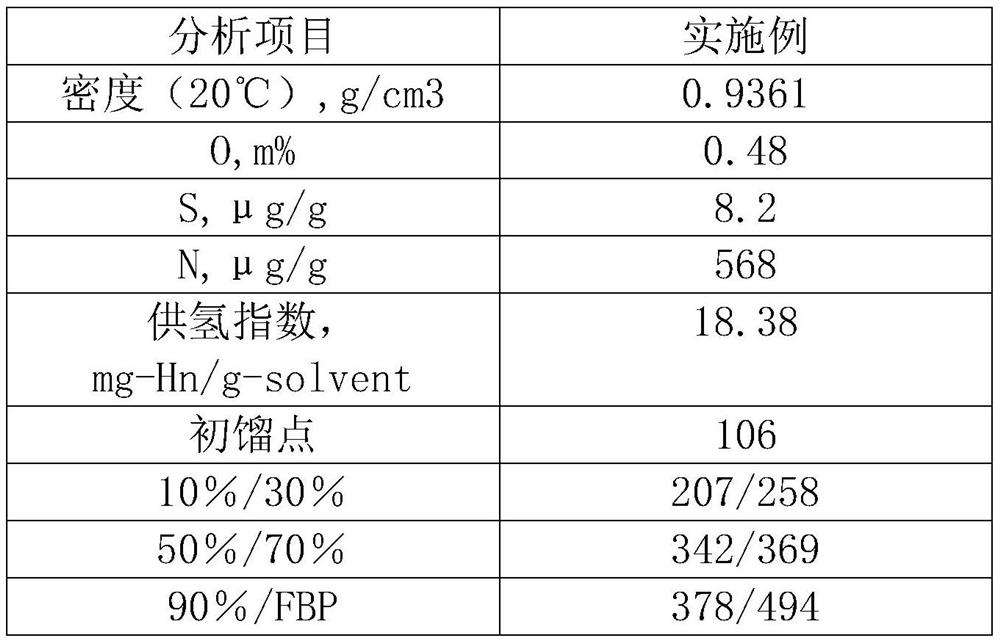
Figure 3
Abstract
Description
technical field
[0001] The invention relates to the technical field of coal-to-liquids, in particular to an intelligent control and strengthening system and process for direct coal liquefaction. Background technique
[0002] The process usually used for catalytic hydrogenation of coal liquefied oil is mainly fixed bed hydrogenation process. Fixed bed reactors are especially suitable for handling lighter and cleaner materials, such as naphtha, middle distillates, etc. The fixed bed reactor is characterized by relatively stable operation and easy control. Because coal liquefied oil is heavy and contains many mechanical impurities, the catalytic reaction conditions will be relatively harsh. At the same time, high-nitrogen raw materials will accelerate the deactivation of the catalyst, shorten the service life of the catalyst, make the product properties unstable, and the pressure drop of the catalyst bed is relatively low. high. In order to make the product meet the standard...
Examples
Embodiment 1
[0076] The reaction temperature during the hydrogenation liquefaction treatment of the reactor is 400°C, the pressure is 2-14MPa, preferably 3-8MPa, and the liquid hourly space velocity is 0.7-1.2h -1, The volume ratio of hydrogen to oil is 100-700; the material flow rate returned by the circulation unit to the reactor shell is 2-5 times that of the direct coal liquefied oil feed flow rate, and the filling volume of the catalyst is 30% of the effective volume of the ebullated bed reactor 25-65%. In addition, the range of preset operating conditions can be flexibly adjusted according to different raw material compositions, different product requirements or different catalysts, which further ensures that the reaction is fully and effectively carried out, thereby ensuring the reaction rate and achieving the purpose of strengthening the reaction .
[0077] The reaction effect is shown in Table 1:
[0078] Table 1
[0079]
Embodiment 2
[0081] The reaction temperature during the hydrogenation liquefaction treatment of the reactor is 420°C, the pressure is 2-14MPa, preferably 2-6MPa, and the liquid hourly space velocity is 0.7-1.2h -1, The volume ratio of hydrogen to oil is 100-700; the material flow rate returned by the circulation unit to the reactor shell is 2-5 times that of the direct coal liquefied oil feed flow rate, and the filling volume of the catalyst is 30% of the effective volume of the ebullated bed reactor 25-65%. In addition, the range of preset operating conditions can be flexibly adjusted according to different raw material compositions, different product requirements or different catalysts, which further ensures that the reaction is fully and effectively carried out, thereby ensuring the reaction rate and achieving the purpose of strengthening the reaction .
[0082] The reaction effect is shown in Table 2:
[0083]Table 2
[0084]
Embodiment 3
[0086] The reaction temperature during the hydrogenation liquefaction treatment of the reactor is 450°C, the pressure is 2-14MPa, preferably 2-8MPa, and the liquid hourly space velocity is 0.7-1.2h -1, The volume ratio of hydrogen to oil is 100-700; the material flow rate returned by the circulation unit to the reactor shell is 2-5 times that of the direct coal liquefied oil feed flow rate, and the filling volume of the catalyst is 100% of the effective volume of the ebullated bed reactor 25-65%. In addition, the range of preset operating conditions can be flexibly adjusted according to different raw material compositions, different product requirements or different catalysts, which further ensures that the reaction is fully and effectively carried out, thereby ensuring the reaction rate and achieving the purpose of strengthening the reaction .
[0087] The reaction effect is shown in Table 3:
[0088] table 3
[0089]
[0090]