
Catalyst system for synthesis of diphenyl carbonate by ester exchange reaction
A technology of diphenyl carbonate and transesterification, which is applied in the direction of organic compound/hydride/coordination complex catalyst, physical/chemical process catalyst, carbonate/haloformate preparation, etc. Stability, low catalyst activity, corrosion equipment and other problems, to achieve good economic and social benefits, high activity, no corrosion equipment effect
Patent Information
- Authority / Receiving Office
- CN · China
- Patent Type
- Applications(China)
- Current Assignee / Owner
- Publication Date
- 2005-11-23
Smart Images
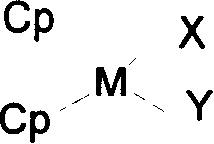
Figure 1 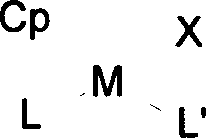
Figure 2 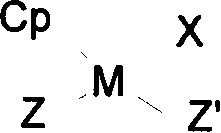
Figure 3
Abstract
Description
technical field
[0001] The present invention is a catalyst system for synthesizing diphenyl carbonate by transesterification reaction. The catalyst system is basically composed of dioxocene or monolocene compounds of Group IVB metals, or their homologues. It belongs to the field of applied catalysis. Background technique
[0002] Diphenyl carbonate is an important chemical intermediate that can be used to synthesize many organic compounds and polymer materials, especially polycarbonate that can replace highly toxic phosgene and bisphenol A to produce excellent performance.
[0003] There are three main synthetic methods of diphenyl carbonate, namely phosgene method, transesterification method and oxidative carbonylation method. The traditional phosgene method, due to the high toxicity and strong corrosiveness of phosgene, has great safety and environmental problems, and is gradually being eliminated; the oxidative carbonylation method has not ye...
Examples
Embodiment Construction
[0020] 1. Fix a 100ml three-neck round bottom flask on a heat-collecting constant temperature heating magnetic stirrer. The three-necked flask is equipped with a thermometer, a nitrogen conduit, a rectification column and an atmospheric pressure dropping funnel. Under normal pressure, replace the air in the reaction device with a nitrogen conduit, add 0.3mol phenol and 0.0015mol titanocene compound as a catalyst under nitrogen protection, stir and raise the temperature, and start to drop dimethyl carbonate when the temperature rises to 150°C. The total amount of dimethyl carbonate added was 0.3 mol. Keep the reaction temperature between 150°C and 180°C. At this time, the reaction system is in a boiling state, and at the same time, collect the azeotrope formed by the distilled methanol and dimethyl carbonate. The reaction time was 10 hours.
[0021] After the reaction, the catalyst was filtered off, and the solution was analyzed by gas chromatography. The conversion rate of ph...