
Therapeutic cotinine compositions
a technology of cotinine and composition, applied in the field of therapeutic cotinine composition, can solve the problems of damage or destruction to normal tissue in the immediate area, and achieve the effects of enhancing the production of anti-inflammatory molecules, reducing the normal tlr-mediated pro-inflammatory response, and effective therapeutic intervention
Patent Information
- Authority / Receiving Office
- US · United States
- Patent Type
- Applications(United States)
- Current Assignee / Owner
- Publication Date
- 2010-06-10
- Estimated Expiration
- Not applicable · inactive patent
Smart Images
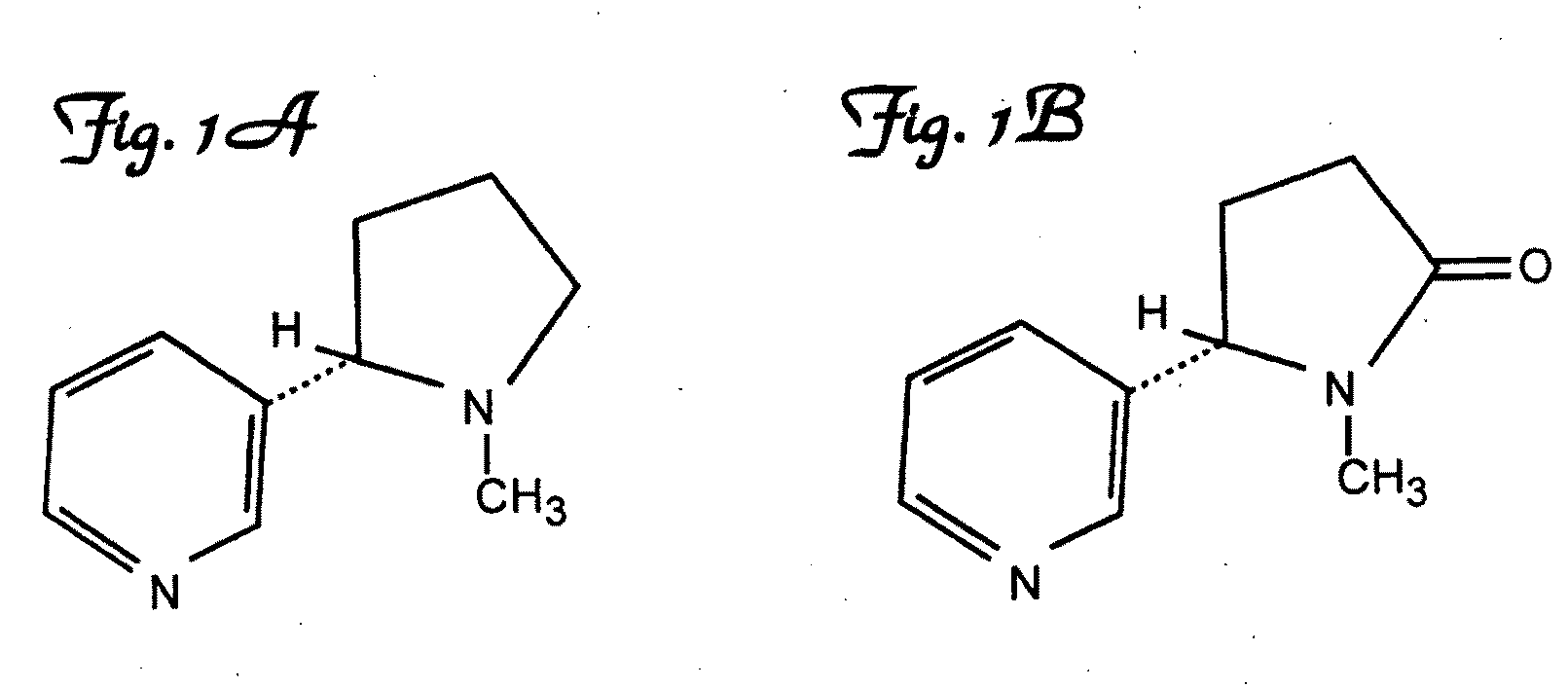
Figure 1 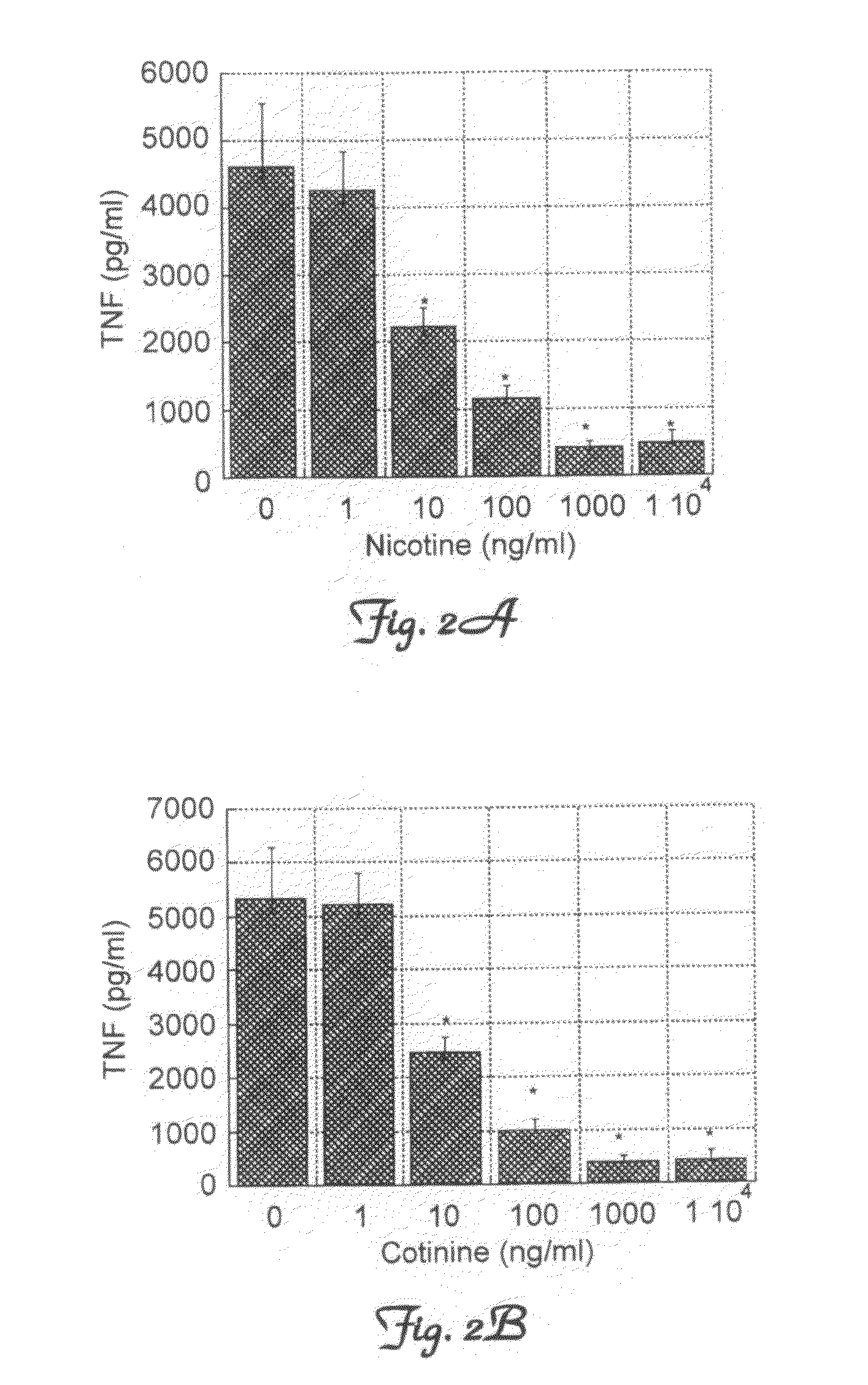
Figure 2 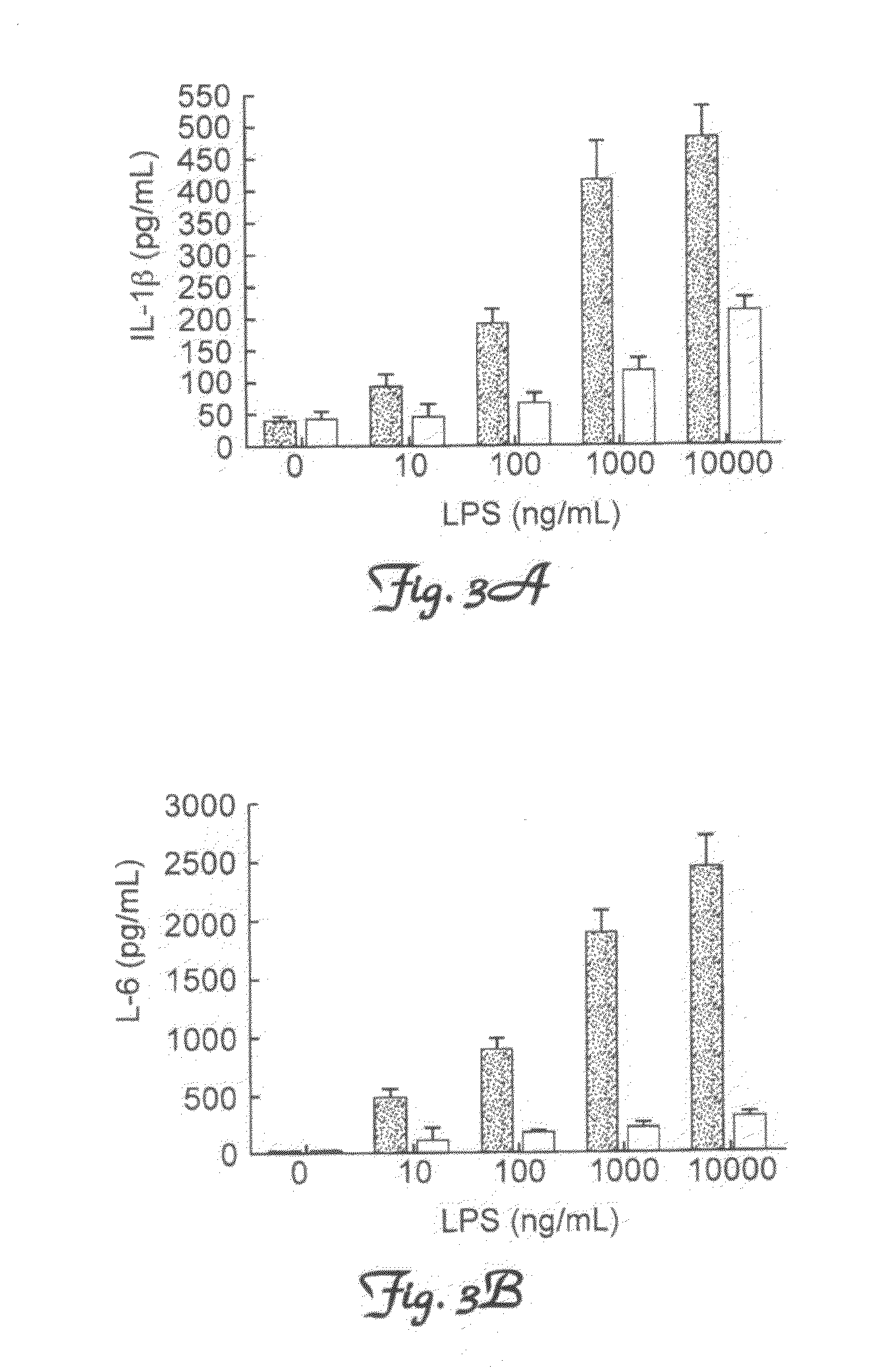
Figure 3
Abstract
Description
CLAIM OF PRIORITY
[0001] This patent application claims priority to U.S. Application Ser. No. 60 / 890,954 filed on Feb. 21, 2007. The instant application claims the benefit of the listed application, which is hereby incorporated by reference herein in its entirety.BACKGROUND OF THE INVENTION
[0002] Inflammation is an important pathologic process. As an indicator of disease, inflammation is directed at destroying harmful agents and initiating repair, and is usually associated with warmth, redness, swelling, and pain caused by a series of cellular and tissue responses to some injurious agent. The response is directed at the inciting agent or at least rendering it harmless. In the process, inflammation also prevents the spread of the inciting injurious agent. All this activity may cause damage or destruction to normal tissue in the immediate area. The inflammatory process cleans up resulting debris and starts restoring tissue to a normal state.
[0003] Many different agents can provoke an infl...
Examples
example 1
Cotinine is a Potent Suppressor of the Monocytic Pro-Inflammatory Response
[0099]Nicotine [(S)-3-(1-methyl-2-pyrrolidinyl)pyridine] is a major component of tobacco and a highly efficient acetylcholine receptor (nAChRs) agonist that triggers the cholinergic anti-inflammatory pathway and subsequently suppresses the release of several pro-inflammatory cytokines from monocytes. However, a multiplicity of side-effects limits the attractiveness of nicotine as an anti-inflammatory therapeutic. Due to structural similarity, the inventors hypothesized that the primary metabolite of nicotine, cotinine [(S)-1-methyl-5-(3-pyridinyl)-2-Pyrrolidinone], is also an anti-inflammatory mediator. The inventors demonstrated that pre-treatment with cotinine dramatically altered the nature of the inflammatory response of monocytes to Gram negative bacteria by abrogating the production of cytokines that are under the transcriptional control of the NF-κB system (TNF, IFN-γ, IL-1, IL-6, IL-12 / IL-23 p40) and s...
example 2
Treatment of Inflammation
[0114]Important interactions between the nervous system and the inflammatory response have recently been discovered at the molecular level, especially concerning neurophysiological anti-inflammatory mechanisms. A key pathway in communication between the nervous and inflammatory systems is the cholinergic anti-inflammatory pathway, triggered by the interaction of acetylcholine (ACh) with leukocyte nicotinic acetylcholine receptors (nAChRs) resulting in the suppression of the production and / or release of specific pro-inflammatory cytokines. Thus, nAChRs and downstream components of the cholinergic anti-inflammatory pathway present novel therapeutic targets for inflammatory diseases. The present inventors have recently identified an endogenous Toll-like receptor (TLR)-initiated anti-inflammatory pathway in human monocytes that is GSK-dependent. It is believed that the cholinergic and endogenous monocyte GSK-dependent anti-inflammatory pathways may be convergent...
example 3
Cotinine-Induced Convergence of the Cholinergic and PI3 Kinase-Dependent Anti-Inflammatory Pathways in Innate Immune Cells
[0121]The ability to regulate against prolonged or excessive inflammation is critical in preventing the onset of septic shock and the host-mediated damage associated with multiple chronic inflammatory diseases. However, the mechanisms that dictate the establishment of pro- versus anti-inflammatory cytokine-dominated environments are poorly understood. In recent years it has become clear that the nicotinic acetylcholine receptor α7 subunit is a critical regulator of inflammation. Acetylcholine, produced by the vagus nerve network, is an endogenous α7 nAChR agonist. Acetylcholine and the exogenous α7 nAChR agonist, nicotine, both suppress the release of TNF-α from activated cells of monocytic lineage and are protective against LPS-mediated toxicity. Thus, nAChRs and downstream components of the cholinergic anti-inflammatory pathway present novel therapeutic targets...