
Wipe Coated with a Botanical Composition having Antimicrobial Properties
a technology of botanical compositions and wipes, which is applied in the direction of wipes, biocide, disinfectants, etc., can solve the problems of limiting the effectiveness of most applications, many of the antimicrobial actives used in such wipes are undesirable, and suffer from significant problems, so as to inhibit the growth of bacteria
Patent Information
- Authority / Receiving Office
- US · United States
- Patent Type
- Applications(United States)
- Current Assignee / Owner
- Publication Date
- 2012-06-07
Smart Images
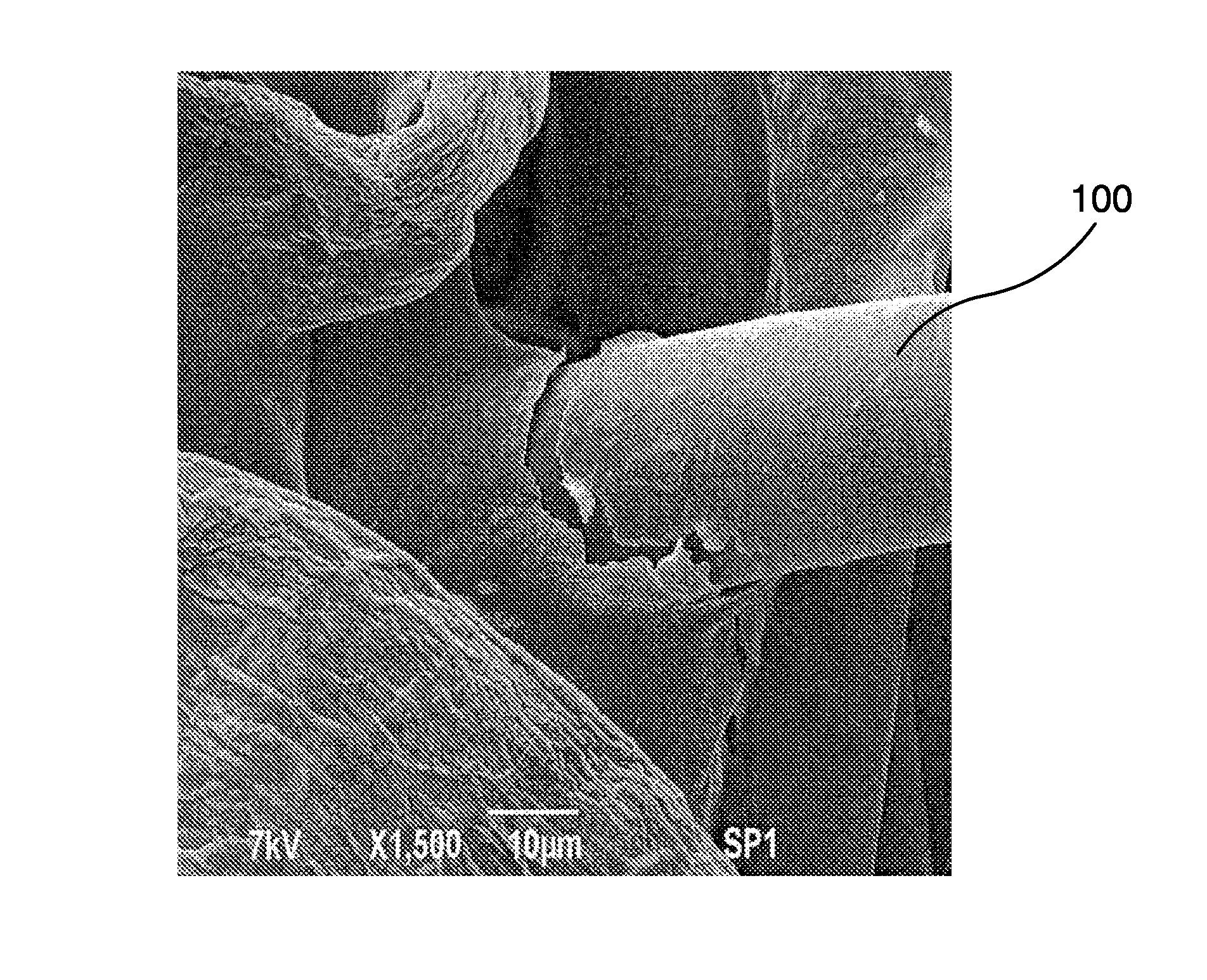
Figure 1 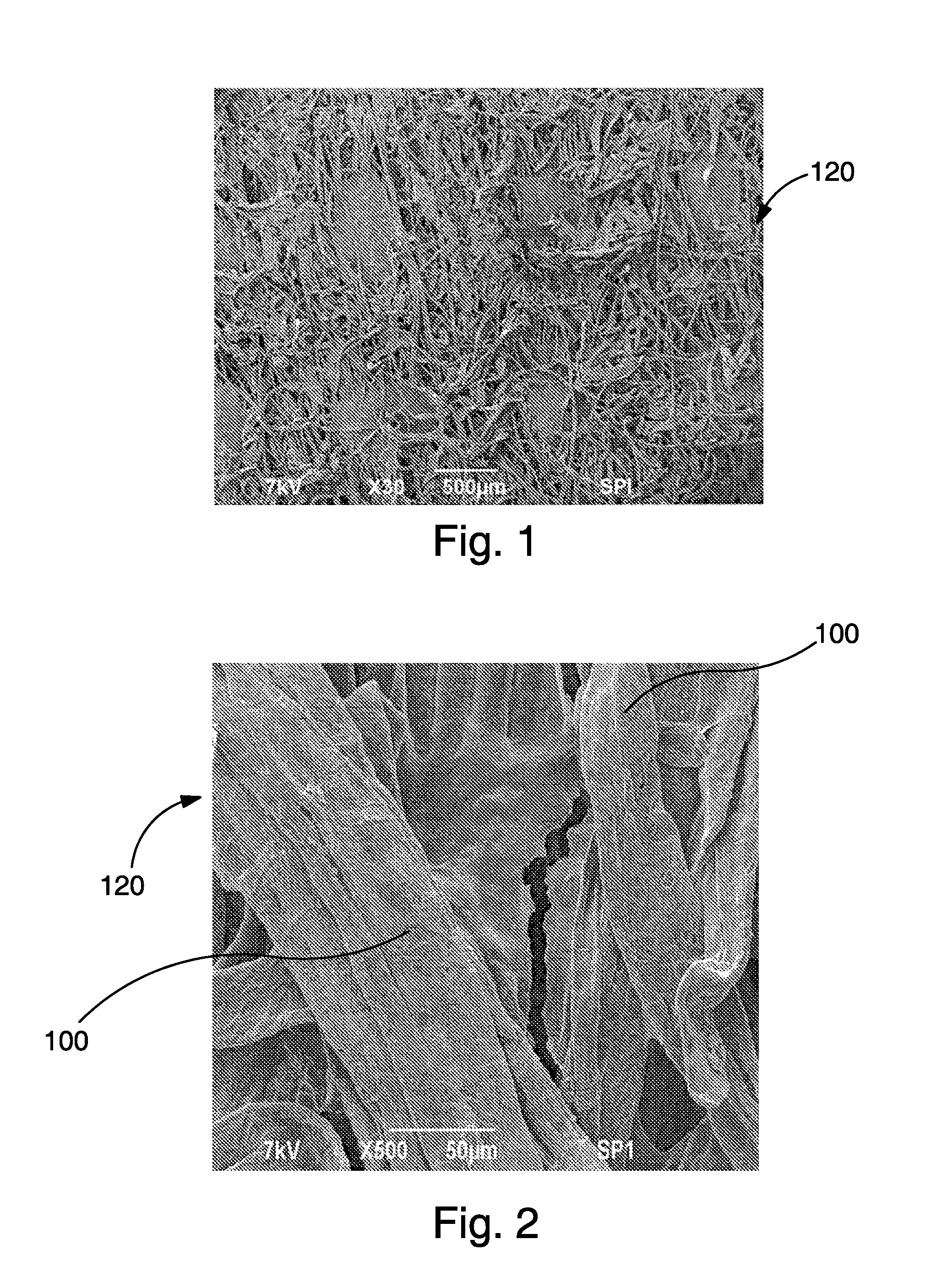
Figure 2 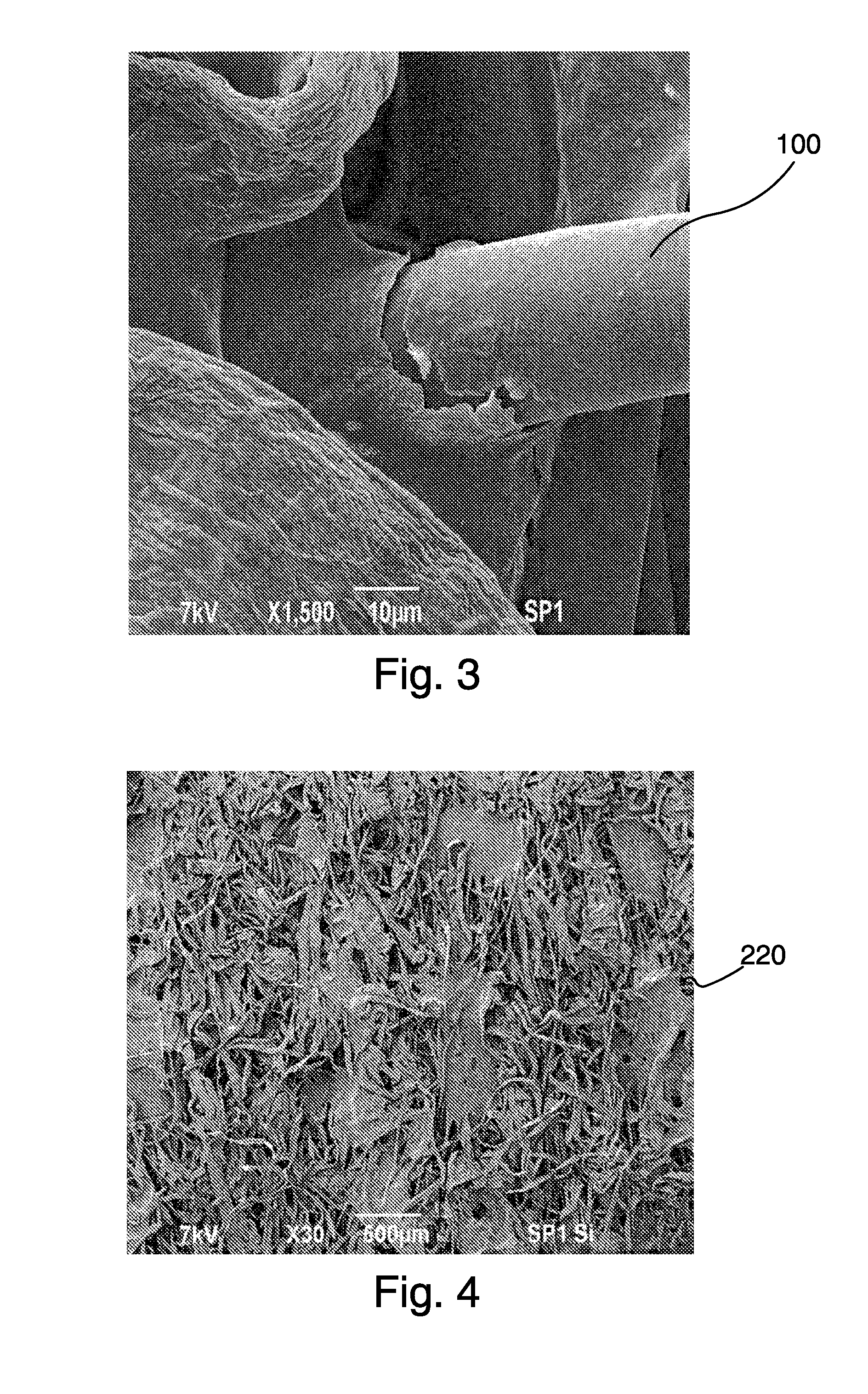
Figure 3
Abstract
Description
BACKGROUND OF THE INVENTION
[0001] Many existing wipes are impregnated with an antimicrobial solution for delivery to a contaminated surface. Unfortunately, however, many of the antimicrobial actives used in such wipes are undesirable due to their lack of environmental compatibility. While essential oils are known to be environmentally friendly and effective in combating microorganisms, they nevertheless suffer from significant problems. For example, essential oils are highly volatile and unstable in the presence of oxygen, which ultimately limits their effectiveness in most applications in which wipes are commonly employed (e.g., food service wipes). Attempts to overcome this problem often involve the use of a larger amount of the essential oils to prolong antimicrobial activity. Regrettably, this often just leads to another problem in that high concentrations of essential oils can cause damage to certain types of food products, such as fruit. As such, a need currently exists for an ...
Examples
example 1
[0083]A coating solution was initially prepared by adding 2.5 grams of soy protein isolates into 100 milliliters of distilled water. After 30 minutes of magnetic stirring, 2.5 grams of carvacrol was added to the mixture. The solution was homogenized at 7000 rpm for 10 minutes (ambient temperature) using a T.K. Homomoxer Mark II (Model 2.5), available from PRIMIX Corp. (Japan). The solution was coated onto HYRDOKNIT® substrates (25 cm2) by dipping it into the solution for 1 minute. Thereafter, the coated substrates were removed from the solution beaker and placed in hood to allow the solvent to evaporate off for 3 hours at ambient temperature. The resulting add-on level, after drying, was calculated to be 32% from the following equation:
Add-onlevel(wt%)=100×(wt.oftreatedsubstrate-wt.ofuntreatedsubstrate)wt.ofuntreatedsubstrate
[0084]The coated substrates were stored for subsequent testing in an open chamber at 40° C. for 1 day, 4 days, and 10 days.
example 2
[0085]A coating solution was initially prepared by adding 2.5 grams of soy protein isolates into 100 milliliters of distilled water. After 30 minutes of magnetic stirring, 2.5 grams of carvacrol was added to the mixture. 8 milliliters of a PDMS silicone emulsion (TM4855) was then added to the mixture. The solution was homogenized at 7000 rpm for 10 minutes (at ambient temperature) using a T.K. Homomoxer Mark II (Model 2.5), available from PRIMIX Corp. (Japan). The solution was coated onto HYRDOKNIT® substrates as described above. The resulting add-on level of the solution, after drying, was calculated to be 28% from the equation above.
[0086]The coated substrates were stored for subsequent testing in an open chamber at 40° C. for 1 day, 4 days, and 10 days.
example 3
[0087]Coated substrates were formed as described in Example 2, except that a hydroxyl-terminated PDMS emulsion (TM4856) was employed. The add-on level, after drying, was calculated to be 31% from the equation above. The coated substrates were stored for subsequent testing in a chamber at 40° C. for 1 day, 4 days, and 10 days.