
Beta-casein a2 and antioxidant capacity
a betacasein and antioxidant capacity technology, applied in the field of milk protein a2 betacasein and improving the antioxidant capacity, can solve the problems of reduced cellular gsh levels, reduced antioxidant capacity, and reduced gsh synthesis rate, so as to improve the antioxidant capacity in an animal
Patent Information
- Authority / Receiving Office
- US · United States
- Current Assignee / Owner
- Publication Date
- 2018-06-21
Smart Images
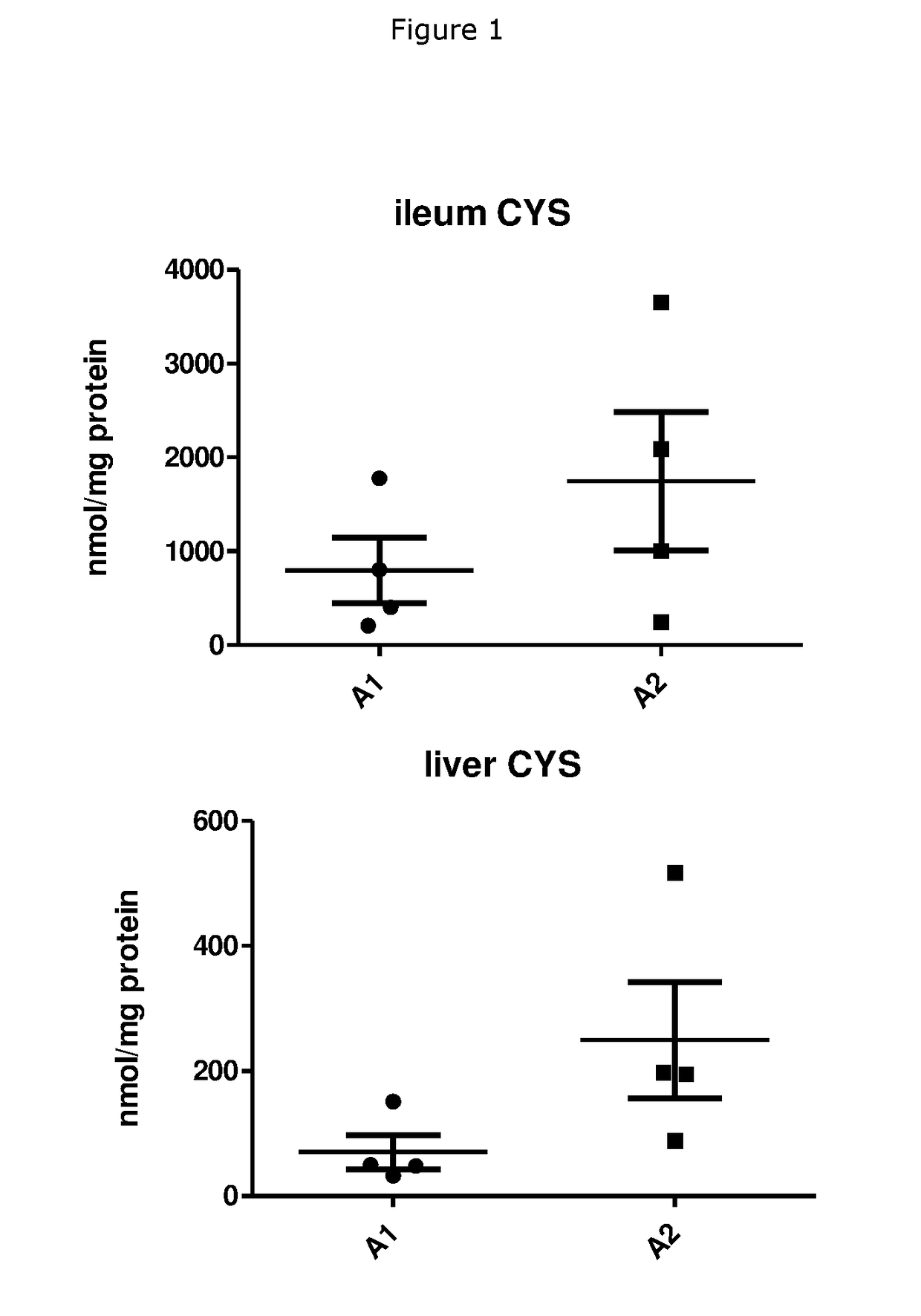
Figure 1 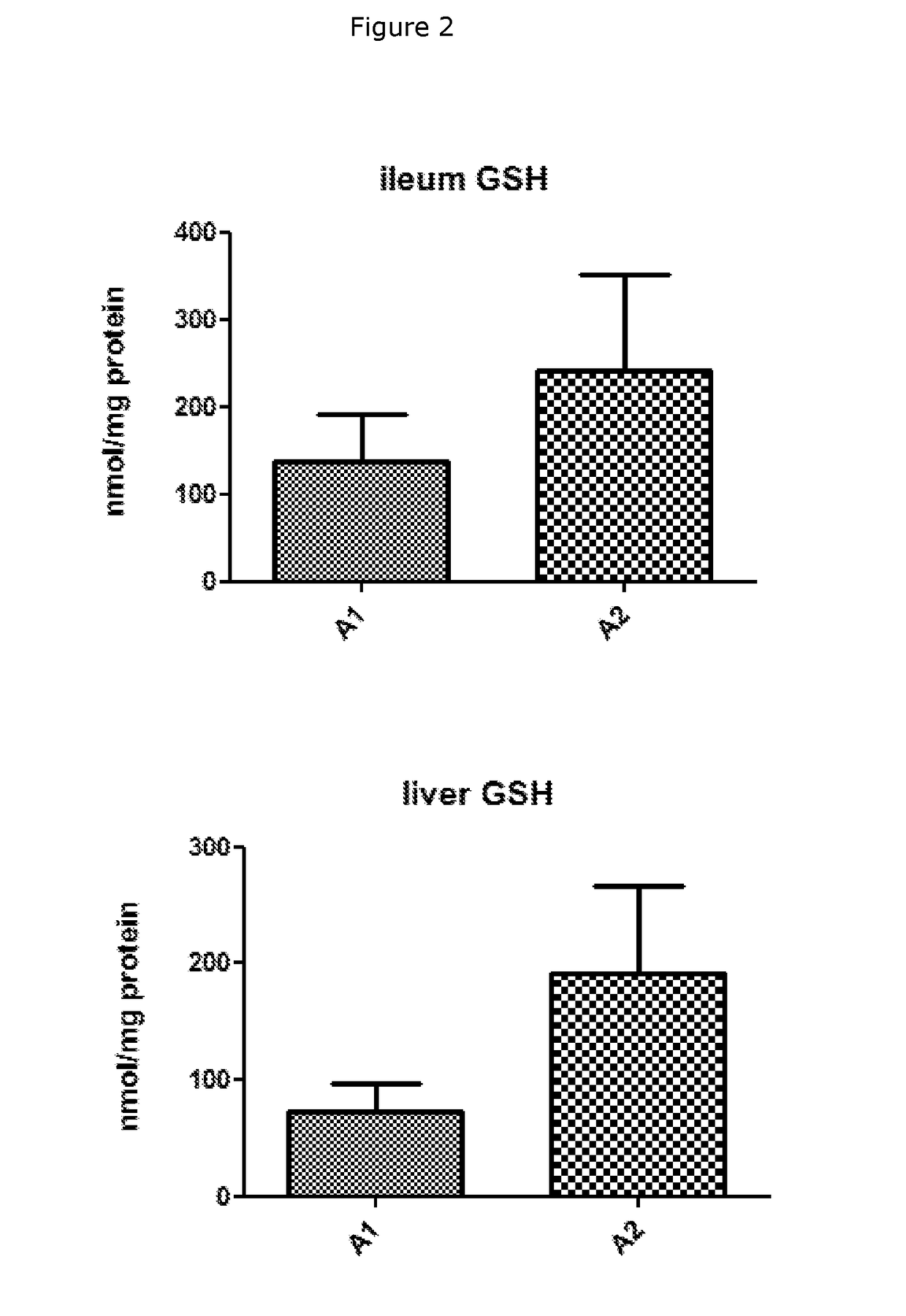
Figure 2 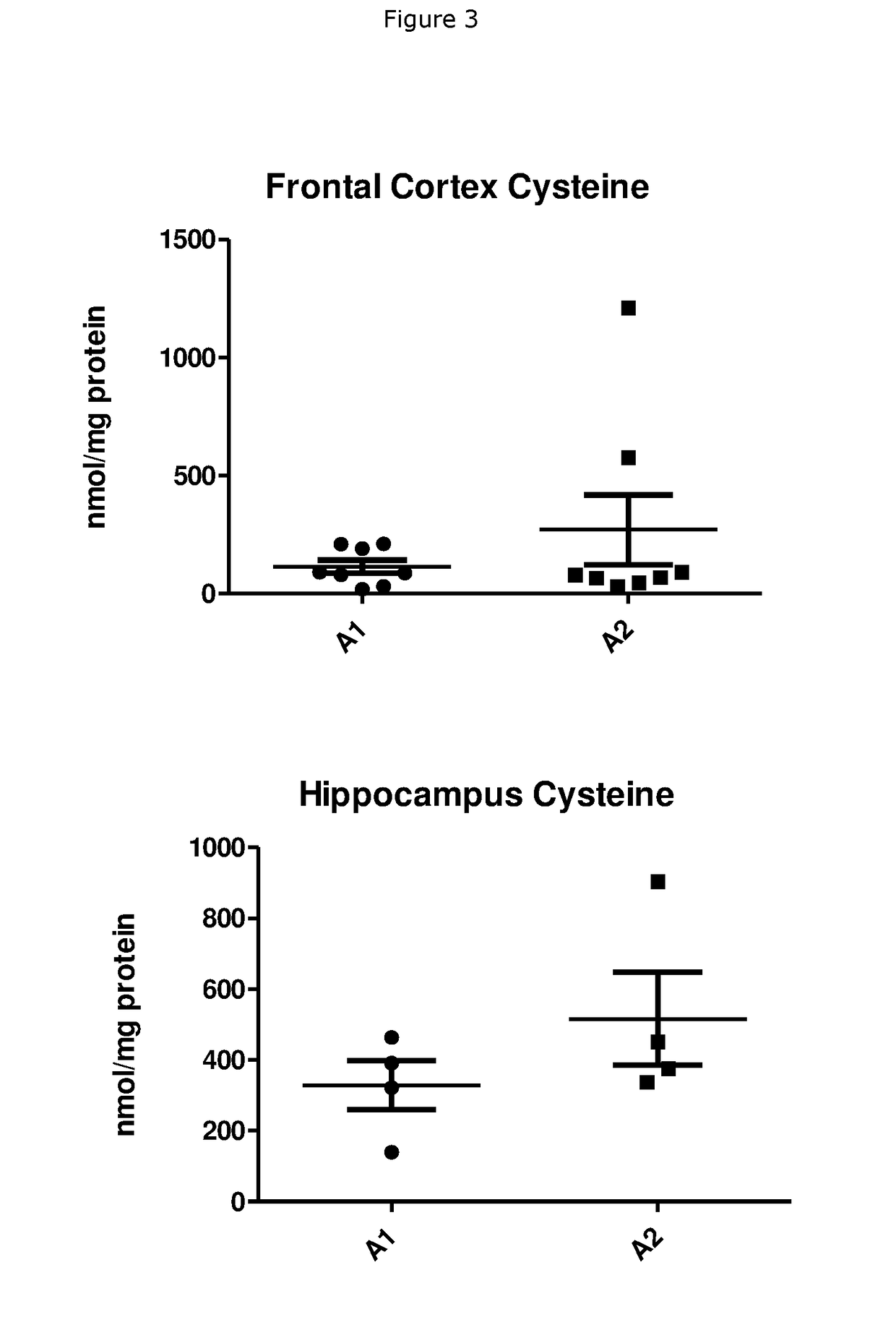
Figure 3
Abstract
Description
TECHNICAL FIELD
[0001] The invention relates to the milk protein A2 beta-casein and improving the antioxidant capacity in an animal by increasing the levels of glutathione in the body of the animal. In particular, the invention relates to milk and milk derived food products. The applicant has found that the consumption of milk and milk products that contain high levels of the A2 variant of the protein beta-casein, and / or the avoidance of milk and milk products containing the A1 variant of beta-casein, helps increase glutathione levels in the body. Regulation of glutathione levels is beneficial for the management of a number of health problems associated with low levels of antioxidants and elevated oxidative stress.BACKGROUND OF THE INVENTION
[0002] Glutathione (GSH) is an antioxidant involved in several important biochemical pathways. GSH is a thiol peptide formed from three amino acids: glutamic acid, cysteine and glycine. The sulfhydryl group (—SH) of the cysteine residue in GSH provi...
Examples
example 1
Beta-Casein A1 v. Beta-Casein A2 Consumption on Cysteine and GSH Levels in Rabbits
[0051]A total of 10 male rabbits (NZW, age- and / or weight-matched) were randomly divided into two groups and placed on rabbit feeds made with skimmed milk powder (SMP) as the main protein source for a total of 12 weeks. The total protein content was 16.8% with 60% of the protein originating from SMP, i.e. 10% of the diet consisted of milk protein. The SMP used was derived from either milk containing only the A1 variant of beta-casein (A1) or milk containing only the A2 variant of beta-casein (A2). The SMP diet was tested for palatability to prevent any issues relating to the rabbits refusing to consume the feed. At the end of the 12 week period, the rabbits were euthanised. Tissues samples were procured and stored at −80° C. until further use. The tissues were lysed using lysis buffer 1× and tissue lysates were sonicated for 15 seconds on ice. 100 μL of the sonicate was used to determine protein conten...
example 2
Beta-Casein A1 V. Beta-Casein A2 on GSH Concentrations in Plasma Samples in Humans
[0053]Eligible Chinese males or females included those aged 25-68 years who irregularly consumed milk and had self-reported intolerance to commercial milk, self-reported mild to moderate digestive discomfort after milk consumption, and had normal electrocardiograms and blood pressure during quiet respiration. A total of 21 males and 24 females with a mean±standard deviation (SD) age of 46.6±14.0 years were enrolled. Twenty-three had confirmed lactose deficiency based on the results of urinary galactose tests.
[0054]The participants consumed commercially available conventional milk containing the A1 and A2 variants of beta-casein (A1 / A2) in phase 1 or commercially available milk containing only the A2 variant of beta-casein (A2) in phase 2 (A1 / A2→A2; sequence 1), or vice versa (A2→A1 / A2; sequence 2). The ratio of A1 to A2 beta-casein in milk containing both variants of beta-casein was determined to be 42...