
Method for predicting and monitoring clinical response to immunomodulatory therapy
a clinical response and immunomodulatory therapy technology, applied in the field of immunomodulatory therapy prediction and monitoring clinical response, can solve the problems of inability to predict the efficacy/potency tool, the inability to predict the efficacy, and the inability to achieve the effect of reducing the risk of condition chronification and reducing the undesired side effects
Patent Information
- Authority / Receiving Office
- US · United States
- Patent Type
- Applications(United States)
- Current Assignee / Owner
- Publication Date
- 2018-12-27
Smart Images
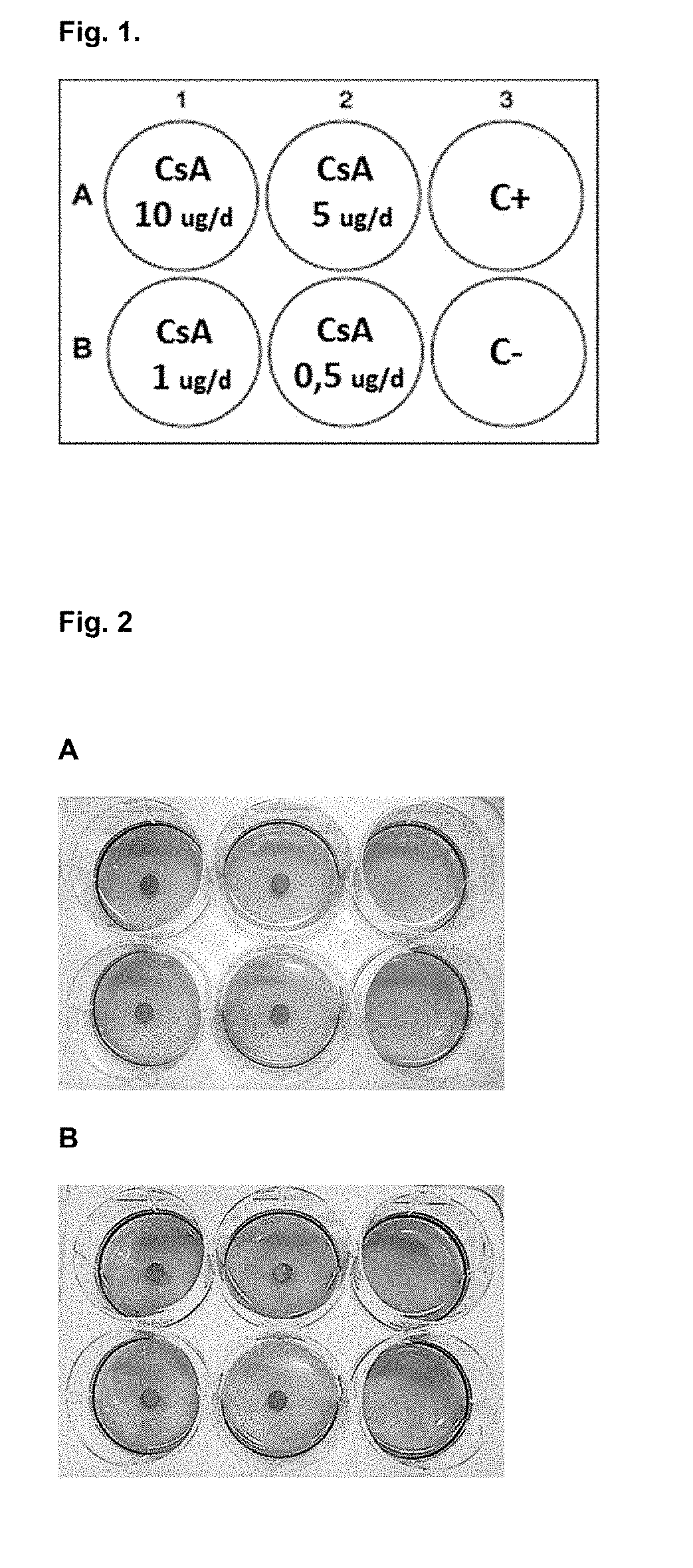
Figure 1 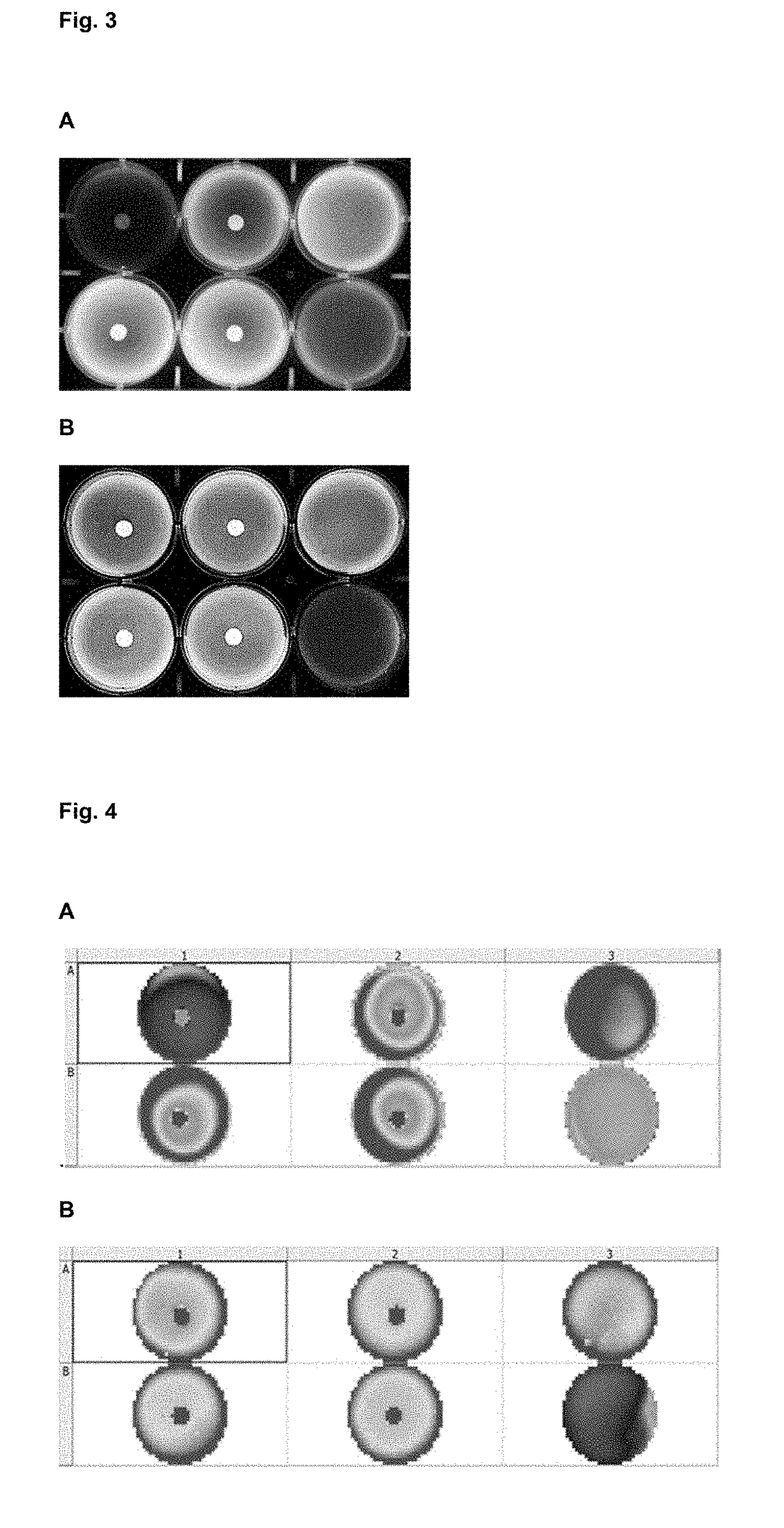
Figure 2 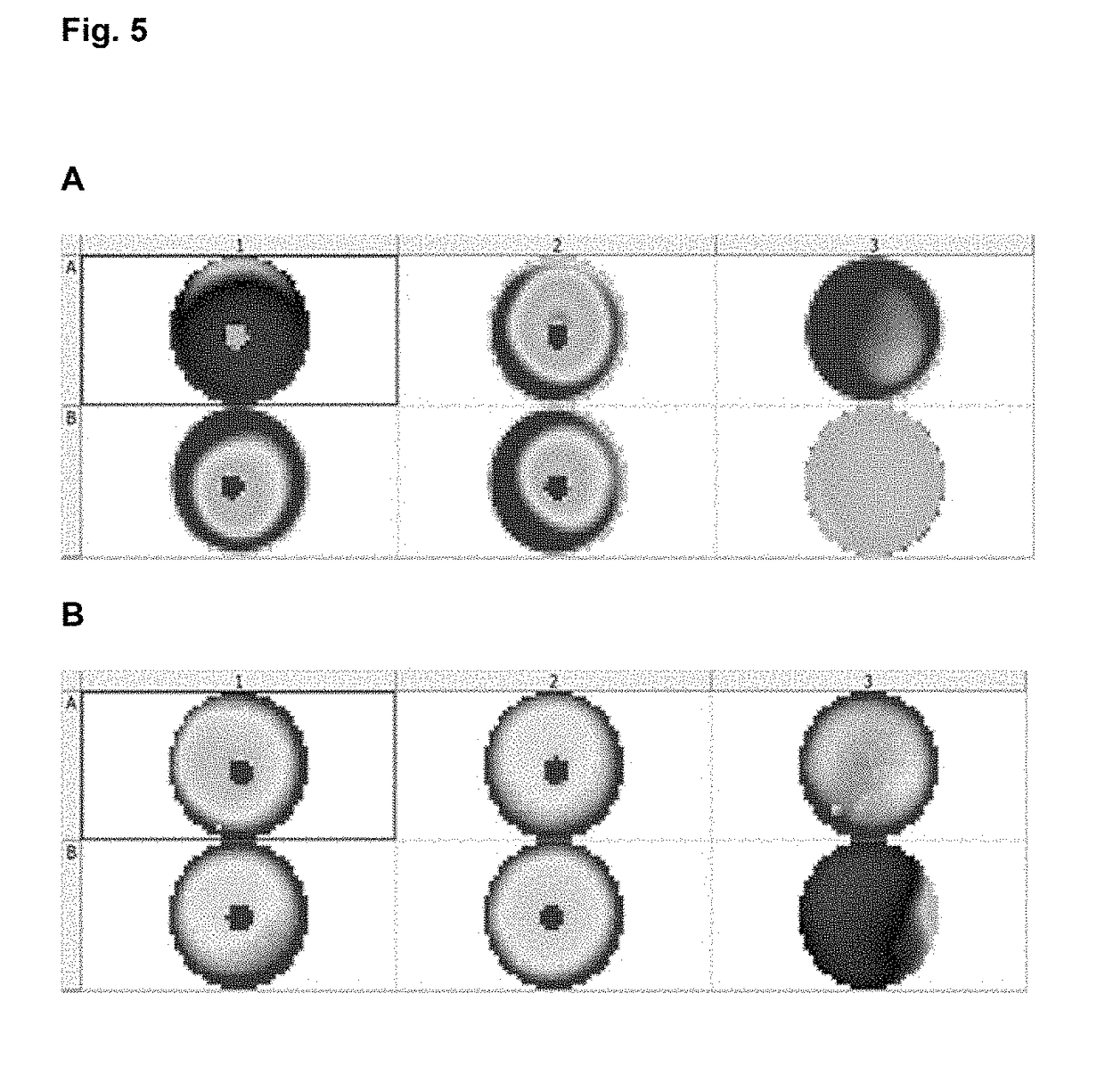
Figure 3
Abstract
Description
FIELD OF THE INVENTION
[0001] The present invention relates to a method / kit suitable for carrying out a quantitative monitoring of the specific response of different patients to immunomodulatory drugs.BACKGROUND OF THE INVENTION
[0002] There are many diseases in which the main pathogenic element is progressive chronic inflammation. Unlike the treatment of outbreaks of acute inflammation, which are easily controlled with current clinical management, the true workhorse of these diseases is to stop or reverse the process of chronic inflammation and progressive destruction of the tissue which follow successive acute outbreaks, with subsequent organ dysfunction or destruction of the affected organs with many clinical examples in this context, such as variants of progressive multiple sclerosis, rheumatoid arthritis, transplant rejection, and many others.
[0003] Chronic inflammation is associated with many human diseases, including autoimmune diseases, atherosclerosis, cancer and degeneration, a...
Examples
example 1
Disc Diffusion Assay in Semisolid Media (Agarose 0.5% and Collagen 0.3% Hydrogels)
[0213]Agarose and collagen polymeric hydrogels were prepared from concentrated stock (4% and 0.5% gr / 100 ml respectively) and diluted in cell culture medium to a final percentage of 0.5 and 0.3% gr / 100 ml respectively. Agarose stock requires previous melting at 70° C. and collagen stock requires manipulation at 4° C. till use to avoid premature gelation. Immune cells, previously isolated and counted, were immediately added and mix with the hydrogel solution at a concentration in the range of 5,00,000 cells / ml, generating homogeneous 3D cells dispersion. Both solutions became semisolid in a period of time that ranged from 30 to 90 minutes depending on temperature (RT or 37° C.) and polymer percentage. After gelation, discs with different Cyclosporine A contents were place in the centre of the wells over the hydrogel surface. After 24 hours of incubation at 37° C. and 0.5% of CO2 the resazurin solution (...
example 2
Comparative Between Different Semisolid Media
[0217]Different hydrogels compositions (agarose, methylcellulose, collagen and auto assembling peptides) and percentages where prepared in X-VIVO (Lonza) cell medium. Previously isolated PBMC (activated during 24 h with antiCD3-CD28: positive control and non-activated PBMCs: negative control) were immediately added to the hydrogel-cell medium mix at a concentration in the range of 500.000 cells / ml, generating homogeneous 3D cells dispersion. After proper time for allow gelation process (30 to 90 minutes) and additional incubation period 24 or 48 hours at 37° C. and 0.5% of CO2 the resazurin solution (Presto Blue) was added in each well in a volumetric ratio of 1:10 and further incubated for 6-20 h. Activation window between activated and non-activated PBMC depends on time, hydrogel polymer chemical composition and stiffness, understood as a proportional parameter with the polymeric fraction percentage.
[0218]As illustrated in FIG. 7, hydro...
example 3
Liquid Media Dilution Methods in Microplate Format in the Context of Specific Proliferative Inhibition of Activated PBMCs
[0223]Human PBMC were extracted for Buffy coat bags from blood bank volunteer donation using density gradient centrifugation in adequate hydrophilic isosmotic polysaccharide solutions with a density of 1.077 g / ml (Pancoll, PAN BIOTECH GmbH or Ficoll, GE Healthcare) at 760 G during 20 minutes at RT. Cells were extracted with pipette from the gradient interphase and then washed in HBSS w / o Ca, Mg and Phenol red (Lonza), and resuspended in X-VIVO 15 (Lonza) medium. Obtained cells were frozen in cryovials with serum free medium (Profreeze-CDM, Lonza) DMSO (Sigma Aldrich) 7.5% and storage until use in liquid nitrogen.
[0224]A few days later, removed vials from liquid nitrogen were immediately thawed in a 37° C. water bath for 2 minutes. When cells were nearly completely thawed, vials were swipe with 70% ethanol in sterile hood. Vial content was diluted in 37° C. pre-war...