
Sliding member
Patent Information
- Authority / Receiving Office
- US · United States
- Current Assignee / Owner
- Publication Date
- 2022-01-20
Smart Images
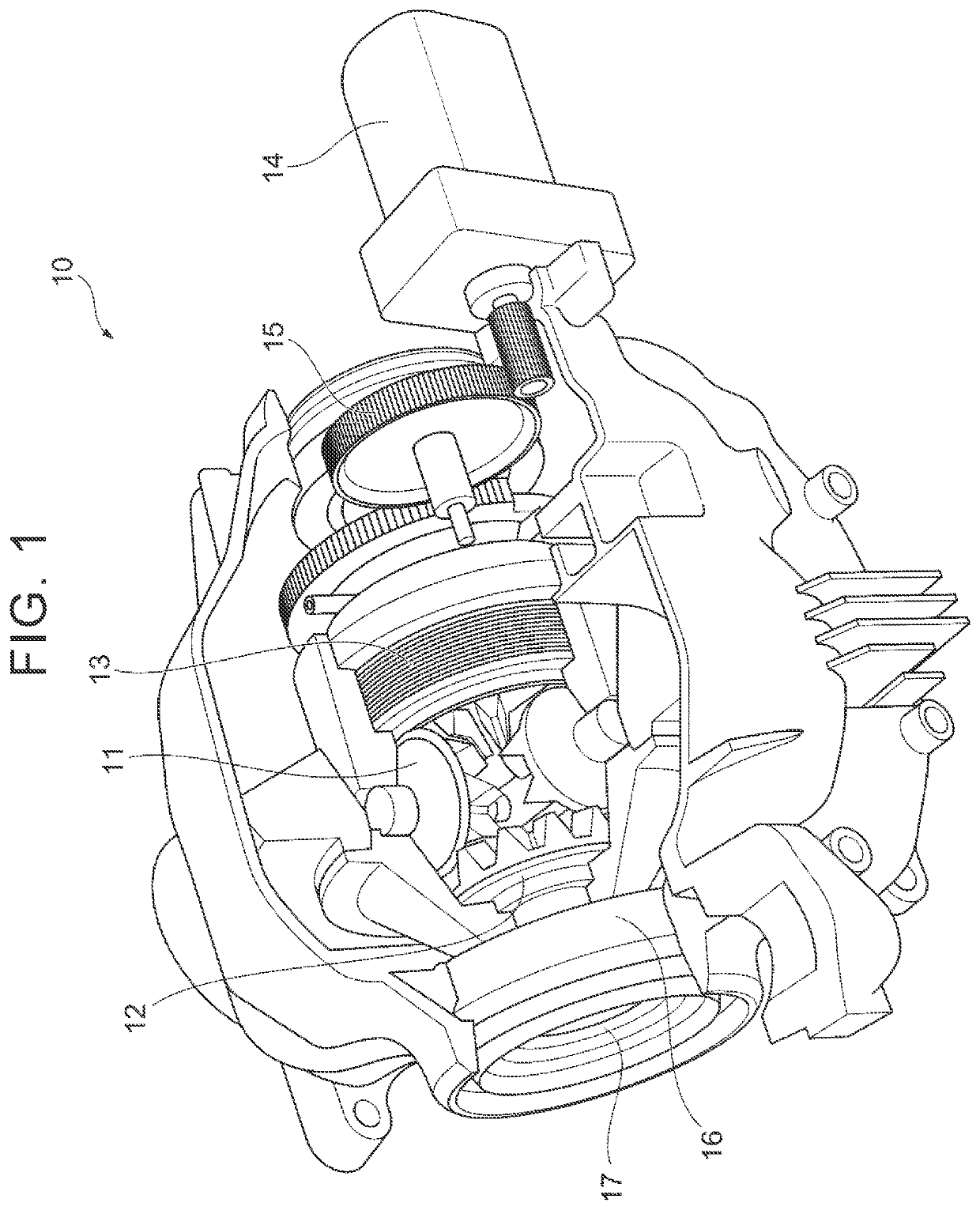
Figure 1 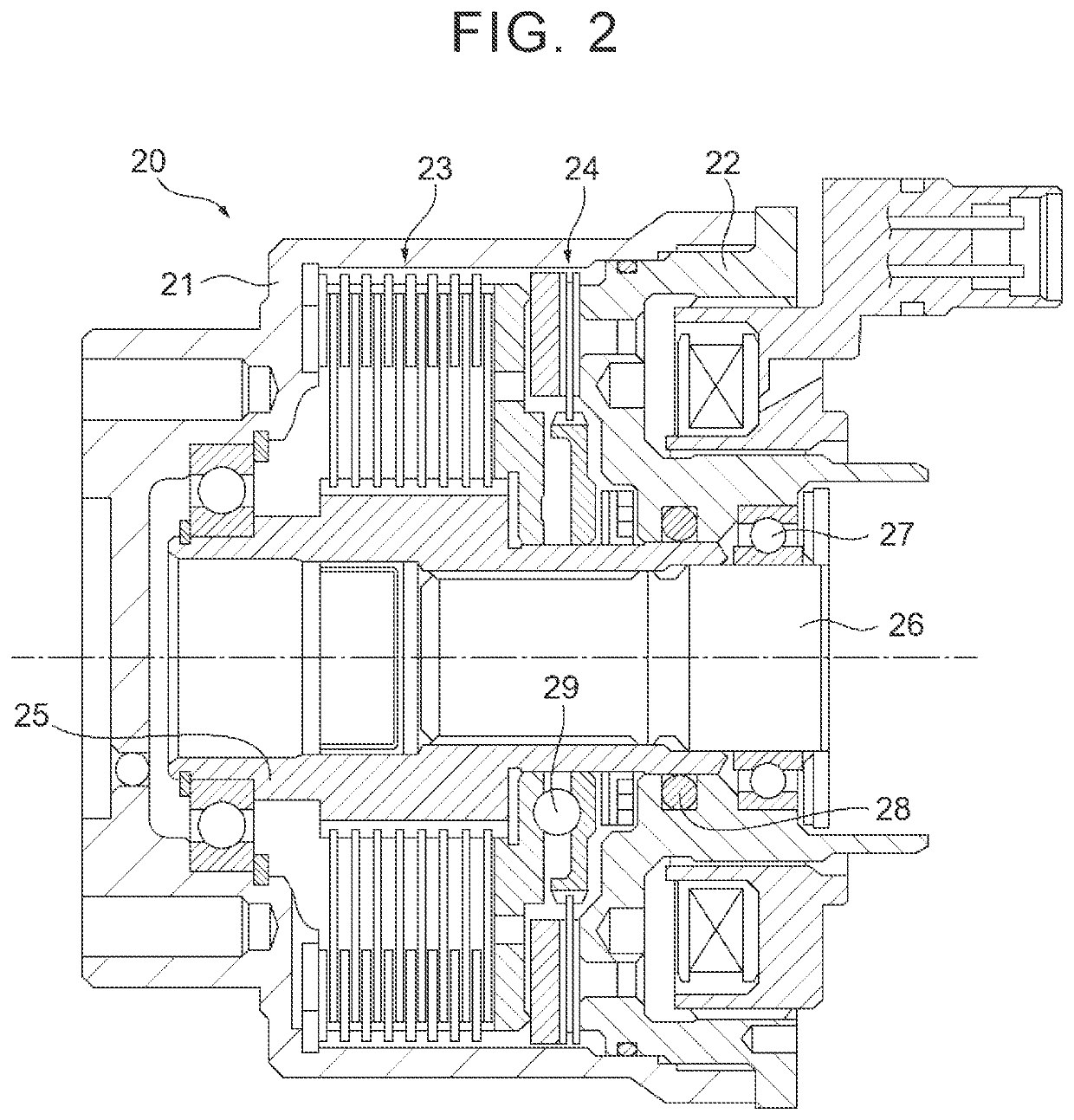
Figure 2 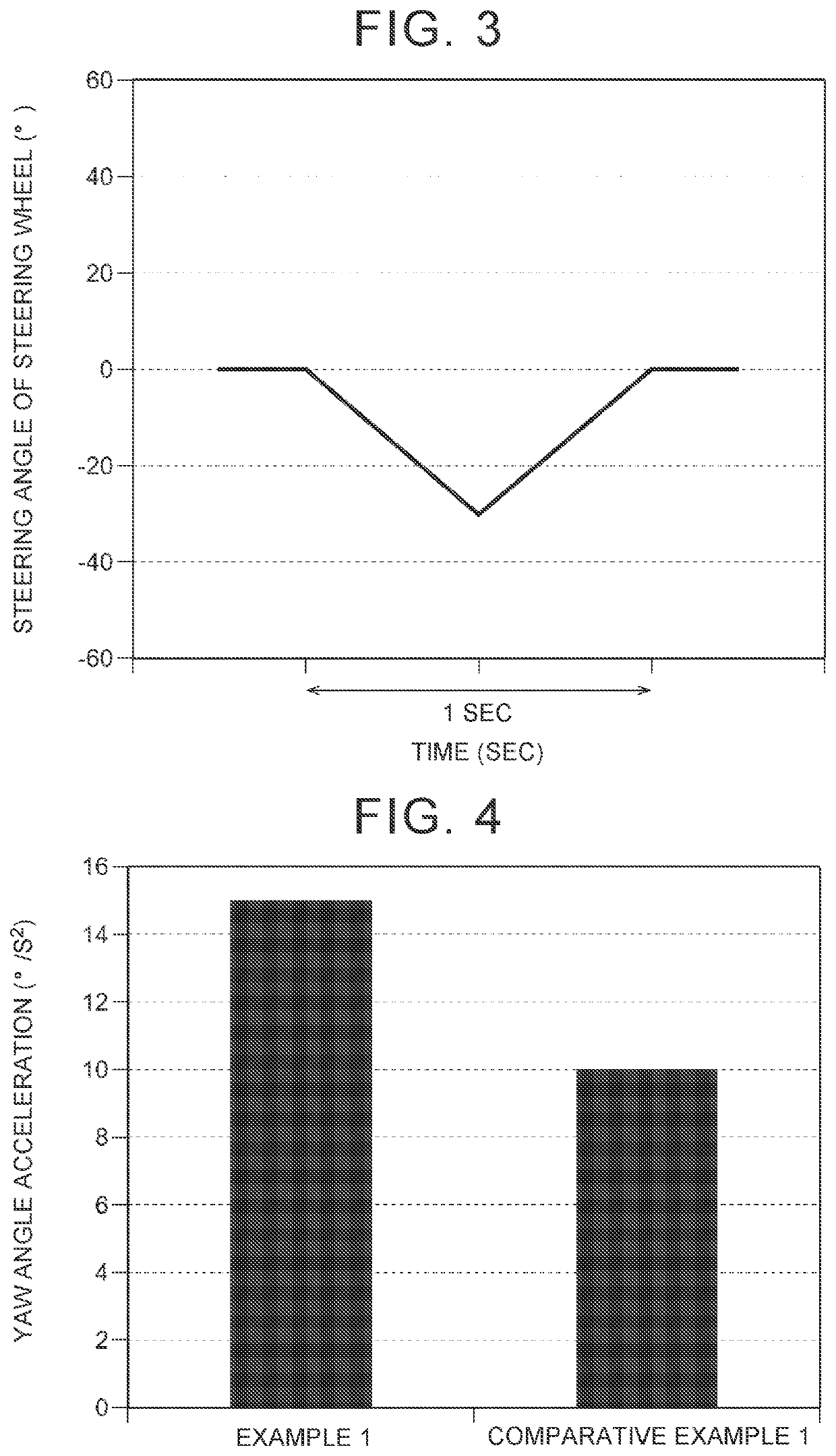
Figure 3
Abstract
Description
CROSS-REFERENCE TO RELATED APPLICATION
[0001] This application claims priority to Japanese Patent Application No. 2020-123885 filed on Jul. 20, 2020, incorporated herein by reference in its entirety.BACKGROUND1. Technical Field
[0002] The disclosure relates to sliding members.2. Description of Related Art
[0003] The body of an automobile is usually always positively charged due to the friction between the tires and the road surface caused when the automobile travels, disturbance, etc. Radio noise generated when this static charge is discharged from the body of the automobile may cause malfunction of electronic devices etc. mounted on the automobile. A technique has therefore been developed in which conductive grease is sealed in wheel bearings to remove static charge via the wheel bearings.
[0004] For example, a wheel bearing for an automobile described in Japanese Unexamined Patent Application Publication No. 2004-169862 (JP 2004-169862 A) is characterized by including: an outer bearing ri...
Examples
Embodiment Construction
, and Comparative Example 1 as measured using a discharge characteristic evaluation device.
DETAILED DESCRIPTION OF EMBODIMENTS
[0035]1. Sliding Member
[0036]Regarding a sliding member including a plurality of sliding portions, the inventors found that, by (i) placing a lubricant containing no conductive carbon in a friction sliding mechanism that is not suitable for being given conductive properties, (ii) placing a lubricant containing either substantially no conductive carbon or a small amount of conductive carbon in another friction sliding mechanism that may come into contact with the lubricant in the friction sliding mechanism that is not suitable for being given conductive properties, and (iii) placing a lubricant containing a relatively larger amount of conductive carbon than the lubricant of (ii) in still another friction sliding mechanism that does not come into contact with the lubricant in the friction sliding mechanism that is not suitable for being given conductive propert...