Advancements in Ethylene Vinyl Acetate for Medical Applications
JUL 9, 20259 MIN READ
Generate Your Research Report Instantly with AI Agent
Patsnap Eureka helps you evaluate technical feasibility & market potential.
EVA Medical Applications: Background and Objectives
Ethylene Vinyl Acetate (EVA) has emerged as a versatile polymer with significant applications in the medical field. The evolution of EVA in medical contexts can be traced back to the 1960s when its potential for biomedical use was first recognized. Since then, EVA has undergone continuous development, driven by the increasing demand for biocompatible materials in healthcare.
The primary objective of advancing EVA for medical applications is to enhance its properties to meet the stringent requirements of various medical devices and drug delivery systems. Researchers and manufacturers aim to improve EVA's biocompatibility, mechanical strength, and controlled release capabilities, making it suitable for a wider range of medical uses.
One of the key trends in EVA development is the focus on tailoring its composition to achieve specific performance characteristics. By adjusting the vinyl acetate content and molecular weight, researchers can fine-tune properties such as flexibility, transparency, and drug permeability. This customization allows for the creation of EVA formulations optimized for particular medical applications, from implantable devices to drug-eluting systems.
Another significant trend is the exploration of EVA in combination with other materials to create advanced composites. These hybrid materials often exhibit superior properties compared to EVA alone, opening up new possibilities in medical device design and functionality. For instance, EVA-based nanocomposites have shown promise in improving drug delivery efficiency and mechanical properties.
The medical industry's shift towards more sustainable and environmentally friendly materials has also influenced EVA research. Efforts are being made to develop bio-based EVA alternatives and improve the recyclability of EVA medical products, aligning with the growing emphasis on sustainability in healthcare.
Advancements in manufacturing technologies, such as 3D printing and precision extrusion, have further expanded the potential applications of EVA in medicine. These technologies enable the production of complex, patient-specific medical devices with unprecedented precision, potentially revolutionizing personalized healthcare solutions.
As we look to the future, the objectives for EVA in medical applications continue to evolve. Researchers are exploring ways to enhance EVA's antimicrobial properties, improve its long-term stability in biological environments, and develop smart EVA materials that can respond to physiological changes. These advancements aim to address current limitations and unlock new possibilities in medical device design, drug delivery, and tissue engineering.
The primary objective of advancing EVA for medical applications is to enhance its properties to meet the stringent requirements of various medical devices and drug delivery systems. Researchers and manufacturers aim to improve EVA's biocompatibility, mechanical strength, and controlled release capabilities, making it suitable for a wider range of medical uses.
One of the key trends in EVA development is the focus on tailoring its composition to achieve specific performance characteristics. By adjusting the vinyl acetate content and molecular weight, researchers can fine-tune properties such as flexibility, transparency, and drug permeability. This customization allows for the creation of EVA formulations optimized for particular medical applications, from implantable devices to drug-eluting systems.
Another significant trend is the exploration of EVA in combination with other materials to create advanced composites. These hybrid materials often exhibit superior properties compared to EVA alone, opening up new possibilities in medical device design and functionality. For instance, EVA-based nanocomposites have shown promise in improving drug delivery efficiency and mechanical properties.
The medical industry's shift towards more sustainable and environmentally friendly materials has also influenced EVA research. Efforts are being made to develop bio-based EVA alternatives and improve the recyclability of EVA medical products, aligning with the growing emphasis on sustainability in healthcare.
Advancements in manufacturing technologies, such as 3D printing and precision extrusion, have further expanded the potential applications of EVA in medicine. These technologies enable the production of complex, patient-specific medical devices with unprecedented precision, potentially revolutionizing personalized healthcare solutions.
As we look to the future, the objectives for EVA in medical applications continue to evolve. Researchers are exploring ways to enhance EVA's antimicrobial properties, improve its long-term stability in biological environments, and develop smart EVA materials that can respond to physiological changes. These advancements aim to address current limitations and unlock new possibilities in medical device design, drug delivery, and tissue engineering.
Market Analysis for Medical-Grade EVA
The medical-grade Ethylene Vinyl Acetate (EVA) market has experienced significant growth in recent years, driven by the increasing demand for advanced medical devices and pharmaceutical packaging solutions. This market segment is characterized by stringent quality requirements and regulatory standards, which have led to the development of specialized EVA formulations tailored for medical applications.
The global medical-grade EVA market is primarily segmented into two main categories: EVA for medical devices and EVA for pharmaceutical packaging. In the medical device sector, EVA is widely used in the production of disposable medical equipment, such as tubing, catheters, and drug delivery systems. The pharmaceutical packaging segment utilizes EVA in the manufacturing of blister packs, parenteral containers, and other drug storage solutions.
Market trends indicate a growing preference for EVA over traditional materials like PVC in medical applications, due to its superior flexibility, biocompatibility, and chemical resistance. This shift is particularly evident in regions with strict regulations on phthalate-containing plastics, such as Europe and North America. The Asia-Pacific region, led by China and India, is emerging as a key growth market for medical-grade EVA, driven by expanding healthcare infrastructure and increasing medical device manufacturing activities.
The market dynamics are further influenced by the rising prevalence of chronic diseases and the aging population in developed countries, which has led to an increased demand for advanced medical devices and drug delivery systems. Additionally, the COVID-19 pandemic has accelerated the adoption of EVA in medical applications, particularly in the production of personal protective equipment (PPE) and diagnostic kits.
Key market players in the medical-grade EVA sector include established chemical companies and specialized polymer manufacturers. These companies are investing heavily in research and development to enhance the properties of EVA for specific medical applications, such as improved barrier properties for drug packaging and enhanced biocompatibility for implantable devices.
The future outlook for the medical-grade EVA market remains positive, with projections indicating sustained growth over the next decade. Factors contributing to this growth include ongoing technological advancements in medical device manufacturing, increasing healthcare expenditure in emerging economies, and the continuous development of novel drug delivery systems. However, challenges such as stringent regulatory requirements and the need for extensive clinical validation may impact market entry for new players and innovative products.
The global medical-grade EVA market is primarily segmented into two main categories: EVA for medical devices and EVA for pharmaceutical packaging. In the medical device sector, EVA is widely used in the production of disposable medical equipment, such as tubing, catheters, and drug delivery systems. The pharmaceutical packaging segment utilizes EVA in the manufacturing of blister packs, parenteral containers, and other drug storage solutions.
Market trends indicate a growing preference for EVA over traditional materials like PVC in medical applications, due to its superior flexibility, biocompatibility, and chemical resistance. This shift is particularly evident in regions with strict regulations on phthalate-containing plastics, such as Europe and North America. The Asia-Pacific region, led by China and India, is emerging as a key growth market for medical-grade EVA, driven by expanding healthcare infrastructure and increasing medical device manufacturing activities.
The market dynamics are further influenced by the rising prevalence of chronic diseases and the aging population in developed countries, which has led to an increased demand for advanced medical devices and drug delivery systems. Additionally, the COVID-19 pandemic has accelerated the adoption of EVA in medical applications, particularly in the production of personal protective equipment (PPE) and diagnostic kits.
Key market players in the medical-grade EVA sector include established chemical companies and specialized polymer manufacturers. These companies are investing heavily in research and development to enhance the properties of EVA for specific medical applications, such as improved barrier properties for drug packaging and enhanced biocompatibility for implantable devices.
The future outlook for the medical-grade EVA market remains positive, with projections indicating sustained growth over the next decade. Factors contributing to this growth include ongoing technological advancements in medical device manufacturing, increasing healthcare expenditure in emerging economies, and the continuous development of novel drug delivery systems. However, challenges such as stringent regulatory requirements and the need for extensive clinical validation may impact market entry for new players and innovative products.
Current EVA Technology and Challenges in Healthcare
Ethylene Vinyl Acetate (EVA) has emerged as a versatile material in healthcare applications, offering unique properties that make it suitable for various medical devices and products. The current state of EVA technology in healthcare is characterized by its widespread use in drug delivery systems, medical packaging, and orthopedic devices. However, despite its numerous advantages, EVA faces several challenges in meeting the evolving demands of the medical industry.
One of the primary applications of EVA in healthcare is in controlled drug delivery systems. The material's biocompatibility and ability to be formulated with different drug release profiles have made it a popular choice for transdermal patches, implants, and other drug-eluting devices. Current EVA technology allows for the fine-tuning of drug release rates by adjusting the vinyl acetate content and molecular weight of the polymer. This has enabled the development of long-acting contraceptive implants and pain management patches, among other applications.
In medical packaging, EVA copolymers are widely used due to their excellent barrier properties, flexibility, and compatibility with sterilization processes. The material's ability to maintain its integrity under various environmental conditions has made it ideal for protecting sensitive medical products and devices. However, challenges remain in improving the material's resistance to certain chemicals and enhancing its long-term stability.
Orthopedic applications represent another significant area where EVA technology is currently employed. The material's shock-absorbing properties and ability to be molded into custom shapes have led to its use in prosthetic liners, orthotic insoles, and padding for medical equipment. Recent advancements have focused on improving the material's durability and enhancing its antimicrobial properties to prevent infections in long-term use scenarios.
Despite these advancements, EVA technology in healthcare faces several challenges. One of the primary concerns is the potential for leaching of additives or degradation products, which could compromise patient safety. Researchers are working on developing new formulations and processing techniques to minimize these risks and improve the material's overall biocompatibility.
Another challenge lies in enhancing the mechanical properties of EVA for more demanding medical applications. While the material's flexibility is advantageous in many scenarios, there is a need for EVA formulations with improved strength and wear resistance for applications such as load-bearing implants or high-stress medical devices.
Furthermore, the increasing focus on sustainability in healthcare has prompted the need for more environmentally friendly EVA formulations. Developing biodegradable or recyclable EVA variants without compromising performance remains a significant challenge for researchers and manufacturers in the field.
In conclusion, while EVA technology has made significant strides in healthcare applications, there are still numerous challenges to overcome. Addressing these issues will require continued research and development efforts, as well as collaboration between material scientists, medical professionals, and regulatory bodies to ensure the safe and effective use of EVA in future medical innovations.
One of the primary applications of EVA in healthcare is in controlled drug delivery systems. The material's biocompatibility and ability to be formulated with different drug release profiles have made it a popular choice for transdermal patches, implants, and other drug-eluting devices. Current EVA technology allows for the fine-tuning of drug release rates by adjusting the vinyl acetate content and molecular weight of the polymer. This has enabled the development of long-acting contraceptive implants and pain management patches, among other applications.
In medical packaging, EVA copolymers are widely used due to their excellent barrier properties, flexibility, and compatibility with sterilization processes. The material's ability to maintain its integrity under various environmental conditions has made it ideal for protecting sensitive medical products and devices. However, challenges remain in improving the material's resistance to certain chemicals and enhancing its long-term stability.
Orthopedic applications represent another significant area where EVA technology is currently employed. The material's shock-absorbing properties and ability to be molded into custom shapes have led to its use in prosthetic liners, orthotic insoles, and padding for medical equipment. Recent advancements have focused on improving the material's durability and enhancing its antimicrobial properties to prevent infections in long-term use scenarios.
Despite these advancements, EVA technology in healthcare faces several challenges. One of the primary concerns is the potential for leaching of additives or degradation products, which could compromise patient safety. Researchers are working on developing new formulations and processing techniques to minimize these risks and improve the material's overall biocompatibility.
Another challenge lies in enhancing the mechanical properties of EVA for more demanding medical applications. While the material's flexibility is advantageous in many scenarios, there is a need for EVA formulations with improved strength and wear resistance for applications such as load-bearing implants or high-stress medical devices.
Furthermore, the increasing focus on sustainability in healthcare has prompted the need for more environmentally friendly EVA formulations. Developing biodegradable or recyclable EVA variants without compromising performance remains a significant challenge for researchers and manufacturers in the field.
In conclusion, while EVA technology has made significant strides in healthcare applications, there are still numerous challenges to overcome. Addressing these issues will require continued research and development efforts, as well as collaboration between material scientists, medical professionals, and regulatory bodies to ensure the safe and effective use of EVA in future medical innovations.
Current EVA Formulations for Medical Use
01 Composition and properties of EVA
Ethylene Vinyl Acetate (EVA) is a copolymer of ethylene and vinyl acetate. It exhibits properties such as flexibility, toughness, and resistance to UV radiation and stress-cracking. The ratio of ethylene to vinyl acetate in the copolymer can be varied to adjust its properties for different applications.- Composition and properties of EVA: Ethylene Vinyl Acetate (EVA) is a copolymer of ethylene and vinyl acetate. It exhibits properties such as flexibility, toughness, and resistance to stress-cracking. The composition and ratio of ethylene to vinyl acetate can be adjusted to achieve specific material characteristics for various applications.
- EVA in adhesive applications: EVA is widely used in adhesive formulations due to its excellent adhesion properties and compatibility with various substrates. It is particularly useful in hot melt adhesives, providing good bond strength and flexibility. EVA-based adhesives find applications in packaging, bookbinding, and construction industries.
- EVA in foam and insulation materials: EVA is utilized in the production of foam and insulation materials. Its closed-cell structure and low thermal conductivity make it suitable for applications such as footwear, sports equipment, and building insulation. EVA foams offer good shock absorption and cushioning properties.
- EVA in solar panel encapsulation: EVA is commonly used as an encapsulant material in photovoltaic modules. It provides excellent transparency, weather resistance, and electrical insulation properties. EVA encapsulants help protect solar cells from environmental factors and enhance the overall performance and durability of solar panels.
- Modifications and blends of EVA: EVA can be modified or blended with other polymers to enhance its properties for specific applications. This includes crosslinking, grafting, or incorporating additives to improve characteristics such as heat resistance, flame retardancy, or mechanical strength. These modifications expand the range of applications for EVA-based materials.
02 EVA in adhesive applications
EVA is widely used in adhesive formulations due to its excellent adhesion properties and compatibility with various substrates. It is particularly useful in hot melt adhesives, where it provides good thermal stability and bonding strength. EVA-based adhesives find applications in packaging, bookbinding, and construction industries.Expand Specific Solutions03 EVA in foam and insulation materials
EVA is utilized in the production of foam and insulation materials due to its low density, good cushioning properties, and thermal insulation characteristics. It is commonly used in the manufacture of shoe soles, sports equipment padding, and building insulation materials.Expand Specific Solutions04 EVA in solar panel encapsulation
EVA is a preferred material for solar panel encapsulation due to its transparency, weather resistance, and ability to protect solar cells from environmental factors. It helps improve the durability and efficiency of photovoltaic modules by providing a protective barrier against moisture and UV radiation.Expand Specific Solutions05 Modifications and blends of EVA
EVA can be modified or blended with other materials to enhance its properties for specific applications. This includes crosslinking, grafting, and blending with other polymers or additives to improve characteristics such as heat resistance, flame retardancy, or mechanical strength.Expand Specific Solutions
Key Players in Medical-Grade EVA Production
The advancements in Ethylene Vinyl Acetate (EVA) for medical applications are occurring in a rapidly evolving market. The industry is in a growth phase, with increasing demand for EVA in various medical products. The global market size for medical-grade EVA is expanding, driven by its versatility and biocompatibility. Technologically, EVA is reaching maturity, with companies like Celanese International Corp., Grünenthal GmbH, and ARLANXEO Deutschland GmbH leading innovations. These firms are developing specialized EVA formulations for drug delivery systems, medical devices, and packaging. Research institutions such as Tianjin University and the Korea Research Institute of Bioscience & Biotechnology are contributing to advancements, focusing on enhancing EVA's properties for specific medical applications.
China Petroleum & Chemical Corp.
Technical Solution: China Petroleum & Chemical Corp. (Sinopec) has made significant advancements in Ethylene Vinyl Acetate (EVA) for medical applications. Their research focuses on developing high-performance EVA copolymers with enhanced biocompatibility and controlled drug release properties. Sinopec has successfully engineered EVA formulations with varying vinyl acetate content (18-40%) to achieve desired mechanical properties and drug permeability[1]. They have also implemented a novel crosslinking technique using electron beam irradiation, which improves the material's stability and reduces leachable components, making it more suitable for long-term implantable devices[3]. Additionally, Sinopec has developed a proprietary surface modification process that enhances the hydrophilicity of EVA, improving its compatibility with blood and reducing the risk of thrombosis in cardiovascular applications[5].
Strengths: Extensive petrochemical expertise, large-scale production capabilities, and advanced polymer engineering. Weaknesses: Relatively new entrant in medical-grade EVA market, potential regulatory hurdles in international markets.
Celanese International Corp.
Technical Solution: Celanese International Corp. has made significant strides in EVA technology for medical applications. Their VitalDose® EVA drug delivery platform represents a major advancement in controlled-release formulations. This technology allows for customizable drug release profiles by adjusting the vinyl acetate content and molecular weight of the EVA copolymer[2]. Celanese has developed a range of EVA grades (12-40% VA content) specifically tailored for medical devices and drug delivery systems. Their proprietary manufacturing process ensures ultra-low gel content and exceptional lot-to-lot consistency, critical for medical-grade materials[4]. Additionally, Celanese has introduced a novel EVA-based composite material that combines the flexibility of EVA with the barrier properties of polyethylene, offering improved moisture resistance for sensitive drug formulations[6].
Strengths: Established presence in medical polymers, extensive R&D capabilities, and strong regulatory expertise. Weaknesses: Higher production costs compared to commodity EVA manufacturers, potential supply chain vulnerabilities.
Innovations in EVA for Biocompatibility
PROCESS AND PRODUCT BIOMEMBRAN DEVICE FOR THE SLOW RELEASE OF BIOACTIVE COMPOUNDS
PatentInactiveBR102015026487A2
Innovation
- A biomembrane device made from poly[(ethylene)-co-(vinyl acetate)] (Amazônia Skin EVA) is developed, saturated with Chondroitinase ABC, allowing for a slow release of the enzyme through a complex morphology with microcompartments, ensuring a controlled diffusion pattern.
Tamper-resistant dosage form containing ethylene-vinyl acetate polymer
PatentInactiveNZ715801A
Innovation
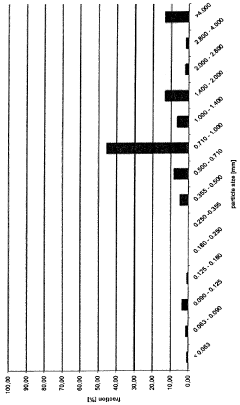
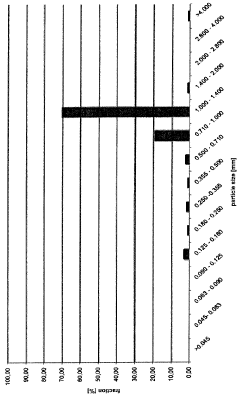
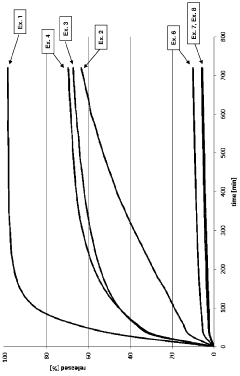
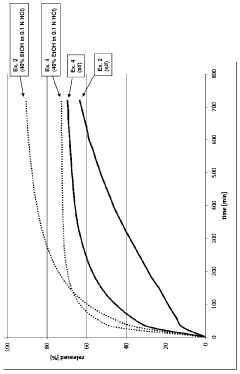
- A tamper-resistant oral dosage form is developed using an ethylene-vinyl acetate (EVA) polymer, which is thermoformed via hot-melt extrusion, providing resistance to solvent extraction, grinding, and dose-dumping in aqueous ethanol, and is designed for prolonged release of the active ingredient.
Regulatory Framework for Medical-Grade Polymers
The regulatory framework for medical-grade polymers, including Ethylene Vinyl Acetate (EVA), is a critical aspect of their development and application in the healthcare industry. These regulations ensure the safety, efficacy, and quality of medical devices and products that incorporate EVA and other polymers.
In the United States, the Food and Drug Administration (FDA) is the primary regulatory body overseeing medical-grade polymers. The FDA's Center for Devices and Radiological Health (CDRH) is responsible for regulating medical devices, including those made with EVA. Manufacturers must comply with the FDA's Quality System Regulation (QSR) and Good Manufacturing Practices (GMP) to ensure the safety and effectiveness of their products.
The European Union has implemented the Medical Device Regulation (MDR) and In Vitro Diagnostic Regulation (IVDR), which came into full effect in May 2021 and May 2022, respectively. These regulations set stringent requirements for medical devices and in vitro diagnostic products, including those containing EVA. Manufacturers must obtain CE marking to demonstrate compliance with these regulations before marketing their products in the EU.
International standards play a crucial role in the regulatory framework for medical-grade polymers. The International Organization for Standardization (ISO) has developed several standards relevant to EVA and other polymers used in medical applications. ISO 10993, for instance, provides guidelines for the biological evaluation of medical devices, including polymer-based products.
Regulatory bodies also require extensive testing and documentation for medical-grade polymers. This includes biocompatibility testing, toxicology assessments, and stability studies to ensure the safety and performance of EVA-based medical products over time. Manufacturers must maintain detailed records of their testing procedures and results to demonstrate compliance with regulatory requirements.
As advancements in EVA for medical applications continue, regulatory frameworks are evolving to keep pace with new technologies and applications. Regulatory bodies are increasingly focusing on the long-term safety and performance of medical-grade polymers, requiring manufacturers to conduct post-market surveillance and report any adverse events or product failures.
The regulatory landscape for medical-grade polymers also varies across different regions and countries. While there are efforts to harmonize regulations globally, manufacturers must navigate the specific requirements of each market they wish to enter. This often involves working closely with regulatory consultants and local authorities to ensure compliance with regional standards and regulations.
In conclusion, the regulatory framework for medical-grade polymers, including EVA, is complex and multifaceted. As the field of medical polymers continues to advance, manufacturers and researchers must stay informed about evolving regulations and work closely with regulatory bodies to ensure the safety and efficacy of their products.
In the United States, the Food and Drug Administration (FDA) is the primary regulatory body overseeing medical-grade polymers. The FDA's Center for Devices and Radiological Health (CDRH) is responsible for regulating medical devices, including those made with EVA. Manufacturers must comply with the FDA's Quality System Regulation (QSR) and Good Manufacturing Practices (GMP) to ensure the safety and effectiveness of their products.
The European Union has implemented the Medical Device Regulation (MDR) and In Vitro Diagnostic Regulation (IVDR), which came into full effect in May 2021 and May 2022, respectively. These regulations set stringent requirements for medical devices and in vitro diagnostic products, including those containing EVA. Manufacturers must obtain CE marking to demonstrate compliance with these regulations before marketing their products in the EU.
International standards play a crucial role in the regulatory framework for medical-grade polymers. The International Organization for Standardization (ISO) has developed several standards relevant to EVA and other polymers used in medical applications. ISO 10993, for instance, provides guidelines for the biological evaluation of medical devices, including polymer-based products.
Regulatory bodies also require extensive testing and documentation for medical-grade polymers. This includes biocompatibility testing, toxicology assessments, and stability studies to ensure the safety and performance of EVA-based medical products over time. Manufacturers must maintain detailed records of their testing procedures and results to demonstrate compliance with regulatory requirements.
As advancements in EVA for medical applications continue, regulatory frameworks are evolving to keep pace with new technologies and applications. Regulatory bodies are increasingly focusing on the long-term safety and performance of medical-grade polymers, requiring manufacturers to conduct post-market surveillance and report any adverse events or product failures.
The regulatory landscape for medical-grade polymers also varies across different regions and countries. While there are efforts to harmonize regulations globally, manufacturers must navigate the specific requirements of each market they wish to enter. This often involves working closely with regulatory consultants and local authorities to ensure compliance with regional standards and regulations.
In conclusion, the regulatory framework for medical-grade polymers, including EVA, is complex and multifaceted. As the field of medical polymers continues to advance, manufacturers and researchers must stay informed about evolving regulations and work closely with regulatory bodies to ensure the safety and efficacy of their products.
Environmental Impact of EVA in Healthcare
The environmental impact of Ethylene Vinyl Acetate (EVA) in healthcare is a critical consideration as the material's usage in medical applications continues to expand. EVA's versatility and biocompatibility have led to its widespread adoption in various medical devices and packaging solutions. However, this increased utilization necessitates a thorough examination of its ecological footprint throughout its lifecycle.
One of the primary environmental concerns associated with EVA in healthcare is its production process. The manufacturing of EVA involves the use of petrochemical resources, which contributes to greenhouse gas emissions and energy consumption. As the demand for EVA in medical applications grows, so does the environmental burden of its production. However, advancements in manufacturing technologies have led to more efficient processes, reducing the overall environmental impact.
The disposal of EVA-based medical products presents another significant environmental challenge. Many medical devices and packaging materials containing EVA are designed for single-use applications, contributing to the growing problem of medical waste. While EVA is theoretically recyclable, the contamination risks associated with medical waste often prevent its recycling in practice. This leads to a substantial volume of EVA-containing products ending up in landfills or being incinerated, both of which have negative environmental consequences.
On the positive side, the durability and long shelf life of EVA-based medical products can contribute to waste reduction in certain applications. For instance, EVA's use in long-lasting medical devices can decrease the frequency of replacements, potentially offsetting some of the material's environmental impact. Additionally, ongoing research into biodegradable EVA formulations shows promise for reducing the long-term environmental persistence of EVA-based medical waste.
The healthcare industry's shift towards more sustainable practices has also influenced the use of EVA. Many healthcare providers and medical device manufacturers are now prioritizing environmentally friendly materials and production methods. This has led to innovations in EVA formulations that aim to reduce its environmental footprint while maintaining its beneficial properties for medical applications.
Furthermore, the potential for EVA to replace more environmentally harmful materials in certain medical applications should be considered. For example, EVA's use as an alternative to PVC in some medical devices can lead to a reduction in the release of harmful chemicals during disposal processes. This substitution effect, while not eliminating environmental concerns entirely, can represent a net positive impact in specific scenarios.
In conclusion, while EVA offers numerous benefits in medical applications, its environmental impact in healthcare remains a complex issue. Balancing the material's advantages with its ecological consequences requires ongoing research, innovation, and commitment to sustainable practices across the healthcare industry.
One of the primary environmental concerns associated with EVA in healthcare is its production process. The manufacturing of EVA involves the use of petrochemical resources, which contributes to greenhouse gas emissions and energy consumption. As the demand for EVA in medical applications grows, so does the environmental burden of its production. However, advancements in manufacturing technologies have led to more efficient processes, reducing the overall environmental impact.
The disposal of EVA-based medical products presents another significant environmental challenge. Many medical devices and packaging materials containing EVA are designed for single-use applications, contributing to the growing problem of medical waste. While EVA is theoretically recyclable, the contamination risks associated with medical waste often prevent its recycling in practice. This leads to a substantial volume of EVA-containing products ending up in landfills or being incinerated, both of which have negative environmental consequences.
On the positive side, the durability and long shelf life of EVA-based medical products can contribute to waste reduction in certain applications. For instance, EVA's use in long-lasting medical devices can decrease the frequency of replacements, potentially offsetting some of the material's environmental impact. Additionally, ongoing research into biodegradable EVA formulations shows promise for reducing the long-term environmental persistence of EVA-based medical waste.
The healthcare industry's shift towards more sustainable practices has also influenced the use of EVA. Many healthcare providers and medical device manufacturers are now prioritizing environmentally friendly materials and production methods. This has led to innovations in EVA formulations that aim to reduce its environmental footprint while maintaining its beneficial properties for medical applications.
Furthermore, the potential for EVA to replace more environmentally harmful materials in certain medical applications should be considered. For example, EVA's use as an alternative to PVC in some medical devices can lead to a reduction in the release of harmful chemicals during disposal processes. This substitution effect, while not eliminating environmental concerns entirely, can represent a net positive impact in specific scenarios.
In conclusion, while EVA offers numerous benefits in medical applications, its environmental impact in healthcare remains a complex issue. Balancing the material's advantages with its ecological consequences requires ongoing research, innovation, and commitment to sustainable practices across the healthcare industry.
Unlock deeper insights with Patsnap Eureka Quick Research — get a full tech report to explore trends and direct your research. Try now!
Generate Your Research Report Instantly with AI Agent
Supercharge your innovation with Patsnap Eureka AI Agent Platform!