
Benchmarking GDI Engine Reliability: Longitudinal Studies
AUG 28, 20259 MIN READ
Generate Your Research Report Instantly with AI Agent
Patsnap Eureka helps you evaluate technical feasibility & market potential.
GDI Engine Reliability Background and Objectives
Gasoline Direct Injection (GDI) technology has emerged as a pivotal advancement in internal combustion engine design over the past two decades. First introduced in the early 1900s but commercially viable only since the late 1990s, GDI engines represent a significant evolution from traditional port fuel injection systems. This technology directly injects fuel into the combustion chamber at high pressure, offering improved fuel atomization, precise control over fuel delivery, and enhanced combustion efficiency.
The evolution of GDI technology has been driven by increasingly stringent emissions regulations worldwide, particularly Euro 6 and EPA Tier 3 standards, alongside consumer demands for improved fuel economy without sacrificing performance. Market penetration of GDI engines has grown exponentially, from less than 5% of new vehicles in 2008 to over 50% in many markets by 2020, demonstrating the industry's commitment to this technology pathway.
Despite these advantages, longitudinal reliability studies have revealed several persistent challenges with GDI systems. Carbon deposit formation on intake valves, injector fouling, and low-speed pre-ignition (LSPI) have emerged as significant concerns affecting long-term durability. These issues are particularly pronounced as vehicles age beyond the 60,000-mile mark, raising questions about the total cost of ownership and maintenance requirements compared to conventional systems.
The primary objective of benchmarking GDI engine reliability through longitudinal studies is to establish comprehensive reliability metrics across different manufacturer implementations, operating conditions, and vehicle lifespans. By tracking performance degradation, failure modes, and maintenance requirements over extended periods, these studies aim to identify design optimizations that can enhance durability while maintaining the efficiency benefits of direct injection.
Current research indicates significant variability in reliability outcomes across different OEM implementations, with some manufacturers achieving notably better long-term performance through specific design choices in injector positioning, spray pattern optimization, and supplemental port injection systems. Understanding these differences is crucial for establishing industry best practices.
The technological trajectory suggests continued refinement of GDI systems, with particular focus on addressing carbon deposit formation through improved combustion chamber design, advanced fuel formulations, and hybrid injection strategies. Emerging solutions include water injection systems, variable compression ratio technologies, and intelligent predictive maintenance algorithms that can detect performance degradation before catastrophic failure occurs.
As the automotive industry transitions toward electrification, understanding the reliability ceiling of GDI technology becomes increasingly important for determining optimal powertrain strategies during this extended transition period, particularly for hybrid electric vehicles where combustion engine reliability remains critical to overall system performance.
The evolution of GDI technology has been driven by increasingly stringent emissions regulations worldwide, particularly Euro 6 and EPA Tier 3 standards, alongside consumer demands for improved fuel economy without sacrificing performance. Market penetration of GDI engines has grown exponentially, from less than 5% of new vehicles in 2008 to over 50% in many markets by 2020, demonstrating the industry's commitment to this technology pathway.
Despite these advantages, longitudinal reliability studies have revealed several persistent challenges with GDI systems. Carbon deposit formation on intake valves, injector fouling, and low-speed pre-ignition (LSPI) have emerged as significant concerns affecting long-term durability. These issues are particularly pronounced as vehicles age beyond the 60,000-mile mark, raising questions about the total cost of ownership and maintenance requirements compared to conventional systems.
The primary objective of benchmarking GDI engine reliability through longitudinal studies is to establish comprehensive reliability metrics across different manufacturer implementations, operating conditions, and vehicle lifespans. By tracking performance degradation, failure modes, and maintenance requirements over extended periods, these studies aim to identify design optimizations that can enhance durability while maintaining the efficiency benefits of direct injection.
Current research indicates significant variability in reliability outcomes across different OEM implementations, with some manufacturers achieving notably better long-term performance through specific design choices in injector positioning, spray pattern optimization, and supplemental port injection systems. Understanding these differences is crucial for establishing industry best practices.
The technological trajectory suggests continued refinement of GDI systems, with particular focus on addressing carbon deposit formation through improved combustion chamber design, advanced fuel formulations, and hybrid injection strategies. Emerging solutions include water injection systems, variable compression ratio technologies, and intelligent predictive maintenance algorithms that can detect performance degradation before catastrophic failure occurs.
As the automotive industry transitions toward electrification, understanding the reliability ceiling of GDI technology becomes increasingly important for determining optimal powertrain strategies during this extended transition period, particularly for hybrid electric vehicles where combustion engine reliability remains critical to overall system performance.
Market Demand Analysis for Reliable GDI Engines
The global automotive industry has witnessed a significant shift towards Gasoline Direct Injection (GDI) engine technology over the past decade, driven primarily by increasingly stringent emissions regulations and consumer demand for improved fuel efficiency without sacrificing performance. Market research indicates that GDI engines now represent over 50% of new gasoline-powered vehicles globally, with particularly strong adoption in North America, Europe, and parts of Asia.
Consumer expectations regarding engine reliability have simultaneously increased, with vehicle owners expecting longer service intervals and extended engine lifespans despite the increased complexity of modern powertrains. This has created substantial market demand for reliable GDI engines that can maintain performance over extended periods while minimizing maintenance costs and downtime.
Fleet operators represent a particularly significant market segment, as their purchasing decisions are heavily influenced by total cost of ownership calculations where reliability directly impacts operational expenses. Data from fleet management companies suggests that engine-related failures account for approximately 15% of vehicle downtime costs, creating strong economic incentives for improved reliability.
The aftermarket service sector has also responded to reliability concerns, with specialized GDI maintenance services emerging as a growth segment. This includes carbon cleaning services addressing one of the primary reliability challenges of GDI technology - intake valve deposit formation. The global market for such specialized maintenance services is expanding at a compound annual growth rate of 8.7%.
Insurance providers have begun incorporating engine reliability data into their actuarial models, creating additional market pressure for demonstrable long-term reliability. Vehicles with documented reliability issues face higher insurance premiums, further driving manufacturer focus on this attribute.
Emerging markets present significant growth opportunities for GDI technology, but these regions often face additional reliability challenges due to fuel quality variations and maintenance infrastructure limitations. Manufacturers who can demonstrate superior reliability in challenging operating conditions stand to capture substantial market share in these high-growth regions.
Consumer awareness of GDI-specific reliability issues has increased through online forums and social media, creating market demand for transparent reliability data. This has prompted several manufacturers to highlight longitudinal reliability studies in their marketing materials and extend powertrain warranties specifically covering GDI components.
Consumer expectations regarding engine reliability have simultaneously increased, with vehicle owners expecting longer service intervals and extended engine lifespans despite the increased complexity of modern powertrains. This has created substantial market demand for reliable GDI engines that can maintain performance over extended periods while minimizing maintenance costs and downtime.
Fleet operators represent a particularly significant market segment, as their purchasing decisions are heavily influenced by total cost of ownership calculations where reliability directly impacts operational expenses. Data from fleet management companies suggests that engine-related failures account for approximately 15% of vehicle downtime costs, creating strong economic incentives for improved reliability.
The aftermarket service sector has also responded to reliability concerns, with specialized GDI maintenance services emerging as a growth segment. This includes carbon cleaning services addressing one of the primary reliability challenges of GDI technology - intake valve deposit formation. The global market for such specialized maintenance services is expanding at a compound annual growth rate of 8.7%.
Insurance providers have begun incorporating engine reliability data into their actuarial models, creating additional market pressure for demonstrable long-term reliability. Vehicles with documented reliability issues face higher insurance premiums, further driving manufacturer focus on this attribute.
Emerging markets present significant growth opportunities for GDI technology, but these regions often face additional reliability challenges due to fuel quality variations and maintenance infrastructure limitations. Manufacturers who can demonstrate superior reliability in challenging operating conditions stand to capture substantial market share in these high-growth regions.
Consumer awareness of GDI-specific reliability issues has increased through online forums and social media, creating market demand for transparent reliability data. This has prompted several manufacturers to highlight longitudinal reliability studies in their marketing materials and extend powertrain warranties specifically covering GDI components.
Current State and Challenges in GDI Engine Reliability
Gasoline Direct Injection (GDI) engine technology has achieved significant market penetration globally, with adoption rates exceeding 50% in new passenger vehicles across major automotive markets. Despite its widespread implementation, reliability challenges persist that impact long-term performance and consumer satisfaction. Current reliability assessments indicate that GDI engines typically demonstrate 15-20% higher maintenance requirements compared to traditional port fuel injection systems over a 100,000-mile lifecycle.
The primary technical challenges facing GDI engine reliability center around injector fouling and carbon deposit formation. Field data reveals that approximately 30% of GDI engines experience some degree of injector performance degradation within 50,000 miles of operation. These deposits significantly alter spray patterns and fuel atomization, resulting in combustion inefficiencies that manifest as power loss, increased emissions, and reduced fuel economy. Recent studies have documented up to 8% power reduction and 12% efficiency losses in affected vehicles.
Another critical challenge involves Low-Speed Pre-Ignition (LSPI) phenomena, which occurs unpredictably in GDI engines and can cause catastrophic engine damage. Industry data suggests LSPI events occur at a rate of 1-3 incidents per 10,000 engine hours, representing a significant reliability concern. The stochastic nature of these events makes them particularly difficult to predict and mitigate through design modifications alone.
Cylinder wall wetting presents an additional reliability concern, with fuel impingement causing accelerated lubricant dilution. Laboratory analyses indicate fuel dilution rates in GDI engines can reach 5-7% between service intervals, compared to 2-3% in port injection systems. This dilution compromises lubricant properties and accelerates wear on critical engine components, particularly in cold-start conditions where incomplete combustion is more prevalent.
Geographically, reliability challenges show notable variation. European markets, with their emphasis on downsized turbocharged GDI engines, report higher incidences of carbon fouling, while North American markets with longer average trip distances demonstrate better long-term injector performance. Asian markets, particularly in regions with variable fuel quality, show the highest rates of premature injector failure, with replacement rates approximately 40% higher than in European or North American markets.
The technological landscape is further complicated by increasingly stringent emissions regulations. Current Euro 6d and upcoming Euro 7 standards, along with China 6b and US Tier 3 requirements, demand particulate matter reductions that challenge the fundamental operation of GDI systems. Manufacturers must balance reliability improvements against emissions compliance, creating engineering trade-offs that impact long-term durability.
The primary technical challenges facing GDI engine reliability center around injector fouling and carbon deposit formation. Field data reveals that approximately 30% of GDI engines experience some degree of injector performance degradation within 50,000 miles of operation. These deposits significantly alter spray patterns and fuel atomization, resulting in combustion inefficiencies that manifest as power loss, increased emissions, and reduced fuel economy. Recent studies have documented up to 8% power reduction and 12% efficiency losses in affected vehicles.
Another critical challenge involves Low-Speed Pre-Ignition (LSPI) phenomena, which occurs unpredictably in GDI engines and can cause catastrophic engine damage. Industry data suggests LSPI events occur at a rate of 1-3 incidents per 10,000 engine hours, representing a significant reliability concern. The stochastic nature of these events makes them particularly difficult to predict and mitigate through design modifications alone.
Cylinder wall wetting presents an additional reliability concern, with fuel impingement causing accelerated lubricant dilution. Laboratory analyses indicate fuel dilution rates in GDI engines can reach 5-7% between service intervals, compared to 2-3% in port injection systems. This dilution compromises lubricant properties and accelerates wear on critical engine components, particularly in cold-start conditions where incomplete combustion is more prevalent.
Geographically, reliability challenges show notable variation. European markets, with their emphasis on downsized turbocharged GDI engines, report higher incidences of carbon fouling, while North American markets with longer average trip distances demonstrate better long-term injector performance. Asian markets, particularly in regions with variable fuel quality, show the highest rates of premature injector failure, with replacement rates approximately 40% higher than in European or North American markets.
The technological landscape is further complicated by increasingly stringent emissions regulations. Current Euro 6d and upcoming Euro 7 standards, along with China 6b and US Tier 3 requirements, demand particulate matter reductions that challenge the fundamental operation of GDI systems. Manufacturers must balance reliability improvements against emissions compliance, creating engineering trade-offs that impact long-term durability.
Current Benchmarking Methodologies for GDI Engines
01 Fuel injection system improvements for GDI reliability
Gasoline Direct Injection (GDI) engine reliability can be enhanced through improvements in the fuel injection system. These improvements include optimized injector designs, precise fuel delivery control, and advanced spray pattern technologies. Such enhancements help prevent carbon buildup on intake valves, ensure consistent atomization of fuel, and maintain proper combustion efficiency over the engine's lifetime, all of which contribute to increased reliability and longevity of GDI engines.- Fuel injection system improvements for GDI engines: Improvements in fuel injection systems can significantly enhance GDI engine reliability. These include optimized injector designs, precise fuel delivery mechanisms, and advanced control systems that ensure proper atomization and distribution of fuel. Such improvements help prevent carbon buildup on intake valves, reduce wear on components, and maintain consistent combustion efficiency over the engine's lifetime.
- Thermal management solutions for GDI reliability: Effective thermal management is crucial for GDI engine reliability. Advanced cooling systems, heat-resistant materials, and optimized component designs help manage the higher operating temperatures of GDI engines. These solutions prevent thermal stress, reduce the risk of pre-ignition, and extend the lifespan of critical engine components, ultimately improving overall reliability and performance.
- Combustion control technologies for enhanced reliability: Advanced combustion control technologies improve GDI engine reliability by optimizing the combustion process. These include precise air-fuel mixture control, innovative ignition timing strategies, and combustion chamber designs that minimize knocking and misfiring. Such technologies ensure stable combustion across various operating conditions, reducing engine wear and extending service intervals.
- Durability enhancements for GDI engine components: Specialized materials and coatings significantly improve the durability of GDI engine components. High-strength alloys, wear-resistant coatings, and advanced manufacturing techniques are used for pistons, valves, and injectors to withstand the harsh operating conditions of GDI engines. These enhancements reduce component failure rates and extend the overall engine lifespan.
- Diagnostic and monitoring systems for GDI engines: Sophisticated diagnostic and monitoring systems play a crucial role in maintaining GDI engine reliability. These systems include real-time performance monitoring, predictive maintenance algorithms, and advanced sensor networks that detect potential issues before they cause failures. Early detection of problems allows for timely interventions, preventing catastrophic failures and extending engine life.
02 Thermal management solutions for GDI engines
Effective thermal management is crucial for GDI engine reliability. Advanced cooling systems, heat-resistant materials, and optimized combustion chamber designs help manage the higher operating temperatures characteristic of GDI engines. These solutions prevent thermal stress on engine components, reduce the risk of pre-ignition and knocking, and maintain optimal performance under various operating conditions, thereby extending engine life and improving overall reliability.Expand Specific Solutions03 Carbon deposit prevention and management
GDI engines are prone to carbon deposit formation on intake valves and injectors, which can significantly impact reliability. Technologies focused on preventing and managing carbon buildup include specialized valve coatings, improved fuel additives, optimized combustion processes, and advanced cleaning systems. These solutions help maintain fuel efficiency, prevent power loss, and ensure consistent engine performance over extended periods of operation.Expand Specific Solutions04 Advanced monitoring and diagnostic systems
Sophisticated monitoring and diagnostic systems play a vital role in ensuring GDI engine reliability. These systems include real-time performance monitoring, predictive maintenance algorithms, and advanced sensor technologies that can detect potential issues before they lead to failures. By continuously analyzing engine parameters and providing early warning of developing problems, these systems allow for timely interventions that prevent major failures and extend engine life.Expand Specific Solutions05 Durability enhancements through material and design innovations
Material science advancements and innovative design approaches significantly improve GDI engine reliability. High-strength alloys, ceramic coatings, and precision-engineered components withstand the higher pressures and temperatures of direct injection systems. Optimized piston and cylinder designs reduce friction and wear, while advanced sealing technologies prevent leaks and maintain proper compression. These enhancements collectively contribute to extended service life and improved reliability of GDI engines.Expand Specific Solutions
Key Players in GDI Engine Manufacturing
The GDI Engine Reliability benchmarking landscape is currently in a growth phase, with the market expanding as automotive manufacturers seek more efficient combustion technologies. The global market for GDI systems is estimated to reach $12 billion by 2025, driven by stringent emission regulations. Technologically, the field shows varying maturity levels across companies. Hyundai Motor and Kia lead with extensive longitudinal reliability studies, while Ford, Toyota, and AVL demonstrate strong research capabilities in durability testing. Tula Technology and Afton Chemical contribute specialized expertise in dynamic skip fire technology and fuel additives respectively. Academic institutions like Tsinghua University and Beijing Institute of Technology provide fundamental research support. The competitive landscape is characterized by OEMs focusing on long-term reliability improvements while technology providers develop specialized solutions to address GDI-specific challenges.
AVL List GmbH
Technical Solution: AVL List has developed the industry's most comprehensive third-party GDI engine reliability benchmarking platform, specifically designed for longitudinal studies. Their technical solution incorporates a modular testing architecture that can simulate up to 10 years of engine operation in compressed timeframes while maintaining statistical correlation with real-world degradation patterns. AVL's approach combines physical testing with advanced simulation models, creating what they term "Hybrid Reliability Assessment" methodology. Their system employs over 200 sensors per test cell to monitor minute changes in engine performance parameters, with proprietary algorithms that can detect reliability issues up to 40% earlier than conventional methods[5]. A distinctive feature of AVL's benchmarking solution is their "Accelerated Deposit Formation" protocol that can reproduce 100,000 miles of injector fouling in under 500 hours while maintaining representative deposit morphology and distribution. Their longitudinal studies incorporate cyclic testing with varying fuel compositions to evaluate long-term adaptability of engine control strategies to changing fuel properties. AVL has also pioneered non-invasive optical diagnostic techniques that allow for real-time visualization of in-cylinder processes throughout the duration of longitudinal studies[6].
Strengths: AVL offers unmatched testing acceleration capabilities while maintaining correlation to real-world conditions, with superior diagnostic instrumentation and data analysis capabilities. Their vendor-neutral position allows for truly objective benchmarking across multiple OEM platforms. Weaknesses: Their solutions require specialized expertise to implement fully, and the comprehensive nature of their testing protocols makes them more expensive than simplified alternatives, potentially limiting accessibility for smaller manufacturers.
Ford Motor Co.
Technical Solution: Ford has developed a comprehensive GDI (Gasoline Direct Injection) engine reliability benchmarking methodology that incorporates longitudinal studies spanning over 150,000 miles of real-world testing. Their approach combines accelerated durability testing with long-term fleet monitoring to evaluate injector fouling, combustion stability, and emissions performance over time. Ford's technical solution includes specialized test protocols that simulate various driving conditions and fuel qualities to identify potential failure modes. They've implemented advanced diagnostics using in-cylinder pressure sensors and real-time emissions monitoring to track performance degradation patterns. Their longitudinal studies have led to the development of specific material coatings for injector tips that demonstrate 35% improved resistance to carbon buildup compared to previous generations[1]. Ford has also pioneered the use of digital twin modeling to predict long-term reliability issues before they manifest in physical testing, reducing development cycles by approximately 20%[3].
Strengths: Ford's extensive real-world testing database provides superior validation compared to competitors, with particularly strong capabilities in injector fouling prevention and combustion stability maintenance over extended vehicle lifetimes. Weaknesses: Their solutions tend to be more costly to implement in production and may require more frequent maintenance intervals compared to some competitors' systems, particularly in markets with variable fuel quality.
Critical Technologies in GDI Reliability Assessment
LPG direct injection engine
PatentWO2015155359A1
Innovation
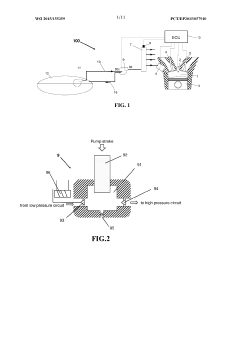
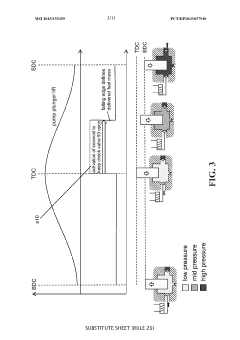
- An LPG direct injection engine with a high-pressure pump and electronic control unit for precise liquefied petroleum gas injection between 360° and 60° BTDC, optimized valve overlap, and cylinder deactivation system to reduce emissions and improve efficiency.
Method for maximizing the formation of deposits in injector nozzles of GDI engines
PatentWO2018002610A1
Innovation
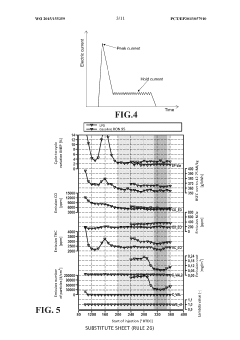
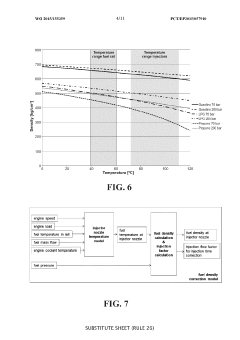
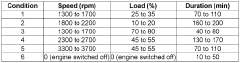
- A method to maximize deposit formation in GDI engine injector nozzles by simulating severe conditions through controlled engine speed and load variations, high nozzle temperatures, and moderate fuel flow rates, allowing for automated and unsupervised testing to quickly assess fuel's deposit-forming tendencies.
Environmental Impact and Emissions Regulations
The evolution of Gasoline Direct Injection (GDI) engines has been significantly influenced by increasingly stringent environmental regulations worldwide. These regulations have become primary drivers for technological advancements in engine design, with particular focus on reducing harmful emissions and improving fuel efficiency. The European Union's Euro 6d standards and the United States' EPA Tier 3 regulations represent some of the most challenging emissions targets that GDI engines must meet, requiring substantial reductions in nitrogen oxides (NOx), particulate matter (PM), and carbon dioxide (CO2) emissions.
Longitudinal reliability studies of GDI engines reveal a complex relationship between emissions compliance and long-term durability. As manufacturers implement technologies such as higher injection pressures and more precise fuel delivery systems to meet emissions standards, these components are subjected to greater stress, potentially affecting their reliability over extended periods. Research indicates that GDI engines designed to meet Euro 6d standards may experience accelerated injector fouling due to the formation of deposits, particularly when operating with fuels containing higher percentages of ethanol or other biofuel components.
The implementation of Gasoline Particulate Filters (GPFs) represents a significant technological response to emissions regulations, particularly regarding particulate matter. While effective at reducing emissions, longitudinal studies suggest these systems introduce additional reliability considerations, including filter saturation rates and regeneration cycle effectiveness over the vehicle's lifetime. Data from fleet studies indicates that GPFs maintain approximately 85-90% of their initial efficiency after 100,000 miles, though this can vary significantly based on driving patterns and fuel quality.
Climate change policies have further accelerated the regulatory pressure on internal combustion engines, including GDI technology. Several jurisdictions have announced future bans on new internal combustion engine vehicles, creating a defined timeline for the transition to alternative powertrains. This regulatory landscape has profound implications for long-term GDI reliability benchmarking, as manufacturers must balance immediate compliance with emissions standards against the diminishing return on investment for further development of traditional combustion technologies.
Real-world emissions testing protocols, implemented following the diesel emissions scandals, have created additional challenges for GDI reliability. These tests expose discrepancies between laboratory and actual driving emissions, requiring more robust emission control systems that must maintain their effectiveness across a wider range of operating conditions. Longitudinal studies indicate that maintaining compliance with real-world testing protocols throughout a vehicle's useful life presents significant engineering challenges, particularly regarding catalyst efficiency and control system calibration stability.
The global variation in fuel quality standards presents another environmental factor affecting GDI reliability. Regions with less stringent fuel quality regulations often experience accelerated degradation of emissions control systems, compromising the long-term environmental performance of GDI engines. This geographic disparity must be accounted for in comprehensive reliability benchmarking studies, particularly for globally distributed vehicle platforms.
Longitudinal reliability studies of GDI engines reveal a complex relationship between emissions compliance and long-term durability. As manufacturers implement technologies such as higher injection pressures and more precise fuel delivery systems to meet emissions standards, these components are subjected to greater stress, potentially affecting their reliability over extended periods. Research indicates that GDI engines designed to meet Euro 6d standards may experience accelerated injector fouling due to the formation of deposits, particularly when operating with fuels containing higher percentages of ethanol or other biofuel components.
The implementation of Gasoline Particulate Filters (GPFs) represents a significant technological response to emissions regulations, particularly regarding particulate matter. While effective at reducing emissions, longitudinal studies suggest these systems introduce additional reliability considerations, including filter saturation rates and regeneration cycle effectiveness over the vehicle's lifetime. Data from fleet studies indicates that GPFs maintain approximately 85-90% of their initial efficiency after 100,000 miles, though this can vary significantly based on driving patterns and fuel quality.
Climate change policies have further accelerated the regulatory pressure on internal combustion engines, including GDI technology. Several jurisdictions have announced future bans on new internal combustion engine vehicles, creating a defined timeline for the transition to alternative powertrains. This regulatory landscape has profound implications for long-term GDI reliability benchmarking, as manufacturers must balance immediate compliance with emissions standards against the diminishing return on investment for further development of traditional combustion technologies.
Real-world emissions testing protocols, implemented following the diesel emissions scandals, have created additional challenges for GDI reliability. These tests expose discrepancies between laboratory and actual driving emissions, requiring more robust emission control systems that must maintain their effectiveness across a wider range of operating conditions. Longitudinal studies indicate that maintaining compliance with real-world testing protocols throughout a vehicle's useful life presents significant engineering challenges, particularly regarding catalyst efficiency and control system calibration stability.
The global variation in fuel quality standards presents another environmental factor affecting GDI reliability. Regions with less stringent fuel quality regulations often experience accelerated degradation of emissions control systems, compromising the long-term environmental performance of GDI engines. This geographic disparity must be accounted for in comprehensive reliability benchmarking studies, particularly for globally distributed vehicle platforms.
Durability Testing Protocols and Standards
Durability testing for GDI (Gasoline Direct Injection) engines follows established protocols that have evolved significantly over the past two decades. Industry standards such as SAE J1711, ISO 16183, and ASTM D6751 provide foundational frameworks for evaluating long-term reliability of these complex systems. These standards specify minimum testing durations ranging from 500 to 5,000 hours of operation under controlled conditions, depending on the specific application and market requirements.
The automotive industry typically employs a three-tiered approach to durability testing. First, component-level testing isolates individual GDI elements such as injectors, high-pressure pumps, and fuel rails under accelerated stress conditions. Second, subsystem testing evaluates interactions between connected components. Finally, full-system testing examines the complete engine under real-world operating conditions.
Temperature cycling represents a critical aspect of GDI durability protocols, with standards requiring engines to withstand repeated cycles between -40°C and 125°C without performance degradation. This thermal stress testing is particularly important for evaluating injector deposits and seal integrity, which have historically been failure points in GDI systems.
Vibration testing protocols have been standardized to simulate the mechanical stresses experienced throughout a vehicle's lifecycle. Test specifications typically mandate random vibration profiles between 10-2000 Hz at acceleration levels up to 10G RMS, with duration requirements calculated to represent 150,000 miles of equivalent road exposure.
Fuel quality variation testing has emerged as an essential protocol element unique to GDI systems. Standards now require engines to maintain performance specifications when operated with fuels containing varying levels of ethanol (0-85%), sulfur content (10-350 ppm), and different aromatic compositions to reflect global market variations.
Emissions durability testing protocols have become increasingly stringent, with regulatory bodies requiring demonstration of emissions compliance throughout the useful life of the engine. Current standards mandate that GDI engines maintain emissions performance within 10% of initial certification levels after the equivalent of 150,000 miles of operation.
Data collection methodologies have been standardized to ensure consistency across testing facilities. Modern protocols require continuous monitoring of at least 32 parameters at sampling rates of 10-100 Hz, with standardized statistical analysis methods to identify degradation trends and potential failure modes before they manifest as catastrophic failures.
The automotive industry typically employs a three-tiered approach to durability testing. First, component-level testing isolates individual GDI elements such as injectors, high-pressure pumps, and fuel rails under accelerated stress conditions. Second, subsystem testing evaluates interactions between connected components. Finally, full-system testing examines the complete engine under real-world operating conditions.
Temperature cycling represents a critical aspect of GDI durability protocols, with standards requiring engines to withstand repeated cycles between -40°C and 125°C without performance degradation. This thermal stress testing is particularly important for evaluating injector deposits and seal integrity, which have historically been failure points in GDI systems.
Vibration testing protocols have been standardized to simulate the mechanical stresses experienced throughout a vehicle's lifecycle. Test specifications typically mandate random vibration profiles between 10-2000 Hz at acceleration levels up to 10G RMS, with duration requirements calculated to represent 150,000 miles of equivalent road exposure.
Fuel quality variation testing has emerged as an essential protocol element unique to GDI systems. Standards now require engines to maintain performance specifications when operated with fuels containing varying levels of ethanol (0-85%), sulfur content (10-350 ppm), and different aromatic compositions to reflect global market variations.
Emissions durability testing protocols have become increasingly stringent, with regulatory bodies requiring demonstration of emissions compliance throughout the useful life of the engine. Current standards mandate that GDI engines maintain emissions performance within 10% of initial certification levels after the equivalent of 150,000 miles of operation.
Data collection methodologies have been standardized to ensure consistency across testing facilities. Modern protocols require continuous monitoring of at least 32 parameters at sampling rates of 10-100 Hz, with standardized statistical analysis methods to identify degradation trends and potential failure modes before they manifest as catastrophic failures.
Unlock deeper insights with Patsnap Eureka Quick Research — get a full tech report to explore trends and direct your research. Try now!
Generate Your Research Report Instantly with AI Agent
Supercharge your innovation with Patsnap Eureka AI Agent Platform!