Designing Ethyl Propanoate for Enhanced Nutraceutical Delivery
JUL 22, 20259 MIN READ
Generate Your Research Report Instantly with AI Agent
Patsnap Eureka helps you evaluate technical feasibility & market potential.
Ethyl Propanoate Background and Objectives
Ethyl propanoate, also known as ethyl propionate, is a naturally occurring ester with a fruity odor reminiscent of pineapple. Its historical use in the food and fragrance industries has paved the way for its potential application in nutraceutical delivery systems. The evolution of this compound's utilization has been driven by the increasing demand for effective and safe delivery mechanisms for bioactive compounds in the nutraceutical sector.
The field of nutraceutical delivery has seen significant advancements in recent years, with a growing focus on enhancing bioavailability and targeted release of active ingredients. Ethyl propanoate's unique chemical properties, including its low molecular weight and lipophilic nature, position it as a promising candidate for improving the delivery of various nutraceutical compounds.
The primary objective of designing ethyl propanoate for enhanced nutraceutical delivery is to leverage its inherent characteristics to overcome common challenges in nutraceutical formulations. These challenges include poor solubility, limited absorption, and rapid metabolism of bioactive compounds. By optimizing the structure and properties of ethyl propanoate, researchers aim to develop more efficient delivery systems that can improve the bioavailability and efficacy of nutraceuticals.
One of the key technological trends in this field is the development of nano-emulsion systems incorporating ethyl propanoate as a carrier or co-solvent. These systems have shown potential in enhancing the solubility and permeability of poorly water-soluble nutraceuticals, thereby improving their absorption in the gastrointestinal tract.
Another emerging trend is the exploration of ethyl propanoate-based microencapsulation techniques. These techniques aim to protect sensitive nutraceutical compounds from degradation during storage and digestion, while also providing controlled release properties. The versatility of ethyl propanoate in forming stable emulsions and its compatibility with various polymers make it an attractive option for such applications.
The technological goals in this field extend beyond mere delivery enhancement. Researchers are also focusing on developing ethyl propanoate-based systems that can target specific sites in the body, such as the colon or brain, for optimal nutraceutical efficacy. This involves designing complex formulations that can respond to specific physiological conditions or external stimuli.
As the nutraceutical industry continues to grow, the demand for innovative delivery systems is expected to rise. The development of ethyl propanoate-based technologies for nutraceutical delivery aligns with the broader trend towards personalized nutrition and precision health. This technological evolution aims to bridge the gap between traditional dietary supplements and pharmaceutical-grade formulations, potentially revolutionizing the way we approach preventive healthcare and wellness.
The field of nutraceutical delivery has seen significant advancements in recent years, with a growing focus on enhancing bioavailability and targeted release of active ingredients. Ethyl propanoate's unique chemical properties, including its low molecular weight and lipophilic nature, position it as a promising candidate for improving the delivery of various nutraceutical compounds.
The primary objective of designing ethyl propanoate for enhanced nutraceutical delivery is to leverage its inherent characteristics to overcome common challenges in nutraceutical formulations. These challenges include poor solubility, limited absorption, and rapid metabolism of bioactive compounds. By optimizing the structure and properties of ethyl propanoate, researchers aim to develop more efficient delivery systems that can improve the bioavailability and efficacy of nutraceuticals.
One of the key technological trends in this field is the development of nano-emulsion systems incorporating ethyl propanoate as a carrier or co-solvent. These systems have shown potential in enhancing the solubility and permeability of poorly water-soluble nutraceuticals, thereby improving their absorption in the gastrointestinal tract.
Another emerging trend is the exploration of ethyl propanoate-based microencapsulation techniques. These techniques aim to protect sensitive nutraceutical compounds from degradation during storage and digestion, while also providing controlled release properties. The versatility of ethyl propanoate in forming stable emulsions and its compatibility with various polymers make it an attractive option for such applications.
The technological goals in this field extend beyond mere delivery enhancement. Researchers are also focusing on developing ethyl propanoate-based systems that can target specific sites in the body, such as the colon or brain, for optimal nutraceutical efficacy. This involves designing complex formulations that can respond to specific physiological conditions or external stimuli.
As the nutraceutical industry continues to grow, the demand for innovative delivery systems is expected to rise. The development of ethyl propanoate-based technologies for nutraceutical delivery aligns with the broader trend towards personalized nutrition and precision health. This technological evolution aims to bridge the gap between traditional dietary supplements and pharmaceutical-grade formulations, potentially revolutionizing the way we approach preventive healthcare and wellness.
Nutraceutical Market Analysis
The nutraceutical market has experienced significant growth in recent years, driven by increasing consumer awareness of health and wellness, aging populations, and a shift towards preventive healthcare. The global nutraceutical market was valued at approximately $267 billion in 2019 and is projected to reach $486 billion by 2027, growing at a CAGR of 8.3% during the forecast period.
Ethyl propanoate, as a potential carrier for nutraceutical delivery, aligns with several key market trends. Consumers are increasingly seeking innovative and effective delivery methods for dietary supplements and functional foods. The demand for enhanced bioavailability and targeted delivery of nutraceuticals has created opportunities for novel formulations and technologies.
The market for nutraceutical delivery systems is particularly robust, with a focus on improving the efficacy and absorption of active ingredients. Encapsulation technologies, nanoparticle-based delivery systems, and lipid-based formulations are gaining traction. Ethyl propanoate's potential role in this space could address the growing demand for improved delivery mechanisms.
Geographically, North America and Europe dominate the nutraceutical market, accounting for over 60% of the global market share. However, the Asia-Pacific region is expected to witness the fastest growth, driven by rising disposable incomes, changing lifestyles, and increasing health consciousness among consumers.
Key product segments in the nutraceutical market include dietary supplements, functional foods, and functional beverages. Dietary supplements, in particular, represent a significant opportunity for enhanced delivery systems, as consumers seek more efficient ways to incorporate nutrients into their daily routines.
The COVID-19 pandemic has further accelerated the growth of the nutraceutical market, with increased consumer focus on immune health and overall well-being. This trend is expected to continue, creating a favorable environment for innovative delivery technologies like those potentially offered by ethyl propanoate-based systems.
Regulatory considerations play a crucial role in the nutraceutical market. The development of novel delivery systems must navigate complex regulatory landscapes, particularly in key markets like the United States and the European Union. Ensuring compliance with food safety regulations and demonstrating the safety and efficacy of new delivery technologies will be critical for market success.
Ethyl propanoate, as a potential carrier for nutraceutical delivery, aligns with several key market trends. Consumers are increasingly seeking innovative and effective delivery methods for dietary supplements and functional foods. The demand for enhanced bioavailability and targeted delivery of nutraceuticals has created opportunities for novel formulations and technologies.
The market for nutraceutical delivery systems is particularly robust, with a focus on improving the efficacy and absorption of active ingredients. Encapsulation technologies, nanoparticle-based delivery systems, and lipid-based formulations are gaining traction. Ethyl propanoate's potential role in this space could address the growing demand for improved delivery mechanisms.
Geographically, North America and Europe dominate the nutraceutical market, accounting for over 60% of the global market share. However, the Asia-Pacific region is expected to witness the fastest growth, driven by rising disposable incomes, changing lifestyles, and increasing health consciousness among consumers.
Key product segments in the nutraceutical market include dietary supplements, functional foods, and functional beverages. Dietary supplements, in particular, represent a significant opportunity for enhanced delivery systems, as consumers seek more efficient ways to incorporate nutrients into their daily routines.
The COVID-19 pandemic has further accelerated the growth of the nutraceutical market, with increased consumer focus on immune health and overall well-being. This trend is expected to continue, creating a favorable environment for innovative delivery technologies like those potentially offered by ethyl propanoate-based systems.
Regulatory considerations play a crucial role in the nutraceutical market. The development of novel delivery systems must navigate complex regulatory landscapes, particularly in key markets like the United States and the European Union. Ensuring compliance with food safety regulations and demonstrating the safety and efficacy of new delivery technologies will be critical for market success.
Current Challenges in Nutraceutical Delivery
The nutraceutical industry faces several significant challenges in delivering bioactive compounds effectively to the human body. One of the primary obstacles is the poor solubility and bioavailability of many nutraceutical ingredients. Many bioactive compounds are lipophilic in nature, making them difficult to dissolve in aqueous environments and limiting their absorption in the gastrointestinal tract. This results in reduced efficacy and requires higher dosages to achieve the desired therapeutic effects.
Another major challenge is the stability of nutraceutical compounds during processing, storage, and digestion. Many bioactive ingredients are sensitive to environmental factors such as light, heat, and pH, which can lead to degradation and loss of potency. This instability not only affects the shelf life of nutraceutical products but also impacts their effectiveness when consumed.
The controlled release of nutraceuticals is another area of concern. Many bioactive compounds have short half-lives in the body, necessitating frequent dosing to maintain therapeutic levels. Developing delivery systems that can provide sustained release of nutraceuticals over extended periods is crucial for improving patient compliance and overall efficacy.
Furthermore, the targeted delivery of nutraceuticals to specific sites in the body remains a significant challenge. Many bioactive compounds are metabolized or degraded before reaching their intended target, reducing their therapeutic potential. Developing strategies to protect nutraceuticals from premature degradation and ensure their delivery to specific tissues or organs is essential for maximizing their health benefits.
The issue of palatability and consumer acceptance also poses a challenge in nutraceutical delivery. Many bioactive compounds have unpleasant tastes or odors, which can negatively impact consumer compliance and product marketability. Masking these undesirable sensory properties without compromising the bioactivity of the nutraceuticals is a complex task that requires innovative formulation approaches.
Regulatory challenges also play a significant role in nutraceutical delivery. The regulatory landscape for nutraceuticals varies across different countries and regions, making it difficult for manufacturers to develop globally compliant products. Additionally, demonstrating the safety and efficacy of novel delivery systems for nutraceuticals can be a time-consuming and costly process, potentially hindering innovation in the field.
Lastly, the scalability and cost-effectiveness of advanced delivery systems for nutraceuticals present ongoing challenges. While many promising technologies have been developed in laboratory settings, translating these into commercially viable products that can be manufactured at scale and at a reasonable cost remains a significant hurdle for the industry.
Another major challenge is the stability of nutraceutical compounds during processing, storage, and digestion. Many bioactive ingredients are sensitive to environmental factors such as light, heat, and pH, which can lead to degradation and loss of potency. This instability not only affects the shelf life of nutraceutical products but also impacts their effectiveness when consumed.
The controlled release of nutraceuticals is another area of concern. Many bioactive compounds have short half-lives in the body, necessitating frequent dosing to maintain therapeutic levels. Developing delivery systems that can provide sustained release of nutraceuticals over extended periods is crucial for improving patient compliance and overall efficacy.
Furthermore, the targeted delivery of nutraceuticals to specific sites in the body remains a significant challenge. Many bioactive compounds are metabolized or degraded before reaching their intended target, reducing their therapeutic potential. Developing strategies to protect nutraceuticals from premature degradation and ensure their delivery to specific tissues or organs is essential for maximizing their health benefits.
The issue of palatability and consumer acceptance also poses a challenge in nutraceutical delivery. Many bioactive compounds have unpleasant tastes or odors, which can negatively impact consumer compliance and product marketability. Masking these undesirable sensory properties without compromising the bioactivity of the nutraceuticals is a complex task that requires innovative formulation approaches.
Regulatory challenges also play a significant role in nutraceutical delivery. The regulatory landscape for nutraceuticals varies across different countries and regions, making it difficult for manufacturers to develop globally compliant products. Additionally, demonstrating the safety and efficacy of novel delivery systems for nutraceuticals can be a time-consuming and costly process, potentially hindering innovation in the field.
Lastly, the scalability and cost-effectiveness of advanced delivery systems for nutraceuticals present ongoing challenges. While many promising technologies have been developed in laboratory settings, translating these into commercially viable products that can be manufactured at scale and at a reasonable cost remains a significant hurdle for the industry.
Existing Ethyl Propanoate Formulations
01 Ethyl propanoate as a delivery vehicle for nutraceuticals
Ethyl propanoate can be used as an effective delivery vehicle for various nutraceutical compounds. Its properties allow for improved solubility and bioavailability of active ingredients, enhancing the overall efficacy of nutraceutical formulations. This approach can be particularly useful for lipophilic compounds that are typically challenging to deliver.- Ethyl propanoate as a delivery vehicle for nutraceuticals: Ethyl propanoate can be used as an effective delivery vehicle for various nutraceutical compounds. Its properties allow for improved solubility and bioavailability of active ingredients, enhancing the overall efficacy of nutraceutical formulations. This approach can be particularly useful for lipophilic compounds that are typically challenging to deliver.
- Microencapsulation techniques for nutraceutical delivery: Microencapsulation methods can be employed to protect and control the release of nutraceuticals. By encapsulating active ingredients within ethyl propanoate-based microspheres or microcapsules, the stability and targeted delivery of nutraceuticals can be significantly improved. This technique also allows for masking undesirable tastes or odors of certain compounds.
- Emulsion-based systems for nutraceutical delivery: Ethyl propanoate can be incorporated into emulsion-based delivery systems for nutraceuticals. These systems can enhance the solubility and absorption of both hydrophilic and lipophilic compounds. Oil-in-water or water-in-oil emulsions containing ethyl propanoate as a component can improve the bioavailability and stability of various nutraceutical ingredients.
- Nanoparticle formulations for enhanced nutraceutical delivery: Nanoparticle-based formulations incorporating ethyl propanoate can be developed for improved nutraceutical delivery. These nanoparticles can enhance the cellular uptake and tissue penetration of active ingredients, leading to increased bioavailability and efficacy. The small size of nanoparticles also allows for better stability and controlled release of nutraceuticals.
- Sustained-release formulations using ethyl propanoate: Ethyl propanoate can be utilized in the development of sustained-release formulations for nutraceuticals. By incorporating the compound into polymer matrices or other controlled-release systems, the delivery of active ingredients can be prolonged over an extended period. This approach can help maintain therapeutic levels of nutraceuticals in the body and reduce the frequency of dosing.
02 Microencapsulation techniques for nutraceutical delivery
Microencapsulation methods can be employed to protect and control the release of nutraceuticals. By encapsulating active ingredients within ethyl propanoate-based microspheres or microcapsules, the stability and targeted delivery of nutraceuticals can be significantly improved. This technique allows for better absorption and controlled release in the gastrointestinal tract.Expand Specific Solutions03 Nanoformulations for enhanced nutraceutical delivery
Nanoformulations incorporating ethyl propanoate can be developed to enhance the delivery of nutraceuticals. These formulations can include nanoemulsions, nanoparticles, or nanocapsules that improve the solubility, stability, and bioavailability of active ingredients. The nano-scale size of these formulations allows for better cellular uptake and increased efficacy of the nutraceuticals.Expand Specific Solutions04 Sustained-release formulations using ethyl propanoate
Ethyl propanoate can be utilized in the development of sustained-release formulations for nutraceuticals. By incorporating the compound into matrices or polymeric systems, the release of active ingredients can be controlled over an extended period. This approach can lead to improved therapeutic effects and reduced dosing frequency for various nutraceutical applications.Expand Specific Solutions05 Combination with other excipients for optimized delivery
Ethyl propanoate can be combined with other excipients to create optimized delivery systems for nutraceuticals. These combinations may include surfactants, stabilizers, or other functional ingredients that enhance the overall performance of the formulation. By carefully selecting and combining these components, the solubility, stability, and bioavailability of nutraceuticals can be further improved.Expand Specific Solutions
Key Players in Nutraceutical Industry
The development of ethyl propanoate for enhanced nutraceutical delivery is in an early stage, with significant potential for growth. The market size is expanding as the nutraceutical industry seeks innovative delivery methods. Technologically, the field is evolving rapidly, with companies like BP Corporation North America, Syngenta, and Diversa Corp leading research efforts. Academic institutions such as Columbia University and South China University of Technology are contributing valuable insights. While the technology is not yet fully mature, collaborations between industry leaders like China Petroleum & Chemical Corp and research-focused entities like UT-Battelle LLC are accelerating progress towards commercial applications.
Firmenich SA
Technical Solution: Firmenich SA has developed an innovative approach to designing ethyl propanoate for enhanced nutraceutical delivery. Their method involves encapsulation technology, where ethyl propanoate is encased in a protective matrix that enhances its stability and controlled release properties[1]. This matrix is composed of biodegradable polymers that are tailored to dissolve at specific pH levels in the digestive tract, ensuring targeted delivery of the nutraceutical compounds[3]. Additionally, Firmenich has incorporated nanotechnology to further improve the bioavailability of the ethyl propanoate-based formulations. By reducing particle size to the nanoscale, they have significantly increased the surface area-to-volume ratio, leading to improved absorption rates in the body[5]. The company has also implemented a proprietary emulsion system that allows for better dispersion of ethyl propanoate in both hydrophilic and lipophilic environments, expanding its application range in various nutraceutical products[7].
Strengths: Advanced encapsulation technology for targeted delivery; improved bioavailability through nanotechnology; versatile emulsion system for diverse applications. Weaknesses: Potential high production costs; regulatory challenges associated with nanoparticle use in food products.
Cargill, Inc.
Technical Solution: Cargill, Inc. has developed a novel approach to designing ethyl propanoate for enhanced nutraceutical delivery by focusing on sustainable and natural sourcing methods. Their process involves the use of bio-based feedstocks to produce ethyl propanoate through fermentation techniques[2]. This approach not only ensures a more environmentally friendly production method but also results in a higher purity product suitable for nutraceutical applications. Cargill has also implemented a proprietary microencapsulation technology that allows for the controlled release of ethyl propanoate in the body, enhancing its efficacy as a nutraceutical carrier[4]. The company has further improved the stability of ethyl propanoate formulations by developing a unique antioxidant blend derived from natural sources, which extends the shelf life of the final product without compromising its nutritional value[6]. Additionally, Cargill has invested in advanced analytical techniques to ensure consistent quality and potency of their ethyl propanoate-based nutraceutical delivery systems[8].
Strengths: Sustainable production methods; natural antioxidant stabilization; advanced quality control measures. Weaknesses: Potentially higher production costs compared to synthetic methods; limited scalability of fermentation processes.
Innovative Ethyl Propanoate Designs
Sustained release cannabinoid pellets
PatentPendingCA3005885A1
Innovation
- Development of cannabinoid sustained release pellets with specific particle sizes and compositions, incorporating ingredients like beta-cyclodextrin, hydrogenated lecithin, glyceryl behenate, and peg-8 caprylic/capric glycerides, which are encapsulated or tableted to provide controlled release profiles and prevent sticking and picking issues during production, allowing for stable and efficient encapsulation and tablet formation.
Substituted resorcylic acid compounds as AMPK activator and uses thereof
PatentPendingUS20230414638A1
Innovation
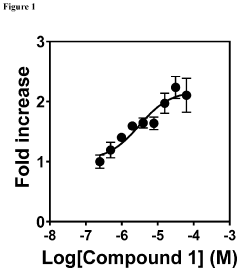
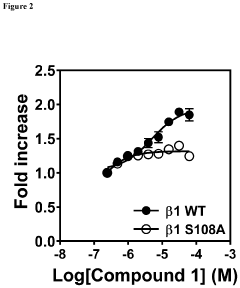
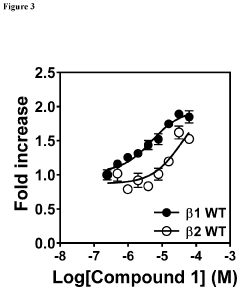
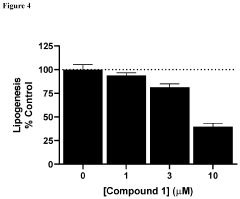
- Development of substituted resorcyclic acid compounds that directly bind to the allosteric drug and metabolite site of AMPK, activating the enzyme without causing perturbations in mitochondrial respiration.
Regulatory Framework for Nutraceuticals
The regulatory framework for nutraceuticals plays a crucial role in the development and commercialization of products like ethyl propanoate for enhanced nutraceutical delivery. In the United States, the Food and Drug Administration (FDA) oversees the regulation of nutraceuticals under the Dietary Supplement Health and Education Act (DSHEA) of 1994. This act defines dietary supplements and establishes guidelines for their manufacturing, labeling, and marketing.
Under DSHEA, nutraceuticals are classified as a subcategory of dietary supplements, which are considered food products rather than drugs. This classification allows for a less stringent regulatory process compared to pharmaceutical products. However, manufacturers are still required to ensure the safety of their products and comply with good manufacturing practices (GMPs) as outlined by the FDA.
The European Union (EU) has a different regulatory approach to nutraceuticals. The European Food Safety Authority (EFSA) is responsible for evaluating the safety and efficacy of nutraceutical ingredients. The EU's Novel Food Regulation (Regulation (EU) 2015/2283) governs the approval process for new ingredients, including those used in nutraceutical formulations.
In Japan, the regulatory framework for nutraceuticals falls under the Food with Health Claims system, which includes Foods for Specified Health Uses (FOSHU) and Foods with Nutrient Function Claims (FNFC). The Japanese Ministry of Health, Labour and Welfare oversees the approval process for these products.
When designing ethyl propanoate for enhanced nutraceutical delivery, it is essential to consider the regulatory requirements in target markets. This includes ensuring compliance with safety standards, conducting necessary toxicology studies, and preparing appropriate documentation for regulatory submissions.
Labeling requirements for nutraceuticals vary across jurisdictions but generally include information on ingredients, recommended dosage, and any potential health claims. In the United States, health claims must be supported by scientific evidence and approved by the FDA. The EU has strict regulations on health claims, requiring thorough scientific substantiation and approval by EFSA before they can be used in marketing materials.
As the nutraceutical industry continues to grow and innovate, regulatory frameworks are evolving to keep pace with new technologies and delivery systems. Manufacturers must stay informed about changes in regulations and adapt their product development strategies accordingly to ensure compliance and market success.
Under DSHEA, nutraceuticals are classified as a subcategory of dietary supplements, which are considered food products rather than drugs. This classification allows for a less stringent regulatory process compared to pharmaceutical products. However, manufacturers are still required to ensure the safety of their products and comply with good manufacturing practices (GMPs) as outlined by the FDA.
The European Union (EU) has a different regulatory approach to nutraceuticals. The European Food Safety Authority (EFSA) is responsible for evaluating the safety and efficacy of nutraceutical ingredients. The EU's Novel Food Regulation (Regulation (EU) 2015/2283) governs the approval process for new ingredients, including those used in nutraceutical formulations.
In Japan, the regulatory framework for nutraceuticals falls under the Food with Health Claims system, which includes Foods for Specified Health Uses (FOSHU) and Foods with Nutrient Function Claims (FNFC). The Japanese Ministry of Health, Labour and Welfare oversees the approval process for these products.
When designing ethyl propanoate for enhanced nutraceutical delivery, it is essential to consider the regulatory requirements in target markets. This includes ensuring compliance with safety standards, conducting necessary toxicology studies, and preparing appropriate documentation for regulatory submissions.
Labeling requirements for nutraceuticals vary across jurisdictions but generally include information on ingredients, recommended dosage, and any potential health claims. In the United States, health claims must be supported by scientific evidence and approved by the FDA. The EU has strict regulations on health claims, requiring thorough scientific substantiation and approval by EFSA before they can be used in marketing materials.
As the nutraceutical industry continues to grow and innovate, regulatory frameworks are evolving to keep pace with new technologies and delivery systems. Manufacturers must stay informed about changes in regulations and adapt their product development strategies accordingly to ensure compliance and market success.
Safety and Toxicology Considerations
When considering the use of ethyl propanoate for enhanced nutraceutical delivery, safety and toxicology considerations are paramount. Ethyl propanoate, also known as ethyl propionate, is generally recognized as safe (GRAS) by the U.S. Food and Drug Administration for use as a food additive. However, its application in nutraceutical delivery systems requires a comprehensive evaluation of potential risks and safety profiles.
The acute toxicity of ethyl propanoate is relatively low, with an oral LD50 in rats reported to be greater than 5000 mg/kg body weight. Inhalation studies have shown minimal adverse effects at low concentrations, but high concentrations may cause respiratory irritation. Dermal exposure studies indicate low skin irritation potential, although prolonged contact should be avoided.
Chronic toxicity studies on ethyl propanoate are limited, necessitating further research to establish long-term safety profiles for nutraceutical applications. Particular attention should be given to potential interactions with other components in the delivery system and the nutraceuticals themselves. Metabolic studies have shown that ethyl propanoate is rapidly hydrolyzed by esterases in the body to ethanol and propionic acid, both of which are naturally occurring metabolites.
Genotoxicity and carcinogenicity studies have not revealed significant concerns for ethyl propanoate. However, as with any compound used in nutraceutical delivery, comprehensive mutagenicity and carcinogenicity testing should be conducted to ensure long-term safety, especially considering the potential for chronic exposure through regular nutraceutical consumption.
Reproductive and developmental toxicity studies are crucial for compounds used in nutraceutical delivery. While limited data suggest low reproductive toxicity for ethyl propanoate, more extensive studies are needed to confirm its safety profile in this regard, particularly for products that may be consumed by pregnant or nursing individuals.
Environmental toxicology should also be considered, as the production and disposal of ethyl propanoate-based nutraceutical delivery systems may impact ecosystems. Biodegradation studies have shown that ethyl propanoate is readily biodegradable, which is favorable from an environmental perspective.
In designing ethyl propanoate-based systems for nutraceutical delivery, it is essential to consider potential impurities and byproducts that may arise during synthesis or storage. Rigorous quality control measures should be implemented to ensure the purity of the compound and to monitor for the formation of potentially harmful degradation products.
Regulatory compliance is a critical aspect of safety considerations. Manufacturers must adhere to Good Manufacturing Practices (GMP) and conduct thorough risk assessments in accordance with regulatory guidelines. This includes evaluating the potential for allergenicity and establishing appropriate labeling and warning systems for consumers.
The acute toxicity of ethyl propanoate is relatively low, with an oral LD50 in rats reported to be greater than 5000 mg/kg body weight. Inhalation studies have shown minimal adverse effects at low concentrations, but high concentrations may cause respiratory irritation. Dermal exposure studies indicate low skin irritation potential, although prolonged contact should be avoided.
Chronic toxicity studies on ethyl propanoate are limited, necessitating further research to establish long-term safety profiles for nutraceutical applications. Particular attention should be given to potential interactions with other components in the delivery system and the nutraceuticals themselves. Metabolic studies have shown that ethyl propanoate is rapidly hydrolyzed by esterases in the body to ethanol and propionic acid, both of which are naturally occurring metabolites.
Genotoxicity and carcinogenicity studies have not revealed significant concerns for ethyl propanoate. However, as with any compound used in nutraceutical delivery, comprehensive mutagenicity and carcinogenicity testing should be conducted to ensure long-term safety, especially considering the potential for chronic exposure through regular nutraceutical consumption.
Reproductive and developmental toxicity studies are crucial for compounds used in nutraceutical delivery. While limited data suggest low reproductive toxicity for ethyl propanoate, more extensive studies are needed to confirm its safety profile in this regard, particularly for products that may be consumed by pregnant or nursing individuals.
Environmental toxicology should also be considered, as the production and disposal of ethyl propanoate-based nutraceutical delivery systems may impact ecosystems. Biodegradation studies have shown that ethyl propanoate is readily biodegradable, which is favorable from an environmental perspective.
In designing ethyl propanoate-based systems for nutraceutical delivery, it is essential to consider potential impurities and byproducts that may arise during synthesis or storage. Rigorous quality control measures should be implemented to ensure the purity of the compound and to monitor for the formation of potentially harmful degradation products.
Regulatory compliance is a critical aspect of safety considerations. Manufacturers must adhere to Good Manufacturing Practices (GMP) and conduct thorough risk assessments in accordance with regulatory guidelines. This includes evaluating the potential for allergenicity and establishing appropriate labeling and warning systems for consumers.
Unlock deeper insights with Patsnap Eureka Quick Research — get a full tech report to explore trends and direct your research. Try now!
Generate Your Research Report Instantly with AI Agent
Supercharge your innovation with Patsnap Eureka AI Agent Platform!