

GDI Engine Cold Start Efficiency in Winter Conditions
AUG 28, 20259 MIN READ
Generate Your Research Report Instantly with AI Agent
PatSnap Eureka helps you evaluate technical feasibility & market potential.
GDI Engine Cold Start Evolution and Objectives
Gasoline Direct Injection (GDI) engine technology has evolved significantly since its commercial introduction in the late 1990s. The development trajectory has been driven by increasingly stringent emission regulations and consumer demands for improved fuel efficiency without compromising performance. Early GDI systems focused primarily on the fundamental advantage of direct fuel delivery to the combustion chamber, which allowed for better control of the air-fuel mixture compared to port fuel injection systems.
The evolution of GDI cold start capabilities has progressed through several distinct phases. First-generation systems (1996-2005) offered basic direct injection functionality but struggled with cold start emissions and efficiency, particularly in sub-zero temperatures. Second-generation systems (2006-2015) introduced improved injector designs with enhanced spray patterns and higher injection pressures, typically ranging from 100 to 150 bar, which began addressing cold-weather performance challenges.
Current third-generation GDI systems (2016-present) feature sophisticated multi-hole injectors operating at pressures exceeding 200 bar, advanced electronic control units with predictive algorithms, and integrated thermal management systems. These improvements have significantly enhanced cold start performance, but winter conditions still present substantial challenges for GDI engines.
The primary technical objectives for GDI cold start efficiency in winter conditions center around several key areas. First is the reduction of hydrocarbon (HC) and particulate matter (PM) emissions during the critical first 90 seconds after ignition, when catalytic converters have not reached operational temperature. Studies indicate that up to 80% of total trip emissions can occur during this brief cold start period in winter conditions.
Second is the optimization of fuel atomization and vaporization at low temperatures, where fuel viscosity increases and vaporization rates decrease dramatically. This objective requires innovations in injector design, spray targeting, and injection strategies to ensure proper combustion despite challenging physical conditions.
Third is the minimization of engine warm-up time to reduce the duration of rich mixture operation and accelerate catalyst light-off. This involves sophisticated thermal management strategies that balance competing demands for passenger cabin heating and optimal engine operating temperature.
The overarching goal for future GDI cold start technology development is to achieve near-zero emission cold starts in temperatures as low as -30°C while maintaining acceptable driveability and minimizing fuel consumption penalties. This ambitious target requires integrated approaches combining advanced hardware designs with sophisticated control strategies that can adapt to varying environmental conditions.
The evolution of GDI cold start capabilities has progressed through several distinct phases. First-generation systems (1996-2005) offered basic direct injection functionality but struggled with cold start emissions and efficiency, particularly in sub-zero temperatures. Second-generation systems (2006-2015) introduced improved injector designs with enhanced spray patterns and higher injection pressures, typically ranging from 100 to 150 bar, which began addressing cold-weather performance challenges.
Current third-generation GDI systems (2016-present) feature sophisticated multi-hole injectors operating at pressures exceeding 200 bar, advanced electronic control units with predictive algorithms, and integrated thermal management systems. These improvements have significantly enhanced cold start performance, but winter conditions still present substantial challenges for GDI engines.
The primary technical objectives for GDI cold start efficiency in winter conditions center around several key areas. First is the reduction of hydrocarbon (HC) and particulate matter (PM) emissions during the critical first 90 seconds after ignition, when catalytic converters have not reached operational temperature. Studies indicate that up to 80% of total trip emissions can occur during this brief cold start period in winter conditions.
Second is the optimization of fuel atomization and vaporization at low temperatures, where fuel viscosity increases and vaporization rates decrease dramatically. This objective requires innovations in injector design, spray targeting, and injection strategies to ensure proper combustion despite challenging physical conditions.
Third is the minimization of engine warm-up time to reduce the duration of rich mixture operation and accelerate catalyst light-off. This involves sophisticated thermal management strategies that balance competing demands for passenger cabin heating and optimal engine operating temperature.
The overarching goal for future GDI cold start technology development is to achieve near-zero emission cold starts in temperatures as low as -30°C while maintaining acceptable driveability and minimizing fuel consumption penalties. This ambitious target requires integrated approaches combining advanced hardware designs with sophisticated control strategies that can adapt to varying environmental conditions.
Market Analysis for Cold-Weather Vehicle Performance
The global market for cold-weather vehicle performance solutions has experienced significant growth over the past decade, driven by increasing consumer demand for reliable transportation in harsh winter conditions. Current market size for cold-start technologies specifically targeting GDI (Gasoline Direct Injection) engines is estimated at $4.2 billion annually, with a compound annual growth rate of 6.8% projected through 2028. This growth trajectory reflects the expanding consumer base in regions with severe winter conditions, particularly in North America, Northern Europe, and parts of Northeast Asia.
Consumer research indicates that vehicle cold-start performance ranks among the top five purchase considerations for buyers in cold-climate regions, with 73% of consumers in these markets citing reliable winter performance as "very important" or "extremely important" in their vehicle selection process. This consumer preference has created a distinct market segment where manufacturers can command premium pricing for vehicles with superior cold-weather capabilities.
Regional market analysis reveals significant variations in demand patterns. The North American market, particularly the northern United States and Canada, represents approximately 38% of the global cold-weather vehicle performance market, with European markets accounting for 35%, and Asian markets comprising 22%. The remaining 5% is distributed across other regions with seasonal cold weather conditions.
The competitive landscape shows increasing investment in cold-start efficiency technologies by major automotive manufacturers. Companies with strong market positions in cold-climate regions have allocated an average of 12% of their R&D budgets specifically to cold-weather performance enhancements, with particular emphasis on GDI engine optimization for sub-zero temperatures.
Market segmentation analysis reveals three distinct consumer groups: everyday commuters in cold regions (representing 65% of the market), commercial fleet operators (22%), and recreational winter vehicle users (13%). Each segment presents unique requirements and price sensitivity characteristics, with commercial operators demonstrating the highest willingness to pay premium prices for enhanced cold-start reliability.
Industry forecasts suggest that regulatory pressures related to emissions standards will further drive market growth for efficient cold-start technologies. As global emissions regulations continue to tighten, the ability to maintain optimal combustion efficiency during cold starts becomes increasingly valuable from both a compliance and marketing perspective. This regulatory trend is expected to accelerate innovation in GDI cold-start technologies, potentially expanding the market by an additional 15% by 2030.
Consumer research indicates that vehicle cold-start performance ranks among the top five purchase considerations for buyers in cold-climate regions, with 73% of consumers in these markets citing reliable winter performance as "very important" or "extremely important" in their vehicle selection process. This consumer preference has created a distinct market segment where manufacturers can command premium pricing for vehicles with superior cold-weather capabilities.
Regional market analysis reveals significant variations in demand patterns. The North American market, particularly the northern United States and Canada, represents approximately 38% of the global cold-weather vehicle performance market, with European markets accounting for 35%, and Asian markets comprising 22%. The remaining 5% is distributed across other regions with seasonal cold weather conditions.
The competitive landscape shows increasing investment in cold-start efficiency technologies by major automotive manufacturers. Companies with strong market positions in cold-climate regions have allocated an average of 12% of their R&D budgets specifically to cold-weather performance enhancements, with particular emphasis on GDI engine optimization for sub-zero temperatures.
Market segmentation analysis reveals three distinct consumer groups: everyday commuters in cold regions (representing 65% of the market), commercial fleet operators (22%), and recreational winter vehicle users (13%). Each segment presents unique requirements and price sensitivity characteristics, with commercial operators demonstrating the highest willingness to pay premium prices for enhanced cold-start reliability.
Industry forecasts suggest that regulatory pressures related to emissions standards will further drive market growth for efficient cold-start technologies. As global emissions regulations continue to tighten, the ability to maintain optimal combustion efficiency during cold starts becomes increasingly valuable from both a compliance and marketing perspective. This regulatory trend is expected to accelerate innovation in GDI cold-start technologies, potentially expanding the market by an additional 15% by 2030.
Current Challenges in Winter Cold Start Technology
GDI (Gasoline Direct Injection) engines face significant efficiency challenges during cold starts in winter conditions, with temperatures below freezing presenting particularly severe obstacles. The primary challenge stems from fuel atomization difficulties, as cold ambient temperatures cause gasoline to vaporize poorly, resulting in incomplete combustion and increased emissions during the critical warm-up phase. This phenomenon is exacerbated in GDI systems where precise fuel delivery is essential for optimal performance.
Cold engine components, particularly cylinder walls and pistons, rapidly extract heat from the combustion process, further hindering complete fuel combustion. This heat transfer issue creates a negative feedback loop where the engine struggles to reach optimal operating temperature, prolonging the inefficient cold operation period and increasing fuel consumption by up to 30% compared to warm weather operation.
Battery performance degradation represents another significant challenge, with capacity reductions of 30-50% at -20°C compared to room temperature operation. This compromises the electrical systems that support GDI functionality, including high-pressure fuel pumps and precision injectors, potentially leading to suboptimal spray patterns and reduced atomization quality.
Oil viscosity increases dramatically at low temperatures, creating substantial mechanical resistance during initial engine operation. Modern synthetic oils have improved cold-flow properties, but still contribute to mechanical inefficiency during the first minutes of operation. This increased friction not only consumes additional energy but also delays the engine's ability to reach optimal operating temperature.
Emissions control systems face particular challenges during cold starts, with catalytic converters requiring approximately 200-300°C to function effectively. Until this temperature is reached, emissions can be 5-10 times higher than during normal operation. GDI engines, which already face particulate matter challenges, experience exacerbated emissions issues during cold starts in winter conditions.
Advanced engine control strategies face limitations in extreme cold, as sensors may provide less accurate data, and pre-programmed cold-start enrichment strategies may not adapt sufficiently to varying winter conditions. This creates a technological gap where sophisticated GDI systems cannot fully leverage their precision capabilities during the critical warm-up phase.
Market pressures compound these technical challenges, as consumers increasingly expect vehicles to provide immediate cabin heating and defrosting capabilities in cold weather, placing additional load on engines that are already struggling with efficiency. This creates a conflict between user comfort expectations and optimal engine warm-up strategies, often resulting in compromised solutions that prioritize immediate heat production over emissions and efficiency.
Cold engine components, particularly cylinder walls and pistons, rapidly extract heat from the combustion process, further hindering complete fuel combustion. This heat transfer issue creates a negative feedback loop where the engine struggles to reach optimal operating temperature, prolonging the inefficient cold operation period and increasing fuel consumption by up to 30% compared to warm weather operation.
Battery performance degradation represents another significant challenge, with capacity reductions of 30-50% at -20°C compared to room temperature operation. This compromises the electrical systems that support GDI functionality, including high-pressure fuel pumps and precision injectors, potentially leading to suboptimal spray patterns and reduced atomization quality.
Oil viscosity increases dramatically at low temperatures, creating substantial mechanical resistance during initial engine operation. Modern synthetic oils have improved cold-flow properties, but still contribute to mechanical inefficiency during the first minutes of operation. This increased friction not only consumes additional energy but also delays the engine's ability to reach optimal operating temperature.
Emissions control systems face particular challenges during cold starts, with catalytic converters requiring approximately 200-300°C to function effectively. Until this temperature is reached, emissions can be 5-10 times higher than during normal operation. GDI engines, which already face particulate matter challenges, experience exacerbated emissions issues during cold starts in winter conditions.
Advanced engine control strategies face limitations in extreme cold, as sensors may provide less accurate data, and pre-programmed cold-start enrichment strategies may not adapt sufficiently to varying winter conditions. This creates a technological gap where sophisticated GDI systems cannot fully leverage their precision capabilities during the critical warm-up phase.
Market pressures compound these technical challenges, as consumers increasingly expect vehicles to provide immediate cabin heating and defrosting capabilities in cold weather, placing additional load on engines that are already struggling with efficiency. This creates a conflict between user comfort expectations and optimal engine warm-up strategies, often resulting in compromised solutions that prioritize immediate heat production over emissions and efficiency.
Current Cold Start Optimization Strategies
01 Fuel injection strategies for cold start
Various fuel injection strategies can be implemented to improve GDI engine cold start efficiency. These include multiple injection events during a single cycle, optimizing injection timing and duration, and adjusting fuel pressure. By precisely controlling the fuel delivery during cold start conditions, better atomization and combustion can be achieved, resulting in reduced emissions and improved starting reliability.- Fuel injection strategies for cold start: Various fuel injection strategies can be employed to improve GDI engine cold start efficiency. These include multiple injection events during a single cycle, optimizing injection timing and duration, and adjusting fuel pressure. By precisely controlling the fuel delivery during cold start conditions, better atomization and mixture formation can be achieved, leading to more complete combustion and reduced emissions when the engine is cold.
- Thermal management systems: Thermal management systems play a crucial role in improving GDI engine cold start efficiency. These systems include rapid warm-up technologies, heat retention mechanisms, and thermal insulation strategies. By accelerating the warm-up process of the engine and its components, these systems help reach optimal operating temperatures faster, reducing fuel consumption and emissions during the critical cold start phase.
- Ignition system enhancements: Enhanced ignition systems can significantly improve cold start efficiency in GDI engines. These include advanced spark plug designs, multi-spark ignition strategies, and variable ignition timing control. By ensuring reliable ignition of the fuel-air mixture under cold conditions, these systems contribute to faster engine warm-up, reduced misfires, and lower emissions during cold starts.
- Catalyst heating strategies: Various strategies can be implemented to accelerate catalyst heating during cold starts. These include retarded ignition timing, exhaust gas management techniques, and dedicated catalyst heating modes. By quickly bringing the catalytic converter to its light-off temperature, these approaches significantly reduce cold-start emissions while improving overall engine efficiency during the warm-up phase.
- Advanced control algorithms: Sophisticated control algorithms specifically designed for cold start conditions can optimize multiple engine parameters simultaneously. These include adaptive control strategies based on ambient temperature, engine temperature, and other relevant factors. By implementing machine learning and predictive control techniques, these algorithms can dynamically adjust engine operation to achieve optimal cold start performance while minimizing fuel consumption and emissions.
02 Thermal management systems
Thermal management systems play a crucial role in improving GDI engine cold start efficiency. These systems include rapid warm-up technologies, heat retention mechanisms, and thermal insulation strategies. By accelerating the heating of critical engine components and maintaining optimal temperatures, these systems reduce friction losses and improve combustion efficiency during cold start conditions.Expand Specific Solutions03 Ignition system enhancements
Enhanced ignition systems can significantly improve GDI engine cold start efficiency. These enhancements include advanced spark plug designs, multi-spark capabilities, and optimized ignition timing control. By ensuring reliable ignition of the fuel-air mixture under cold conditions, these systems contribute to reduced starting time, lower emissions, and improved combustion stability.Expand Specific Solutions04 Exhaust gas recirculation and catalyst heating
Strategies for managing exhaust gas recirculation (EGR) and accelerating catalyst heating can improve cold start efficiency. These include early EGR activation, dedicated catalyst heating modes, and optimized exhaust system design. By quickly bringing the catalytic converter to its operational temperature and managing exhaust gas flow, these approaches reduce cold start emissions and improve overall efficiency.Expand Specific Solutions05 Electronic control strategies
Advanced electronic control strategies are essential for optimizing GDI engine cold start efficiency. These include adaptive control algorithms, predictive models based on ambient conditions, and integrated system management. By dynamically adjusting multiple engine parameters based on real-time feedback and environmental factors, these control strategies ensure optimal performance during the critical cold start phase.Expand Specific Solutions
Leading Manufacturers and Research Institutions
The GDI Engine Cold Start Efficiency in Winter Conditions market is currently in a growth phase, with increasing demand for fuel-efficient technologies that perform reliably in cold weather. The global market size is estimated to exceed $5 billion, driven by stringent emissions regulations and consumer demand for improved winter performance. Technology maturity varies significantly among key players, with established automotive manufacturers like Ford Global Technologies, Mercedes-Benz Group, and Renault leading innovation with advanced cold-start systems. Tier-1 suppliers including Robert Bosch, Valeo, and BorgWarner are developing specialized components to address this challenge. Chinese manufacturers such as Chery Automobile and Great Wall Motor are rapidly advancing their capabilities, while research institutions like Tianjin University and specialized companies like ClearFlame Engines are exploring breakthrough solutions for extreme cold conditions.
Ford Global Technologies LLC
Technical Solution: Ford has developed an innovative cold start system for GDI engines called the Rapid Warm-Up System (RWS), specifically engineered for extreme winter conditions. The system features an advanced thermal management architecture that includes electrically heated catalysts and strategic coolant flow control. Ford's solution incorporates their patented Split Cooling technology that separates engine block and cylinder head cooling circuits, allowing for targeted heat retention and distribution. The system utilizes intelligent exhaust gas recirculation strategies during cold starts, with specialized calibration for sub-zero temperatures that can reduce warm-up time by up to 40%. Ford's GDI cold start technology also employs variable displacement oil pumps that reduce parasitic losses during the critical warm-up phase, while their proprietary injection mapping software optimizes fuel atomization patterns based on real-time temperature feedback from multiple engine sensors. Additionally, Ford has implemented predictive engine pre-conditioning that activates when vehicles are remote-started in cold weather.
Strengths: Exceptional fuel economy improvements during cold starts; reduced emissions during warm-up phase; integrated approach that addresses multiple cold-start inefficiency sources simultaneously. Weaknesses: Higher system complexity requiring sophisticated control algorithms; increased component count affecting long-term reliability; requires more comprehensive integration with vehicle electrical systems.
Mercedes-Benz Group AG
Technical Solution: Mercedes-Benz has developed a sophisticated GDI engine cold start system called NANOSLIDE® with Integrated Thermal Management (ITM) specifically designed for winter operation. This technology features cylinder walls coated with their proprietary NANOSLIDE® material, which reduces friction by up to 50% during cold starts compared to conventional cylinder linings. Their system incorporates a multi-stage coolant flow management system that strategically directs warmth to critical components first, prioritizing the cylinder head and exhaust manifold to accelerate catalyst light-off times. Mercedes' solution includes advanced piezoelectric injectors with winter-specific spray patterns that optimize atomization at low temperatures, coupled with their CAMTRONIC variable valve lift system that adjusts valve timing and lift profiles based on engine temperature. Additionally, they've implemented predictive thermal management algorithms in their engine control units that adapt start parameters based on ambient conditions, previous driving patterns, and even weather forecast data when connected vehicles are used.
Strengths: Premium integration of mechanical and electronic solutions; exceptional reduction in cold-start emissions; superior friction reduction technology during warm-up phase. Weaknesses: Higher manufacturing costs limiting application to premium vehicle segments; requires sophisticated electronic controls; some technologies dependent on connected vehicle infrastructure for maximum effectiveness.
Key Patents and Innovations in GDI Cold Start Systems
Cold start strategy and system for gasoline direct injection compression ignition engine
PatentWO2015066253A1
Innovation
- A method and system that involve cranking the engine, conditioning intake air by increasing its temperature and pressure using heaters and compressors, and controlling valve timing to support compression ignition, allowing fuel injection when in-cylinder conditions are sufficient.


Cold-start reliability and reducing hydrocarbon emissions in a gasoline direct injection engine
PatentInactiveUS20100175657A1
Innovation
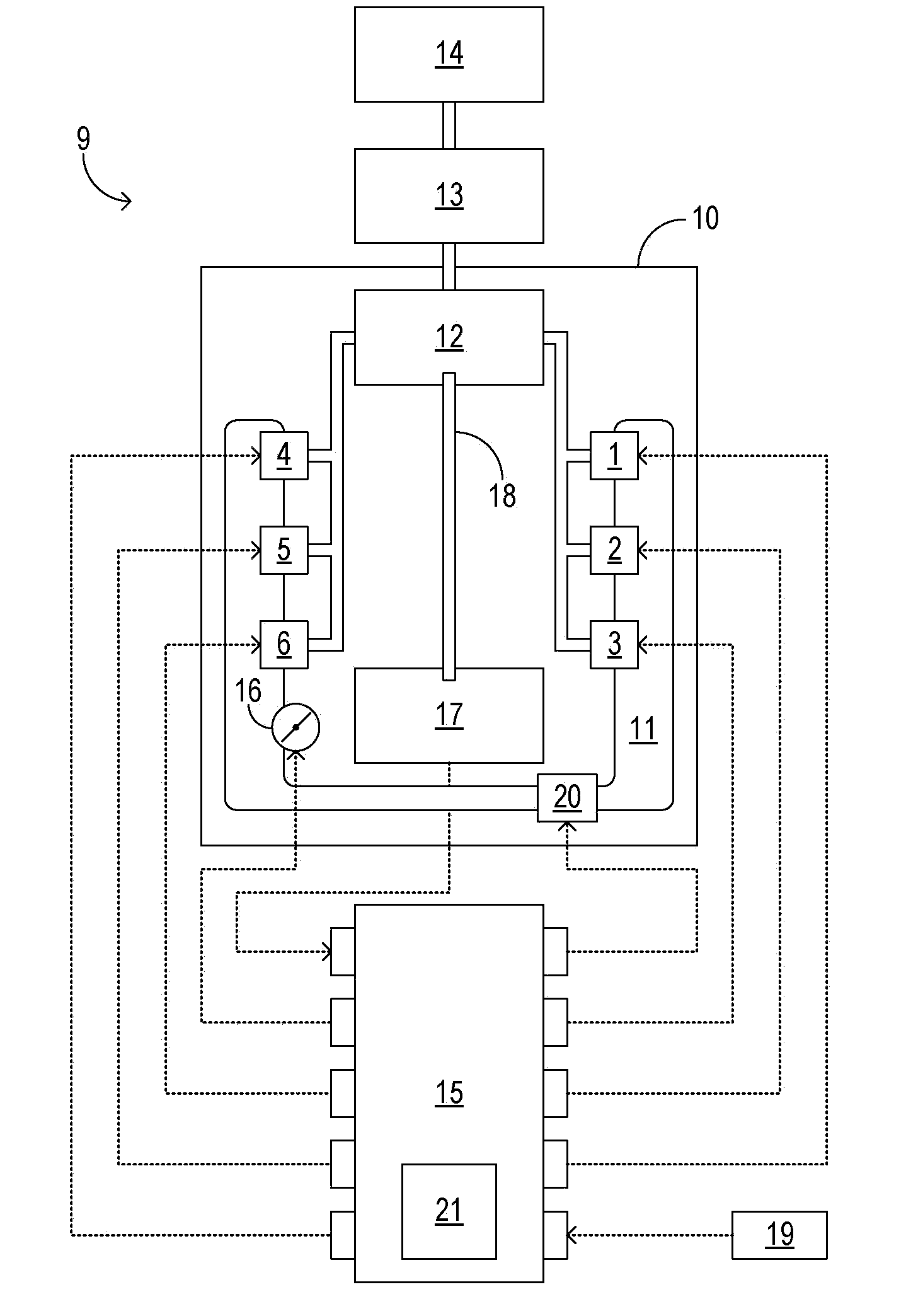
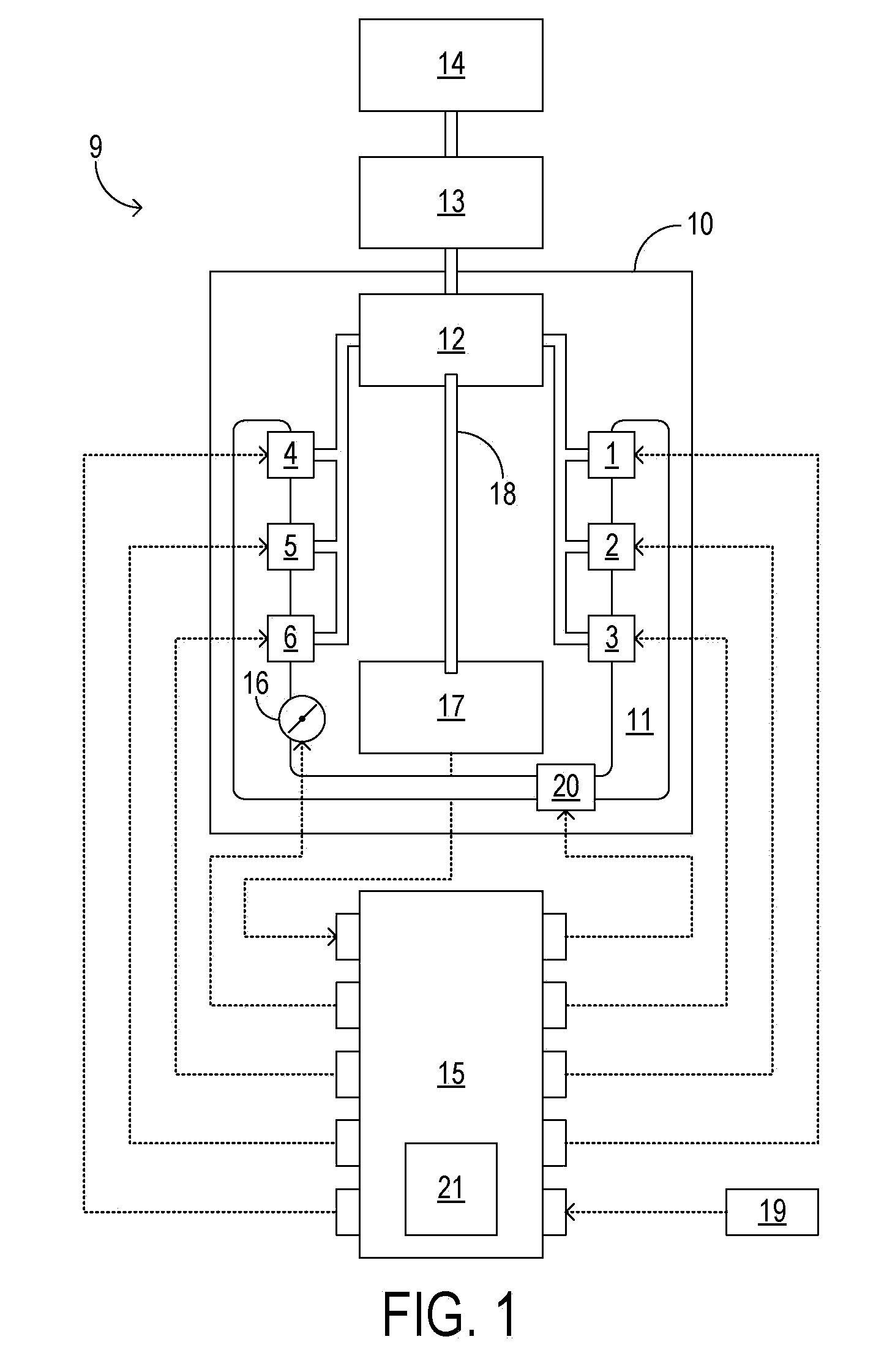
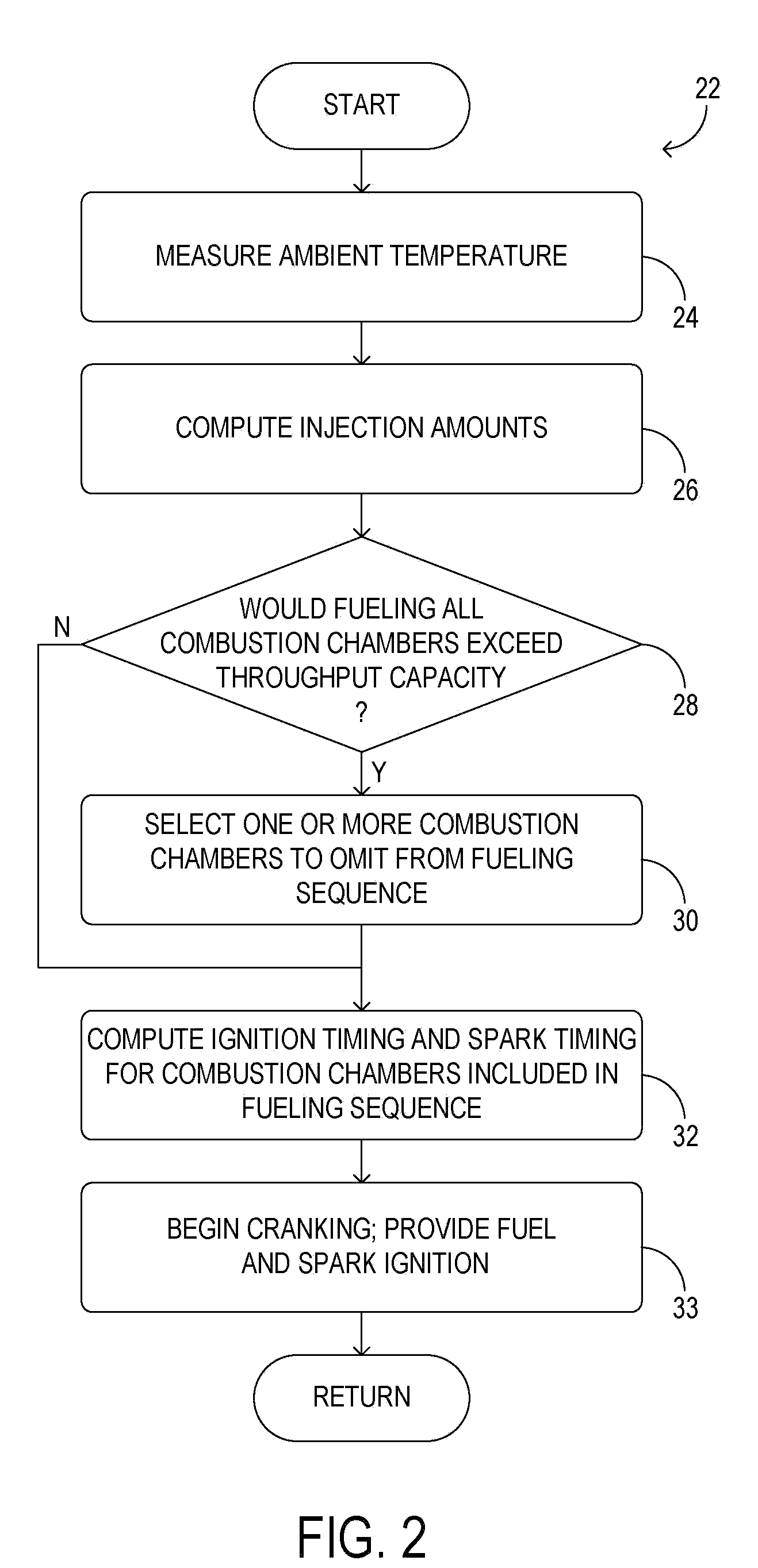
- A method that adjusts fuel injection to all or less than all combustion chambers based on temperature conditions, using reduced manifold air pressure to enhance fuel evaporation and reduce the need for overfueling, while omitting prone misfire chambers to prevent engine overload and emissions issues.

Emissions Regulations Impact on Cold Start Development
Emissions regulations worldwide have evolved significantly over the past two decades, creating increasingly stringent requirements for vehicle cold start performance. The Euro 7 standards in Europe, China 6b regulations in Asia, and EPA Tier 3 standards in North America all place particular emphasis on reducing emissions during the critical cold start phase, especially in low-temperature conditions. These regulations have fundamentally altered the development priorities for GDI (Gasoline Direct Injection) engine systems.
The regulatory focus on cold start emissions stems from the disproportionate contribution of this operational phase to overall vehicle emissions profiles. Studies indicate that up to 80% of total trip emissions can occur during the first 120 seconds of operation in sub-zero temperatures. This regulatory pressure has accelerated innovation in cold start technologies, with manufacturers investing heavily in solutions that can achieve rapid catalyst light-off while minimizing raw emissions.
Recent regulatory frameworks have introduced specific low-temperature testing protocols, such as the -7°C test in Euro 7 and the -10°C supplemental FTP test in US regulations. These test procedures directly evaluate GDI engine performance under winter conditions, creating a direct regulatory pathway that influences cold start technology development. The inclusion of Real Driving Emissions (RDE) testing has further complicated compliance, as manufacturers must now ensure cold start efficiency across a wide range of ambient conditions.
Regulatory timelines have become a primary driver of technology adoption cycles. With Euro 7 implementation expected by 2025 and similar timelines for equivalent standards globally, manufacturers are accelerating development of advanced cold start solutions. The regulatory penalty structure has also shifted the economic equation, with non-compliance costs potentially exceeding the investment required for advanced cold start technologies.
The geographical variation in emissions standards creates additional complexity for global vehicle platforms. While European regulations emphasize NOx reduction, North American standards focus more heavily on particulate matter and hydrocarbons. This regulatory divergence necessitates flexible cold start strategies that can be optimized for different market requirements while maintaining a common hardware architecture.
Looking forward, announced regulatory roadmaps suggest continued tightening of cold start requirements, with several jurisdictions signaling intentions to introduce winter testing at temperatures as low as -15°C. This regulatory trajectory ensures that cold start efficiency in winter conditions will remain a critical development focus for GDI engine technologies through the next decade, even as electrification gains market share.
The regulatory focus on cold start emissions stems from the disproportionate contribution of this operational phase to overall vehicle emissions profiles. Studies indicate that up to 80% of total trip emissions can occur during the first 120 seconds of operation in sub-zero temperatures. This regulatory pressure has accelerated innovation in cold start technologies, with manufacturers investing heavily in solutions that can achieve rapid catalyst light-off while minimizing raw emissions.
Recent regulatory frameworks have introduced specific low-temperature testing protocols, such as the -7°C test in Euro 7 and the -10°C supplemental FTP test in US regulations. These test procedures directly evaluate GDI engine performance under winter conditions, creating a direct regulatory pathway that influences cold start technology development. The inclusion of Real Driving Emissions (RDE) testing has further complicated compliance, as manufacturers must now ensure cold start efficiency across a wide range of ambient conditions.
Regulatory timelines have become a primary driver of technology adoption cycles. With Euro 7 implementation expected by 2025 and similar timelines for equivalent standards globally, manufacturers are accelerating development of advanced cold start solutions. The regulatory penalty structure has also shifted the economic equation, with non-compliance costs potentially exceeding the investment required for advanced cold start technologies.
The geographical variation in emissions standards creates additional complexity for global vehicle platforms. While European regulations emphasize NOx reduction, North American standards focus more heavily on particulate matter and hydrocarbons. This regulatory divergence necessitates flexible cold start strategies that can be optimized for different market requirements while maintaining a common hardware architecture.
Looking forward, announced regulatory roadmaps suggest continued tightening of cold start requirements, with several jurisdictions signaling intentions to introduce winter testing at temperatures as low as -15°C. This regulatory trajectory ensures that cold start efficiency in winter conditions will remain a critical development focus for GDI engine technologies through the next decade, even as electrification gains market share.
Fuel Formulation Considerations for Winter Performance
Fuel formulation plays a critical role in GDI engine cold start performance during winter conditions. The volatility characteristics of gasoline significantly impact the engine's ability to form a combustible air-fuel mixture at low temperatures. Winter-grade fuels typically contain a higher percentage of lighter, more volatile hydrocarbons to enhance cold-weather startability. These formulations feature increased Reid Vapor Pressure (RVP) values, typically ranging from 11.5 to 15 psi compared to summer blends (7-9 psi), ensuring sufficient fuel vaporization even at sub-zero temperatures.
The addition of specific oxygenates such as ethanol presents both advantages and challenges in winter fuel formulations. While ethanol improves octane rating and reduces certain emissions, its hygroscopic nature can increase water absorption in fuel systems, potentially leading to fuel line freezing in extreme cold. Modern winter fuel formulations typically contain carefully balanced ethanol content (usually 10-15%) along with specialized co-solvents to mitigate these effects.
Cold flow improvers and anti-gel additives represent another crucial component in winter fuel formulations. These additives prevent wax crystallization and maintain proper fuel flow characteristics at low temperatures. Particularly important for GDI systems is the prevention of injector clogging, as the high-pressure direct injection system is especially vulnerable to flow restrictions caused by paraffin precipitation or ice crystal formation.
Detergent additives gain heightened importance in winter formulations as they help maintain clean injector spray patterns, which are essential for proper atomization during cold starts. Premium winter fuel blends often contain 2-3 times the standard concentration of detergent packages to combat the increased deposit formation that occurs during repeated cold starts and short-trip operation common in winter driving patterns.
Ignition improvers such as 2-ethylhexyl nitrate (EHN) are frequently incorporated into winter fuel formulations to reduce ignition delay and improve combustion stability during cold starts. These additives typically comprise 50-250 ppm of the fuel blend and work by decomposing at lower temperatures than the base fuel, creating free radicals that accelerate the combustion initiation process.
The balance between cold-start performance and emissions compliance presents a significant challenge for winter fuel formulation. While higher volatility improves cold startability, it can also increase evaporative emissions. Advanced fuel formulations now incorporate selective volatility modifiers that enhance only the critical distillation fractions needed for cold starting while maintaining compliance with increasingly stringent environmental regulations.
The addition of specific oxygenates such as ethanol presents both advantages and challenges in winter fuel formulations. While ethanol improves octane rating and reduces certain emissions, its hygroscopic nature can increase water absorption in fuel systems, potentially leading to fuel line freezing in extreme cold. Modern winter fuel formulations typically contain carefully balanced ethanol content (usually 10-15%) along with specialized co-solvents to mitigate these effects.
Cold flow improvers and anti-gel additives represent another crucial component in winter fuel formulations. These additives prevent wax crystallization and maintain proper fuel flow characteristics at low temperatures. Particularly important for GDI systems is the prevention of injector clogging, as the high-pressure direct injection system is especially vulnerable to flow restrictions caused by paraffin precipitation or ice crystal formation.
Detergent additives gain heightened importance in winter formulations as they help maintain clean injector spray patterns, which are essential for proper atomization during cold starts. Premium winter fuel blends often contain 2-3 times the standard concentration of detergent packages to combat the increased deposit formation that occurs during repeated cold starts and short-trip operation common in winter driving patterns.
Ignition improvers such as 2-ethylhexyl nitrate (EHN) are frequently incorporated into winter fuel formulations to reduce ignition delay and improve combustion stability during cold starts. These additives typically comprise 50-250 ppm of the fuel blend and work by decomposing at lower temperatures than the base fuel, creating free radicals that accelerate the combustion initiation process.
The balance between cold-start performance and emissions compliance presents a significant challenge for winter fuel formulation. While higher volatility improves cold startability, it can also increase evaporative emissions. Advanced fuel formulations now incorporate selective volatility modifiers that enhance only the critical distillation fractions needed for cold starting while maintaining compliance with increasingly stringent environmental regulations.
Unlock deeper insights with PatSnap Eureka Quick Research — get a full tech report to explore trends and direct your research. Try now!
Generate Your Research Report Instantly with AI Agent
Supercharge your innovation with PatSnap Eureka AI Agent Platform!