
Application of 3-carbethoxy phenyl-beta-D-glucoside in treating chronic neuropathic pains
An ethoxycarbonyl phenyl, neurogenic pain technology, which is applied in the fields of medicine and sanitation and chemistry, and can solve problems such as being unsuitable for screening neuralgia treatment drugs and the like
Patent Information
- Authority / Receiving Office
- CN · China
- Patent Type
- Patents(China)
- Current Assignee / Owner
- Publication Date
- 2012-05-23
- Estimated Expiration
- Not applicable · inactive patent
Smart Images
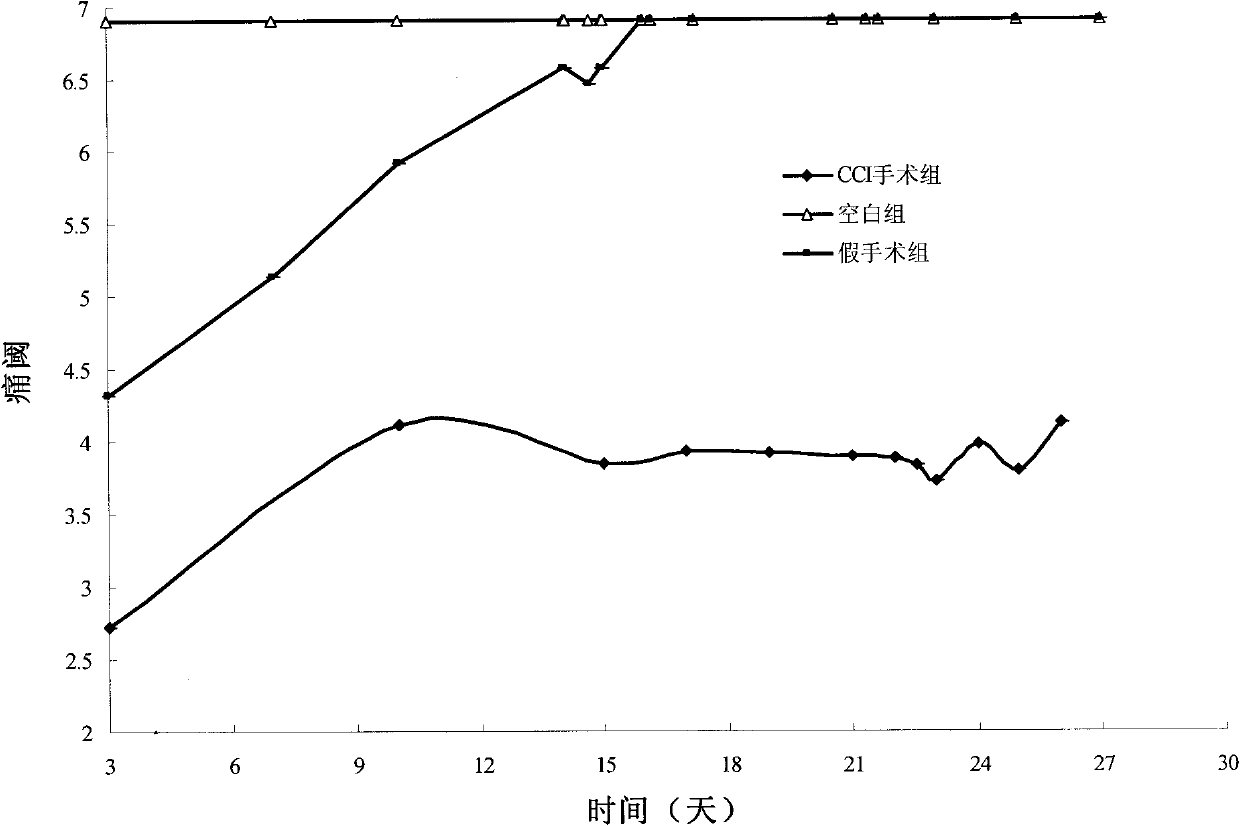
Figure 1 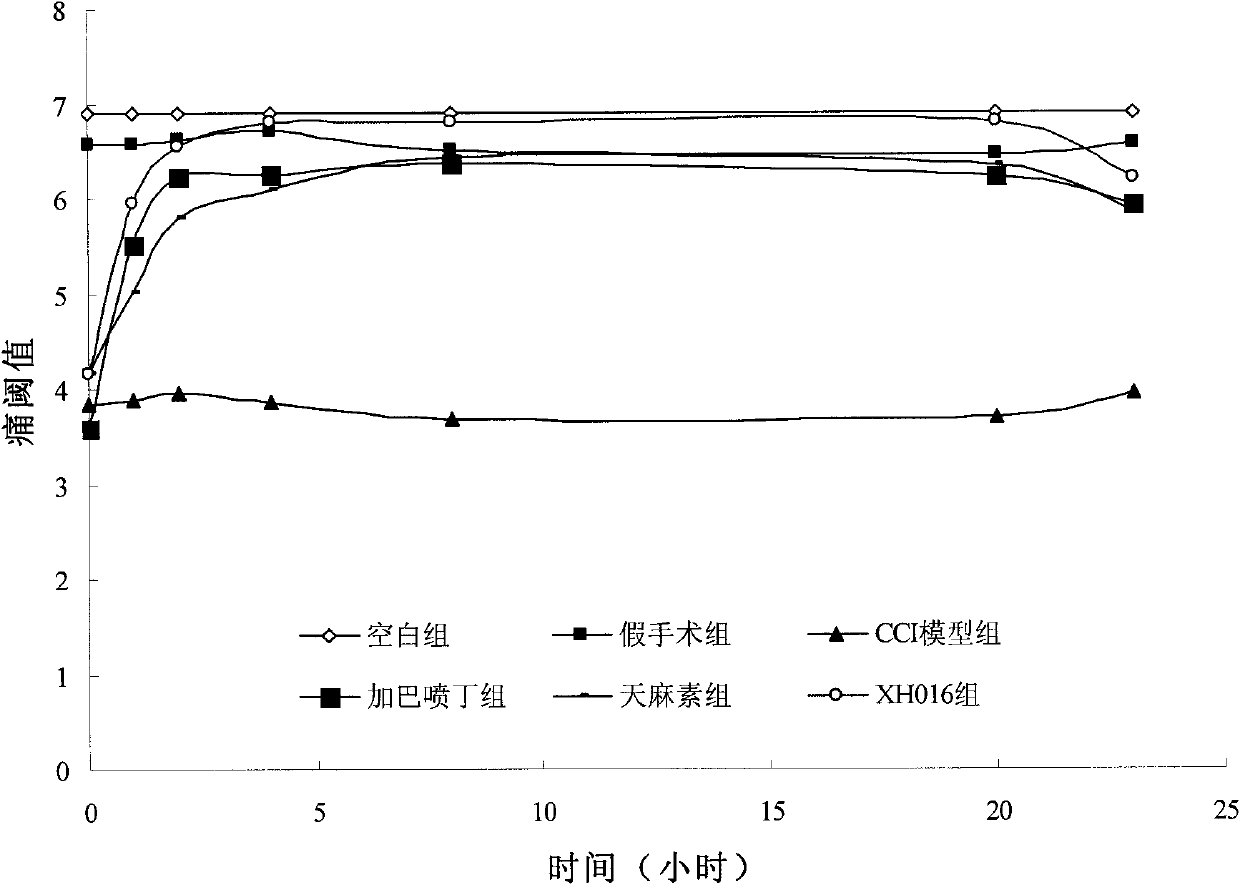
Figure 2 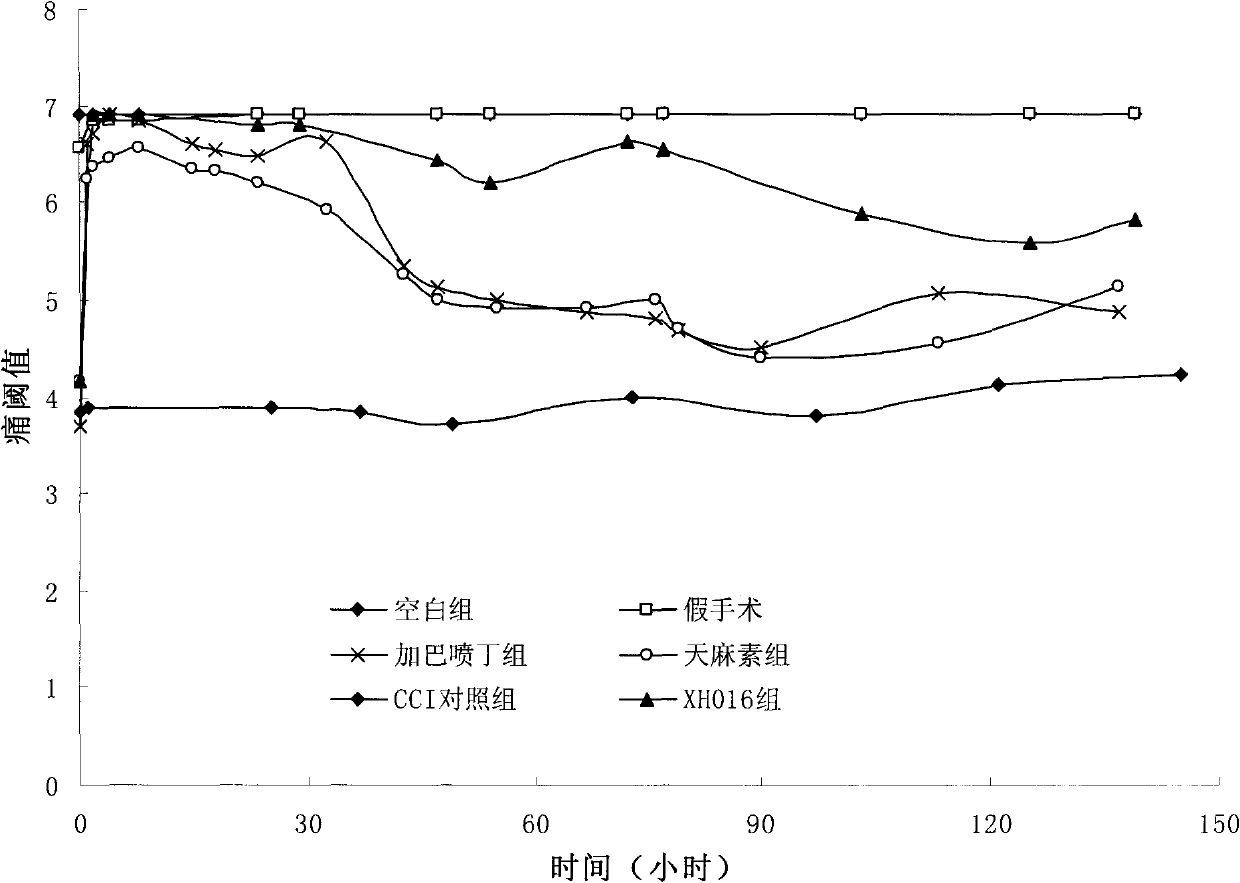
Figure 3
Abstract
Description
technical field
[0001] The present invention relates to pharmaceutical compounds in the fields of medicine, hygiene and chemistry, in particular to 3-ethoxycarbonylphenyl-β-D-acylated glycoside compounds and pharmaceutically acceptable salts, esters and solvates thereof for the treatment of chronic neurogenic pain the use of. Background technique
[0002] According to the duration of pain, pain is clinically classified into two types: acute pain and chronic pain. These two types of pain have essential differences in the mechanism of occurrence. Acute pain is called nociceptive pain, that is, pain caused by tissue trauma. With the repair of tissue trauma, the pain stops naturally. Analgesics, such as narcotic analgesics and non-steroidal antipyretic analgesics, can be used during the onset Chronic pain is mainly neurogenic pain, its pathogenesis is complex, and it is difficult to cure it. It is a new field of basic and clinical research and drug development of pain medicine....
Examples
Embodiment Construction
[0054] The specific pharmacological experiments are as follows:
[0055] 1. Test drug
[0056] Name: 3-ethoxycarbonylphenyl-β-D-acylated xyloside (XH016)
[0057]
[0058] Appearance: white crystal
[0059] Source: Synthesized by the Biochemical Pharmacology Group of the Natural Resources Medicinal Chemistry Laboratory of Yunnan University.
[0060] Drug preparation, administration volume, and administration route: before use, add 0.2% pure aqueous solution of carboxymethylcellulose sodium to grind and suspend to the desired concentration. Rats were intragastrically administered once a day, and the administration volume was 45mg / Kg, 10mL / Kg.
[0061] 2. Comparative drugs
[0062] 1. Gabapentin, purchased from Sigma, CAS Number: 60142-96-3.
[0063] 2. Gastrodin, provided by Kunming Pharmaceutical Factory, batch number: 200610036.
[0064] Just before use, grind and suspend 0.2% sodium carboxymethylcellulose in pure aqueous solution to a concentration of 45 mg / mL.
[...