Thermo-sensitive transparent biocompatible material
What is AI technical title?
AI technical title is built by Patsnap AI team. It summarizes the technical point description of the patent document.
A biocompatible and temperature-sensitive technology, applied in the field of materials science, can solve the problems of extensive use, high cost and high cost of NIPAm, and achieve the effect of simple and easy process and cost saving.
Inactive Publication Date: 2014-05-07
CHONGQING UNIVERSITY OF SCIENCE AND TECHNOLOGY
View PDF5 Cites 0 Cited by
Summary
Abstract
Description
Claims
Application Information
AI Technical Summary
This helps you quickly interpret patents by identifying the three key elements:
Problems solved by technology
Method used
Benefits of technology
Problems solved by technology
Poly N-isopropylacrylamide (PNIPAm) has achieved good research and development and application in many fields, but the high cost of NIPAm has a certain impact on its wide use
Method used
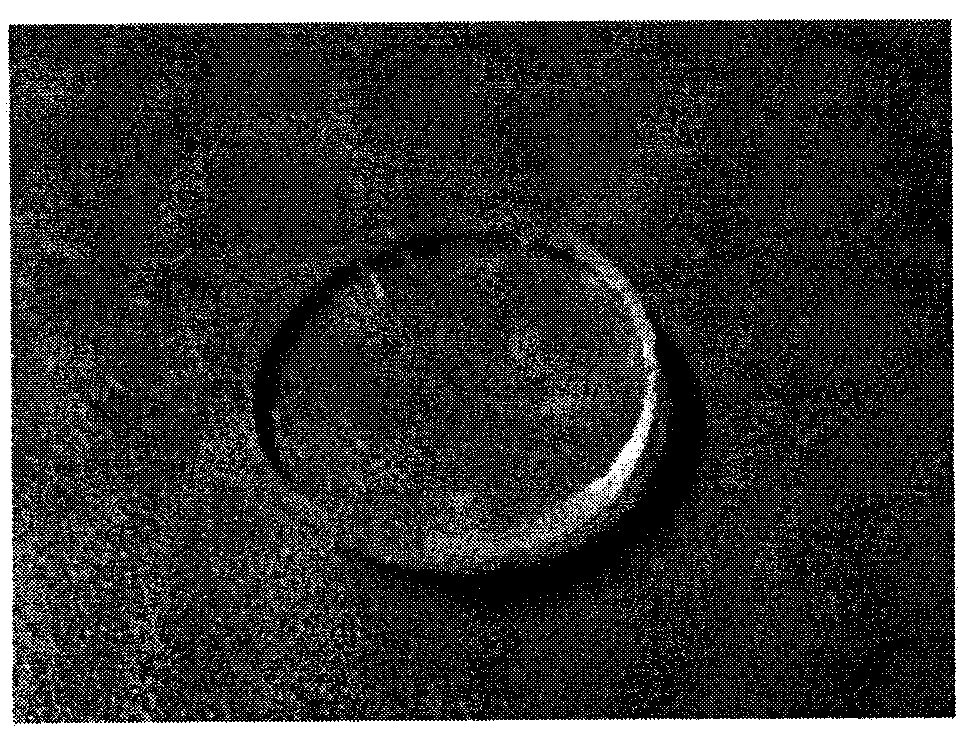
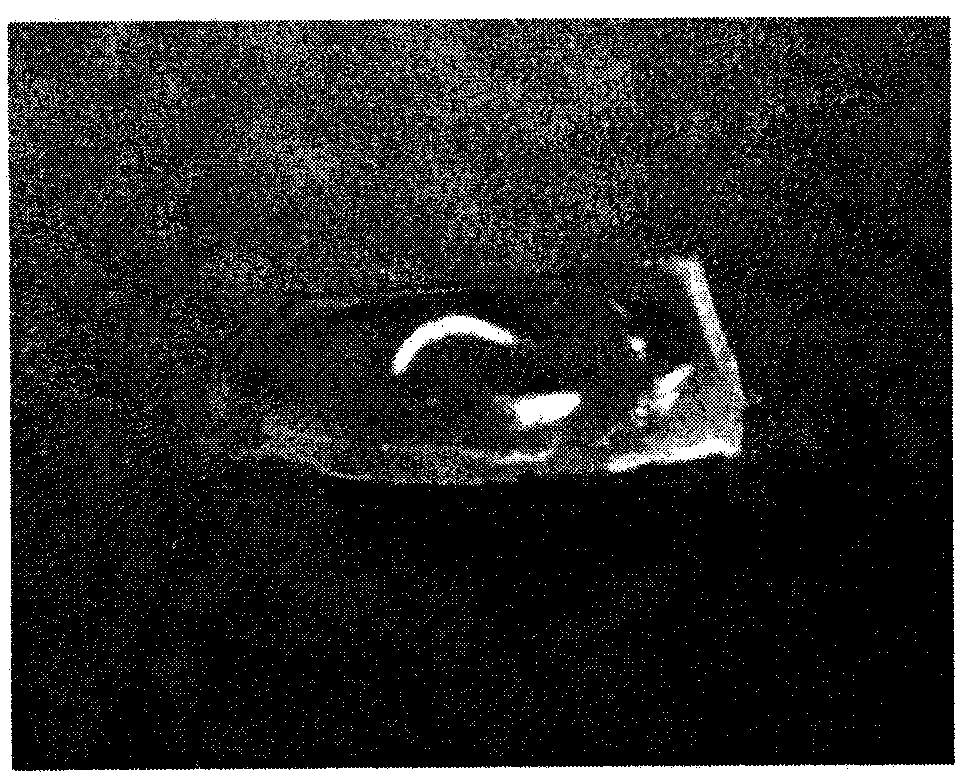
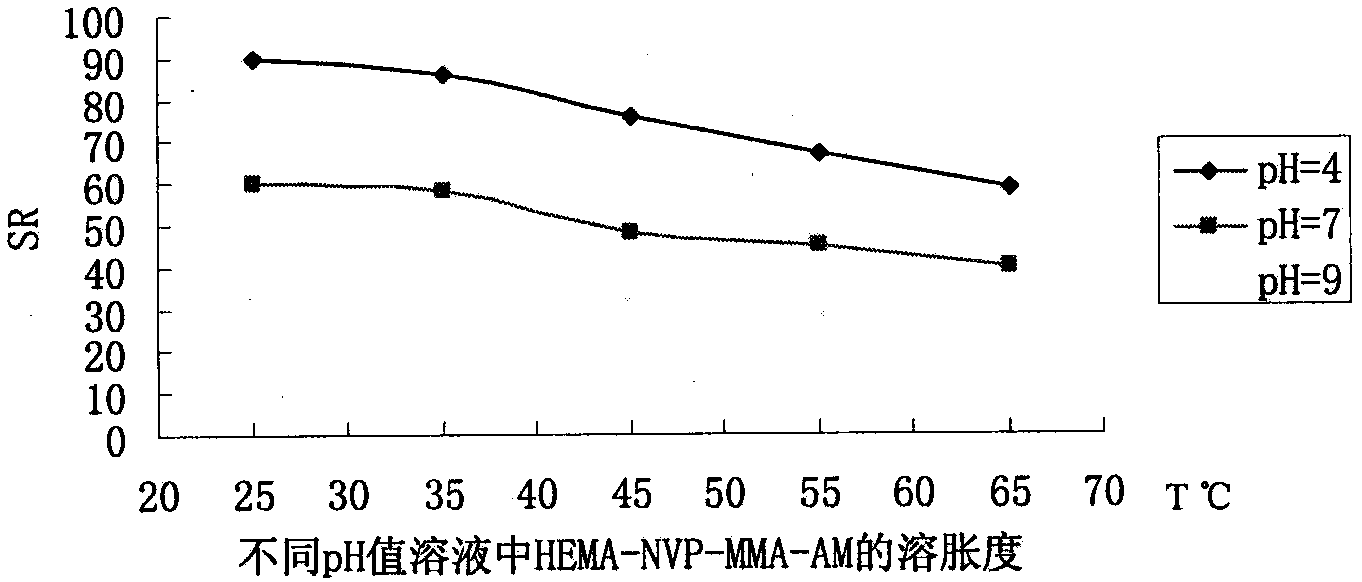
the structure of the environmentally friendly knitted fabric provided by the present invention; figure 2 Flow chart of the yarn wrapping machine for environmentally friendly knitted fabrics and storage devices; image 3 Is the parameter map of the yarn covering machine
View more
Image
Smart Image Click on the blue labels to locate them in the text.
Viewing Examples
Smart Image
Click on the blue label to locate the original text in one second.
Reading with bidirectional positioning of images and text.
Smart Image
Examples
Experimental program
Comparison scheme
Effect test
Embodiment 1
[0019] According to the ratio of Example 1 in Table 1, accurately measure HEMA, NVP, MMA, AM, add 0.1% initiator N, N,-methylenebisacrylamide, azobisisobutyronitrile AIBN and place it in a 50ml beaker In, seal the mouth of the beaker. Ultrasonic vibration is then used to dissolve the contents of the beaker so that the components are completely and uniformly mixed.
[0020] Filter the prepared mixed solution under dust-free operation, absorb the obtained filtrate with a dropper, drop it into the treated mold, seal it and place it in a constant temperature water bath at 60~70°C for 16 hours or 28 hours, after the reaction is complete Soak in constantly changing distilled water to remove unreacted monomers and release the mold to obtain the product.
[0021] Table 1 ratio table
[0022]
[0023] Sample serial number 2-Hydroxyethyl methacrylate (HEMA) N-vinylpyrrolidone (NVP) Methyl methacrylate (MMA) Acrylamide (AM) Example 1 66% 16% 8% 10% ...
Embodiment 2
[0025] According to the ratio of Example 2 in Table 1, accurately measure HEMA, NVP, MMA, AM, add 0.1% initiator N, N,-methylenebisacrylamide, azobisisobutyronitrile AIBN and place it in a 50ml beaker In, seal the mouth of the beaker. The following operations are the same as in Example 1.
Embodiment 3
[0027] According to the ratio of Example 3 in Table 1, accurately measure HEMA, NVP, MMA, AM, add 0.1% initiator N, N,-methylenebisacrylamide, azobisisobutyronitrile AIBN and place it in a 50ml beaker In, seal the mouth of the beaker. The following operations are the same as in Example 1.
the structure of the environmentally friendly knitted fabric provided by the present invention; figure 2 Flow chart of the yarn wrapping machine for environmentally friendly knitted fabrics and storage devices; image 3 Is the parameter map of the yarn covering machine
Login to View More
PUM
Property
Measurement
Unit
transmittivity
aaaaa
aaaaa
Login to View More
Abstract
The invention discloses a novel thermo-sensitive transparent biocompatible material, which consists of four monomers, namely 2-hydroxyethyl methacrylate (HEMA), N-vinyl pyrrolidone (NVP), methyl methacrylate (MMA) and acrylamide (AM). The thermo-sensitive transparent biocompatible material is copolymer hydrogel synthesized by a thermal polymerization method, and the optimum ratios of the four monomers are disclosed. The thermo-sensitive transparent biocompatible material is high in moisture content and high in light transmittance, has the advantages of flexibility and comfort, has transparency and a thermo-sensitive characteristic, has a bright application prospect in aspects of the release and absorption of heavy metals, the control and release of medicines and the like, and is suitable for corneal contact lens materials for sustained-release medicines.
Description
technical field [0001] The invention relates to a transparent material, in particular to a novel temperature-sensitive transparent biocompatible material with good biocompatibility, and belongs to the field of material science. Background technique [0002] Transparent biomaterials can be used to make contact lenses. Since Czech scientist Wichterle obtained the US patent for 2-hydroxyethyl methacrylate (HEMA) material, HEMA was officially introduced into the contact lens manufacturing industry. However, the polymer synthesized by HEMA has only 40% water content, low water content and poor deposition resistance. So people began to use HEMA monomer and other hydrophilic monomers to copolymerize to optimize the performance of the copolymer. Other monomer materials for soft contact lenses include N-vinylpyrrolidone (NVP), glyceryl methacrylate (GM), methacrylic acid (MA) and methyl methacrylate (MMA). At present, there are mainly three types of materials for synthetic soft co...
Claims
the structure of the environmentally friendly knitted fabric provided by the present invention; figure 2 Flow chart of the yarn wrapping machine for environmentally friendly knitted fabrics and storage devices; image 3 Is the parameter map of the yarn covering machine
Login to View More
Application Information
Patent Timeline
Application Date:The date an application was filed.
Publication Date:The date a patent or application was officially published.
First Publication Date:The earliest publication date of a patent with the same application number.
Issue Date:Publication date of the patent grant document.
PCT Entry Date:The Entry date of PCT National Phase.
Estimated Expiry Date:The statutory expiry date of a patent right according to the Patent Law, and it is the longest term of protection that the patent right can achieve without the termination of the patent right due to other reasons(Term extension factor has been taken into account ).
Invalid Date:Actual expiry date is based on effective date or publication date of legal transaction data of invalid patent.


 Login to View More