Get well toy

a medical condition and toy technology, applied in toys, dolls, entertainment and other directions, can solve the problems of children with chronic or serious medical conditions, inability to find a parent or nurse, and difficulty in forcing children to take their medications,

US20080214089A1Inactive Publication Date: 2008-09-04VERMAC GERALDINE +1
6 Cites 27 Cited by

Patent Information

Authority / Receiving Office
US · United States
Patent Type
Applications(United States)
Current Assignee / Owner
Publication Date
2008-09-04
Estimated Expiration
Not applicable · inactive patent

Smart Images

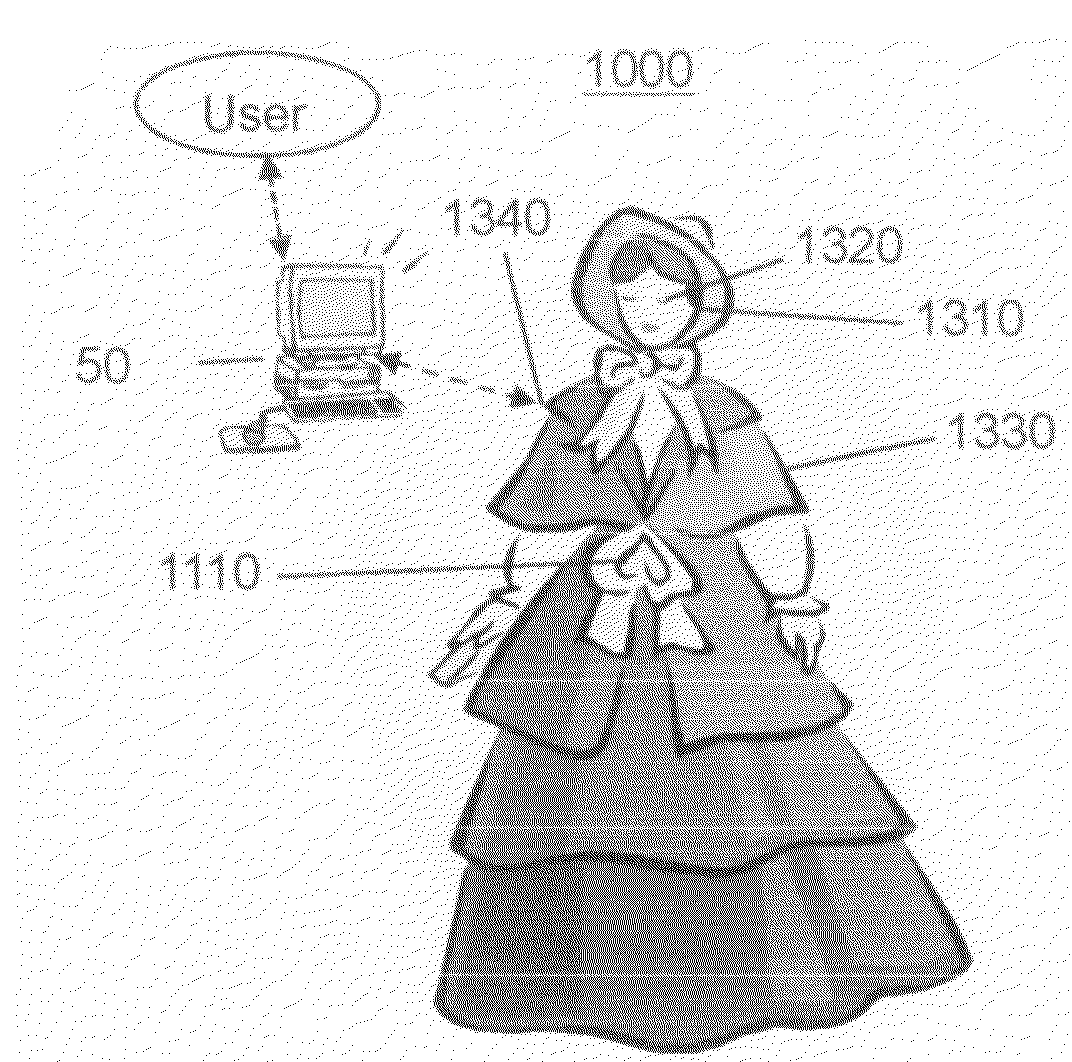
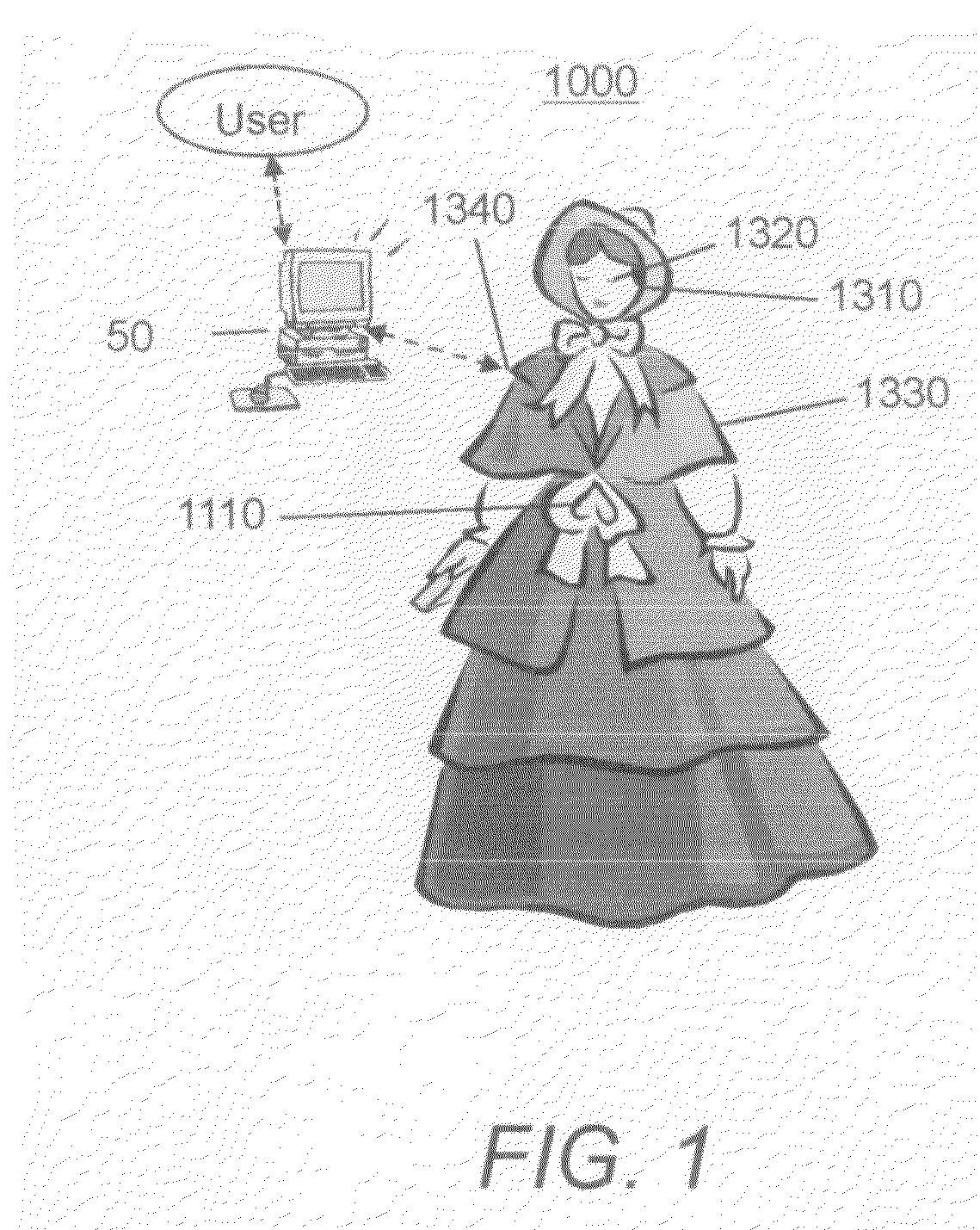
  • Figure 1
    Figure 1
  • Figure 2
    Figure 2
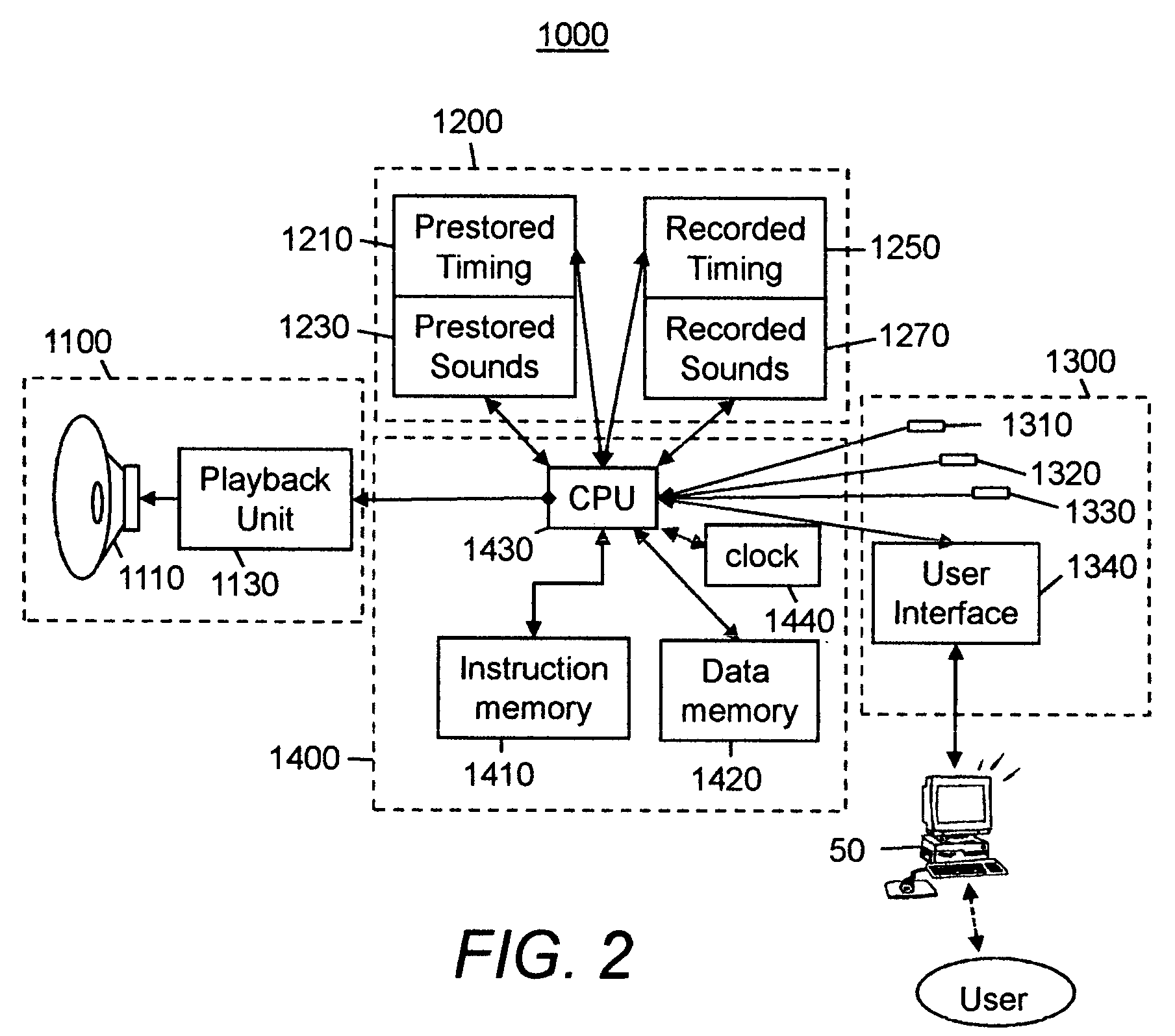
  • Figure 3
    Figure 3
Patent Text Reader

Abstract

The present invention relates to a toy being a doll or stuffed animal for aiding a child with a medical disorder. The toy has internal circuitry allowing it to store and play back comments, some of which are designed to remind the child of medical treatments and familiarize the child with the nature of the treatments. It is also programmed to play back comments which put the child at ease. These comments may be scheduled at specific times, or output at random times. There may also be sound, light and motion sensors in addition to an internal clock which determine the current conditions. Certain comments are output on certain conditions as measured by the sensors. In addition, the toy may monitor the child to determine periods of crying and sleep cycles for later download to a medical professional.
Need to check novelty before this filing date? Find Prior Art

Description

BACKGROUND OF THE INVENTION

[0001] 1. Field of the Invention

[0002] The present invention relates to a toy for a child with a medical condition and more specifically a doll or stuffed animal for a child with a medical condition that aids in the child's medical treatment.

[0003] 2. Discussion of Related Art

[0004] Children with serious or chronic medical conditions are required to either cooperate in medical testing, or take some medication at periodic intervals. Even though parents and nurses aid in this function, there are times which the parent or nurse is not available.

[0005] Children with these chronic or serious medical conditions are typically intimidated and scared of the medical staff, the environment and the medical equipment. This may cause them to be uncooperative and refuse to take the medicine or participate in the testing.

[0006] It is difficult to force children to take their medications, and forcing them causes them to distrust the medical staff.

[0007] If they do not take their ...

Examples

Embodiment Construction

[0025]Small children typically rely on their toys as safe and secure companions. They love and trust their toys, such as a doll or stuffed animal. Usually, these may be with the child most of the time, especially if the child is in an unfamiliar place such as a hospital. The toy typically calms them and makes them feel more secure.

[0026]It is possible to use this trusted object to provide proper messages to a sick child. The messages may reinforce the benefits of cooperating with the medical staff in age-appropriate language.

[0027]Since the toy is always with the child, it may easily act as a reminder. It can notify the child, nurse or parent of times to take medication, eat or perform a test.

[0028]The toy may also act as a consoling device, providing friendly comments intended to console the child.

[0029]Finally, it may act as an education device providing simplistic descriptions of procedures to be performed. An unknown procedure tends to scare a child more than the actual procedur...