
A kind of magnetization roasting method of high iron waste slag or minerals
A magnetization roasting and waste slag technology, applied in the direction of improving the process efficiency, can solve the problems of difficult to adapt to the complex composition of non-ferrous smelting high-speed iron materials, difficult to control the reduction intensity, increase the decoking process and other problems, achieve simple daily operation and maintenance, and good magnetization effect. , the effect of avoiding secondary pollution
Patent Information
- Authority / Receiving Office
- CN · China
- Patent Type
- Patents(China)
- Current Assignee / Owner
- Publication Date
- 2016-08-17
Smart Images
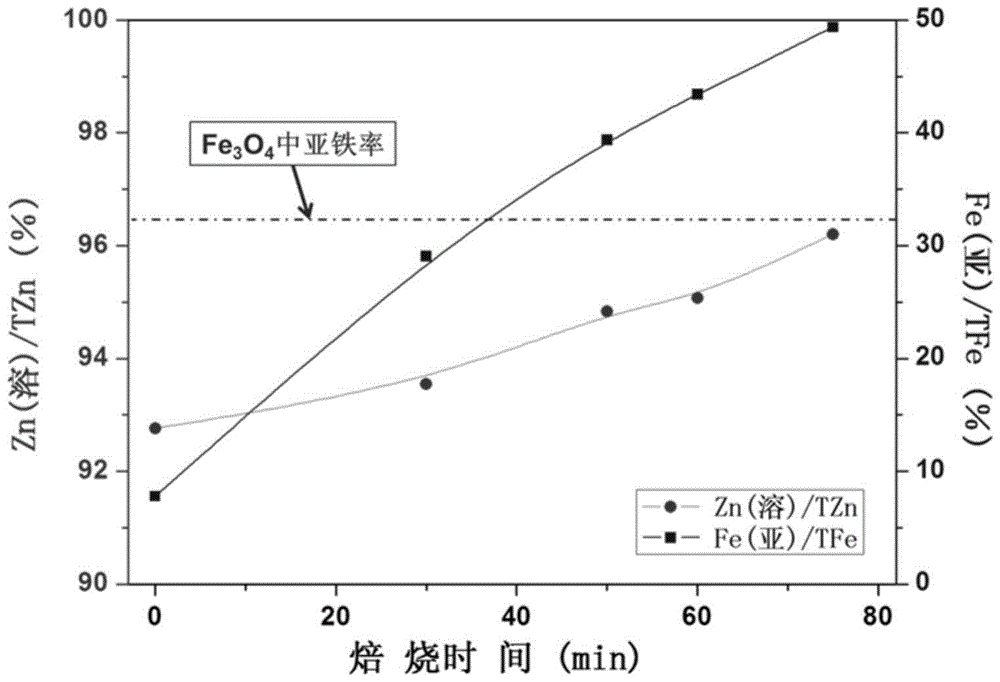
Figure 1 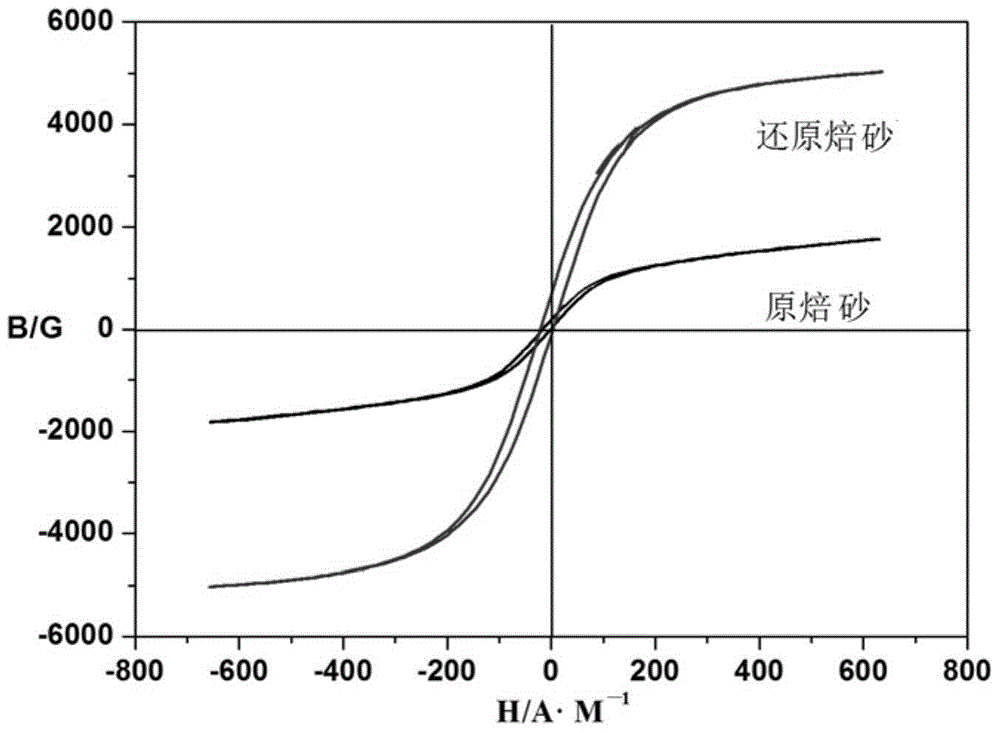
Figure 2
Abstract
Description
technical field
[0001] The invention relates to a method for magnetizing and roasting high-iron waste slag or minerals through atmosphere adjustment, and belongs to the field of pyrometallurgical engineering. Background technique
[0002] Magnetization roasting is a roasting process that makes the iron components in low-grade iron-containing materials that are difficult to select become magnetic ferrites. Since the magnetism of silicon, aluminum, zinc, copper and other mineral components does not change during the roasting process, the iron components Fractions are easily separated and enriched in the subsequent magnetic separation process. Although magnetization roasting can be divided into three types: oxidation roasting, neutral roasting and reduction roasting, the application range of oxidation magnetization roasting and neutral magnetization roasting is relatively small. Generally, magnetization roasting is essentially reduction roasting.
[0003] Generally speaking, m...
Examples
Embodiment 1
[0023] Using producer gas as fuel, magnetize and roast a certain iron-zinc calcine (containing 58.0% zinc, 7.4% iron, and its main phases are zinc oxide and zinc ferrite), so that the zinc ferrite is magnetized and decomposed into zinc oxide and ferroferric oxide. The gas composition is determined by the German MRU flue gas analyzer. The composition is shown in Table 1. The gas is mixed with a certain amount of air and ignited. After the furnace temperature rises to about 600 ° C, the gas flow rate is adjusted to 5~ 6Nm 3 / min, adjust the air intake volume to about 5Nm 3 / min, the temperature in the furnace is 700-750°C at this time, the composition concentration of the combustion tail gas is shown in Table 2, and the feed rate is 200kg / h, and the changes of the soluble zinc rate and ferrous rate of the material under different residence times are shown in the appendix figure 1 shown.
[0024] Table 1 Concentration of main components of producer gas ("—" means not detected b...
Embodiment 2
[0029] Natural gas is used as fuel, and the above-mentioned raw materials are also magnetized and roasted. The concentration of methane and other alkanes in natural gas is more than 95%, and the rest is a small amount of hydrogen sulfide. Mix the natural gas with a certain amount of air and ignite it. Adjust the temperature after the furnace temperature rises to about 700°C. The flow rate of natural gas is 1~1.2Nm 3 / min, adjust the air flow to about 4~5Nm 3 / min, the temperature in the furnace is 700~750℃ at this time, the composition concentration of the combustion tail gas is shown in Table 3, the hysteresis loops of the roasted products and raw materials are compared in the attached figure 2 shown.
[0030] Table 3 Concentration of main components of combustion exhaust gas
[0031] Element