
Male infertility related genetic marker
A technology of male infertility and genetic markers, applied in the direction of microbial measurement/testing, DNA/RNA fragments, recombinant DNA technology, etc., can solve problems such as enhancement and male infertility
Patent Information
- Authority / Receiving Office
- CN · China
- Patent Type
- Applications(China)
- Current Assignee / Owner
- Publication Date
- 2015-01-21
- Estimated Expiration
- Not applicable · inactive patent
Smart Images
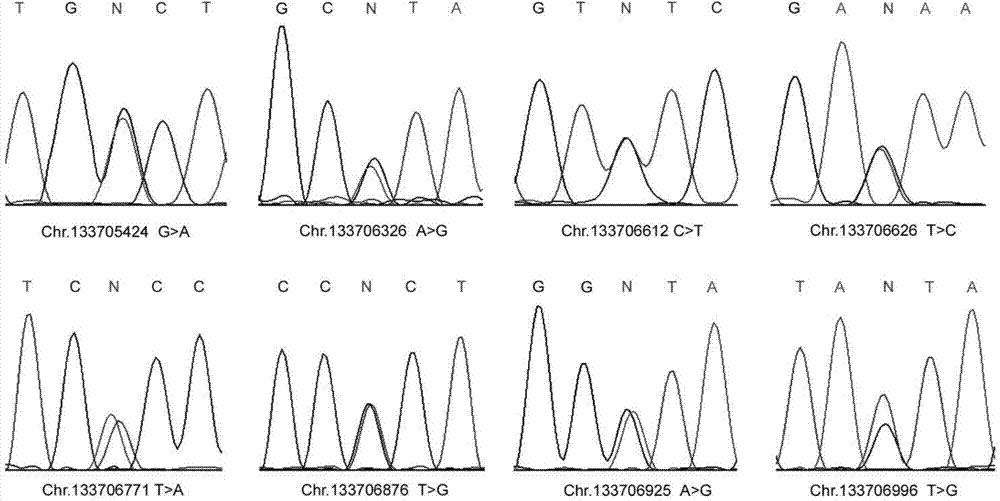
Figure 1 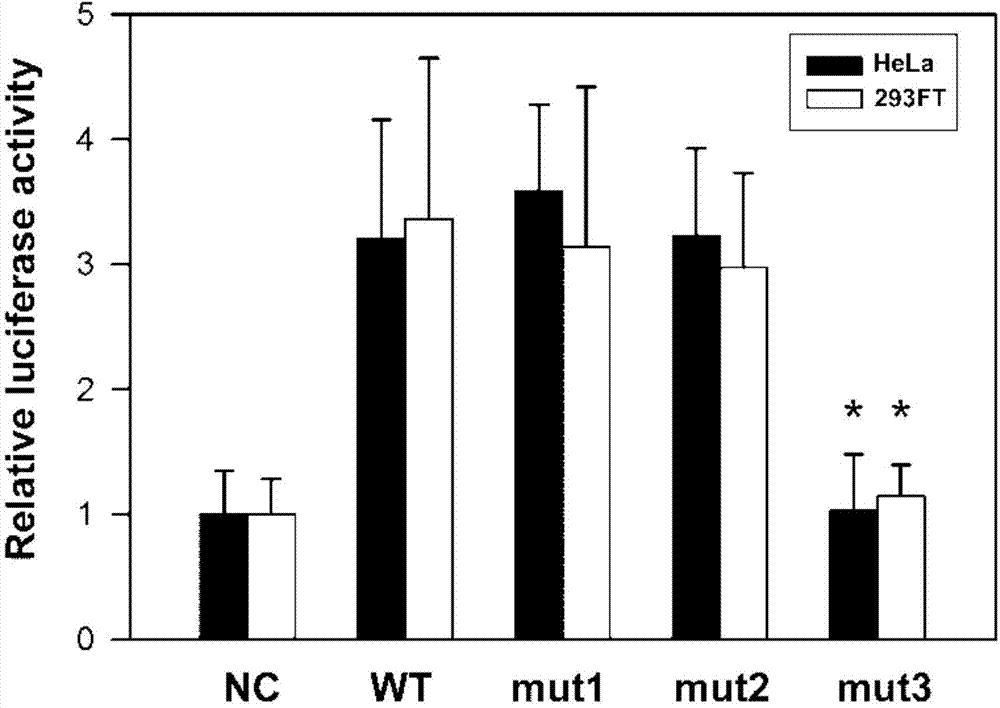
Figure 2 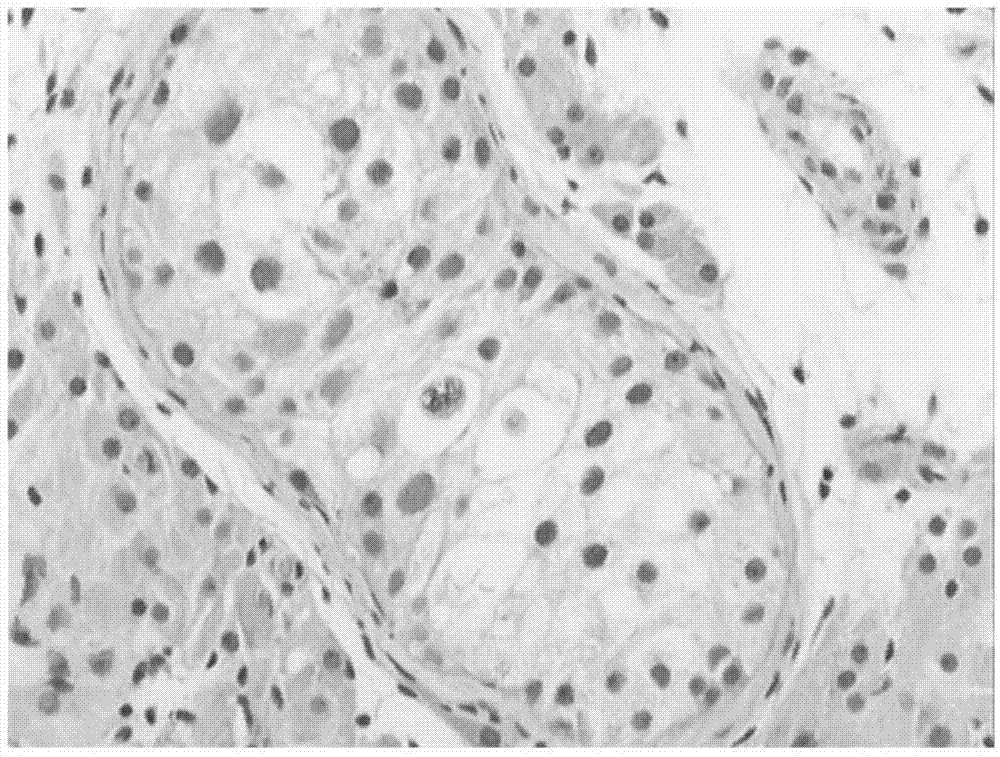
Figure 3
Abstract
Description
technical field
[0001] This application relates to the field of male infertility detection. Background technique
[0002] Infertility has attracted more and more attention and has become a worldwide problem that needs to be solved urgently. The pathogenic factors of male infertility are characterized by complexity and diversity, but the specific pathogenesis is still unclear. At present, the exploration of the pathogenesis of male infertility mainly focuses on genetic factors, and 15% of infertility cases in the world are caused by gene mutations.
[0003] Current studies suggest that male infertility is largely due to the dysfunction of related genes involved in spermatogenesis, resulting in abnormal spermatogenesis. The process of spermatogenesis and maturation is accompanied by the expression of a series of testis-specific genes, which are called "chauvinist genes", and these genes play a decisive role in the process of sperm production. Ubiquitin-conjugating enzyme E2...
Examples
Embodiment Construction
[0021] The present invention will be further described in detail below through specific embodiments in conjunction with the accompanying drawings.
[0022] 1 Experimental materials
[0023] 1.1 Blood samples from male infertile patients and males with normal fertility
[0024] Blood samples from 300 patients with idiopathic azoospermia (IA) and 300 males with normal fertility were collected in Peking University Shenzhen Hospital. Patients were included according to the WHO diagnostic criteria for IA, and the criteria were as follows: 1) No sperm was found in the semen after 3 centrifuge examinations, 2) No verification and damage to the pelvic cavity and reproductive system, 3) No endocrine system diseases, 4) No chromosomes Karyotypic abnormalities and Y chromosome microdeletions. For patients with azoospermia, testicular biopsy and tissue type analysis were performed as much as possible, and each normal male selected in the control group gave birth to at least one child. ...