

Method for producing MOFs for deep removal of dibenzothiophene sulfides in automotive diesel
A dibenzothiophene and sulfide technology, applied in chemical instruments and methods, cadmium organic compounds, iron organic compounds, etc., to achieve the effect of large adsorption capacity, excellent selectivity, and large adsorption capacity
Patent Information
- Authority / Receiving Office
- CN · China
- Patent Type
- Patents(China)
- Current Assignee / Owner
- Publication Date
- 2019-03-05
Smart Images
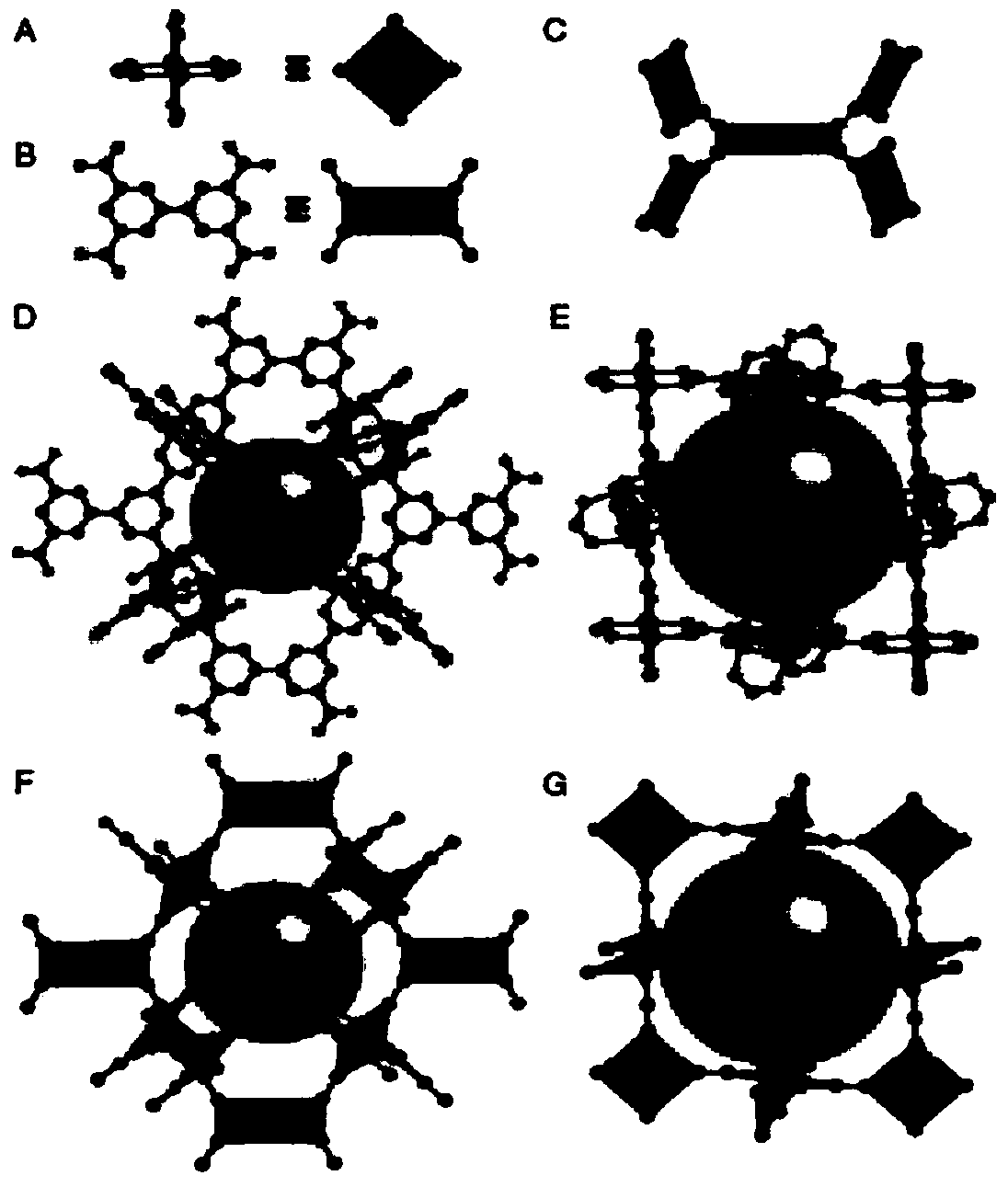
Figure 1 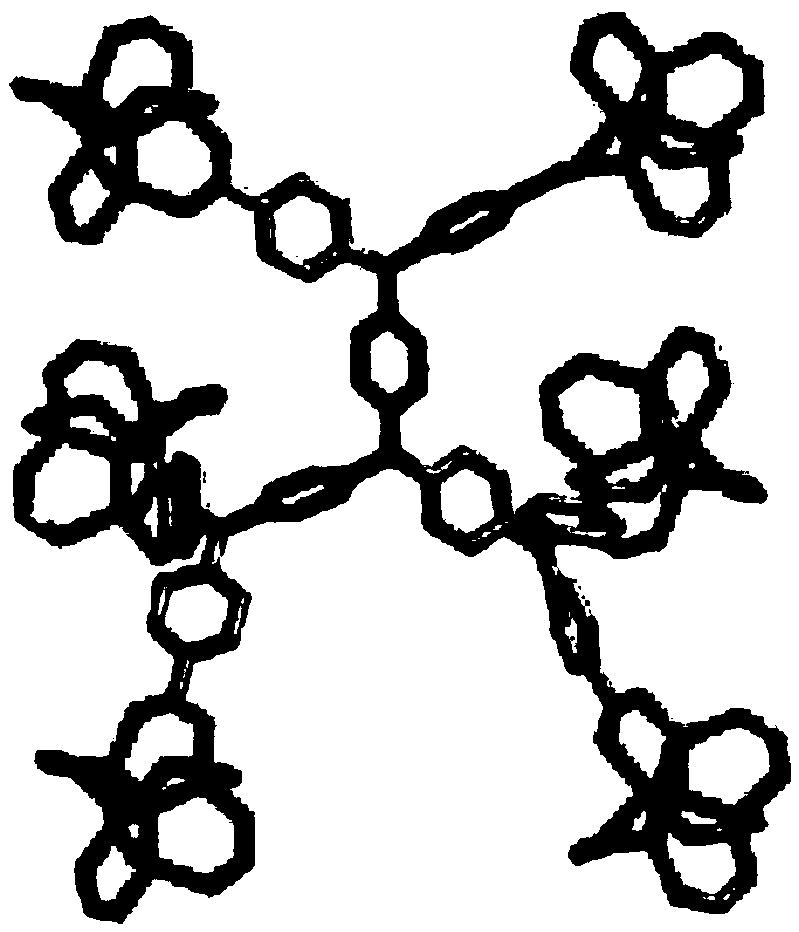
Figure 2
Abstract
Description
technical field
[0001] The invention belongs to the application of novel porous adsorption materials in the field of chemical industry, and in particular relates to a method for deeply removing MOFs of dibenzothiophene sulfides from vehicle diesel oil. Background technique
[0002] The principle of adsorption desulfurization technology is to use an adsorbent with selective adsorption capacity to directly separate dibenzothiophene sulfides in diesel oil, so as to realize desulfurization of diesel oil, without the participation of hydrogen, at low temperature and normal pressure, with mild operating conditions . The adsorption methods of dibenzothiophene sulfides in diesel can be divided into physical adsorption and chemical adsorption. Chemisorption methods include π-complex adsorption mechanism (based on the formation of π-complex bond between adsorbate and adsorbent) and S-M coordination adsorption mechanism (based on the force formed between metal and sulfide). In adsorp...
Examples
Embodiment 1
[0023] Cr(NO 3 ) 3 9H 2 O. Terephthalic acid, hydrofluoric acid and water are stirred at a molar ratio of 1:1:1:280 for 30 minutes and then coated on a copper plate with a thickness of 1 mm. The copper plate is placed in a stainless steel adsorption column and heated at 250 ° C Reacted for 12 hours, when the initial sulfur concentration was 350ppm, the saturated sulfur capacity of the modified organic framework p-dibenzothiophene in Case 1 was 150.08mg-DBT / g ads , the saturated sulfur capacity of metal-organic framework p-dibenzothiophene before modification is 96.2mg-DBT / g ads .
Embodiment 2
[0025] 0.22mmol of Cu(NO 3 ) 2 2.5H 2 O and 0.076mmol of 3,3,5,5-biphenyltetracarboxylic acid were dissolved in N,N-dimethylformamide / ethanol / water (volume ratio 3:2:2), at 30°C Stir for 45 minutes, and then apply it on an aluminum plate with a thickness of 1.5 mm. Keep the reaction temperature at 50° C. for 48 hours to synthesize a three-dimensional metal-organic framework by hydrothermal synthesis. The metal-organic framework and unit cell structure synthesized in Case 2 are as follows figure 1 shown. The adsorption sulfur capacity of the modified metal-organic framework for 4-methyldibenzothiophene is 8.9 mg / gads, which is 210% of the adsorption sulfur capacity of the unmodified metal-organic framework.
Embodiment 3
[0027] Zn(NO 3 ) 2 ·6H 2 O and 4,4,4-tris(N,N-bis(4-carboxyphenyl)-amino)triphenylamine were dissolved in N,N-dimethylacetamide and water, Zn(NO 3 ) 2 ·6H 2 O, 4,4,4-tris(N,N-bis(4-carboxyphenyl)-amino)triphenylamine, N,N-dimethylacetamide and water in a molar ratio of 1:20:10: 10. Mix evenly. After stirring, apply it on an iron plate with a thickness of 0.5 mm. Under nitrogen atmosphere, heat up to 220°C and react for 24 hours to obtain a three-dimensional network topology. The unit cell structure of the synthesized MOFs is as follows: figure 2 shown. In Case 3, the adsorption capacity of 4,6-dimethyldibenzothiophene in diesel reached 20.0mg / g ads , has almost no adsorption capacity for alkanes and aromatics.