
A kind of conductive agent, its preparation method and lithium ion battery containing the conductive agent
A conductive agent, an unsubstituted technology, applied in the field of lithium-ion battery materials, can solve the problems of large market share, high price, and difficulty in dispersing
Patent Information
- Authority / Receiving Office
- CN · China
- Patent Type
- Patents(China)
- Current Assignee / Owner
- Publication Date
- 2019-04-05
Smart Images
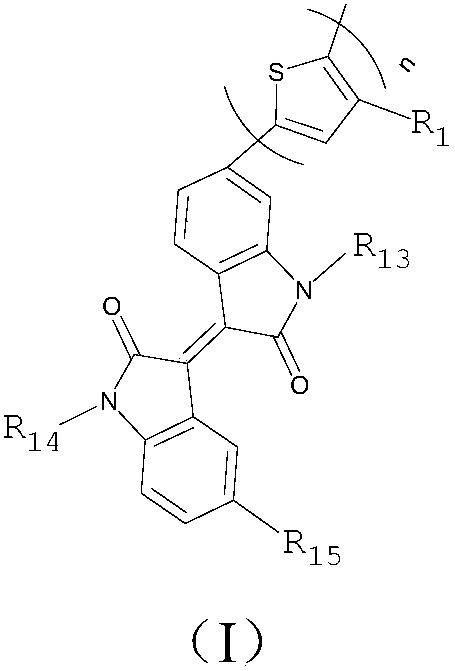
Figure 1 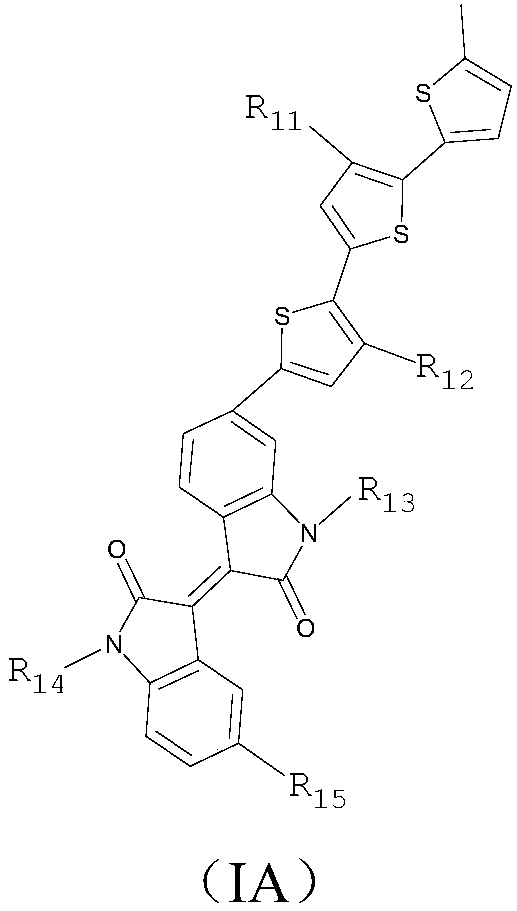
Figure 2 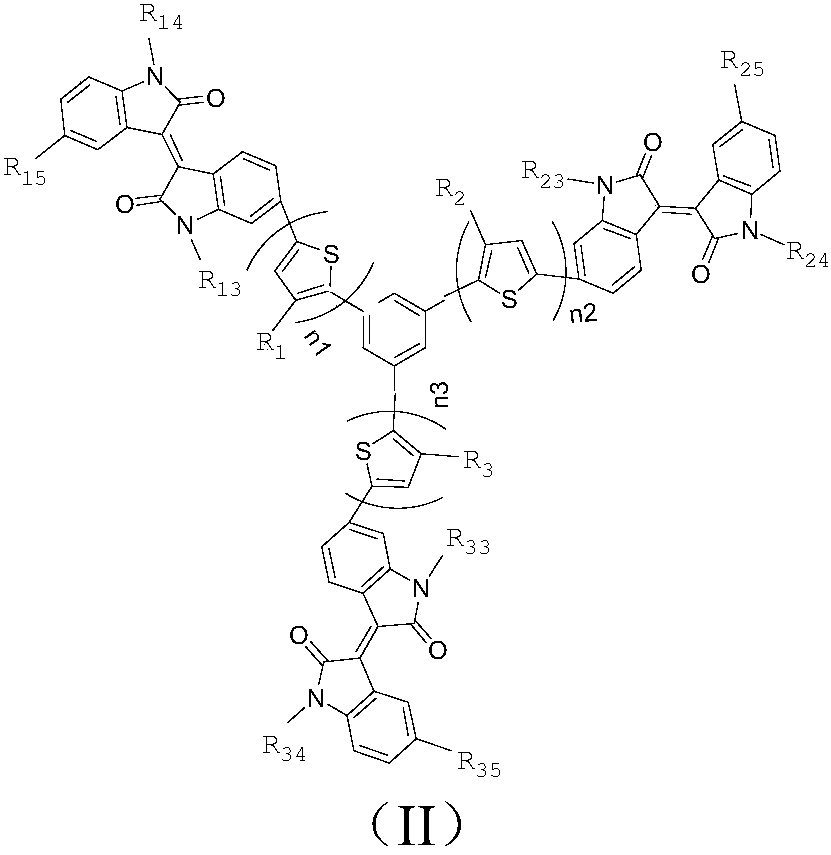
Figure 3
Abstract
Description
Technical field
[0001] This application relates to the field of lithium ion battery materials, and specifically to a conductive agent, a preparation method thereof, and a lithium ion battery containing the conductive agent. Background technique
[0002] Currently, most of the cathode active materials used in lithium-ion batteries are transition metal oxides or transition metal phosphates. They are all semiconductors or insulators and have poor conductivity. Therefore, a conductive agent must be added to improve conductivity.
[0003] From the market point of view, conductive agents mainly include conductive carbon black (Super P), conductive graphite (KS-6), vapor-grown carbon fiber (VGCF), carbon nanotube (CNT) and so on. Super P is characterized by its small particle size and is a popular conductive agent for lithium-ion batteries, with a large market share; conductive graphite acts as a node in the conductive network in the battery to improve the conductivity of the electrode; c...
Examples
preparation example Construction
[0082] In order to achieve the second objective of this application, the preparation method of the conductive agent shown in formula III includes at least the following steps:
[0083] Step 1): Preparation of compound 3
[0084] Compound 1 and compound 2 are subjected to a substitution reaction to obtain compound 3.
[0085] As an improvement of the preparation method of the conductive agent of the present application, the reaction temperature is 100°C to 120°C, the reaction time is 22 to 26 hours, and tris(dibenzylideneacetone)dipalladium is added as a catalyst during the reaction. Phenyl) phosphorus acts as a ligand. Compound 1: Compound 2: Tris (dibenzylideneacetone) dipalladium: tris (o-methylphenyl) phosphorus in a molar ratio of 1.55 to 1.75: 1.85 to 2.05: 0.035 to 0.055: 0.145 to 0.175. The reaction is carried out in an inert gas.
[0086]
[0087] Step 2): Preparation of compound 4
[0088] Compound 3 is subjected to substitution reaction with N-bromosuccinimide to obtain com...
Embodiment 1~3
[0107] The structural formulas of the conductive agents of Examples 1 to 3 are shown in Formula III, and the specific selection of substituents is shown in Table 1:
[0108]
[0109]
[0110] Table 1
[0111] Example
R 11 , R 21 , R 31
R 12 , R 22 , R 32
R 13 , R 23 , R 33
R 14 , R 24 , R 34
R 15 , R 25 , R 35
Example 1
Hexyl
Hexyl
2-ethylhexyl
2-ethylhexyl
-F
Example 2
Sinki
Sinki
-F
Example 3
Phenyl
Phenyl
Methoxy
Methoxy
-F
[0112] Specifically, the preparation method of the conductive agent shown in Example 1 is:
[0113] Step 1): Preparation of compound 3
[0114] The N-2-ethylhexyl-5-fluoro-6'-bromoisoindigo (4820mg, 8.2mmol), 3,4'-dihexyl-(2,2'-dithiophene)-5-trimethyl Stannane (4940mg, 9.8mmol), tris(dibenzylideneacetone) dipalladium (190mg, 0.2mmol) and tris(o-methylphenyl)phosphorus (250mg, 0.83mmol) were added to a 500mL dry round bottom flask. The flask was repeatedly evacuated and filled with argon. After the atmosphere in th...