
Synthesis and use of phenylpropionic acid derivatives
A derivative, phenylpropionic acid technology, applied in the prevention and treatment of diabetes, phenylpropionic acid derivatives as GPR120 receptor agonists, can solve problems such as obesity in humans and mice
Patent Information
- Authority / Receiving Office
- CN · China
- Patent Type
- Applications(China)
- Current Assignee / Owner
- Publication Date
- 2017-02-22
- Estimated Expiration
- Not applicable · inactive patent
Smart Images
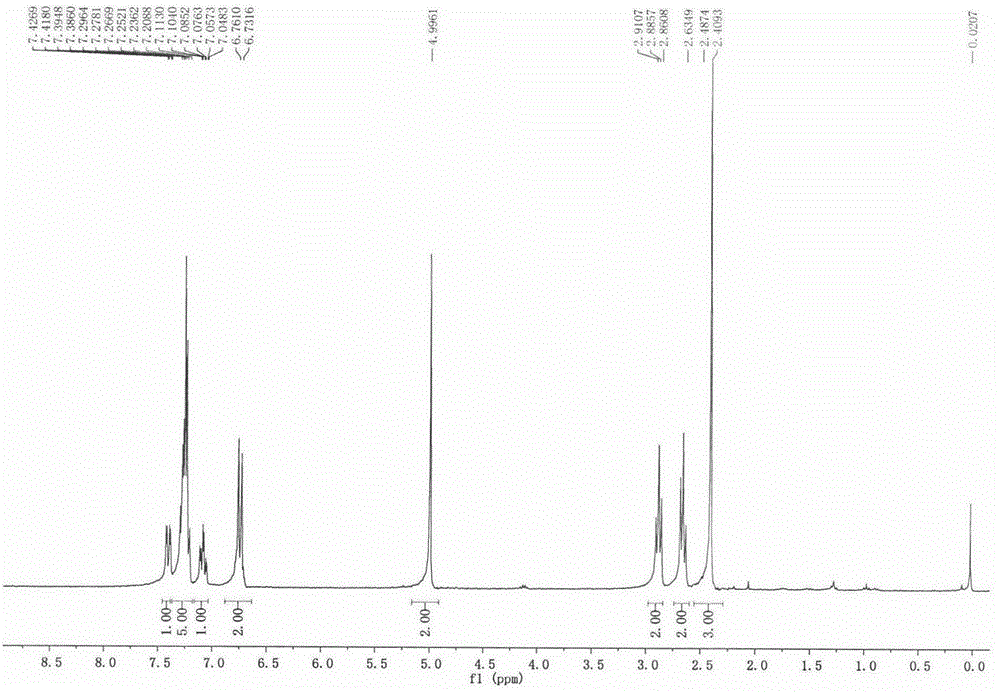
Figure 1 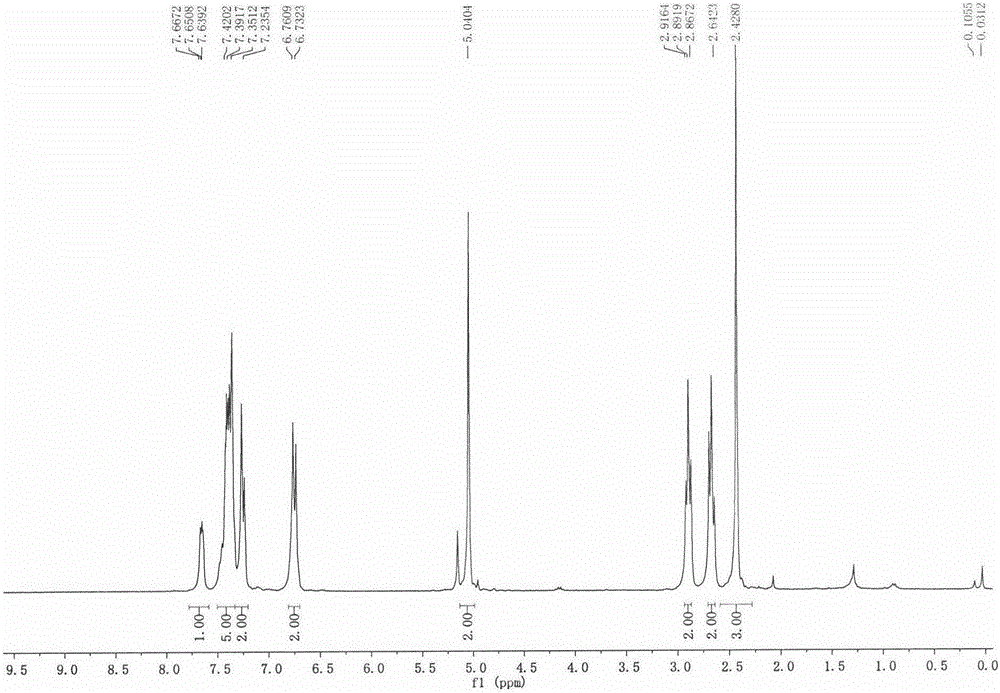
Figure 2 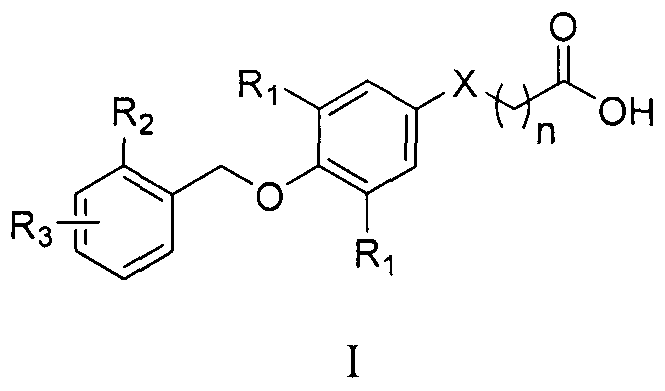
Figure 3
Abstract
Description
technical field
[0001] The present invention relates to the field of medicinal chemistry, in particular to novel phenylpropionic acid derivatives and their preparation methods and their use in pharmacy, and in particular to the use of phenylpropionic acid derivatives as GPR120 receptor agonists in the prevention and treatment of diabetes. Background technique
[0002] Diabetes is a metabolic disease with abnormal glucose metabolism. Clinically, diabetes can be divided into two types: type I and type II diabetes. Type I diabetes, also known as insulin-dependent diabetes, is a chronic autoimmune disease characterized by damage to pancreatic beta cells, resulting in insufficient insulin secretion. 90-95% of people with diabetes are type II diabetes. Hyperglycemia, impaired insulin secretion, and insulin resistance are three hallmarks of type II diabetes. Persistent uncontrolled hyperglycemia significantly increases the risk of macrovascular and microvascular complications, su...
Examples
preparation example Construction
[0051] Preparation of intermediates
[0052] (4-fluoro-4'-methyl-[1,1'-biphenyl]-2-)methanol
[0053] At room temperature, 2-bromo-5-fluorobenzyl alcohol (410mg, 2mmol), p-tolueneboronic acid (299mg, 2.2mmol), anhydrous sodium carbonate (636mg, 6mmol) were dissolved in toluene (10mL), ethanol (5mL) , water (5mL) mixed solution. Under nitrogen protection, tetrakistriphenylphosphinepalladium (116mg, 0.1mmol) was added, and then raised to 70°C and stirred overnight. After the raw materials disappeared, the reaction liquid was cooled to room temperature, filtered with diatomaceous earth and washed with ethyl acetate. The filtrate was extracted with ethyl acetate and washed with saturated brine. The combined organic phases were dried over anhydrous sodium sulfate, desolvated and purified by column chromatography to obtain 267 mg of a yellow liquid with a yield of 62%. 1 H NMR (300MHz, CDCl 3 )δ7.33-7.14(m, 6H), 7.09-6.95(m, 1H), 4.57(s, 2H), 2.41(s, 3H), 1.99(s, 1H).
[0054] ...
Embodiment 1
[0107] 3-(3,5-difluoro-4-((4-fluoro-4'-methyl-[1,1'-biphenyl]-2-)methoxy)phenyl)propanoic acid (I- 1)
[0108]
[0109] At room temperature, (4-fluoro-4'-methyl-[1,1'-biphenyl]-2-)methanol (160mg, 0.74mmol), 3-(3,5-difluoro-4-hydroxybenzene base) ethyl propionate (170 mg, 0.74 mmol), tributylphosphine (295 μL, 1.18 mmol) were dissolved in anhydrous toluene (10 mL). Under N2 protection, a solution of ADDP (298 mg, 1.18 mmol) in toluene (5 mL) was added dropwise to the above reaction solution. After the addition was complete, the reaction was stirred overnight at room temperature. After the raw materials disappeared, add an appropriate amount of n-hexane into the reaction flask, stir for 10 minutes, then filter with diatomaceous earth and wash the filter cake with n-hexane. After distilling off the solvent under reduced pressure, the product was purified by column chromatography to obtain a colorless liquid.
[0110] The colorless liquid was dissolved in methanol (2 mL), ...
Embodiment 2
[0112] 3-(4-((4-chloro-[1,1'-biphenyl]-2-)methoxy)-3,5-difluorophenyl)propanoic acid (I-2)
[0113] Prepare with reference to the method of Example 1. 1 H NMR (300MHz, CDCl 3 )δ7.68(d, J=1.0Hz, 1H), 7.44-7.35(m, 6H), 7.26(d, J=4.1Hz, 1H), 6.72(m, 2H), 4.97(s, 2H), 2.87(t, J=7.4Hz, 2H), 2.65(t, J=7.4Hz, 2H). 13C NMR (75MHz, CDCl 3 )δ178.56,157.62,157.54,155.19,154.32,154.24,140.40,139.11,136.39,136.28,136.17,135.55,135.18,133.38,131.26,130.18,130.01,129.86,129.62,129.33,129.15,128.39,128.26,128.08 , 127.56, 127.48, 127.20, 112.10, 112.00, 111.89, 111.80, 111.72, 73.22, 34.91, 29.70.