
Anti-tilapia streptococcosis Chinese herbal medicine preparation and its preparation process
A technology for streptococcosis and Chinese herbal medicine, applied in antibacterial drugs, pharmaceutical formulations, drug delivery, etc., can solve the problems of ecological environment pollution, excessive drug residues, drug-induced diseases and drug residues, etc., to reduce mortality, improve The effect of medicine
Patent Information
- Authority / Receiving Office
- CN · China
- Patent Type
- Patents(China)
- Current Assignee / Owner
- Publication Date
- 2021-11-09
- Estimated Expiration
- Not applicable · inactive patent
Smart Images
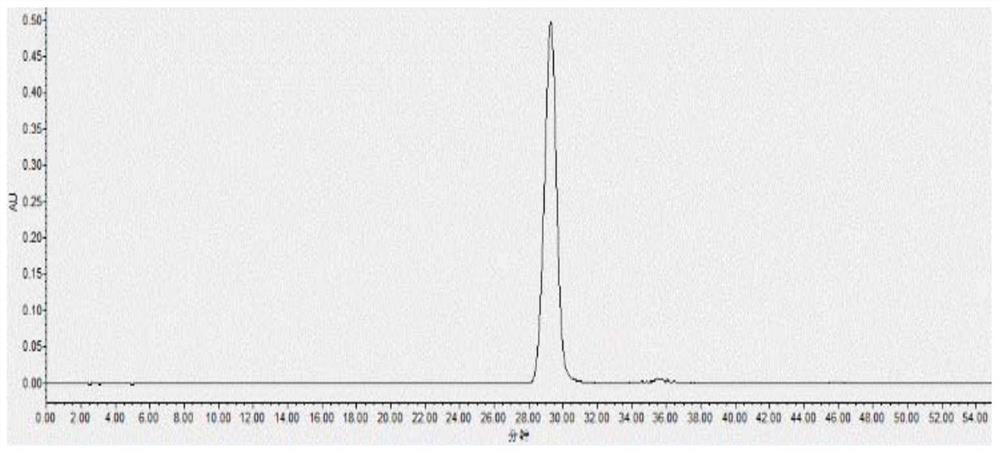
Figure 1 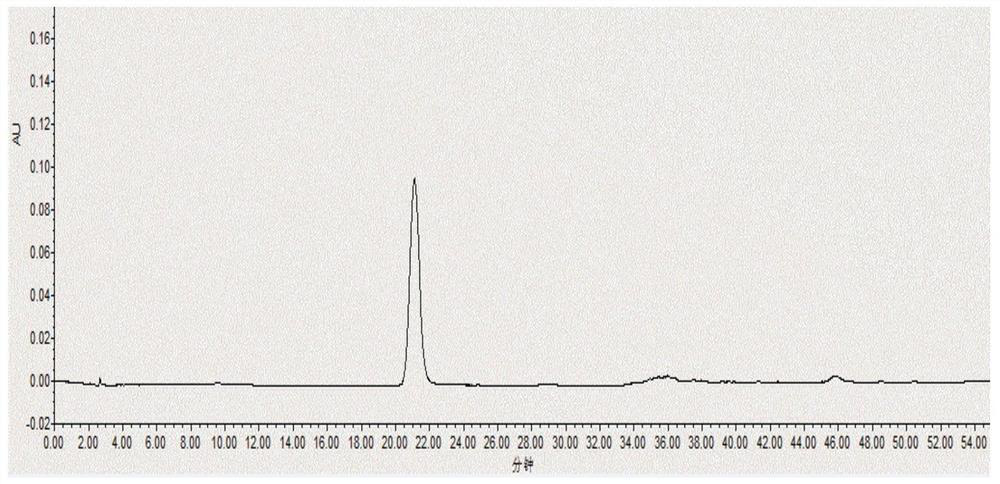
Figure 2 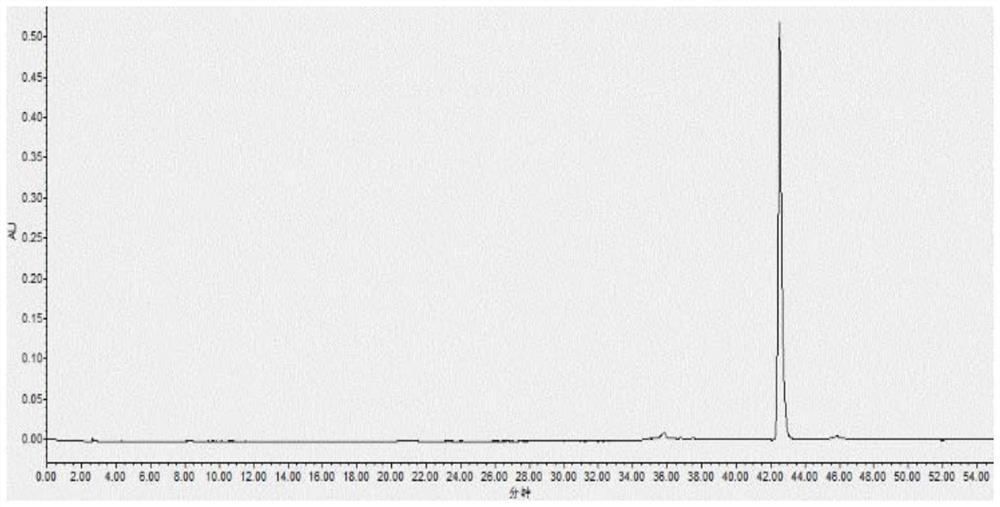
Figure 3
Abstract
Description
technical field
[0001] The invention belongs to the technical field of preventing and treating tilapia streptococcosis, in particular to an anti-tilapia streptococcosis Chinese herbal medicine preparation and a preparation process thereof. Background technique
[0002] Tilapia streptococcosis is a bacterial infectious disease caused by Streptococcus iniae and Streptococcus agalactiae as the main pathogens. Generally outbreaks occur in summer and autumn. Unfavorable environmental factors such as temperature, oxygen content, and ammonia content, as well as stress conditions such as poor feeding conditions and over-density breeding, all create favorable conditions for the prevalence of Streptococcus infection. The traditional treatment method is to add antibiotics to the feed. Long-term use of such drugs will not only pollute the ecological environment, but also lead to drug-induced diseases and drug residues, making pathogenic bacteria resistant to drugs, and the control effe...
Examples
Embodiment 1
[0021] The optimization of extraction process conditions for anti-tilapia streptococcosis Chinese herbal medicine preparations is based on the multiples of water addition, water bath time, water bath times, and alcohol precipitation concentration as the main factors under the condition that the medicinal material batches, concentration, and filtration conditions are consistent. determined the investigation level table, and used the orthogonal experiment design method to design the extraction conditions of anti-tilapia streptococcosis Chinese herbal medicine preparations, and determined the contents of baicalin, forsythin, emodin and The yield of the extract was analyzed by variance analysis. Taking baicalin, forsythin, and emodin as indicators, the orthogonal experiment design is shown in Table 1.
[0022] Table 1 Orthogonal factor level L 9 (3 4 )surface
[0023]
[0024] Table 2 Sanhuanglian mixture extraction process orthogonal test analysis results
[0025]
[00...
Embodiment 2
[0028] Specificity test Accurately weigh 30 mg of baicalin reference substance in a 10 mL volumetric bottle and dilute to the mark with methanol, shake well, and use it as a stock solution (3 mg / mL), then accurately pipette 2.5 mL of the stock solution into a 10 mL volumetric bottle and use Dilute methanol to the mark and shake well to obtain the baicalin reference solution (750 μg / mL). Accurately weigh 24mg of forsythin reference substance in a 10mL volumetric bottle and dilute to the mark with methanol, shake well, and use it as a stock solution (2.4mg / mL), then accurately pipette 6.25mL of the stock solution into a 100mL volumetric bottle and mix with methanol Dilute to the mark and shake well to obtain the forsythin reference solution (150 μg / mL). Accurately weigh 10 mg of emodin reference substance in a 10 mL volumetric bottle and dilute to the mark with methanol, shake well, and use it as a stock solution (1 mg / mL), then accurately pipette 1 mL of the stock solution into...
Embodiment 3
[0031] Precision test Precisely pipette the baicalin and forsythin reference substance solutions under the item 2 of Example 2 and dilute them with methanol to a solution of 600 μg / mL each, and precisely pipette the emodin reference substance solution to prepare a 300 μg / mL solution. Mix in equal amounts to prepare a mixed reference solution containing baicalin 200 μg / mL, forsythin 200 μg / mL, and emodin 100 μg / mL. The mixed reference substance solution was injected into the liquid chromatograph with 10 μ L, and the chromatographic conditions described in Example 2 were continuously injected 6 times to measure the peak areas of baicalin, forsythin and emodin, and the peak areas of baicalin, forsythin and emodin The RSDs were 0.10%, 0.31%, and 0.13%, respectively, and the precision met the requirements of Veterinary Pharmacopoeia.