
Preparation method of breathable and bacteriostatic fabric
A fabric and nitrogen replacement technology, applied in the field of fabrics, can solve the problem that the amount of pure natural extraction cannot meet the market demand, achieve excellent antibacterial effect, solve poor antibacterial effect, and improve hygroscopicity
Patent Information
- Authority / Receiving Office
- CN · China
- Current Assignee / Owner
- Publication Date
- 2019-02-26
Smart Images
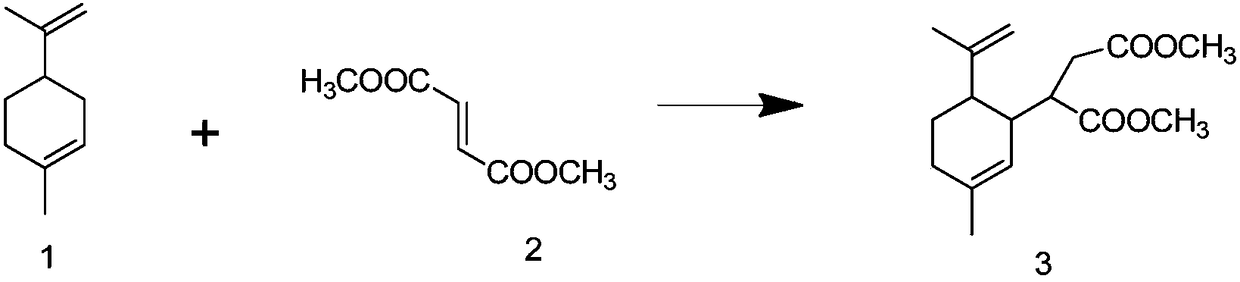
Figure 1 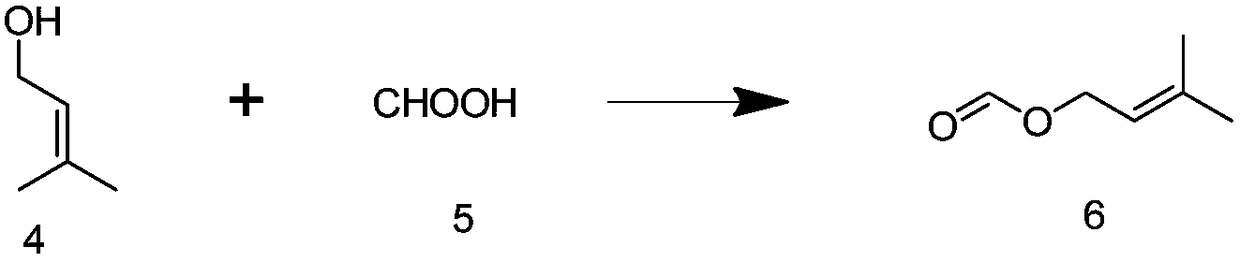
Figure 2 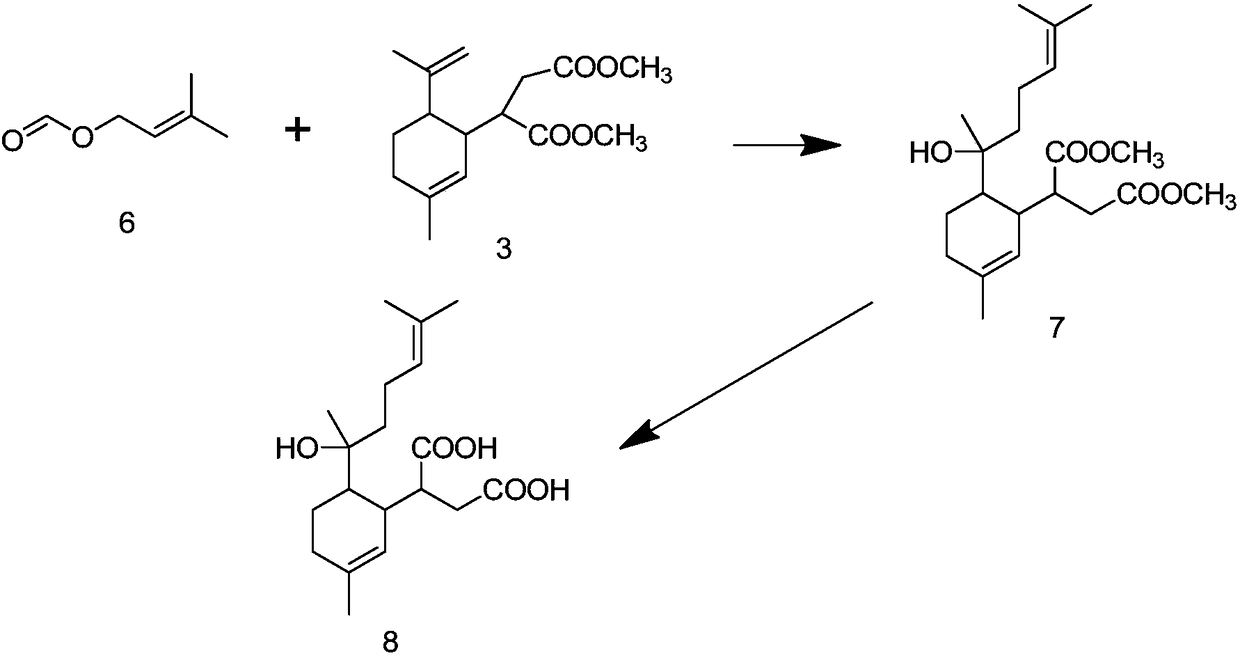
Figure 3
Abstract
Description
technical field
[0001] The invention belongs to the technical field of fabrics, and in particular relates to a preparation method of breathable antibacterial fabrics. Background technique
[0002] Textiles can absorb various nutrients in the air. Under suitable temperature and humidity conditions, microorganisms residing on textiles can reproduce and spread in large numbers, decompose and produce secretions, bring ammonia and other odorous substances, or form bacteria on fabrics. The mildew of textiles is very serious. Most of the bacteria will secrete various pigments, which will contaminate the textiles with red, blue, purple and black stains, seriously affecting the finishing effect and the quality of finished products. Harmful microorganisms can multiply rapidly under suitable environmental conditions and spread diseases, affecting people's health. With the development of social economy and the improvement of living standards, new market demands are generated. Consumers...
Examples
Embodiment 1
[0046] A method for preparing mildew-proof polyester high-strength yarn, specifically comprising the following steps:
[0047] Synthesis of S1, dipentene-4-methyl succinate 3
[0048]
[0049]Add 120 mol of dipentene 1, 130 mol of methyl succinate 2 and 0.15 mol of catalyst iodine into the autoclave, blow in nitrogen to replace the air in the autoclave, heat up in a closed manner, and raise the temperature to 250 °C at a rate of 15 °C / min. ℃, heat preservation for 1 hour, dipentene-4-methyl succinate 3 was obtained, and the yield was 98.9%;
[0050] Synthesis of S2, isopentenyl formate 6
[0051]
[0052] Add 150 mol of prenyl alcohol 4 and 600 mol of formic acid 5 into the reaction flask, stir and react at 35° C. for 4 h to obtain prenyl formic acid ester 6 with a yield of 98.6%;
[0053] S3, the synthesis of bisabolol derivative 8
[0054]
[0055] Add dipentene-4-methyl succinate 3 prepared in step S1 to the reaction flask of step S2, add dichloromethane and pho...
Embodiment 2
[0067] A method for preparing mildew-proof polyester high-strength yarn, specifically comprising the following steps:
[0068] Synthesis of S1, dipentene-4-methyl succinate 3
[0069]
[0070] Add 120 mol of dipentene 1, 130 mol of methyl succinate 2 and 0.16 mol of catalyst iodine into the autoclave, blow in nitrogen to replace the air in the autoclave, heat up in an airtight manner, and raise the temperature to 250 °C at a rate of 15 °C / min. °C, heat preservation for 1 hour, dipentene-4-methyl succinate 3 was obtained with a yield of 99.2%;
[0071] Synthesis of S2, isopentenyl formate 6
[0072]
[0073] Add 150 mol of prenyl alcohol 4 and 660 mol of formic acid 5 into the reaction flask, stir and react at 35° C. for 4 h to obtain prenyl formic acid ester 6 with a yield of 98.8%;
[0074] S3, the synthesis of bisabolol derivative 8
[0075]
[0076] Add dipentene-4-methyl succinate 3 prepared in step S1 to the reaction flask of step S2, add dichloromethane and p...
Embodiment 3
[0089] A method for preparing mildew-proof polyester high-strength yarn, specifically comprising the following steps:
[0090] Synthesis of S1, dipentene-4-methyl succinate 3
[0091]
[0092] Add 120 mol of dipentene 1, 130 mol of methyl succinate 2 and 0.15 mol of catalyst iodine into the autoclave, blow in nitrogen to replace the air in the autoclave, heat up in a closed manner, and raise the temperature to 250 °C at a rate of 15 °C / min. °C, heat preservation for 1 h, dipentene-4-methyl succinate 3 was obtained with a yield of 98.7%;
[0093] Synthesis of S2, isopentenyl formate 6
[0094]
[0095] Add 150 mol of prenyl alcohol 4 and 710 mol of formic acid 5 into the reaction flask, stir and react at 35°C for 4 hours to obtain prenyl formic acid ester 6 with a yield of 98.9%;
[0096] S3, the synthesis of bisabolol derivative 8
[0097] Add dipentene-4-methyl succinate 3 prepared in step S1 to the reaction flask of step S2, add dichloromethane and phosphotungstic a...