
A method for preparing p-xylene by isomerizing m-xylene and/or o-xylene
A m-xylene and o-xylene technology, applied in the field of isomerization of aromatics, can solve the problems of many side reactions, large loss of xylene, low yield of xylene, etc.
Patent Information
- Authority / Receiving Office
- CN · China
- Patent Type
- Patents(China)
- Current Assignee / Owner
- Publication Date
- 2020-07-28
Smart Images
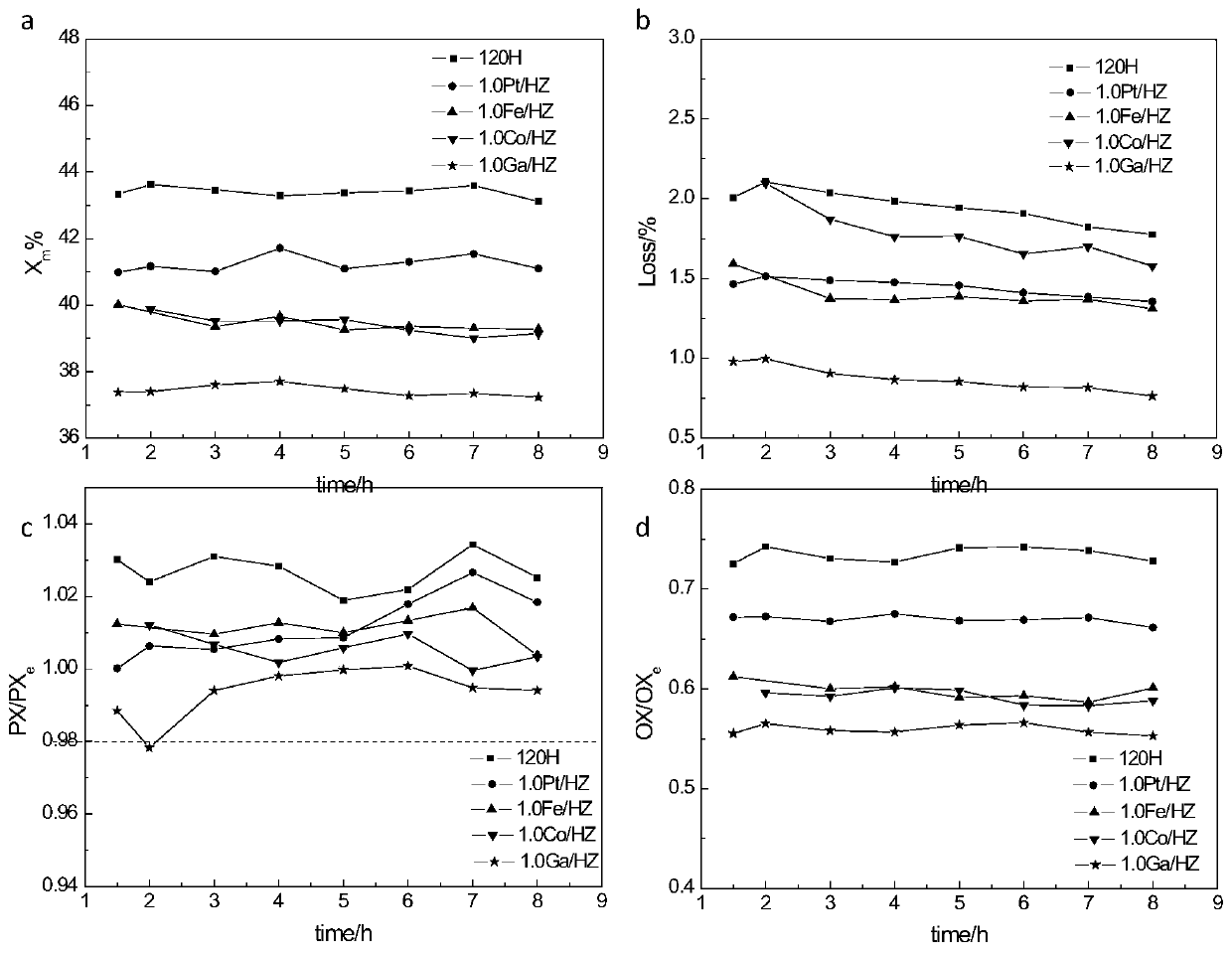
Figure 1 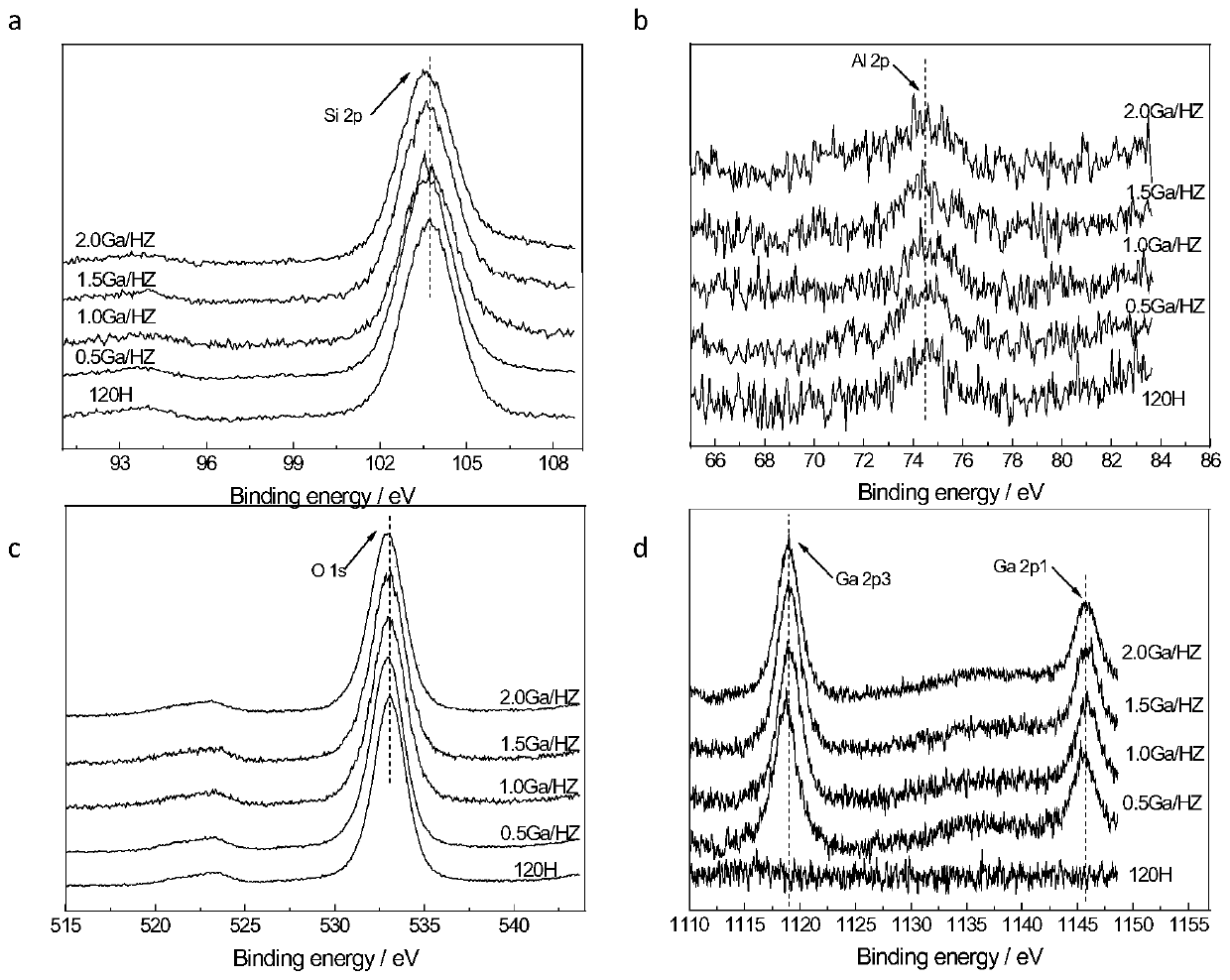
Figure 2 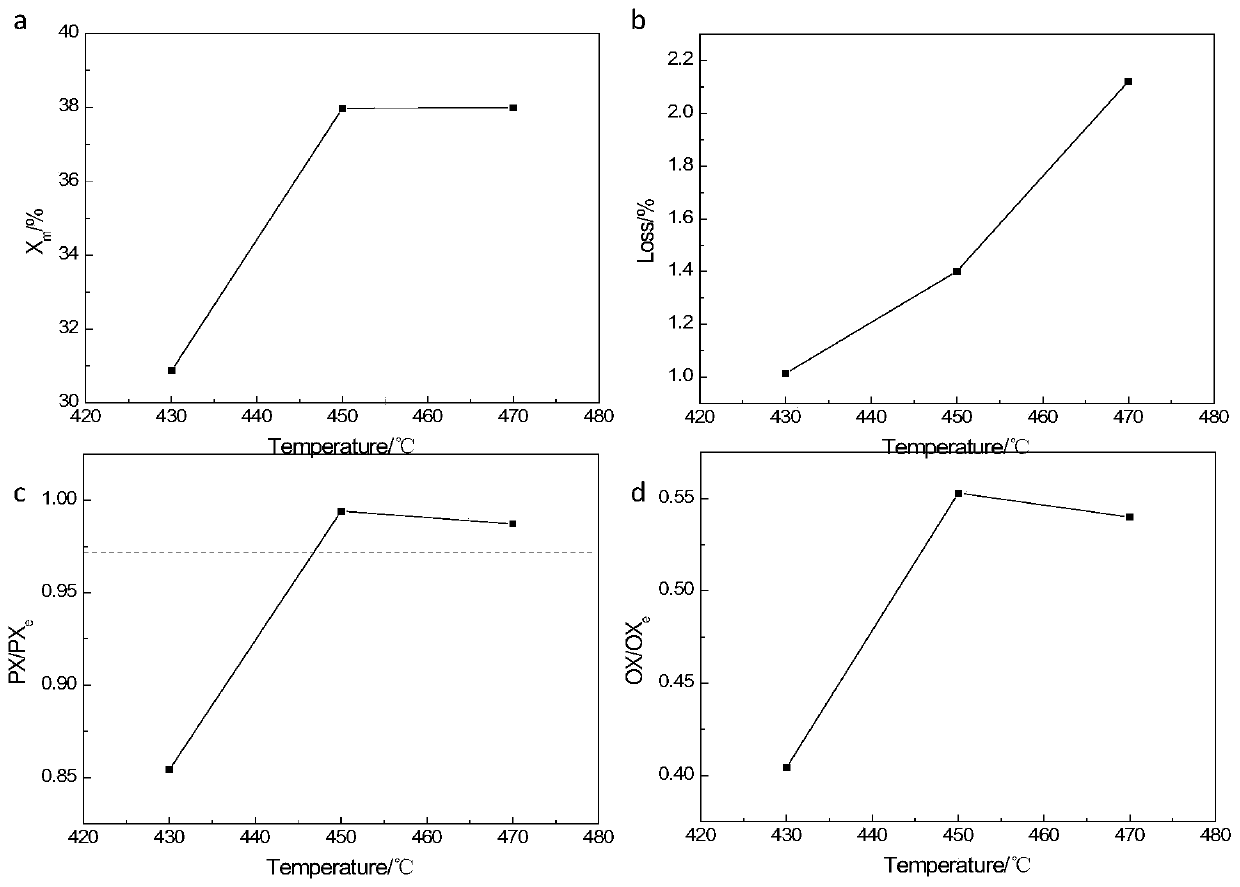
Figure 3
Abstract
Description
technical field
[0001] The invention relates to a method for isomerizing aromatic hydrocarbons, in particular to a method for preparing p-xylene by isomerizing m-xylene and / or ortho-xylene. Background technique
[0002] As a raw material for a variety of fine chemical products, my country's demand for p-xylene PX continues to grow. In order to meet market needs, the production process of toluene disproportionation and toluene methylation to p-xylene has appeared successively. Due to the demand gap for p-xylene Large, and a large amount of p-xylene still needs to be imported every year. In xylene, the content of m-xylene MX is the most, but its demand is the least. If m-xylene is isomerized into p-xylene as much as possible, it can not only make up for the insufficient production of p-xylene, but also fully Excess m-xylene is utilized. In the meta-xylene isomerization reaction, the isomerization of ortho-xylene may be involved, but mainly the isomerization of meta-xylene pro...
Examples
Embodiment 1
[0074] Example 1 SiO 2 / al 2 o 3 Molecular sieve 120HZ with a molar ratio of 120
[0075] Step (1) Preparation of gel
[0076] Weigh 5.08g of sodium chloride particles and dissolve in 50g of water, slowly add 0.96g of concentrated sulfuric acid dropwise, then add 3.23g of aluminum sulfate solid (Al 2 (SO 4 ) 3 18H 2 O), stirred evenly as A solution. Weigh 3.20g of sodium hydroxide particles and dissolve in 103.96g of water, then add 34.56g of silica gel, and stir evenly to form B solution. Slowly pour B solution into A solution, and keep stirring, slowly add 8.67g template agent n-butylamine dropwise to form a gel;
[0077] Step (2) hydrothermal crystallization
[0078] Move the gel prepared in step (1) to a synthesis kettle, stir at 30°C for 0.5h, heat up to 100°C for aging for 24h, then crystallize at a constant temperature of 170°C for 72h, and cool down to room temperature rapidly after crystallization to obtain crystal chemical products;
[0079] Step (3) ion e...
Embodiment 2
[0095] Step (1) Preparation of gel
[0096] According to SiO 2 / Al 2 o 3 Molar ratio is 120 to get the raw materials ready, takes by weighing 5.08g sodium chloride particle and is dissolved in 50g water, slowly drips the vitriol oil of 0.96g, then adds 3.23g aluminum sulfate solid (Al 2 (SO 4 ) 3 18H 2 O), stirred evenly as A solution. Weigh 3.20g of sodium hydroxide particles and dissolve in 103.96g of water, then add 34.56g of silica gel, stir evenly as solution B. Slowly pour B solution into A solution, and keep stirring, slowly add 8.67g template agent n-butylamine dropwise to form a gel;
[0097] Step (2) hydrothermal crystallization
[0098] Move the gel prepared in step (1) to a synthesis kettle, stir at 30°C for 0.5h, heat up to 100°C for aging for 24h, then crystallize at a constant temperature of 170°C for 72h, and cool down to room temperature rapidly after crystallization to obtain crystal chemical products;
[0099] Step (3) ion exchange
[0100] The cr...
Embodiment 3
[0106] Step (1) Preparation of gel
[0107] According to SiO 2 / Al 2 o 3 Molar ratio is 120 to get the raw materials ready, takes by weighing 5.08g sodium chloride particle and is dissolved in 50g water, slowly drips the vitriol oil of 0.96g, then adds 3.23g aluminum sulfate solid (Al 2 (SO 4 ) 3 18H 2 O), stirred evenly as A solution. Weigh 3.20g of sodium hydroxide particles and dissolve in 103.96g of water, then add 34.56g of silica gel, and stir evenly to form B solution. Slowly pour the B solution into the A solution, and keep stirring, slowly add 8.67g template agent n-butylamine dropwise to form a gel;
[0108] Step (2) hydrothermal crystallization
[0109] Move the gel prepared in step (1) to a synthesis kettle, stir at 30°C for 0.5h, heat up to 100°C for aging for 24h, then crystallize at a constant temperature of 170°C for 72h, and cool down to room temperature rapidly after crystallization to obtain crystal chemical products;
[0110] Step (3) ion exchange...