
Lanthanum-carbon composite adsorbent doped polyvinylidene fluoride phosphorus removal film as well as preparation method and application thereof
A polyvinylidene fluoride and carbon composite technology, which is applied in chemical instruments and methods, adsorption water/sewage treatment, membranes, etc., can solve the problems of lanthanum leakage of lanthanum-carbon composite adsorbents, improve surface properties, avoid agglomeration, The effect of improving dispersion
Patent Information
- Authority / Receiving Office
- CN · China
- Patent Type
- Applications(China)
- Current Assignee / Owner
- Publication Date
- 2020-07-10
Smart Images
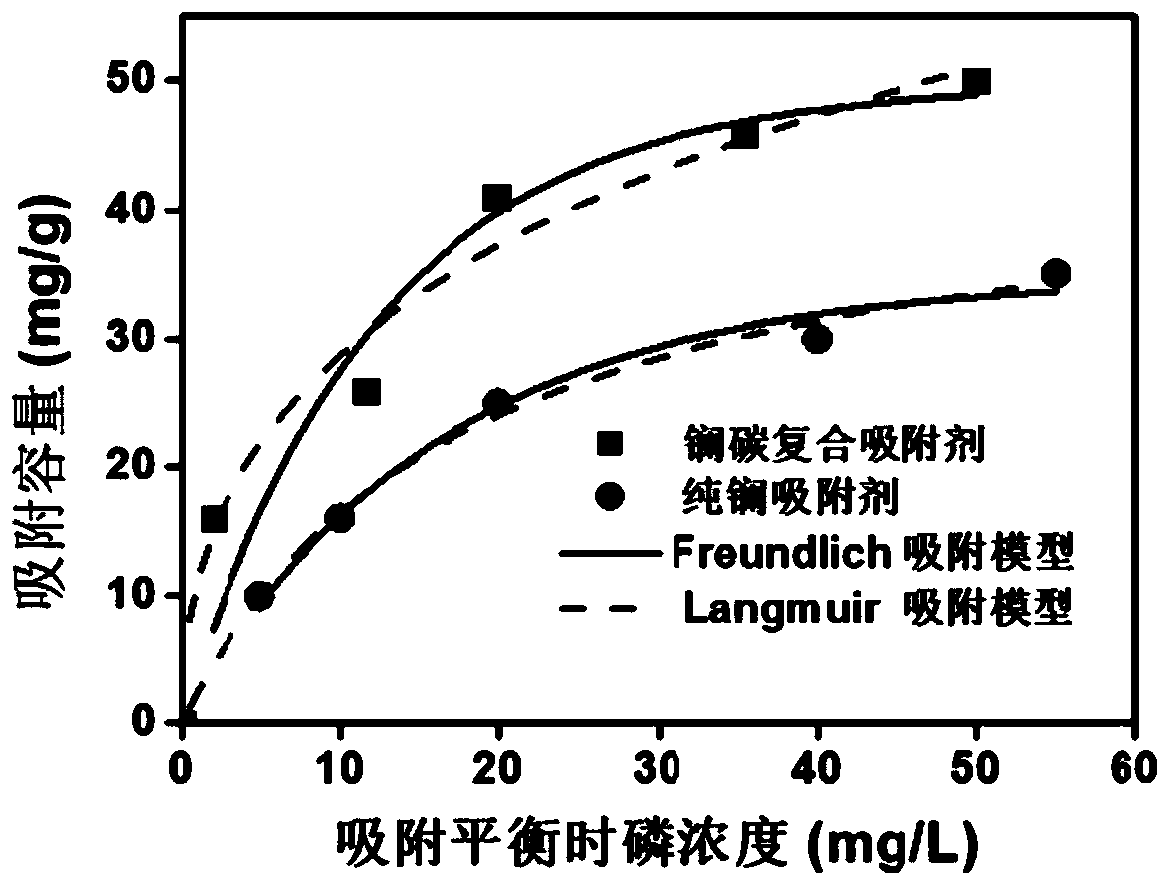
Figure 1 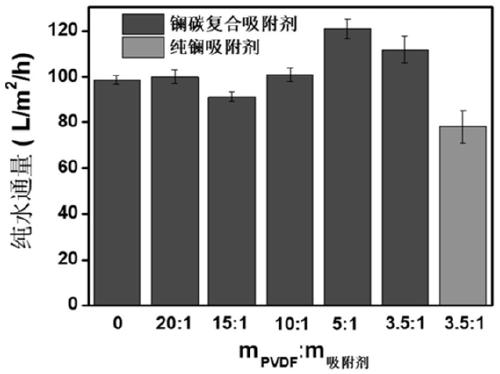
Figure 2 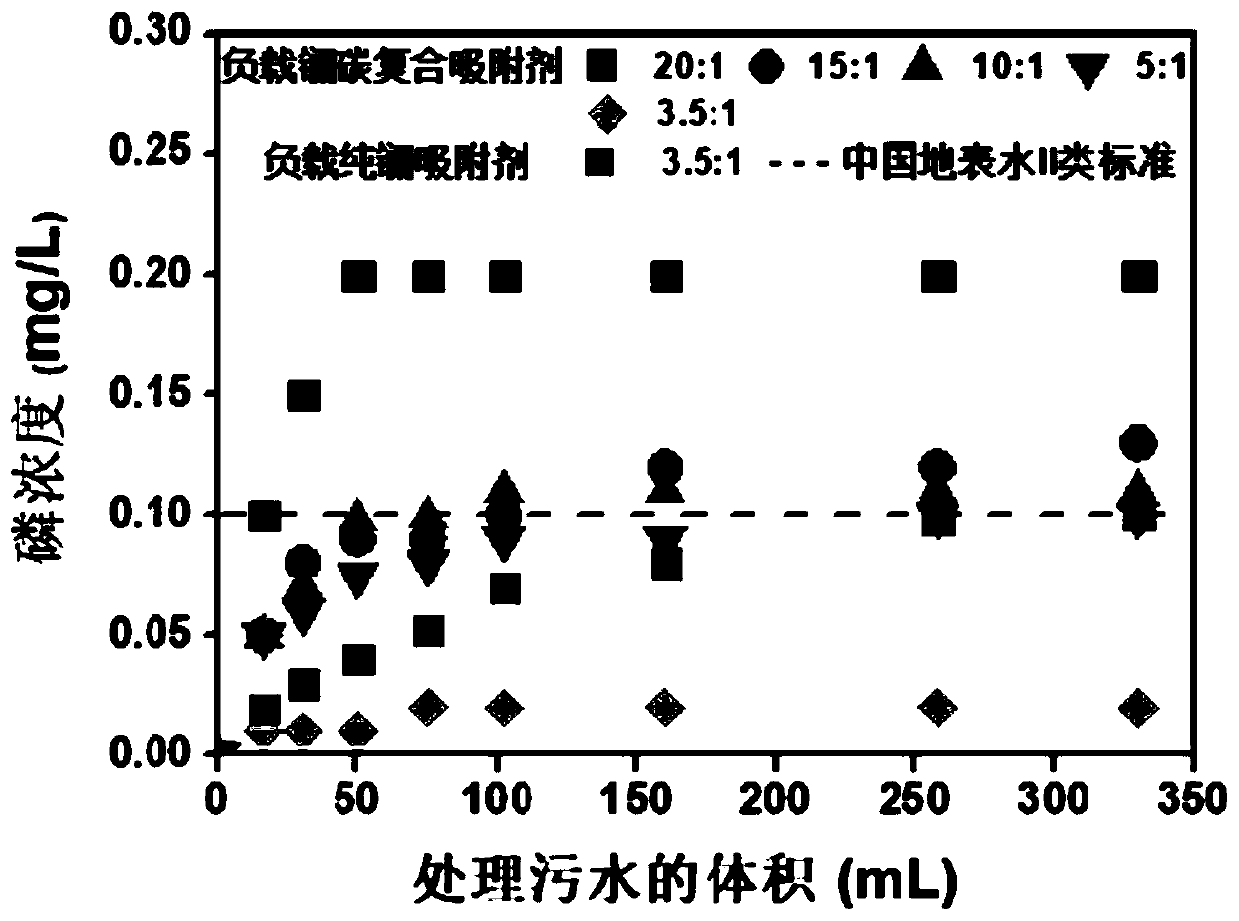
Figure 3
Abstract
Description
technical field
[0001] The invention relates to the technical field of water treatment, in particular to a polyvinylidene fluoride phosphorus removal membrane doped with a lanthanum-carbon composite adsorbent and a preparation method and application thereof. Background technique
[0002] Excessive concentration of nitrogen and phosphorus nutrients in the water body will lead to eutrophication of the water body, promote the proliferation of harmful algae, and form algal blooms. The occurrence of algal blooms poses a serious threat to drinking water supplies and the conservation of aquatic ecosystems. Reducing the input of nutrients, especially phosphorus, is an important part of eutrophication management. Among them, controlling the concentration of total phosphorus in sewage is an effective method.
[0003] At present, sewage biological phosphorus removal technology is sensitive to changes in organic loads, toxic substances, and reactor operating parameters, and its phospho...
Examples
Embodiment 1
[0041]At 4°C, add 0.81g of 4,4'-diaminobiphenyl into 300mL of hydrochloric acid diluent containing 0.73% concentrated hydrochloric acid (containing 36-37wt% HCl) by volume to facilitate its dissolution. After 15 minutes, add 90 mL of 0.76% nitrous acid solution, and react for 20 minutes to completely transform the amino group into diazonium salt. At this time, the solution turns from dark yellow to bright yellow. Then add 90 mL of a mixed solution containing 0.87% tannic acid and 1.67% sodium carbonate in mass fraction. After magnetic stirring for 10 h, a tan solid product was obtained, which was filtered, and the obtained product was freeze-dried for 24 h. Grind the product after drying, then press the resulting product with LaCl 3 Mass ratio 1:38 dispersed in LaCl 3 ·6H 2 O solution, adjusted to pH = 10 with NaOH solution, filtered, dried overnight at 60°C, carbonized in a tube furnace at 700°C in an inert atmosphere for 1 hour, and the carbonized material is the lanthanu...
Embodiment 2
[0048] The difference from Example 1 is that 0.1875 g of the lanthanum-carbon composite adsorbent prepared in Example 1 was added to the casting solution, and the rest of the conditions were the same to obtain a polyvinylidene fluoride phosphorus removal membrane doped with the lanthanum-carbon composite adsorbent. The mass ratio of polyvinylidene fluoride to lanthanum carbon composite adsorbent is 20:1.
Embodiment 3
[0050] The difference from Example 1 is that 0.25 g of the lanthanum-carbon composite adsorbent prepared in Example 1 was added to the casting solution, and the rest of the conditions were the same to obtain a polyvinylidene fluoride phosphorus removal membrane doped with the lanthanum-carbon composite adsorbent. The mass ratio of polyvinylidene fluoride to lanthanum carbon composite adsorbent is 15:1.