
Well cementation cement additive and use method thereof
A cementing cement and additive technology, applied in the field of oil field cementing, can solve problems such as low compressive strength and large water-solid ratio
Patent Information
- Authority / Receiving Office
- CN · China
- Patent Type
- Applications(China)
- Current Assignee / Owner
- Publication Date
- 2021-07-06
Smart Images
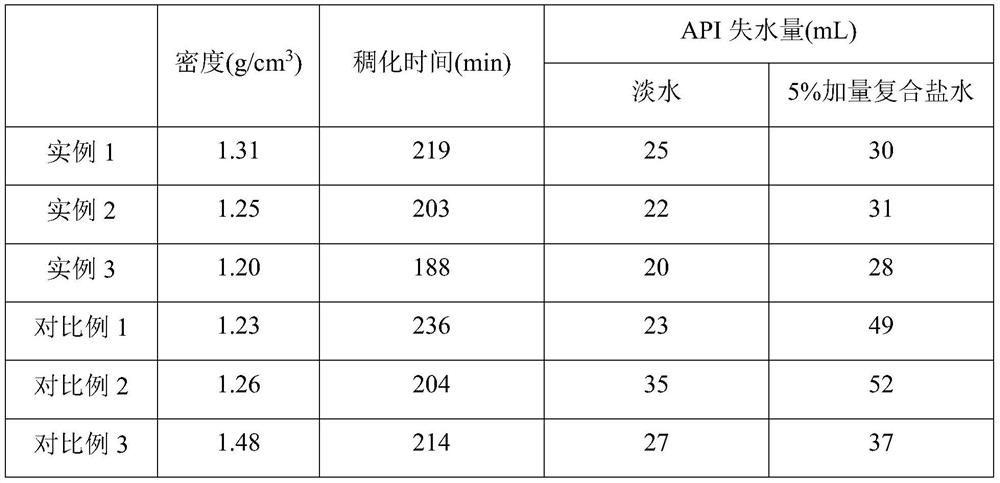
Figure 1 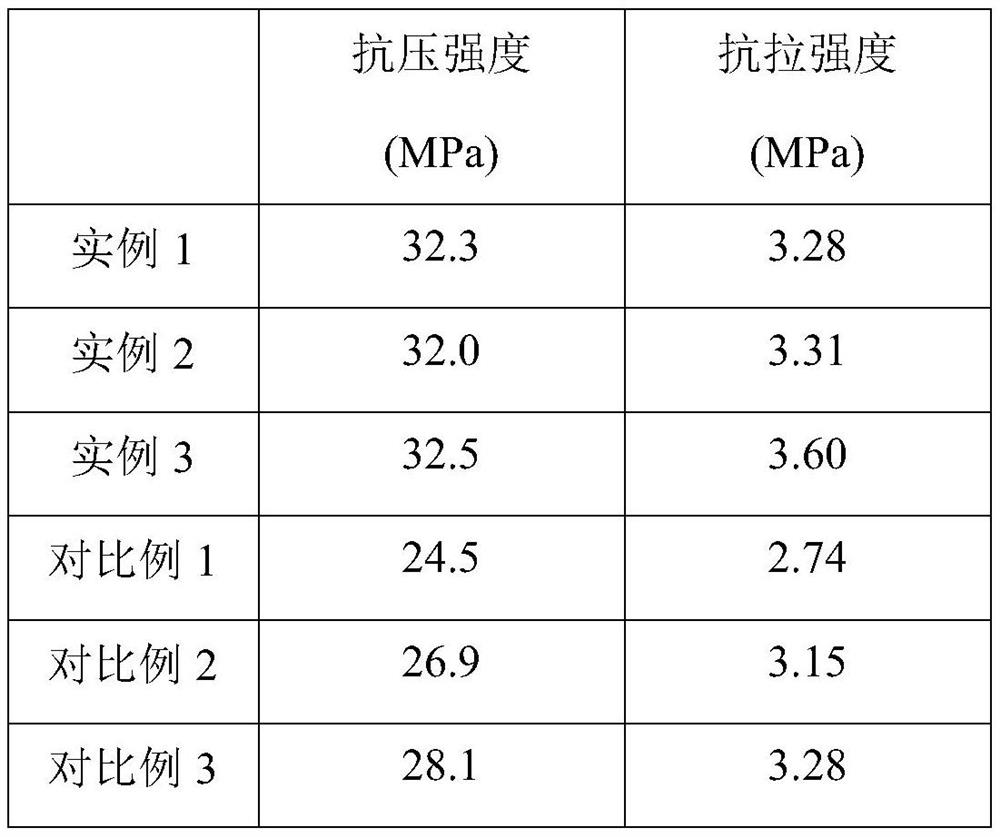
Figure 2
Abstract
Description
technical field
[0001] The invention relates to the technical field of oil field cementing. More specifically, the present invention relates to a cementing additive and methods of use thereof. Background technique
[0002] The oilfield drilling area is characterized by low pressure, low permeability, low pressure and high permeability, fracture development, and complex pressure system, and its development is becoming more and more difficult. At the same time, a pressure deficit is formed due to unbalanced production and injection or energy loss driven by formation pressure, forming a low pressure Easy to leak oil layer. The cement slurry with conventional density is used to seal the oil and gas layers. The pressure of the cement slurry column is high, and the probability of leakage during cementing construction is relatively high. Often the target layer cannot be sealed and needs to be remedied by squeezing cement. With the further expansion of the exploration area and the...
Examples
example 1
[0052] Step 1, mixing sodium alginate and water with a mass ratio of 1:10, adjusting the pH to 10 to obtain a mixed system;
[0053] Step 2. Add epichlorohydrin accounting for 5% of the mass of sodium alginate to the mixed system, react at 60° C. for 3.5 hours, add absolute ethanol, filter with suction, and dry to obtain cross-linked sodium alginate;
[0054] Step 3, dissolving the cross-linked sodium alginate in water, standing for defoaming, and preparing a 3% cross-linked sodium alginate solution by mass;
[0055] Step 4, the cross-linked sodium alginate solution is extruded into a calcium chloride solution with a mass percentage of 4% through a spinneret hole, the temperature of the coagulation bath is 40°C, and the average Cross-linked calcium alginate fibers with a diameter of 200 μm, the cross-linked calcium alginate fibers are cut to an average length of 0.5 mm;
[0056] Step 5. Mix cement and water evenly to make cement slurry, which will account for 10% of the cemen...
example 2
[0058] Step 1, mixing sodium alginate and water with a mass ratio of 1:10, adjusting the pH to 10 to obtain a mixed system;
[0059] Step 2. Add epichlorohydrin accounting for 5% of the mass of sodium alginate to the mixed system, react at 60° C. for 3.5 hours, add absolute ethanol, filter with suction, and dry to obtain cross-linked sodium alginate;
[0060] Step 3, dissolving the cross-linked sodium alginate in water, standing for defoaming, and preparing a 4% cross-linked sodium alginate solution by mass;
[0061] Step 4. The cross-linked sodium alginate solution is extruded into a calcium chloride solution with a mass percentage of 3% through a spinneret hole, and the temperature of the coagulation bath is 40° C. After traction, washing and drying, the average Cross-linked calcium alginate fibers with a diameter of 200 μm, the cross-linked calcium alginate fibers are cut to an average length of 0.5 mm;
[0062] Step 5, mix cement and water evenly to make cement slurry, ta...
example 3
[0065] Step 1, mixing sodium alginate and water with a mass ratio of 1:10, adjusting the pH to 10 to obtain a mixed system;
[0066] Step 2. Add epichlorohydrin accounting for 6% of the mass of sodium alginate to the mixed system, react at 60° C. for 3.5 hours, add absolute ethanol, filter with suction, and dry to obtain cross-linked sodium alginate;
[0067] Step 3, mixing cross-linked sodium alginate and sodium carboxymethyl cellulose in a molar ratio of 20:3 and dissolving in water, filtering and standing for defoaming to obtain a mixed spinning solution with a mass percentage of 5%;
[0068] Step 4, using 4% calcium chloride solution as the coagulation bath, extruding the mixed spinning solution into the coagulation bath through the spinneret hole, the temperature of the coagulation bath is 40°C, and then pulling, After washing and drying, cross-linked calcium alginate fibers with an average diameter of 200 μm were obtained, and the cross-linked calcium alginate fibers wer...