
Method for preparing 2, 3, 4, 6-tetra-O-trimethylsilyl-D-glucolactone by using continuous flow micro-channel reactor
A technology of gluconolactone and microchannel reactor, which is applied in chemical instruments and methods, compounds of group 4/14 elements of the periodic table, organic chemistry, etc., and can solve the problems of low reaction efficiency, complex operation, and non-continuous production, etc. question
Patent Information
- Authority / Receiving Office
- CN · China
- Patent Type
- Applications(China)
- Current Assignee / Owner
- Publication Date
- 2021-09-10
Smart Images
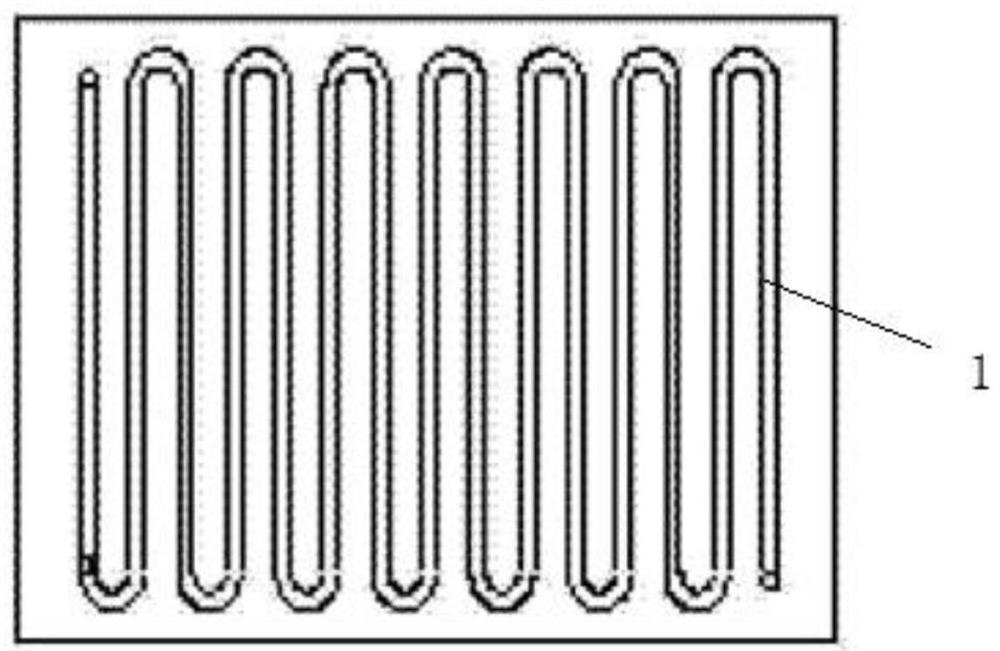
Figure 1 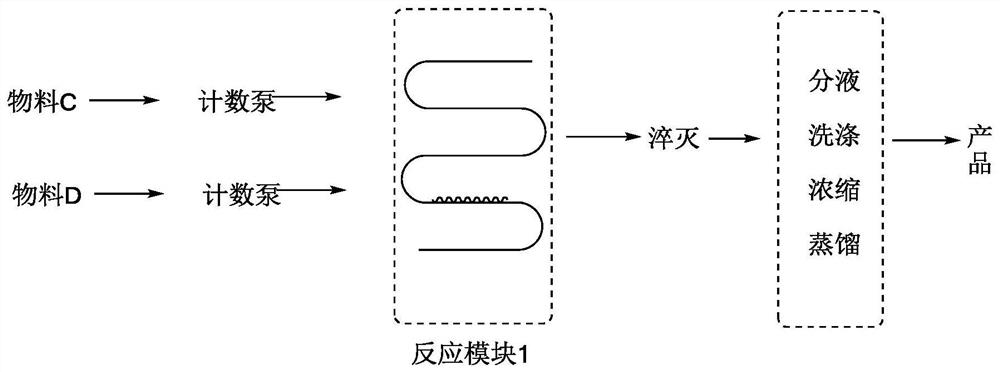
Figure 2 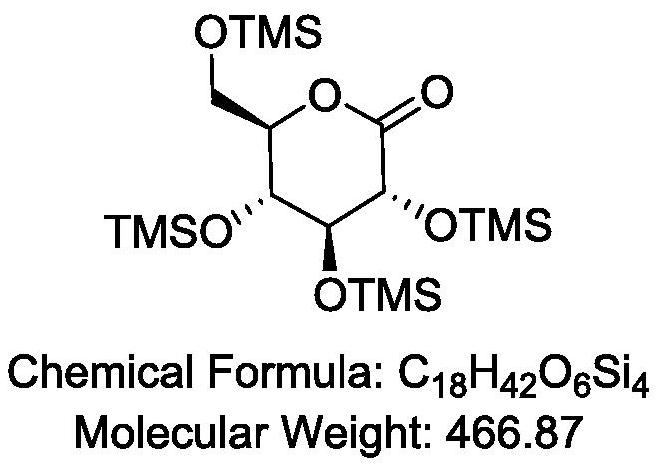
Figure 3
Abstract
Description
technical field
[0001] The invention relates to the technical field of synthesis of pharmaceutical intermediates, and specifically relates to a continuous flow production method for preparing 2,3,4,6-tetra-O-trimethylsilyl-D-gluconolactone. Background technique
[0002] Diabetes is a group of metabolic diseases characterized by hyperglycemia. Hyperglycemia is caused by defective insulin secretion or impaired biological action, or both. The long-term high blood sugar in diabetes leads to chronic damage and dysfunction of various tissues, especially the eyes, kidneys, heart, blood vessels, and nerves.
[0003] Empagliflozin is a selective type 2 sodium glucose cotransporter (SGLT2) inhibitor developed by Boehringer Ingelheim, Germany, and was approved by the FDA in August 2014 for the treatment of type 2 diabetes. SGLT2 inhibitors mainly inhibit the expression of SGLT2 in the kidney, reduce the reabsorption of glucose by the kidney, increase the excretion of glucose in the u...
Examples
Embodiment 1
[0048] combine Figure 1-2 As shown, using microchannel reactor 1 (see figure 1 ), the preparation of 2,3,4,6-tetra-O-trimethylsilyl-D-gluconic acid by continuous flow microchannel reaction using hexamethyldisilazane to protect the hydroxyl group of 1,5-gluconolactone The method of lactone is carried out according to the following steps:
[0049] 1) Add 100g of 1,5-gluconolactone into 500ml of chloroform, stir and cool down to 5-10°C, keep it warm to obtain A test solution, about 600ml.
[0050] 2) Dissolve 2.8g of iodine in 10ml of chloroform to obtain B test solution, about 11ml.
[0051] 3) Add test solution B to test solution A dropwise at 5-10°C, and mix to obtain test solution C, about 610ml.
[0052]4) Dilute 361g of hexamethyldisilazane (4 equivalents) with 800ml of chloroform to obtain D test solution, about 1000ml.
[0053] 5) Stir 1000ml of chloroform at the outlet of the microchannel reactor, and control the temperature at 30-35°C.
[0054] 6) Configure 10 g o...
Embodiment 2
[0061] In Example 1, 271g of hexamethyldisilazane (3 equivalents) was added instead; other process conditions remained unchanged.
[0062] Subsequent operations such as dilution, quenching, pickling, pH adjustment, concentration, and distillation yielded 2,3,4,6-tetra-O-trimethylsilyl-D-gluconolactone with a product yield of 80%. 98% purity.
Embodiment 3
[0064] In Example 1, 452g hexamethyldisilazane (5 equivalents) was added instead; other process conditions were unchanged.
[0065] Subsequent operations such as dilution, quenching, pickling, pH adjustment, concentration, and distillation yielded 2,3,4,6-tetra-O-trimethylsilyl-D-gluconolactone with a product yield of 85%. 98.8% purity.