
Method for treating cherax quadricarinatus soil pond culture sewage
A technology for aquaculture sewage and red crayfish, applied in water/sewage treatment, biological water/sewage treatment, multi-stage water/sewage treatment, etc., can solve water pollution, high investment and operating costs, threats to aquatic products and human health and other problems, to achieve the effect of system stability, small footprint, water quality and safety
Patent Information
- Authority / Receiving Office
- CN · China
- Current Assignee / Owner
- Publication Date
- 2022-03-25
Smart Images
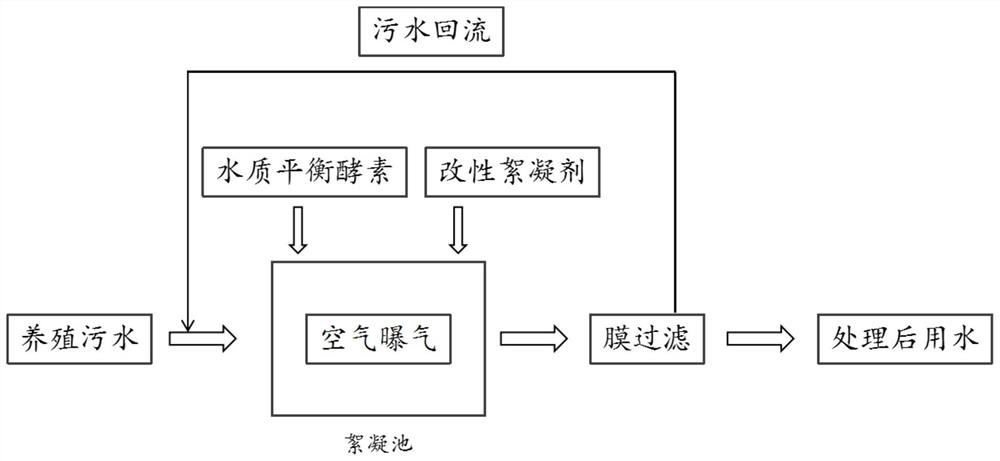
Figure 1 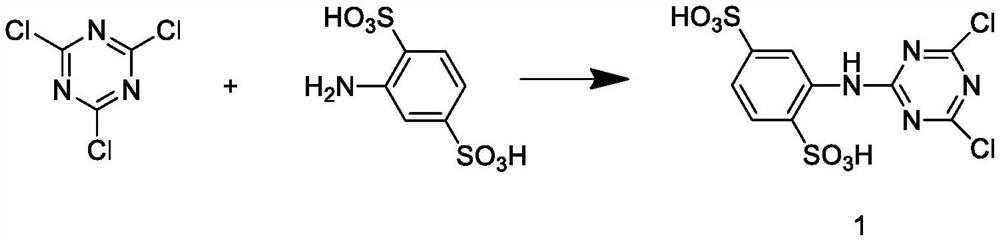
Figure 2 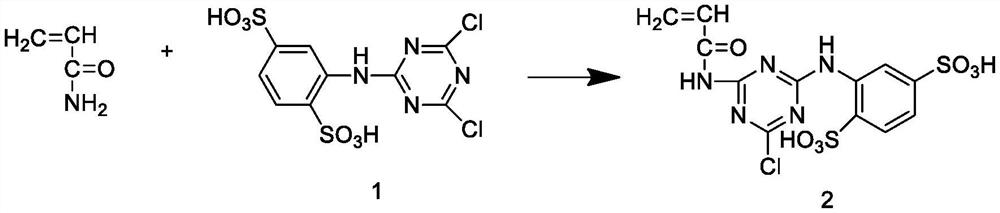
Figure 3
Abstract
Description
technical field
[0001] The invention belongs to the technical field of sewage treatment, and relates to a method for treating the sewage of red-clawed crayfish in earthen ponds. Background technique
[0002] Red claw crayfish, also known as "Australian freshwater lobster", is native to Australia and looks like a lobster in the sea. It is one of the most valuable freshwater economic shrimp species in the world. Red crayfish, the individual is generally 50-100 grams, and the largest individual is 500-600 grams. It is a kind of freshwater shrimp with strong adaptability. Due to its wide feeding habits, fast growth, tender meat, delicious taste and rich nutrition , welcomed by the market.
[0003] In the process of aquaculture of crayfish in earthen ponds, the aquaculture sewage formed by feeding metabolites, residual bait organic matter and ammonia nitrogen and other inorganic substances, if not purified, will cause serious water pollution and threaten aquatic products and hum...
Examples
Embodiment 1
[0052] Preparation of modified flocculant:
[0053] Step S1, add 0.020mol of cyanuric chloride and 30.4mL of ice-water mixture into the three-necked flask, stir well, then slowly add 4.8g of aniline-2,5-bissulfonic acid aqueous solution dropwise, and use the mass fraction during the dropwise addition 10% sodium carbonate solution to control the pH between 6, then react at 0°C for 5 hours, filter with suction, stir the filtrate in an ice-water bath and add potassium acetate with a mass fraction of 5% to precipitate crystals, filter with suction, and filter the cake with anhydrous Washed twice with ethanol, and dried at 60°C for 4 hours to obtain intermediate 1, wherein the ratio of ice to deionized water in the ice-water mixture was 21.2g: 15.5mL, aniline-2,5-bissulfonic acid aqueous solution The dosage ratio of aniline-2,5-disulfonic acid and deionized water is 0.025mol:70mL;
[0054] Step S2, add 0.03mol of acrylamide, 0.031mol of intermediate 1, 23mL of toluene and potassiu...
Embodiment 2
[0059] Preparation of modified flocculant:
[0060] Step S1, add 0.022mol of cyanuric chloride and 34.5mL of ice-water mixture into the three-necked flask, stir evenly, slowly add 4.9g of aniline-2,5-bissulfonic acid aqueous solution to it, and use the mass fraction during the dropping process 10% sodium carbonate solution to control the pH between 6.5, then react at 3°C for 5 hours, filter with suction, stir the filtrate in an ice-water bath and add potassium acetate with a mass fraction of 10% to precipitate crystals, filter with suction, and use anhydrous Washed twice with ethanol, and dried at 65°C for 4 hours to obtain intermediate 1, wherein the ratio of ice to deionized water in the ice-water mixture was 21.9g: 15.6mL, aniline-2,5-bissulfonic acid aqueous solution The dosage ratio of aniline-2,5-disulfonic acid and deionized water is 0.026mol:70mL;
[0061] Step S2, add 0.033mol of acrylamide, 0.032mol of intermediate 1, 25mL of toluene and potassium carbonate to the...
Embodiment 3
[0066] Preparation of modified flocculant:
[0067] Step S1, add 0.024mol of cyanuric chloride and 37.2mL of ice-water mixture into the three-necked flask, stir well, then slowly add 5.2g of aniline-2,5-bissulfonic acid aqueous solution dropwise, and use the mass fraction during the dropwise addition 10% sodium carbonate solution to control the pH between 7, then react at 5°C for 6 hours, filter with suction, stir the filtrate in an ice-water bath and add potassium acetate with a mass fraction of 20% to precipitate crystals, filter with suction, use anhydrous Washed with ethanol for 3 times, and dried at 70°C for 5 hours to obtain intermediate 1, wherein the ratio of ice to deionized water in the ice-water mixture was 22.5g: 15.8mL, aniline-2,5-bissulfonic acid aqueous solution The dosage ratio of aniline-2,5-disulfonic acid and deionized water is 0.027mol:70mL;
[0068] Step S2, add 0.035mol of acrylamide, 0.034mol of intermediate 1, 28mL of toluene and potassium carbonate t...