
Cerebral protection during carotid endarterectomy and methods of use
Patent Information
- Authority / Receiving Office
- US · United States
- Current Assignee / Owner
- Publication Date
- 2002-09-12
- Estimated Expiration
- Not applicable · inactive patent
Smart Images
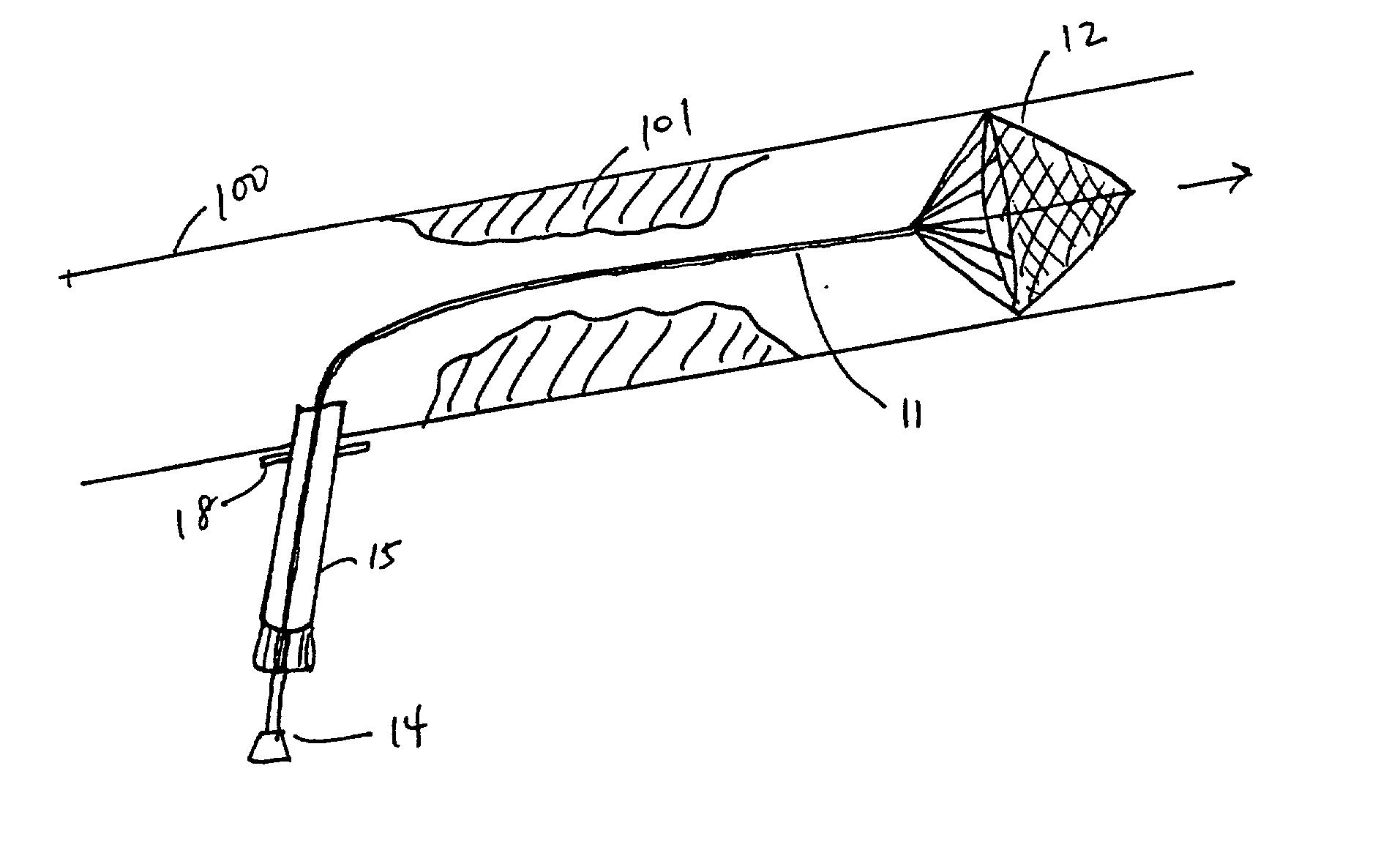
Figure 1 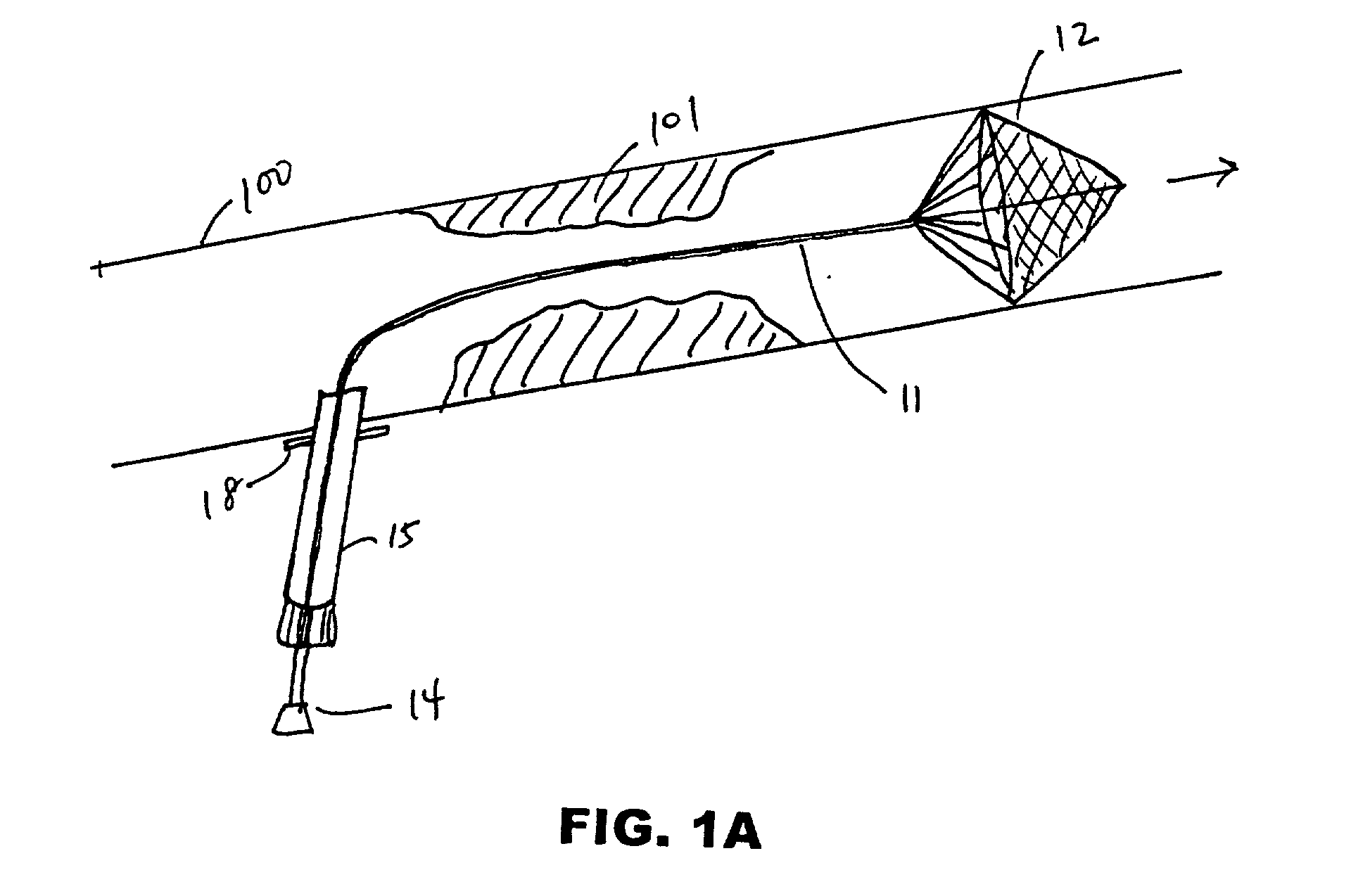
Figure 2 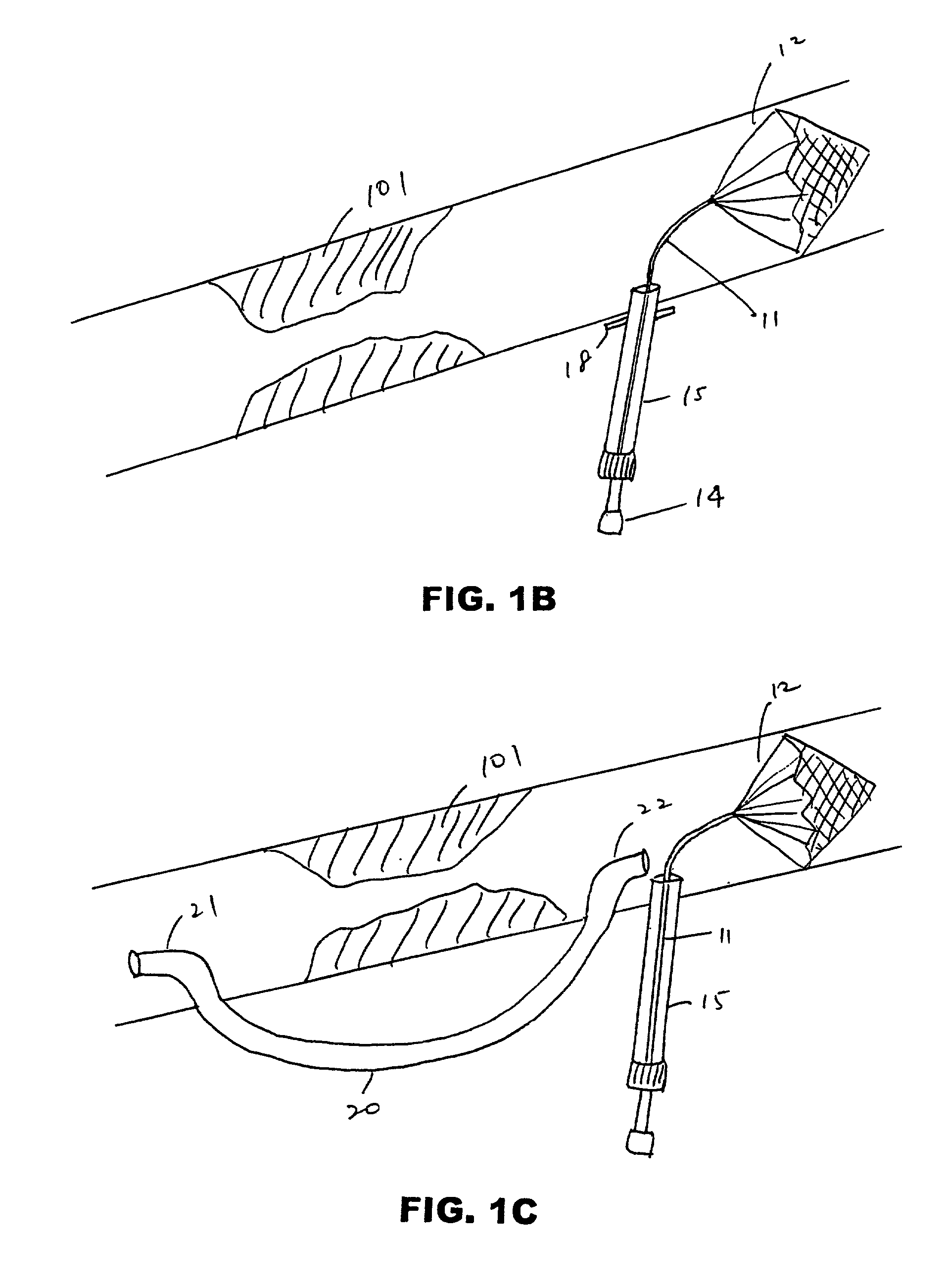
Figure 3
Abstract
Description
FIELD OF THE INVENTION
[0001] The present invention relates to open carotid endarterectomy. More particularly, it relates to methods and apparatus for improving endarterecomy procedures by using blood filtration to protect the patient from embolization and vascular shunting to maintain blood perfusion during these vascular surgeries.BACKGROUND OF THE INVENTION
[0002] Arteriosclerosis, generally known for thickening and hardening of the arterial wall, is responsible for the majority of deaths in the United States and most westernized countries. Atherosclerosis, one type of arteriosclerosis, is the cause for disorder of the larger arteries that underlies most coronary artery disease, aortic aneurysm, arterial disease of the lower extremities, and cerebrovascular disease. Atherosclerosis is characterized by an accumulation of lipid-filled smooth muscle cells, macrophages, and fibrous tissues, commonly known as atheroma or plaque, in focal areas of cardiovascular tissues, especially the c...
Examples
Embodiment Construction
[0058] The devices and methods disclosed herein function to prevent embolic material from migrating downstream (into the brain, the kidneys, the lower extremities, etc.) during vascular surgery. The devices and methods herein are useful during any procedure where vessels are incised for the purpose of removing occlusions or performing other types of repair that may require the use of shunting to maintain distal blood flow.
[0059] FIG. 1A depicts an embodiment of a filter device deployed in carotid artery 100 proximal to atheromatous lesion 101. The device comprises filter assembly 12 mounted on elongate member 11 (guidewire, sheath, etc.). Elongate member 11 is insertable in the lumen of introducer 15 and is connected to filter delivery cartridge 14 at its proximal end. Suture flange 18 is mounted on a distal region of introducer 18.
[0060] The device of FIG. 1A is useful in performing endarterectomy in patients with adequate cerebral perfusion and not requiring a shunt. Introducer 15...