
Compliant osteosynthesis fixation plate
a technology of fixation plate and osteosynthesis, which is applied in the field of prosthetic implants, can solve the problems of metal plate system being miniaturized and more biocompatible, affecting and affecting the use of metal, so as to maintain the structural rigidity of the device, retain enough structural rigidity and strength, and alter the physical characteristics of the prosthesis
Patent Information
- Authority / Receiving Office
- US · United States
- Patent Type
- Applications(United States)
- Current Assignee / Owner
- Publication Date
- 2005-04-21
Smart Images
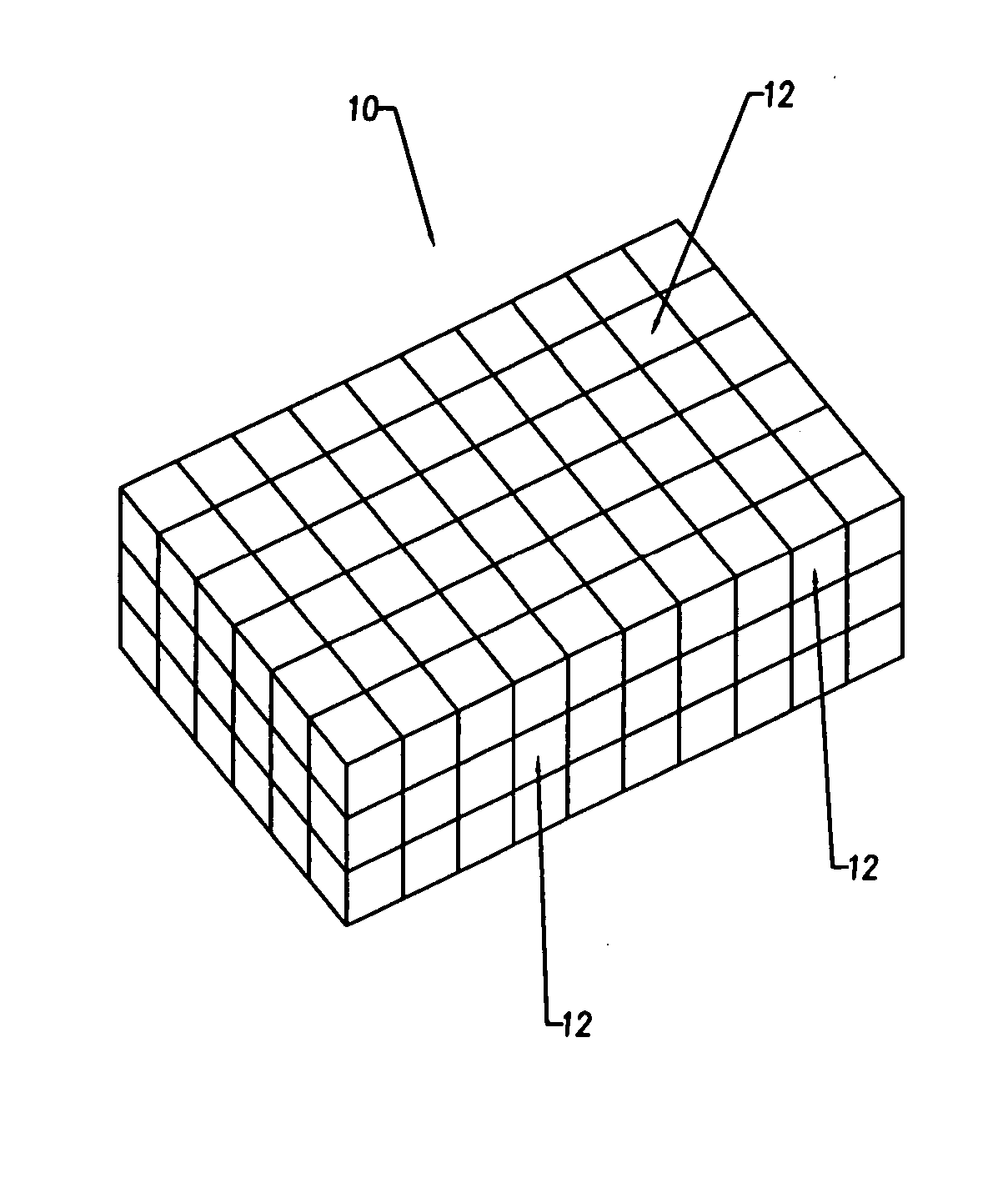
Figure 1 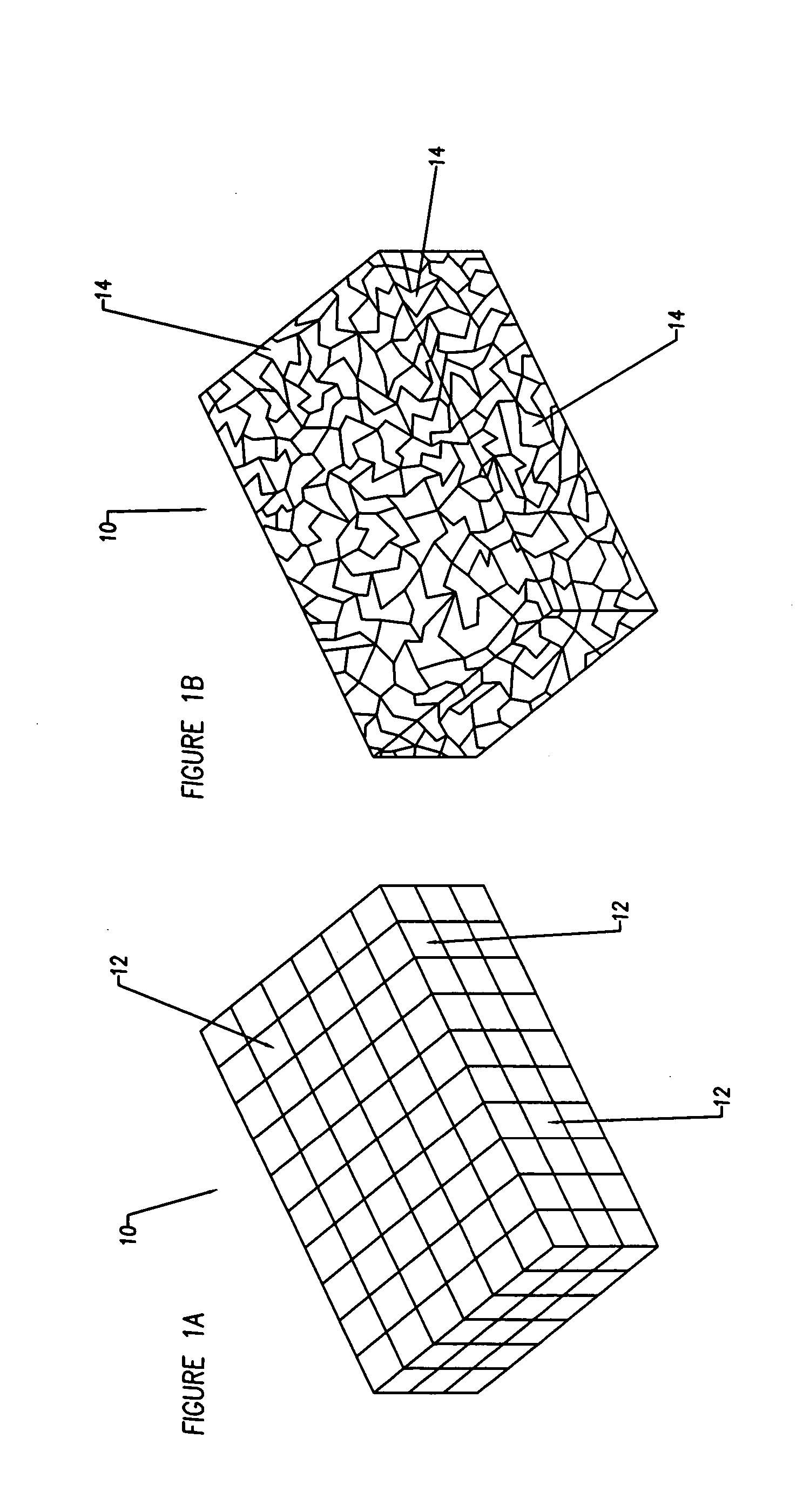
Figure 2 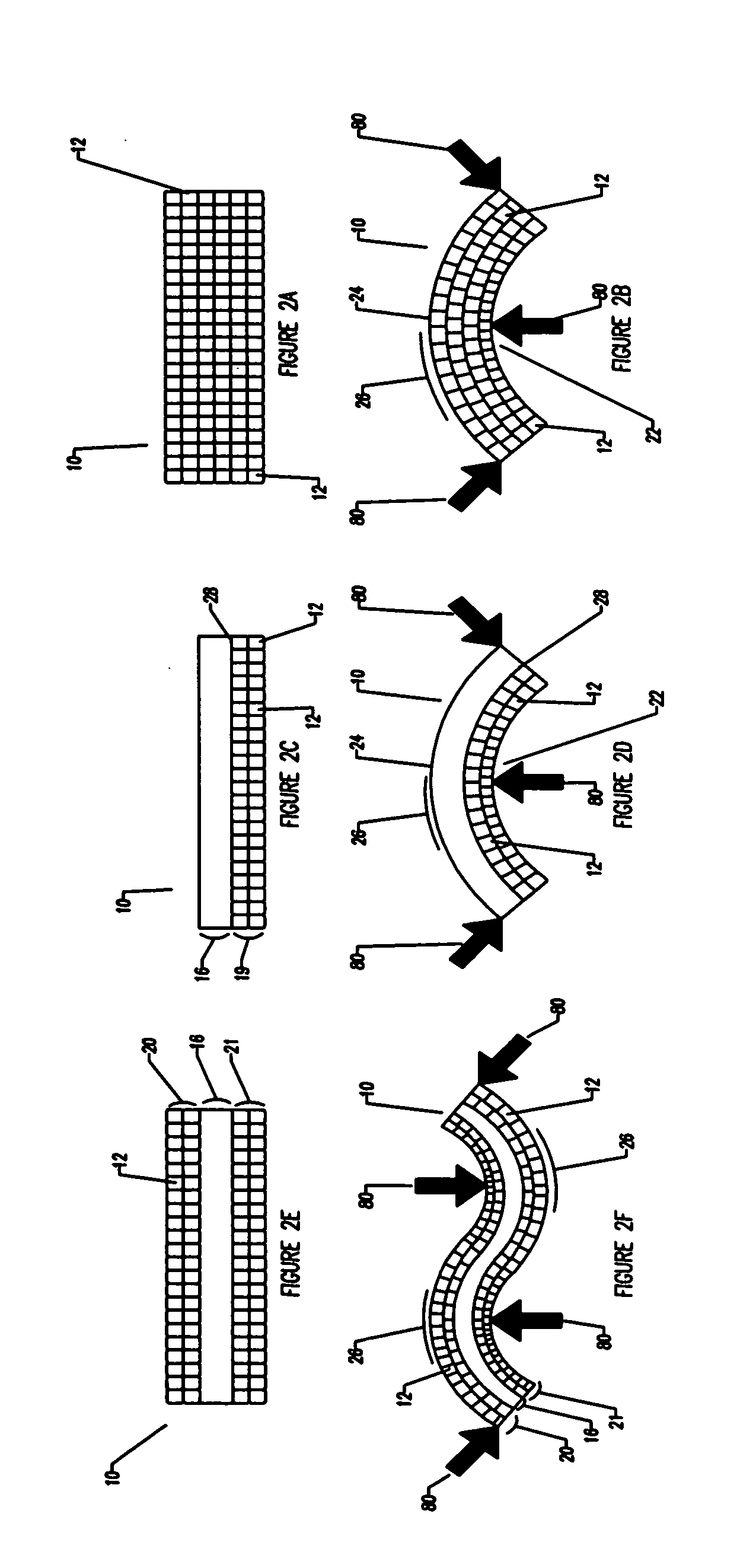
Figure 3
Abstract
Description
CROSS-REFERENCE TO RELATED APPLICATIONS
[0001] This application is a Continuation-In-Part of U.S. patent application Ser. No. 10 / 619721, filed on Jul. 15, 2003, entitled Compliant Osteosynthesis Fixation Plate which is assigned to the same assignee as this invention, and whose disclosure is incorporated by reference herein.FIELD OF THE INVENTION
[0002] The invention generally relates to prosthetic implants, specifically relating to resorbable prosthetic implants. The invention more particularly concerns a resorbable osteosynthesis fixation plate. Specifically, an implant for joining tissue or bone fragments of the cranium, face and other plastic / reconstructive procedures. BACKGROUND OF THE INVENTION
[0003] Rigid internal fixation has been indicated for treatment of defects of the mammalian skeletal system for decades. Although external fixation such as plaster and splints have been used to stabilize the skeleton since ancient times, it was not until the emergence of steel wire in th...
Examples
Embodiment Construction
[0055] The object of the invention is an implantable prosthesis, constructed of a porous, resorbable, polymer material. The material comprising the prosthesis or device (as used herein, the terms prosthesis and device are used interchangeably) is a resorbable polymer that is biocompatible with the systems of a living being. The construction of the prosthesis is such that it is to be capable of easily being shaped. The shaping may occur in a variety of manners, such as by bending or compressing to conform to a desired shape without requiring any source of heating or special tools, and upon removal of the bending or shaping force, the prosthesis will remain in the exact shape, or nearly so; thus enabling the prosthesis to fit the unique contours of each patient. Despite being easily manipulated by hand, the prosthesis remains rigid and strong enough to lend structural support, and allows protection to the wound of a living being while the healing process occurs. The device has several...