
Modulators of tissue regeneration
a tissue regeneration and modulator technology, applied in the field of proteins, can solve the problems of ununderstood mechanisms by which tubular epithelial cells are restored
Patent Information
- Authority / Receiving Office
- US · United States
- Current Assignee / Owner
- Publication Date
- 2005-04-28
- Estimated Expiration
- Not applicable · inactive patent
Smart Images
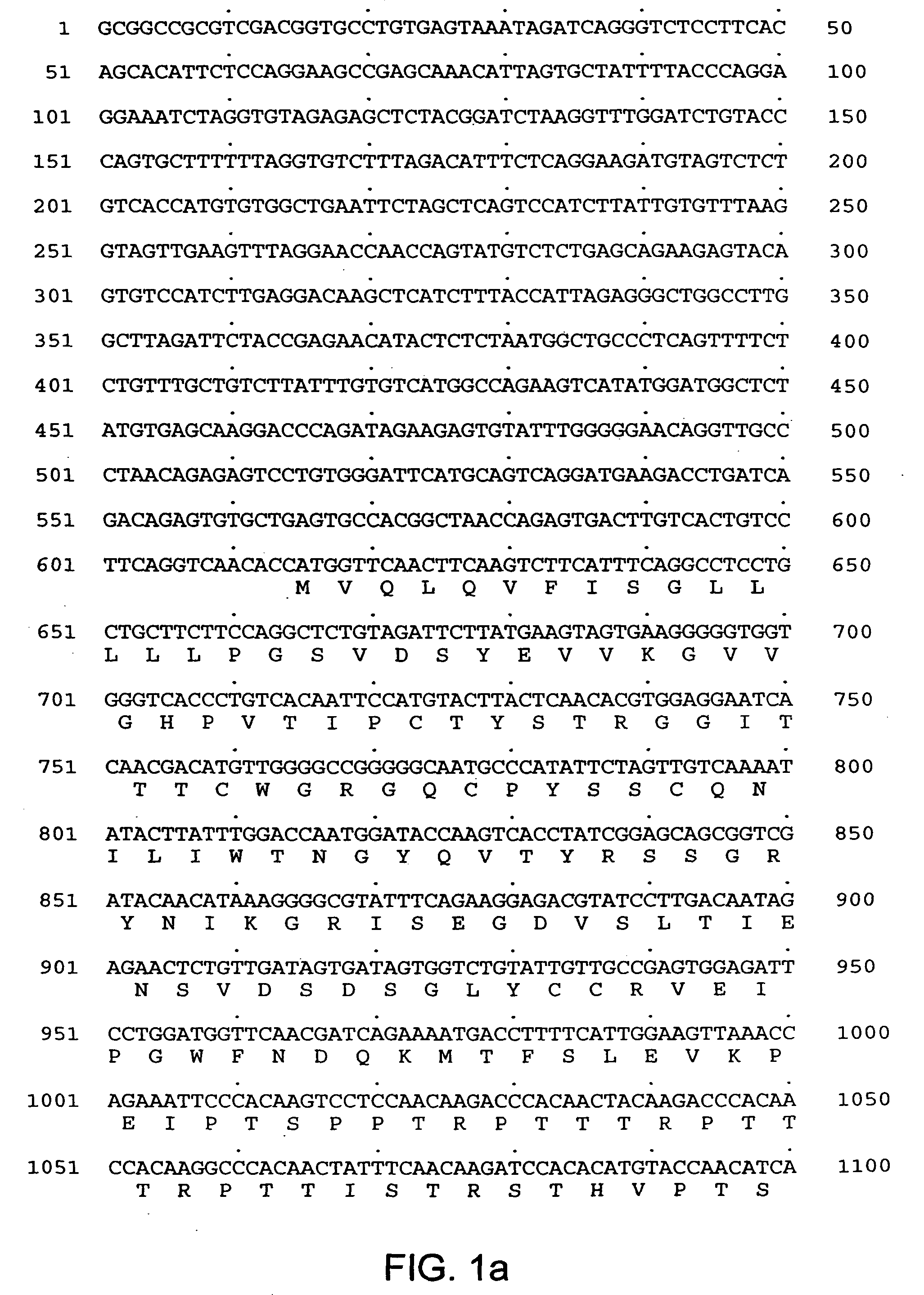
Figure 1 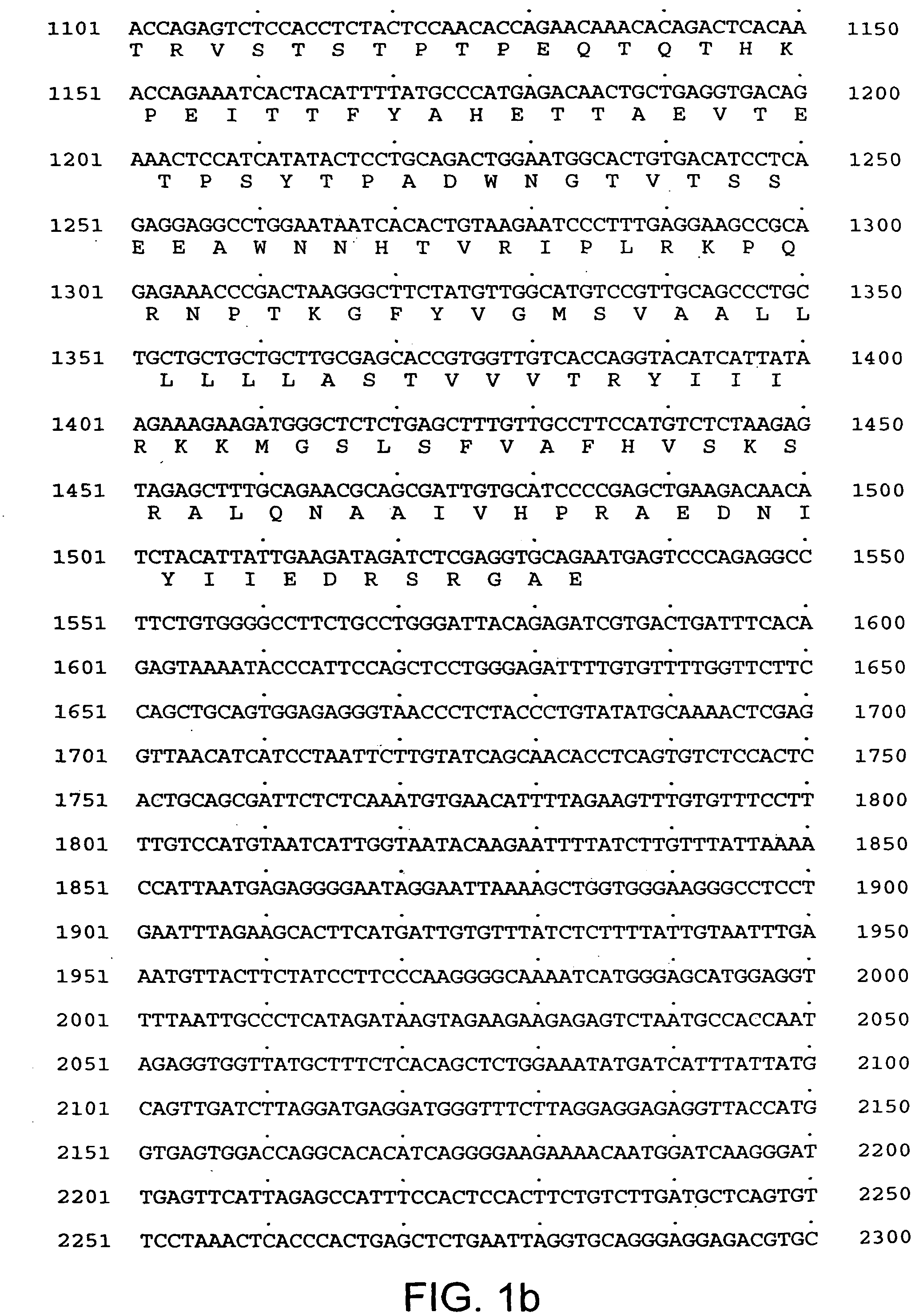
Figure 2 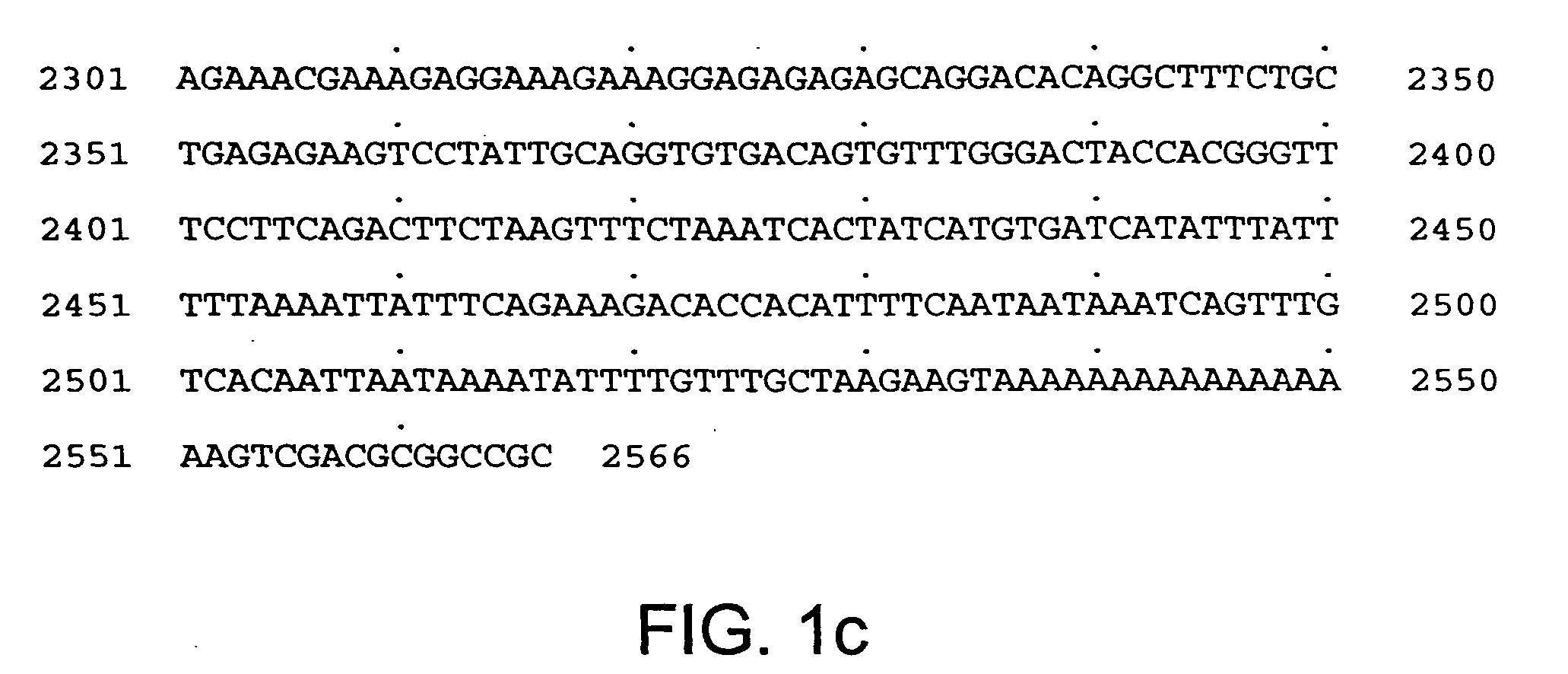
Figure 3
Abstract
Description
RELATED APPLICATIONS
[0001] This is a continuation-in-part of PCT / US97 / 09393, filed on May 23, 1997 as a continuation-in-part of U.S. Ser. No. 60 / 018,228, filed on May 24, 1996 and of U.S. Ser. No. 60 / 023,442, filed on Aug. 23, 1996. The entire disclosure of each of the aforesaid patent applications are incorporated herein by reference.FIELD OF THE INVENTION
[0002] The invention relates to proteins which are upregulated in injured or regenerating tissues, as well as to the DNA encoding these proteins. The invention further relates to therapeutic compositions and methods of treatment encompassing these proteins. BACKGROUND OF THE INVENTION
[0003] A dynamic remodeling of tissue architecture occurs during development and during tissue repair after injury. Herein are presented results of studies of this process, using a model of kidney injury caused by an ischemia-reperfusion insult.
[0004] The kidney is able to repair damage to the proximal tubule epithelium through a complex series of...
Examples
Embodiment Construction
[0025] KIM genes were identified by analyzing differences in mRNA expression between regenerating and normal kidneys using representational difference analysis (RDA). RDA is a PCR-based method for subtraction which yields target tissue or cell-specific cDNA fragments by repetitive subtraction and amplification. The cDNA representation from 48 hr postischemic adult rat kidney RNA is subtracted with the sample from normal (sham-operated) adult rat kidney. In this procedure, sequences which are common to both postischemic and to normal kidney samples are removed, leaving those sequences which are significantly expressed only in the injured kidney tissue. Such genes encode proteins that may be therapeutically beneficial for renal disorders or involved in the injury process. Several clones have been obtained, sequenced and characterized. The clones are then investigated for their expression patterns during kidney repair, development and tissue distribution by northern analysis and RNA in...