
Image Display Method, Image Display Device, Image Display Monitor, and Television Receiver
a technology of image display and image, applied in the direction of static indicating devices, instruments, television systems, etc., can solve the problems of moving image blur and unresolved problems, and achieve the effect of suppressing moving image blur, preventing flicker, and high-quality moving imag
Patent Information
- Authority / Receiving Office
- US · United States
- Patent Type
- Applications(United States)
- Current Assignee / Owner
- Publication Date
- 2009-07-02
- Estimated Expiration
- Not applicable · inactive patent
Smart Images
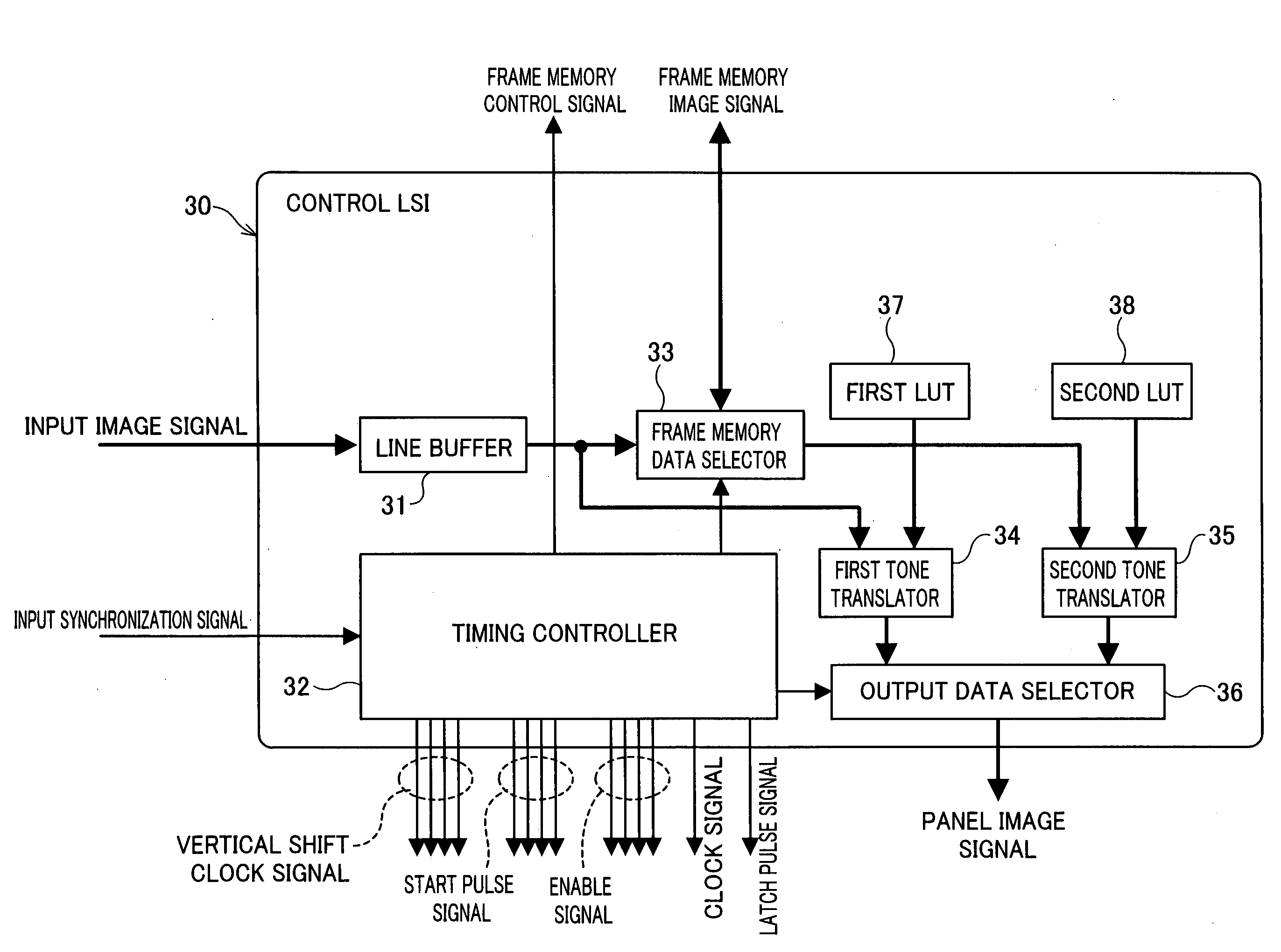
Figure 1 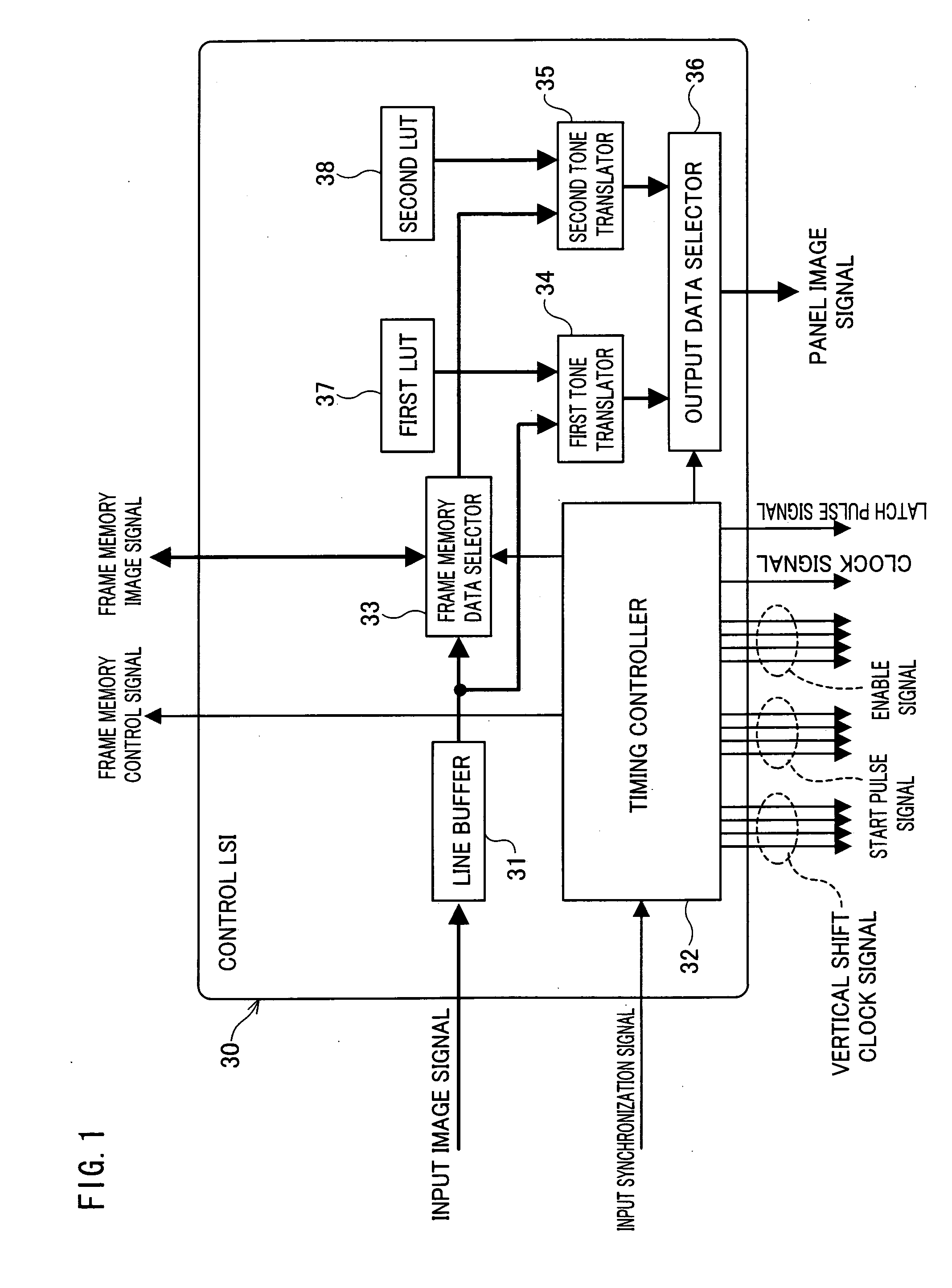
Figure 2 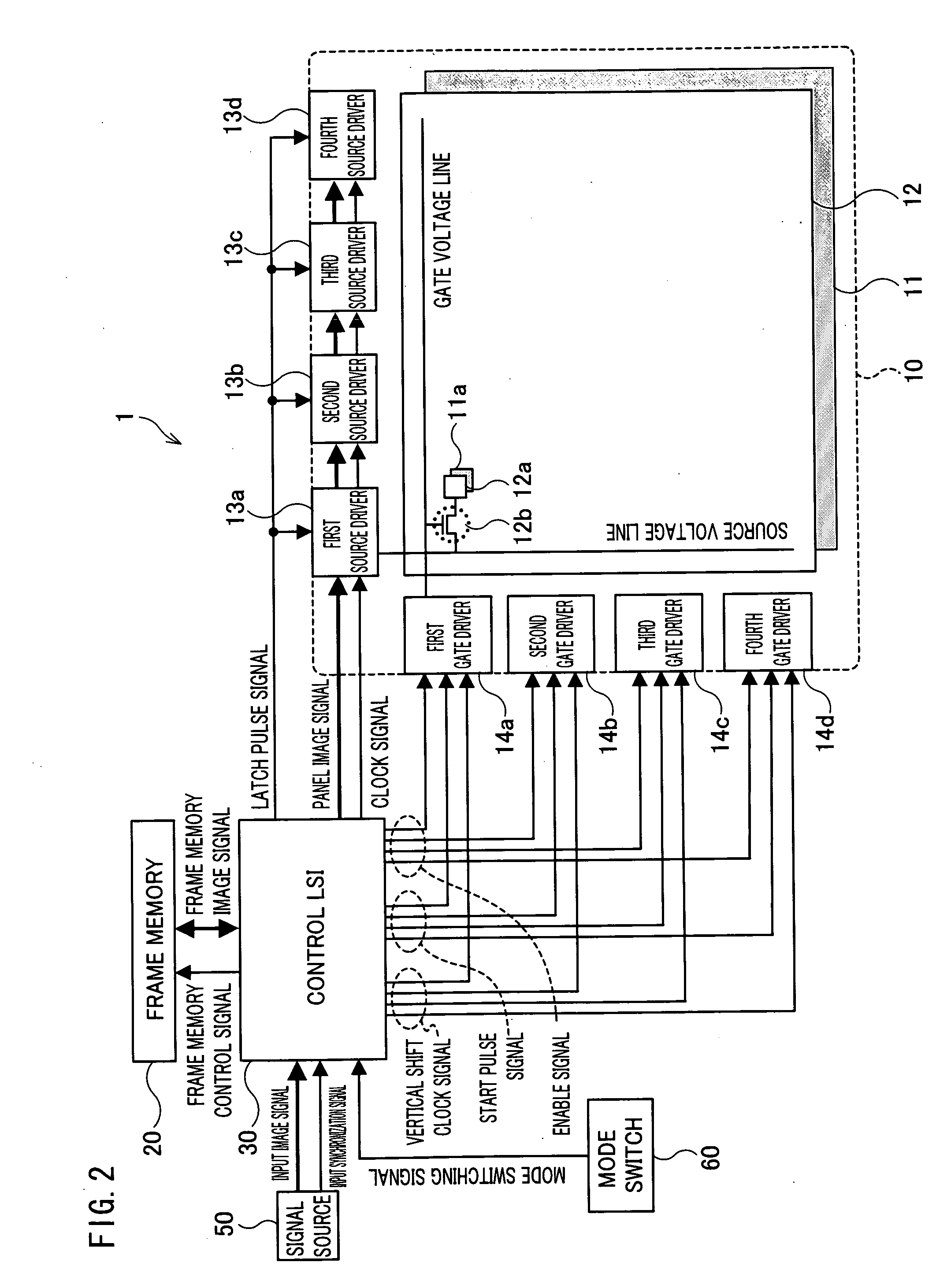
Figure 3
Abstract
Description
TECHNICAL FIELD
[0001] The present invention relates to image display devices that use a hold-type display element such as a liquid crystal display element or an EL (Electro Luminescence) display element.BACKGROUND ART
[0002] In recent years, a variety of display devices have been developed and commercialized, e.g. liquid crystal display devices, plasma display devices, and organic EL display devices, let alone CRT (Cathode-Ray Tube) display devices.
[0003] In a display device, such as a CRT display device, that performs an impulse-type display (a display performed only during a light-emitting period), a pixel in its non-selection period provides a black display. On the other hand, in a hold-type display device (a display in which an image of a previous frame is retained until new image data is written) such as a liquid crystal display device or an organic EL display device, a pixel in its non-selection period retains a display content last written (this is a normal display in a hold-type...
Examples
Embodiment Construction
[0037]One embodiment of the present invention is described below with reference to FIG. 1 through FIG. 7. Explained first with reference to FIG. 2 is a schematic arrangement of an image display device according to the present embodiment. In FIG. 2, an image display device 1 includes a display panel 10, a frame memory 20 and a control LSI 30. In the image display device 1, an image can be displayed, in accordance with an input image signal, on the display panel 10. In the case where a device including the image display device 1 is an image display monitor, for example, a signal source 50 serves as a signal input section that transmits an externally input image signal to the image display device 1. In the case where a device including the image display device 1 is a TV (television) receiver, a receiving apparatus that receives television broadcast is used as the signal source 50, and the image display device 1 displays an image in accordance with the television broadcast received by t...