
Transdermal delivery system, method for manufacturing the same, and transdermal delivery method using the system
a technology of transdermal delivery and delivery method, which is applied in the direction of bandages, dermatological disorders, drug compositions, etc., can solve the problems of inability to maintain continuous drug delivery, inability to control drug release rate, and inability to achieve desired effect, etc., to achieve low skin irritation and reduce skin penetration rate
Patent Information
- Authority / Receiving Office
- US · United States
- Patent Type
- Applications(United States)
- Current Assignee / Owner
- Publication Date
- 2011-03-17
Smart Images
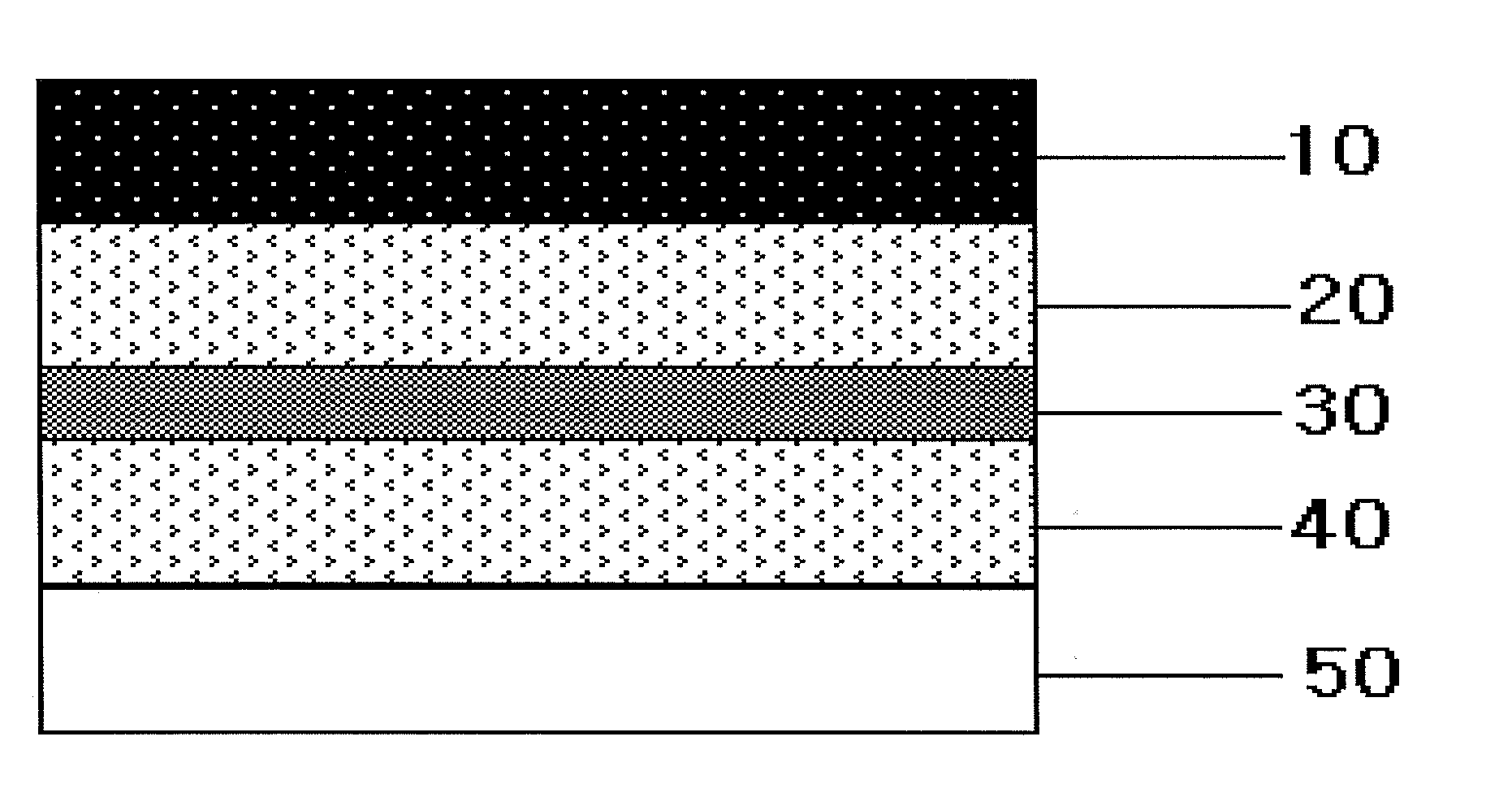
Figure 1 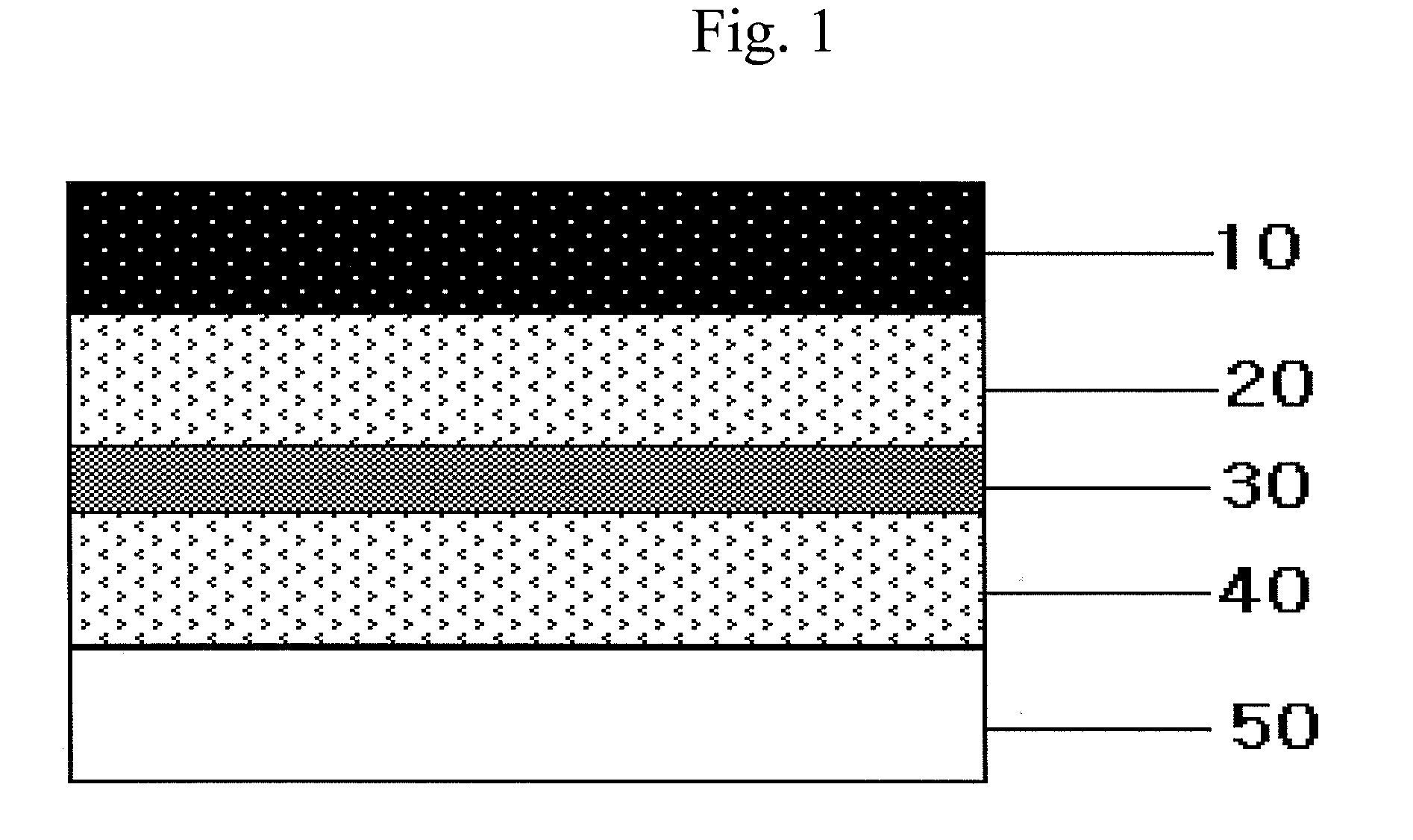
Figure 2 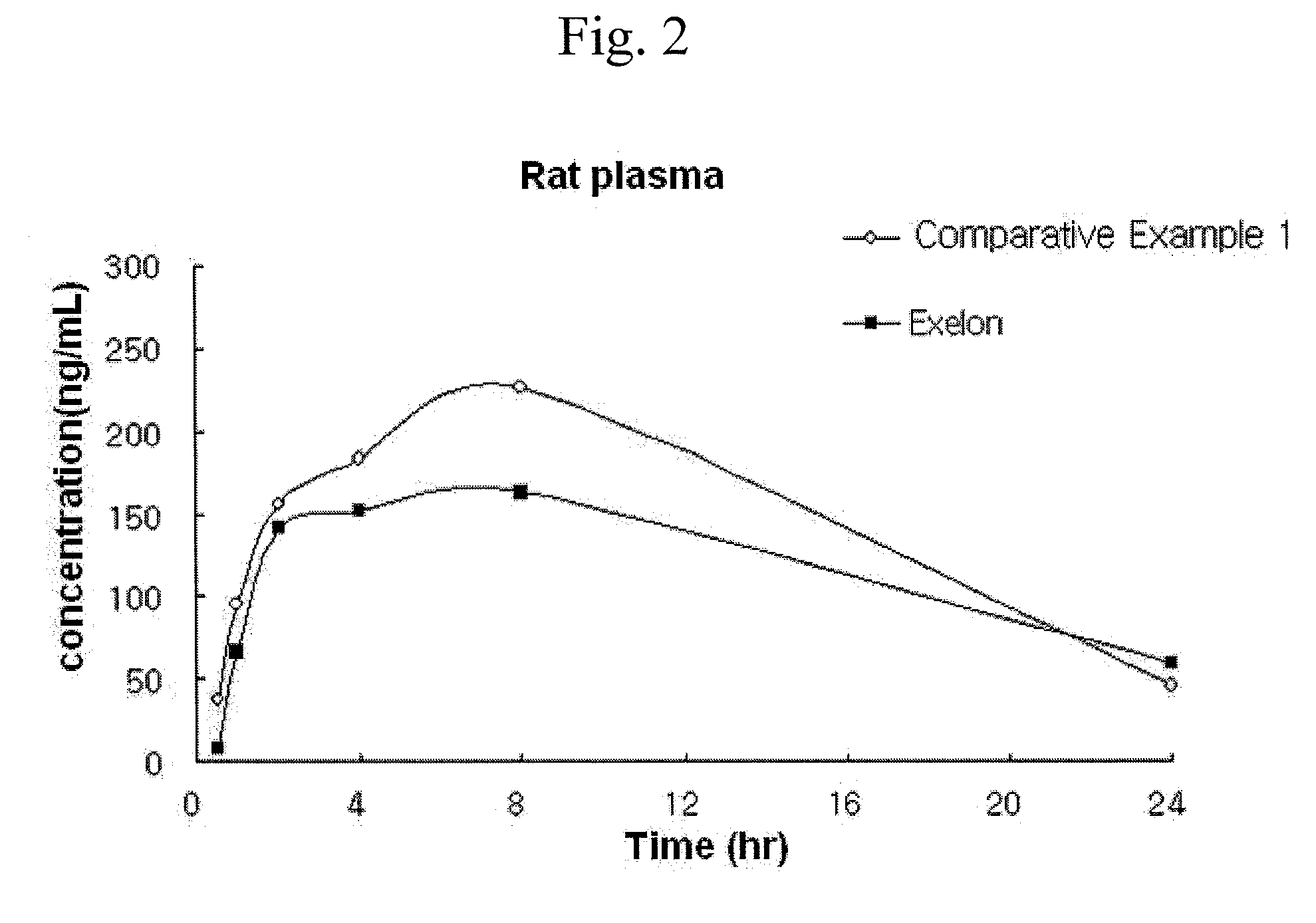
Figure 3
Abstract
Description
CROSS-REFERENCE TO RELATED APPLICATION
[0001] The present invention claims priorities of U.S. Provisional Application No. 61 / 242,854 filed on Sep. 16, 2009 and Korean patent application No. 10-2009-0106090 filed on Nov. 4, 2009, which is incorporated by reference in its entirety.FIELD
[0002] This disclosure relates to a transdermal delivery system including a plurality of adhesive layers including an intermediate adhesive layer, which contains no drug, a method for manufacturing the same, and a method for transdermal delivery using the system.DESCRIPTION OF THE RELATED ART
[0003] The route of administration of a drug to a patient may be different depending on the particular disease or the nature of the drug. Transdermal administration is one of the administration routes. Transdermal administration may be employed to easily deliver a drug when other administration methods, e.g. oral administration, are inapplicable.
[0004] However, the transdermal delivery of a drug may be disadvantageous in...
Examples
example 1
[0094]In order to prepare the first adhesive layer and the third adhesive layer, an acrylate adhesive DT87-502A (Henkel) was mixed with rivastigmine, and then propylene glycol monolaurate (PGML) was added thereto and mixed well.
[0095]The resulting composition was divided in equal amount and coated respectively on a backing layer (Scotchpak 1109 polyester film, 3M) and a liner (Scotchpak 9744, 1022, paper release liner 1361, 9743, 3M) using a Lab coater and dryer (Mathis, Switzerland) and hot air dried at 75° C. to prepare the first adhesive layer and the third adhesive layer.
[0096]A silicone adhesive PSA 7-4501 (Dow Corning) was coated on a fluoropolymer-coated release liner (Scotchpak 9748, 3M) and hot air dried at 75° C. to prepare the rate-control adhesive layer.
[0097]After laminating the rate-control adhesive layer on the first adhesive layer as an intermediate adhesive layer, the third adhesive layer was laminated thereon. Thus manufactured patch had a composition as described ...
example 2
[0112]A patch was manufactured by further adding microporous silica and a release control agent.
example 2-1
[0113]A patch was manufactured in a manner similar to Example 1 as the composition shown in Table 8, by further adding propylene glycol (PG) when mixing with PGML.