
Enhanced engine performance with fuel temperature control
Patent Information
- Authority / Receiving Office
- US · United States
- Current Assignee / Owner
- Publication Date
- 2014-10-09
- Estimated Expiration
- Not applicable · inactive patent
Smart Images
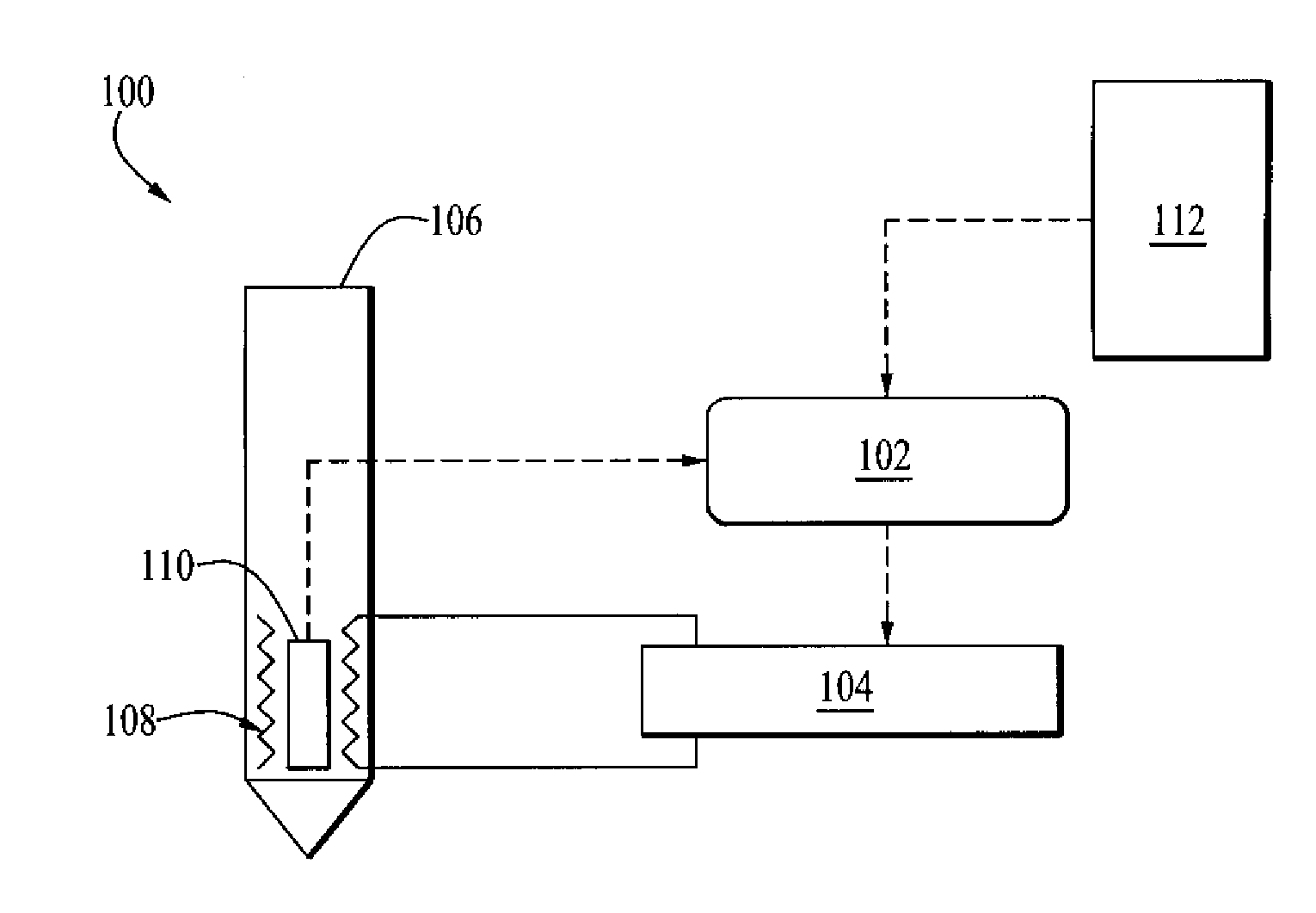
Figure 1 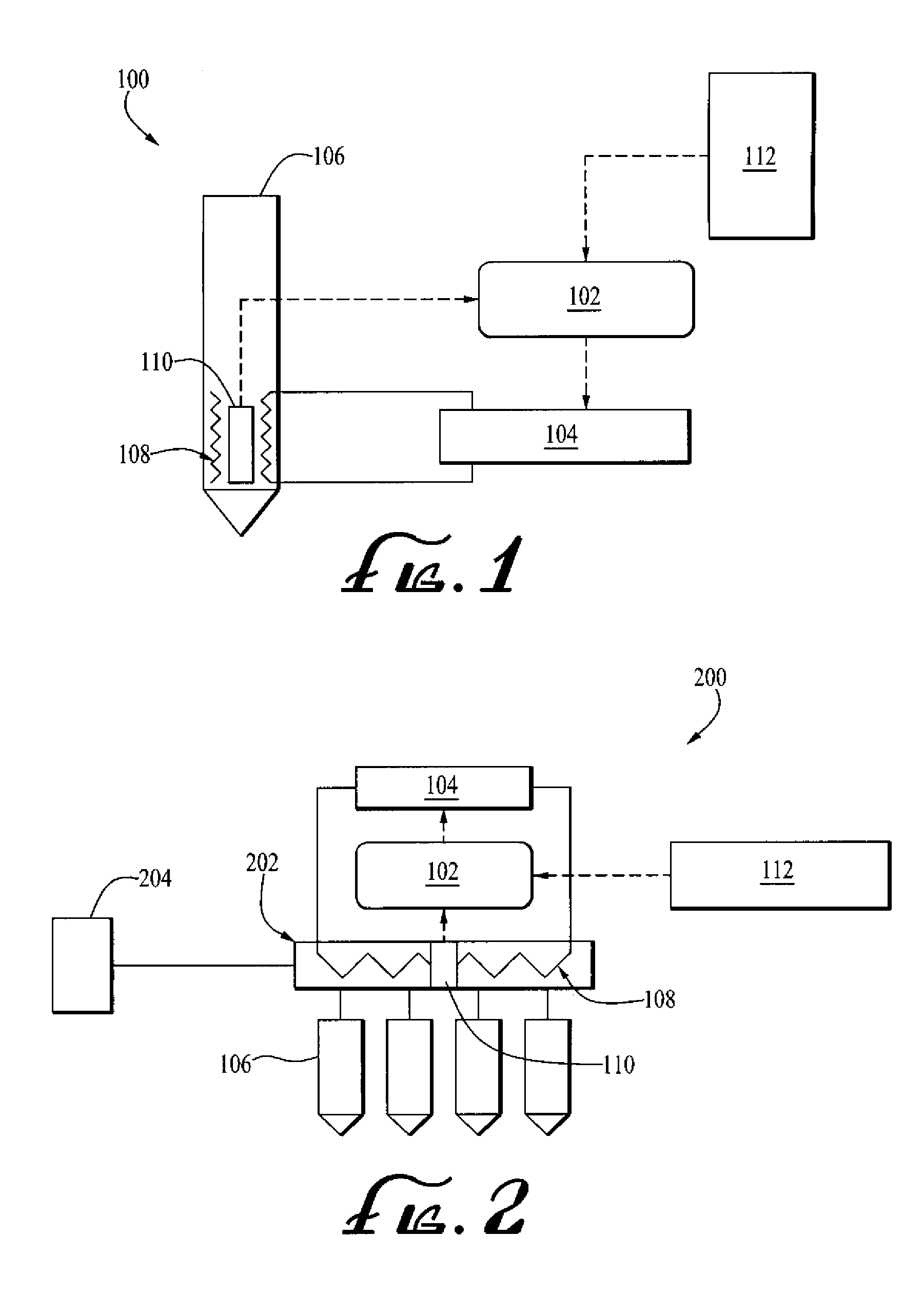
Figure 2 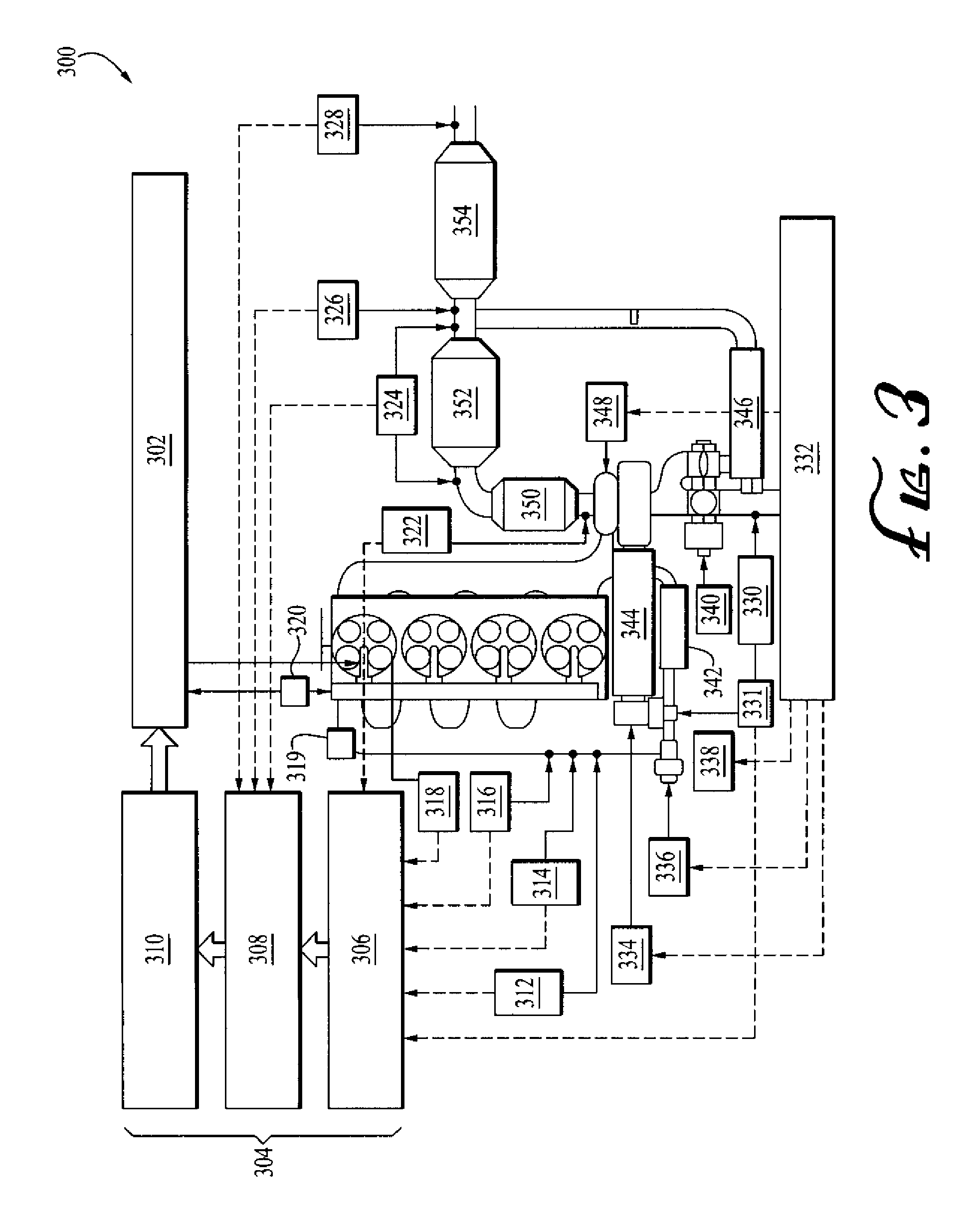
Figure 3
Abstract
Description
CROSS REFERENCE TO RELATED APPLICATIONS
[0001] This application claims the benefit of U.S. Provisional Application Ser. No. 61 / 777,486 to Shizuo Sasaki, entitled CETANE NUMBER COMPENSATION WITH FUEL TEMPERATURE CONTROL, filed on Mar. 12, 2013 and U.S. Provisional Application Ser. No. 61 / 777,755, to Shizuo Sasaki, entitled COLD START OF COMPRESSION-IGNITION ENGINE WITH HEATED FUEL INJECTION, also filed on Mar. 12, 2013. Both of these provisional applications are hereby incorporated herein in their entirety by reference, including the drawings, charts, schematics, diagrams and related written description.BACKGROUND OF THE INVENTION
[0002] 1. Field of the Invention
[0003] The present invention relates generally to the use of heated fuels in internal combustion engines, such as diesel engines, and specifically to novel methods and systems for compensating for conditions detrimental to optimal engine function, for example, chemical and physical characteristics of fuels which can affect combust...
Examples
Embodiment Construction
[0022]The present disclosure is directed to methods and systems of improving engine performance through the use of heated fuel. Some methods and systems include compensating for cetane number variance in fuels utilized in diesel engines. Methods and systems according to the present disclosure can efficiently compensate for cetane number variance by measuring variables, performing calculations to determine a suitable fuel temperature to compensate for cetane variance and continually monitoring the fuel temperature.
[0023]Methods and systems incorporating features of the present disclosure can also improve cold start performance of a compression-ignition engine while maintaining acceptable levels of exhaust gas emissions. Methods and systems according to the present disclosure decrease ignition delay by heating the fuel directly rather than warming the cylinder or intake air as is a current technique. The fuel is heated prior to injection into the cylinder or combustion chamber. Since ...