
Salt-resistant hydrophobically modified copolymer nanostructures as viscosity increasing agents for enhanced oil recovery
Patent Information
- Authority / Receiving Office
- US · United States
- Current Assignee / Owner
- Publication Date
- 2016-10-20
- Estimated Expiration
- Not applicable · inactive patent
Smart Images
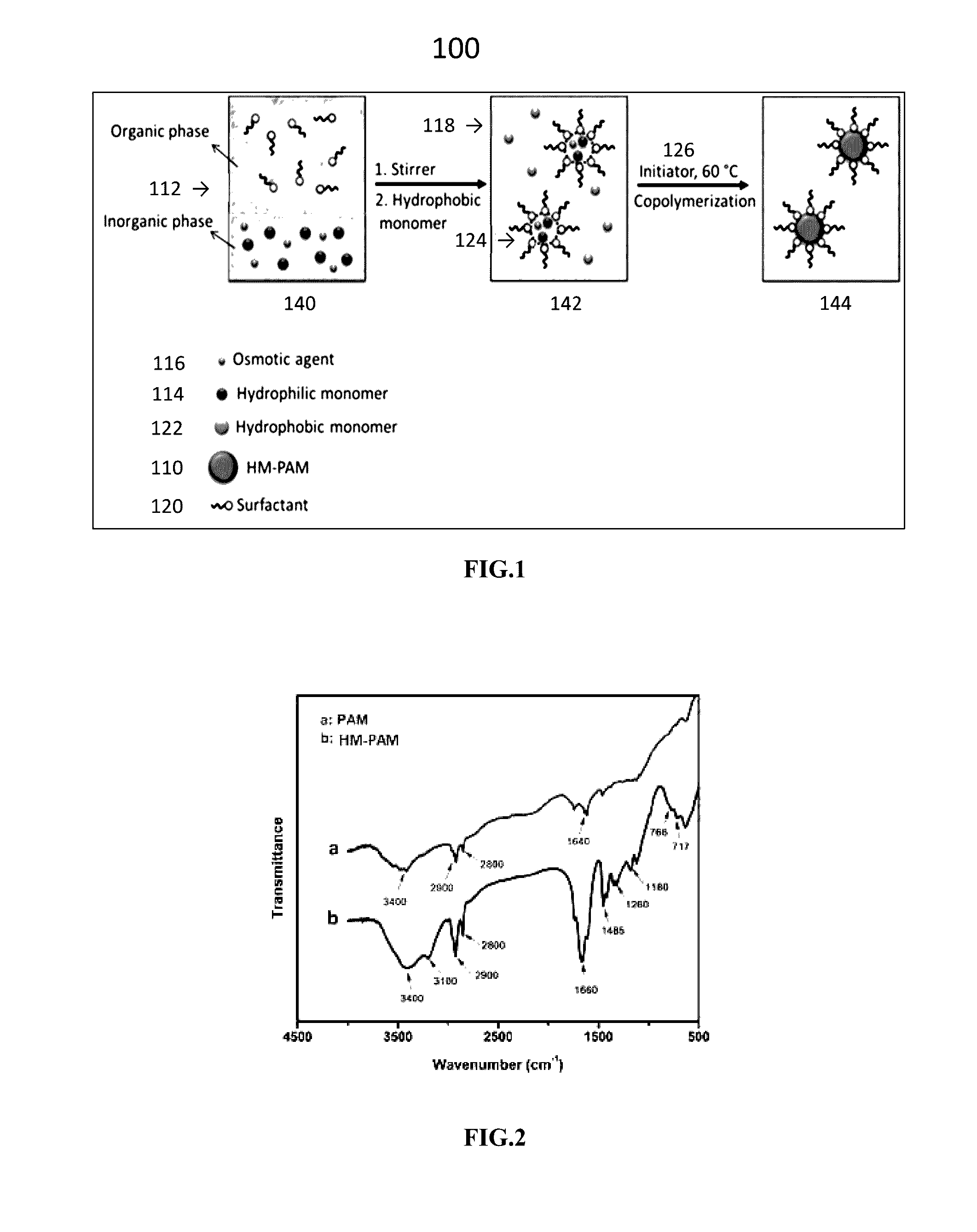
Figure 1 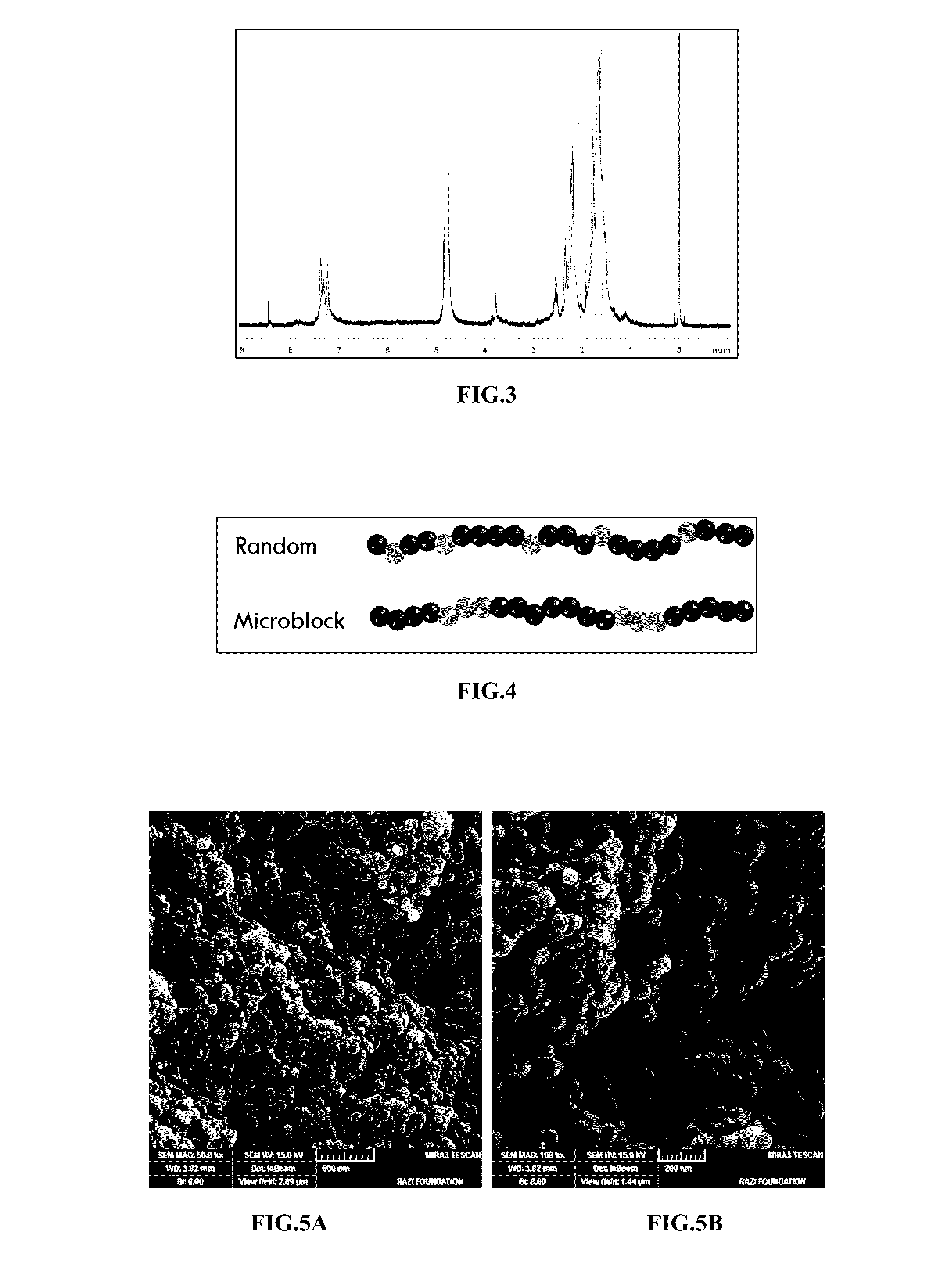
Figure 2 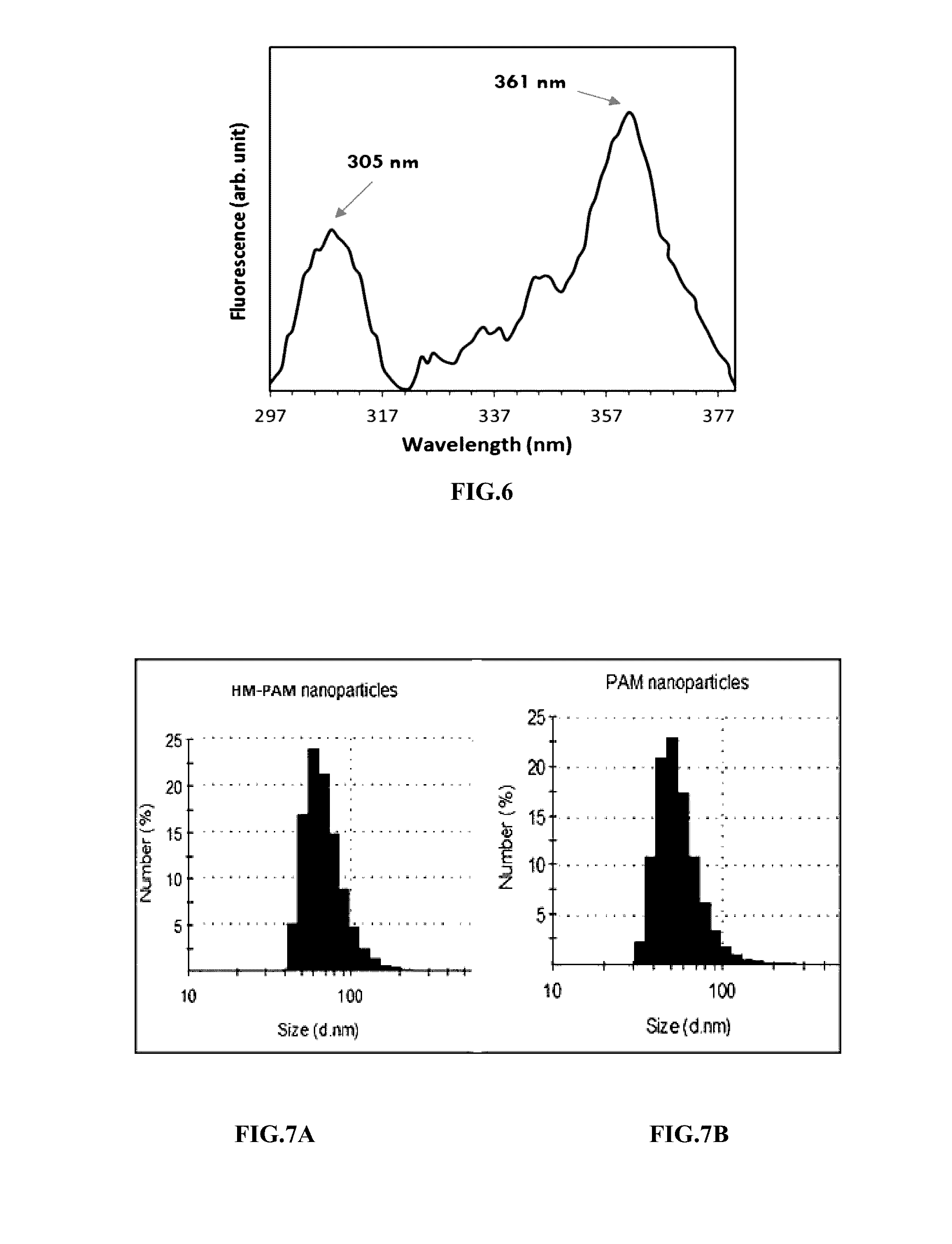
Figure 3
Abstract
Description
CROSS REFERENCE TO RELATED APPLICATION
[0001] This application claims the benefit of priority to an Iran patent application having serial number 139450140003003488 filed on Jun. 22, 2015, which is incorporated by reference herein in its entirety.TECHNICAL FIELD
[0002] The present disclosure relates generally to oil extraction and, more particularly, to polymer flooding processes for oil recovery. Also it relates to other applications such as cosmetics, coatings and drilling fluids.BACKGROUND
[0003] In the context of oil extraction, oil reservoirs can be fractured, thereby trapping oil even upon completion of classical oil recovery processes, such as water flooding, gas injection and in-situ combustion. There are known processes, sometimes referred to as “secondary” and “tertiary” oil recovery, aimed at recovering portions of this trapped oil. One such process is polymer flooding. This is a flooding process that uses natural polymers, such as xanthan and starch, and synthetic polymers, for...
Examples
Embodiment Construction
[0024]In the following detailed description, various examples are presented to provide a thorough understanding of inventive concepts, and various aspects thereof that are set forth by this disclosure. However, upon reading the present disclosure, it may become apparent to persons of skill that various inventive concepts and aspects thereof may be practiced without one or more details shown in the examples. In other instances, well known procedures, operations and materials have been described at a relatively high-level, without detail, to avoid unnecessarily obscuring description of inventive concepts and aspects thereof.
[0025]In traditional polymer flooding, a high viscosity polymeric solution, including hydrophilic polymer (for example, HPAM and PAM) and water, is injected into underground reservoirs by high viscosity pumps. The injecting can be after water flooding and its fingering phenomenon. This solution is injected to propagate through the water phase and control the mobili...