
Wearable device to screen opioid intoxication
a wearable device and opioid technology, applied in the field of wearable devices to screen opioid intoxication, can solve the problems of urine testing often missing the detection of drugs, unable to detect drugs that have been metabolized, and the negative impact of these drugs is even greater, so as to screen opioids more readily and inexpensively, and reduce the risk of drug overdos
Patent Information
- Authority / Receiving Office
- US · United States
- Patent Type
- Applications(United States)
- Current Assignee / Owner
- Publication Date
- 2021-06-10
Smart Images
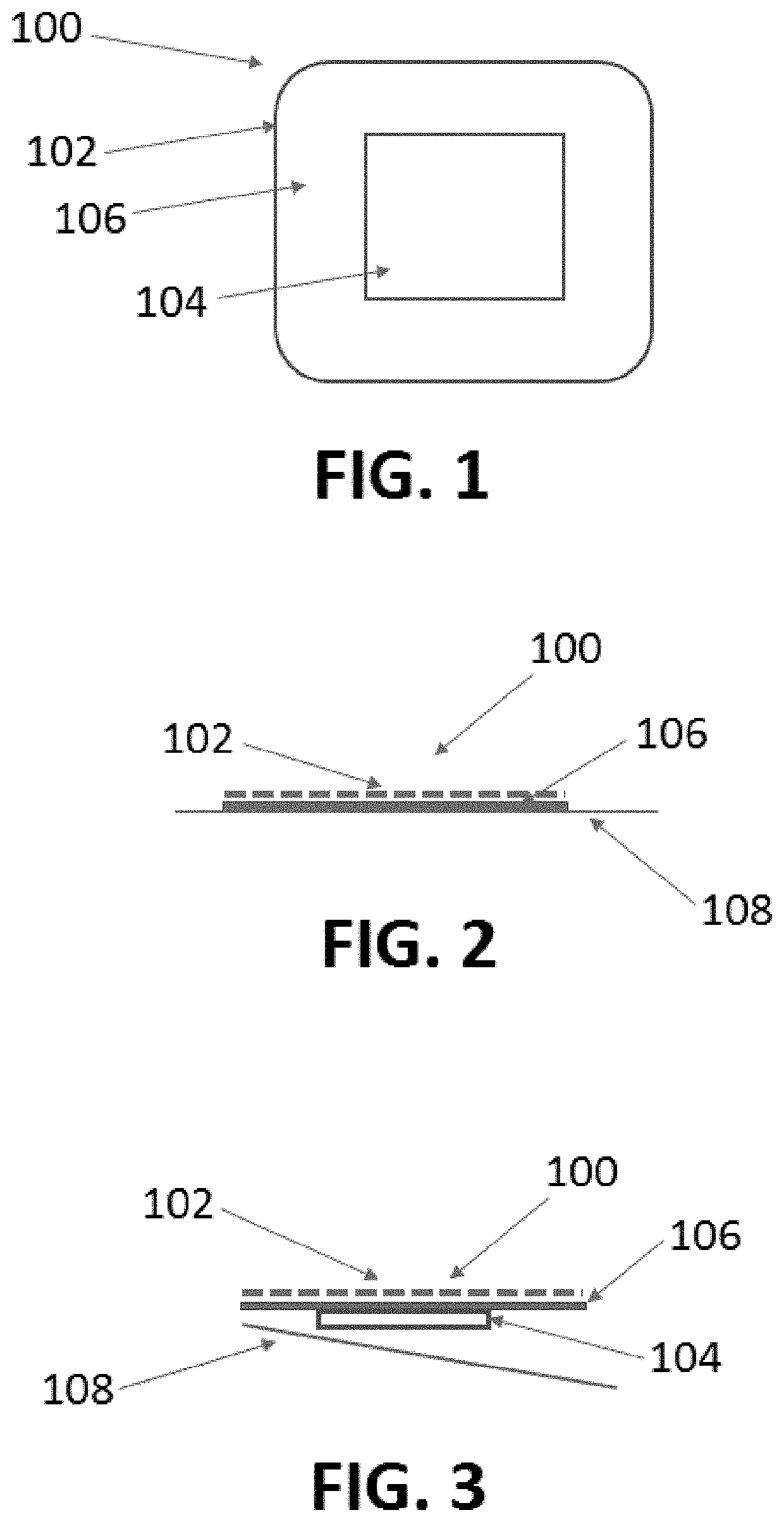
Figure 1 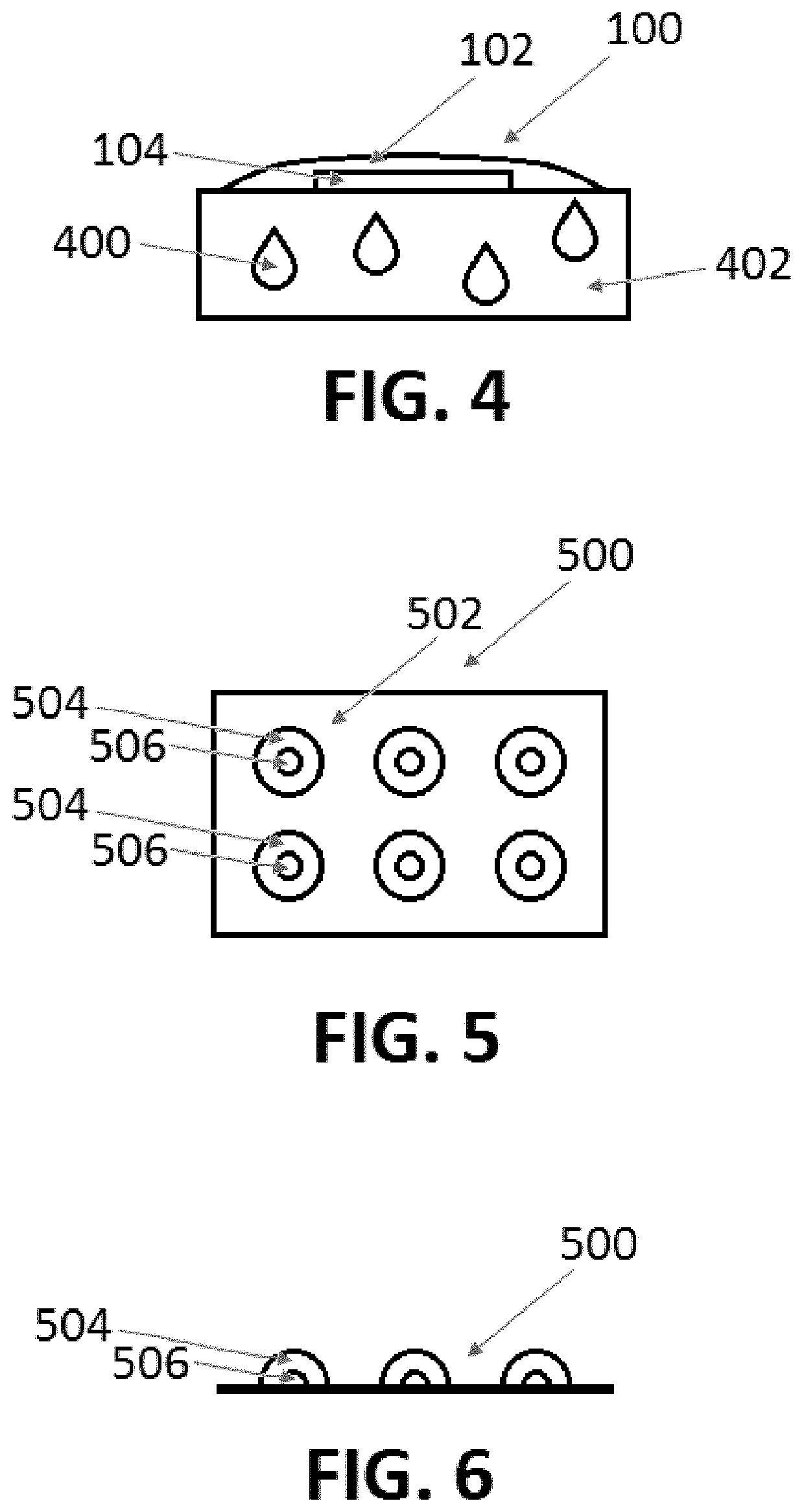
Figure 2 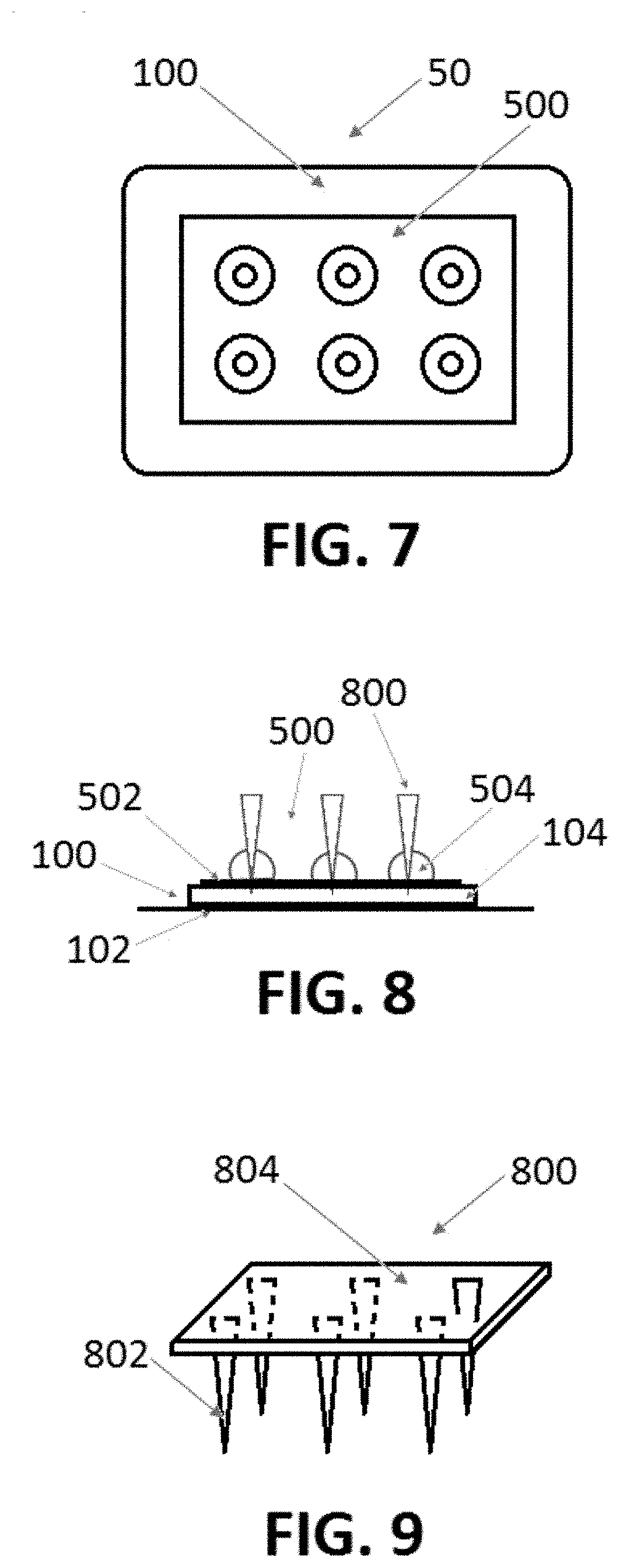
Figure 3
Abstract
Description
PRIORITY
[0001] The present patent application is related to, and claims the priority benefit of, U.S. Provisional Patent Application Ser. No. 62 / 945,614, filed on Dec. 9, 2019, the contents of which are hereby incorporated by reference in their entirety into this disclosure.BACKGROUND
[0002] About two million Americans are addicted to opioid drugs, including prescription pain medicines, heroin and fentanyl or one of its analogues. Many millions more misuse opioids, taking opioid medications longer or in higher doses than prescribed. These statistics are staggering, and the tragic effects of the opioid crisis do not stop there but extend to our entire nation.
[0003] The negative impact of these drugs is even greater when used by public first responders, pilots, firefighters, soldiers, and individuals with public responsibilities. Increased overdose and misuse of opioids in the United States (US) makes it more important than ever to have full capability to detect drugs that can impair judg...
Examples
Embodiment Construction
[0047]For the purposes of promoting an understanding of the principles of the present disclosure, reference will now be made to the embodiments illustrated in the drawings, and specific language will be used to describe the same. It will nevertheless be understood that no limitation of the scope of this disclosure is thereby intended.
[0048]Systems 50 of the present disclosure comprise two parts / portions—a sweat patch 100, also referred to herein as a collection part / portion, and a screening pad 500, also referred to herein as a screening part / portion or a detection part / portion. Screening pad 500 is composed of biomarkers, where it will lay on top of the sweat patch after removal. Screening pad 500 will then be removed from the sweat patch 100 after several seconds for color determination by either the naked eye or using a detection device such as a spectrometer. Sweat patches 100 can be slightly heated to evaporate the residual liquid to increase agent concentrations.
[0049]An exemp...