
Prosthetic aortic valve
a prosthetic and aortic valve technology, applied in the field of prosthetic aortic valves, can solve the problems of high risk of thromboembolism, high cost and inconvenience, and impair health, and achieve the effect of minimizing or eliminating the additional risk of infection and/or thromboembolism
Patent Information
- Authority / Receiving Office
- US · United States
- Current Assignee / Owner
- Publication Date
- 2005-10-04
- Estimated Expiration
- Not applicable · inactive patent
Smart Images
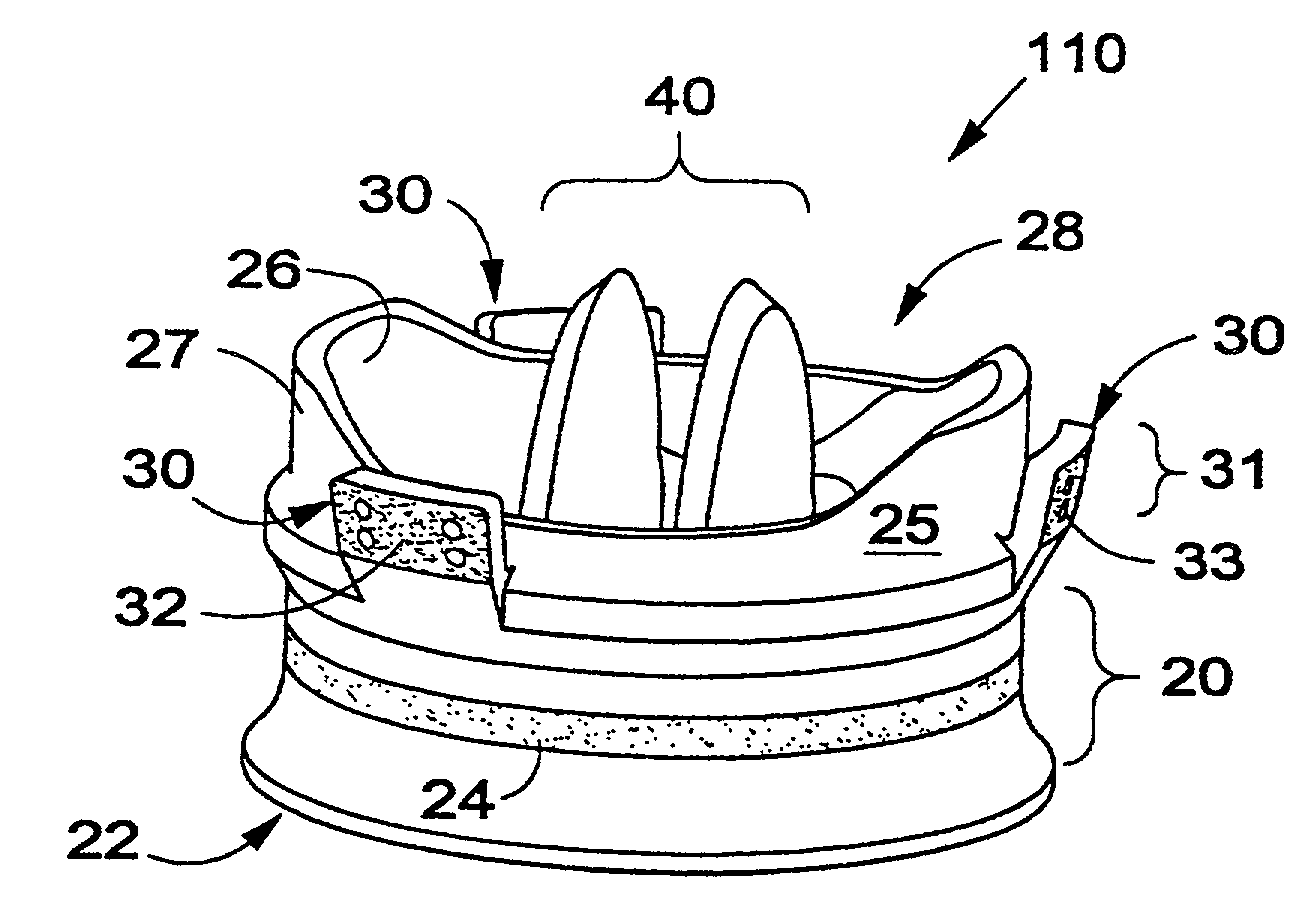
Figure 1 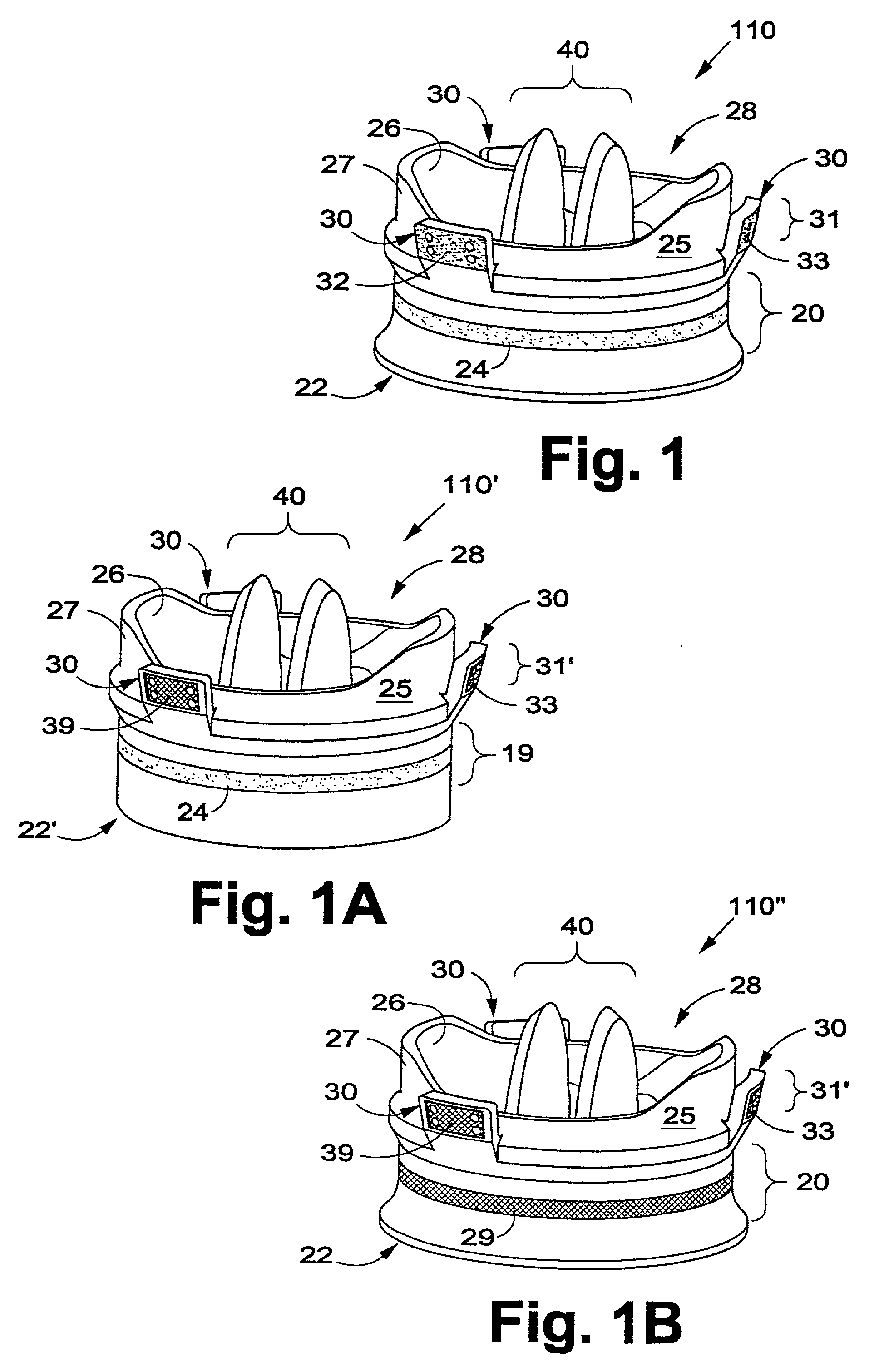
Figure 2 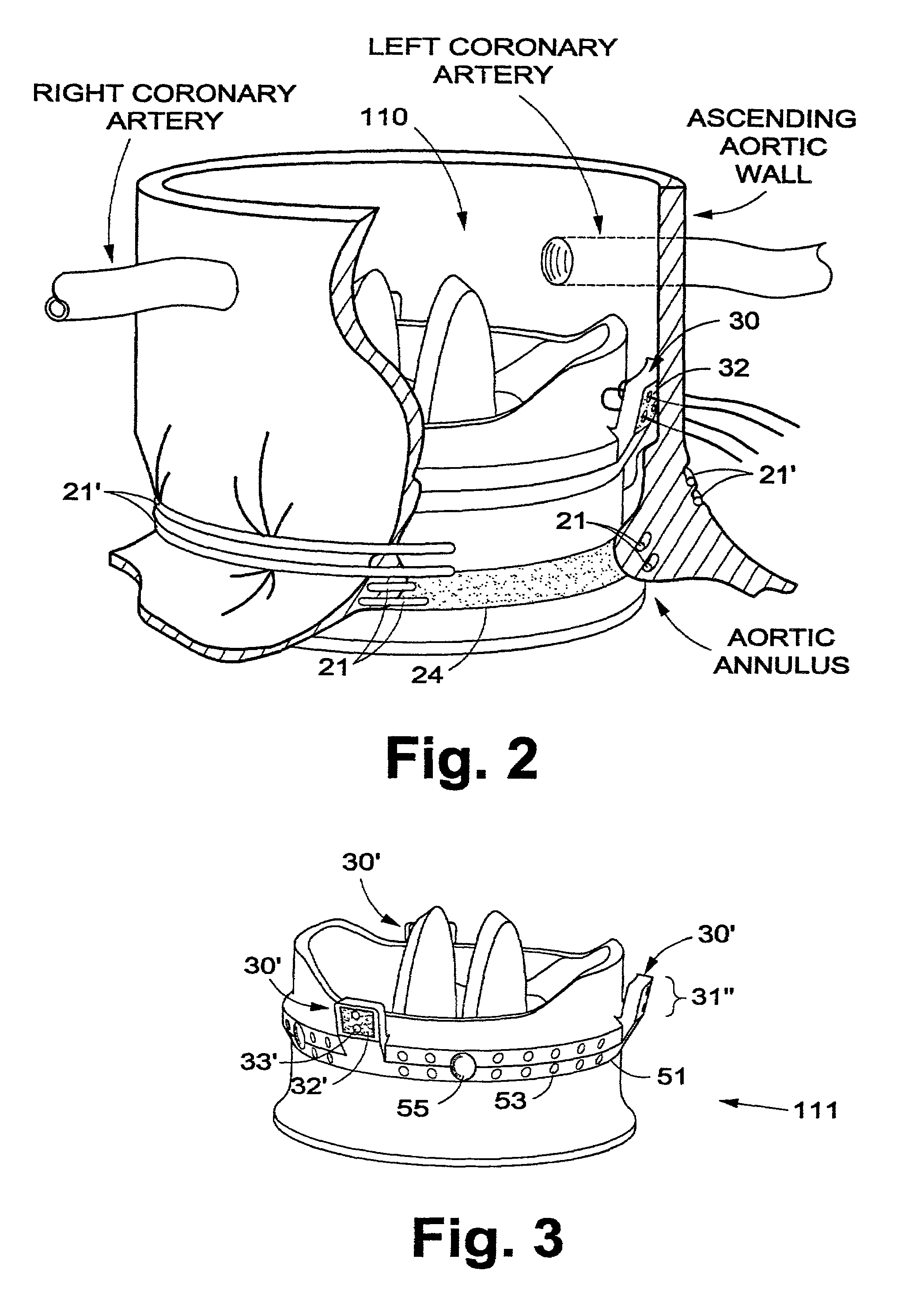
Figure 3
Abstract
Description
BACKGROUND
[0001] The present invention relates to surgically implantable mechanical valves that can replace cardiac valves damaged by disease or injury. In particular, the invention comprises methods and apparatus for total replacement of aortic valves.
[0002] Mechanical prosthetic aortic valves are typically attached to the tissue of the natural valve annulus and simulate the function of aortic valve semilunar leaflets, ensuring one-way arterial blood flow out of the left ventricle of the heart. They have been in clinical use for about 50 years, and during that time prosthetic valves' durability and hemodynamic characteristics have been improved significantly. Still, a continued high risk of thromboembolism from the mechanical valves mandates lifelong anticoagulant therapy for patients receiving them. This therapy is costly and inconvenient, and it predisposes patients to a variety of complications that can impair health and shorten life (e.g., stroke arising from either excessive or ...
Examples
Embodiment Construction
[0048]A semirigid sewing flange of the present invention allows placement of a plurality of interrupted sutures for securing a prosthetic valve to the aortic valve commissures and / or to the ascending aortic wall between the commissures. Since the commissures themselves are generally not evenly spaced around the annulus, the interrupted sutures are generally not evenly spaced either. Thus, while suitable for the valve securing function, these interrupted sutures are not preferred for the function of sealing to prevent blood leakage around an implanted prosthetic valve.
[0049]The function of sealing to prevent blood leakage around implanted valves of the present invention is provided by tension in one or more circumferential tensioning cords. Each such tensioning cord is placed within the tissue surrounding a patient's aortic annular opening (as, for example, by one or more purse-string sutures placed within the tissue) and / or around the ascending aortic wall distal to the aortic annul...