
System and method for providing an obturator for enhanced directional capabilities in a vascular environment
a technology of obturator and vascular environment, which is applied in the field of system and method for providing an obturator with enhanced directional capabilities in a vascular environment, can solve the problems of adding unnecessary risk to patients, bleeding and stroke, and many of these instruments suffer from a number of significant drawbacks, so as to improve the efficiency of the operation, and eliminate or greatly reduce the disadvantages and problems associated
Patent Information
- Authority / Receiving Office
- US · United States
- Patent Type
- Patents(United States)
- Current Assignee / Owner
- Publication Date
- 2013-07-16
- Estimated Expiration
- Not applicable · inactive patent
Smart Images
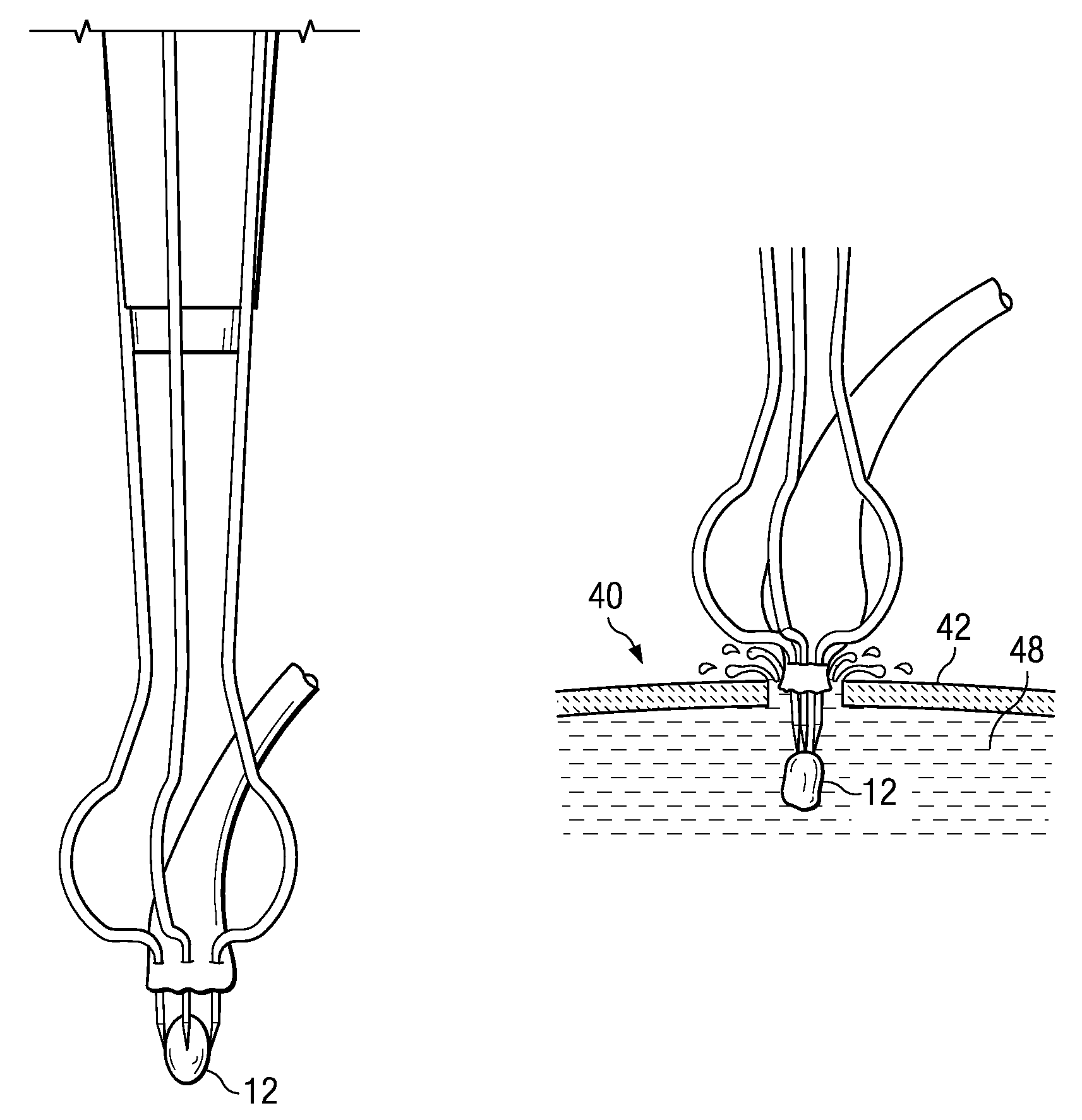
Figure 1 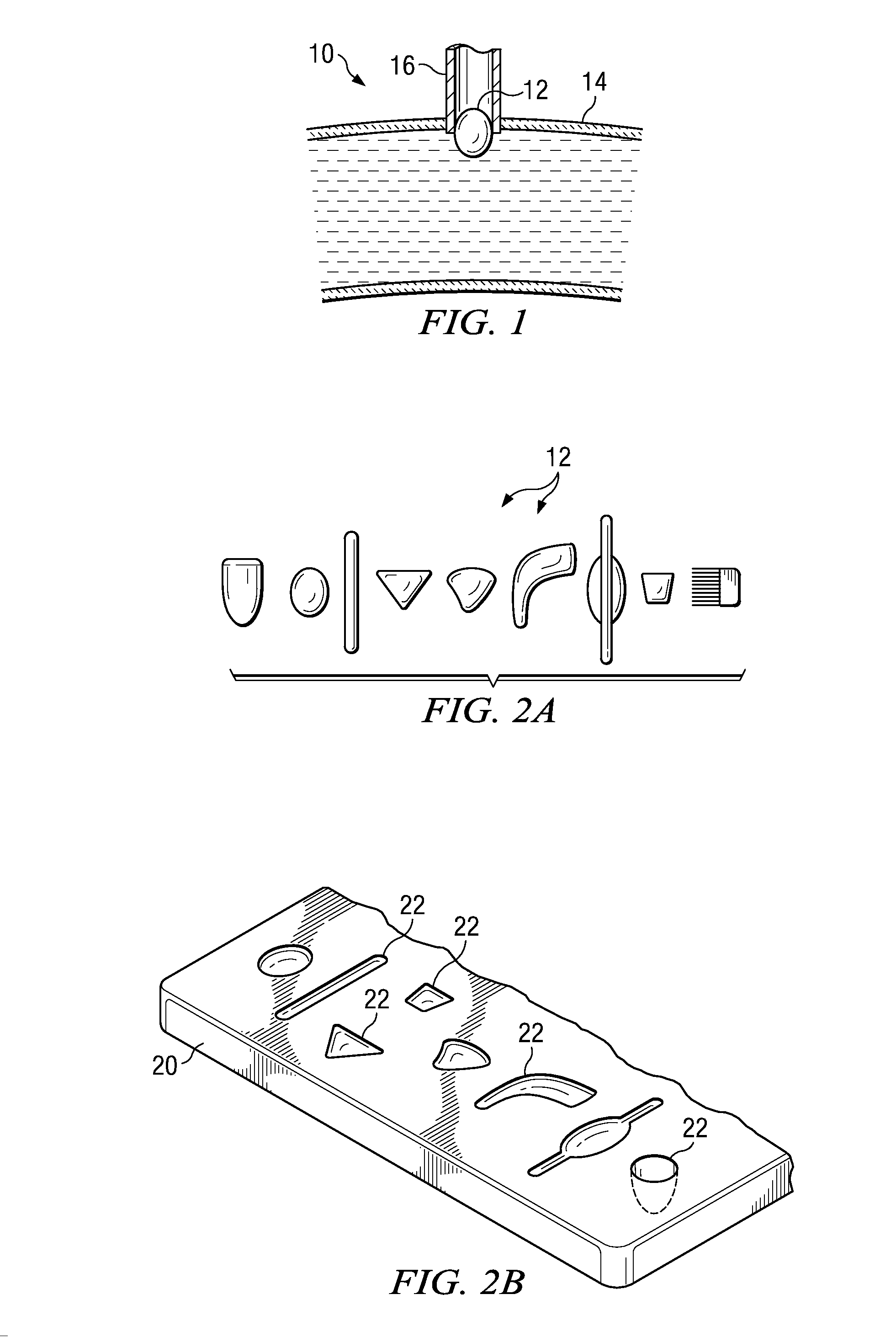
Figure 2 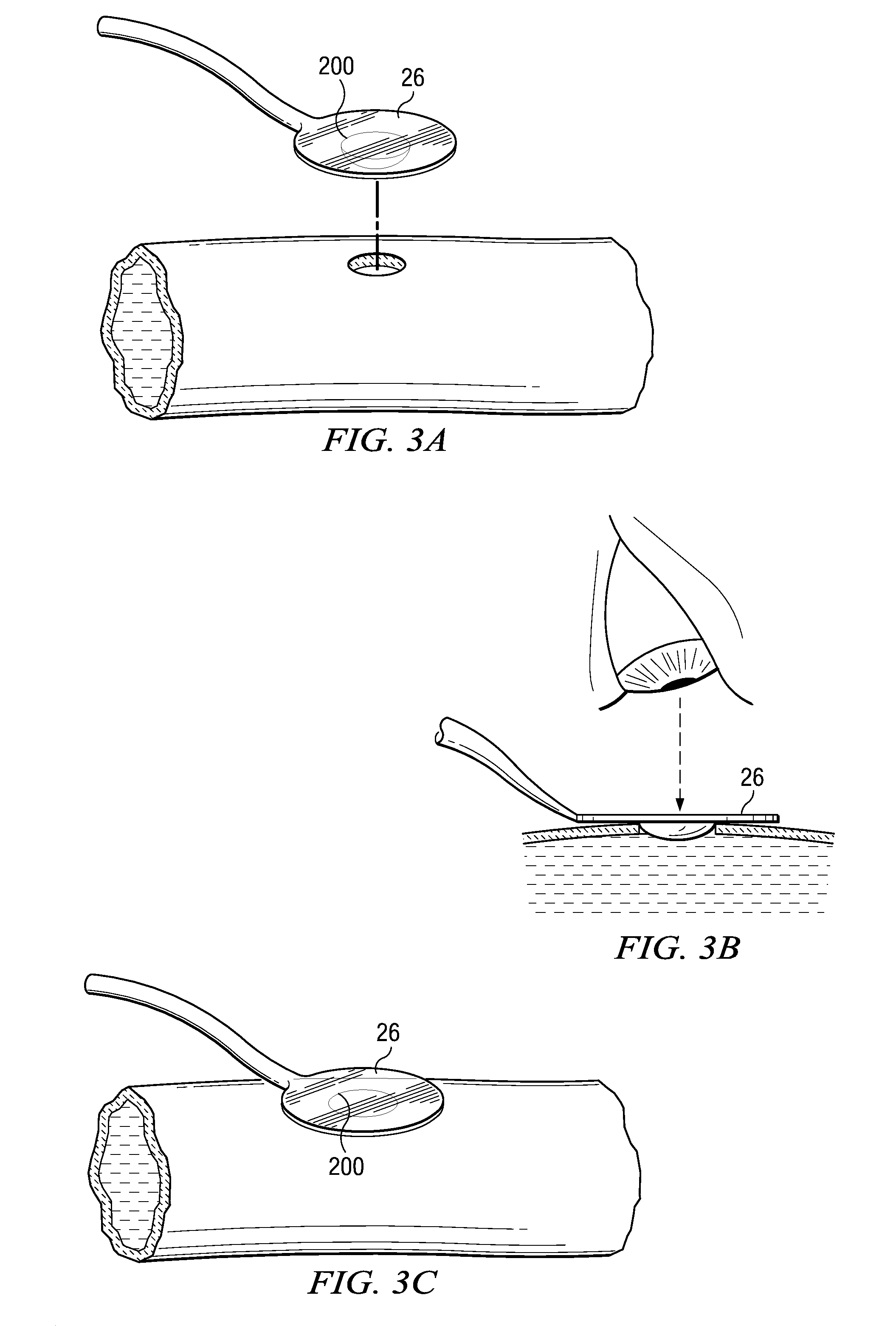
Figure 3
Abstract
Description
TECHNICAL FIELD OF THE INVENTION
[0001] This invention relates in general to the field of cardiac and vascular surgery and, more particularly, to a process, a system, and a method for providing an obturator for enhanced directional capabilities in a vascular environment.BACKGROUND OF THE INVENTION
[0002] In recent decades, the treatment of vascular diseases has grown exponentially in terms of sophistication and diversity. Most cardio-thoracic procedures, bypasses, and valve surgeries are routine, almost commonplace. Their popularity is due, in part, to their tremendous success rates and their ability to offer extraordinary benefits to a patient. Other types of surgeries have achieved a similar level of acceptance and popularity.
[0003] Many such procedures involve the use of medical devices, which have experienced considerable notoriety in recent years. Although these devices can automate and improve various types of procedures, many of these instruments do suffer from a number of signifi...
Examples
Embodiment Construction
[0020]FIG. 1 is a simplified schematic diagram of an example vascular environment 10 in which an obturator 12 may be used during a given operation. In this first example, obturator 12 is being used in connection with an anastomosis between a tube 16 (or a vein, or a vessel, etc.) and a second conduit 14 (e.g., an aorta).
[0021]Note that the outer layer of the aorta is generally susceptible to trauma and inflammation. Specifically, devices such as cutters or vein-holding instruments (as illustrated in FIG. 4F) can easily become entangled while attempting to engage a hole or while making an incision. A high level of precision is necessary to avoid snagging in any area that surrounds the target area. In cases where entanglement does occur, a patient could suffer blood loss or, in other scenarios, a surgeon could inadvertently make an errant hole or a tear in surrounding tissue of the surgical area.
[0022]A few strategies may be employed to address this worrisome issue. One remedy, which ...