Comparative Antimicrobial Properties of Ethyl Propanoate and Other Esters
JUL 22, 20259 MIN READ
Generate Your Research Report Instantly with AI Agent
Patsnap Eureka helps you evaluate technical feasibility & market potential.
Antimicrobial Ester Background and Objectives
Antimicrobial esters have emerged as a significant area of research in recent years, driven by the growing need for effective and safe antimicrobial agents. The background of this field traces back to the discovery of natural esters with antimicrobial properties in various plants and microorganisms. These findings sparked interest in exploring synthetic esters for their potential antimicrobial applications.
The evolution of antimicrobial ester research has been marked by a shift from traditional antibiotics to alternative compounds, as concerns over antibiotic resistance have intensified. Esters, with their diverse chemical structures and properties, have shown promise in addressing this challenge. The field has seen a gradual progression from simple esters to more complex and targeted molecules, designed to enhance antimicrobial efficacy while minimizing potential side effects.
Recent technological advancements in chemical synthesis, high-throughput screening, and molecular modeling have accelerated the development of novel antimicrobial esters. These tools have enabled researchers to explore a wider range of ester compounds and to better understand their mechanisms of action against various pathogens.
The current focus on ethyl propanoate and other esters represents a significant step in this ongoing research. Ethyl propanoate, a relatively simple ester, has garnered attention due to its potential antimicrobial properties and its status as a generally recognized as safe (GRAS) compound by regulatory agencies. This makes it an attractive candidate for various applications, particularly in food preservation and personal care products.
The objectives of this technical research report are multifaceted. Firstly, it aims to comprehensively evaluate the antimicrobial properties of ethyl propanoate in comparison to other esters. This involves assessing its efficacy against a range of microorganisms, including bacteria, fungi, and potentially viruses. Secondly, the report seeks to elucidate the mechanisms by which ethyl propanoate and related esters exert their antimicrobial effects, providing insights into structure-activity relationships.
Furthermore, this research aims to explore the potential applications of ethyl propanoate and other antimicrobial esters across various industries, including food, pharmaceuticals, and consumer goods. The report will also address the safety profiles and environmental impact of these compounds, crucial factors in their potential widespread adoption.
Lastly, the objectives include identifying future research directions and potential innovations in the field of antimicrobial esters. This encompasses exploring novel ester derivatives, combination strategies with other antimicrobial agents, and advanced delivery systems to enhance their efficacy and applicability.
The evolution of antimicrobial ester research has been marked by a shift from traditional antibiotics to alternative compounds, as concerns over antibiotic resistance have intensified. Esters, with their diverse chemical structures and properties, have shown promise in addressing this challenge. The field has seen a gradual progression from simple esters to more complex and targeted molecules, designed to enhance antimicrobial efficacy while minimizing potential side effects.
Recent technological advancements in chemical synthesis, high-throughput screening, and molecular modeling have accelerated the development of novel antimicrobial esters. These tools have enabled researchers to explore a wider range of ester compounds and to better understand their mechanisms of action against various pathogens.
The current focus on ethyl propanoate and other esters represents a significant step in this ongoing research. Ethyl propanoate, a relatively simple ester, has garnered attention due to its potential antimicrobial properties and its status as a generally recognized as safe (GRAS) compound by regulatory agencies. This makes it an attractive candidate for various applications, particularly in food preservation and personal care products.
The objectives of this technical research report are multifaceted. Firstly, it aims to comprehensively evaluate the antimicrobial properties of ethyl propanoate in comparison to other esters. This involves assessing its efficacy against a range of microorganisms, including bacteria, fungi, and potentially viruses. Secondly, the report seeks to elucidate the mechanisms by which ethyl propanoate and related esters exert their antimicrobial effects, providing insights into structure-activity relationships.
Furthermore, this research aims to explore the potential applications of ethyl propanoate and other antimicrobial esters across various industries, including food, pharmaceuticals, and consumer goods. The report will also address the safety profiles and environmental impact of these compounds, crucial factors in their potential widespread adoption.
Lastly, the objectives include identifying future research directions and potential innovations in the field of antimicrobial esters. This encompasses exploring novel ester derivatives, combination strategies with other antimicrobial agents, and advanced delivery systems to enhance their efficacy and applicability.
Market Analysis for Antimicrobial Esters
The market for antimicrobial esters, particularly ethyl propanoate and related compounds, has shown significant growth in recent years due to increasing awareness of hygiene and sanitation across various industries. The global antimicrobial market, which includes esters, is projected to expand at a steady rate, driven by rising demand in healthcare, food and beverage, and personal care sectors.
In the healthcare industry, antimicrobial esters are finding applications in medical device coatings, wound dressings, and pharmaceutical formulations. The ongoing COVID-19 pandemic has further accelerated the adoption of antimicrobial products, creating new opportunities for ester-based solutions. Hospitals and healthcare facilities are increasingly incorporating these compounds into their infection control protocols, contributing to market growth.
The food and beverage industry represents another key market for antimicrobial esters. With growing concerns about food safety and shelf-life extension, manufacturers are turning to natural and synthetic antimicrobial agents. Ethyl propanoate and similar esters are being explored for their potential to inhibit microbial growth in food packaging and preservation applications. This trend is particularly pronounced in the ready-to-eat and processed food segments.
Personal care and cosmetics sectors are also driving demand for antimicrobial esters. Consumers are seeking products with enhanced protection against harmful microorganisms, leading to the incorporation of these compounds in hand sanitizers, soaps, and other personal hygiene products. The market for natural and bio-based antimicrobial esters is experiencing rapid growth, aligning with the increasing consumer preference for eco-friendly and sustainable solutions.
Geographically, North America and Europe currently dominate the antimicrobial ester market, owing to stringent regulations on hygiene standards and advanced healthcare infrastructure. However, Asia-Pacific is emerging as a lucrative market, fueled by rapid industrialization, improving healthcare facilities, and rising disposable incomes. Countries like China and India are expected to witness substantial growth in demand for antimicrobial esters across various end-use industries.
The competitive landscape of the antimicrobial ester market is characterized by the presence of both large multinational corporations and specialized chemical companies. Key players are focusing on research and development to enhance the efficacy and sustainability of their products. Collaborations between academic institutions and industry partners are driving innovation in this field, leading to the development of novel antimicrobial ester formulations with improved performance characteristics.
In the healthcare industry, antimicrobial esters are finding applications in medical device coatings, wound dressings, and pharmaceutical formulations. The ongoing COVID-19 pandemic has further accelerated the adoption of antimicrobial products, creating new opportunities for ester-based solutions. Hospitals and healthcare facilities are increasingly incorporating these compounds into their infection control protocols, contributing to market growth.
The food and beverage industry represents another key market for antimicrobial esters. With growing concerns about food safety and shelf-life extension, manufacturers are turning to natural and synthetic antimicrobial agents. Ethyl propanoate and similar esters are being explored for their potential to inhibit microbial growth in food packaging and preservation applications. This trend is particularly pronounced in the ready-to-eat and processed food segments.
Personal care and cosmetics sectors are also driving demand for antimicrobial esters. Consumers are seeking products with enhanced protection against harmful microorganisms, leading to the incorporation of these compounds in hand sanitizers, soaps, and other personal hygiene products. The market for natural and bio-based antimicrobial esters is experiencing rapid growth, aligning with the increasing consumer preference for eco-friendly and sustainable solutions.
Geographically, North America and Europe currently dominate the antimicrobial ester market, owing to stringent regulations on hygiene standards and advanced healthcare infrastructure. However, Asia-Pacific is emerging as a lucrative market, fueled by rapid industrialization, improving healthcare facilities, and rising disposable incomes. Countries like China and India are expected to witness substantial growth in demand for antimicrobial esters across various end-use industries.
The competitive landscape of the antimicrobial ester market is characterized by the presence of both large multinational corporations and specialized chemical companies. Key players are focusing on research and development to enhance the efficacy and sustainability of their products. Collaborations between academic institutions and industry partners are driving innovation in this field, leading to the development of novel antimicrobial ester formulations with improved performance characteristics.
Current State of Ester-based Antimicrobials
Ester-based antimicrobials have gained significant attention in recent years due to their potential as alternatives to traditional antibiotics. The current state of these compounds is characterized by a growing body of research and an increasing understanding of their mechanisms of action. Ethyl propanoate, in particular, has emerged as a promising candidate among various esters.
Recent studies have demonstrated that ethyl propanoate exhibits broad-spectrum antimicrobial activity against both Gram-positive and Gram-negative bacteria. Its efficacy has been compared to other esters, such as ethyl acetate and methyl propanoate, with varying results depending on the target microorganisms. The antimicrobial properties of ethyl propanoate are attributed to its ability to disrupt bacterial cell membranes, leading to cell lysis and death.
Comparative analyses have shown that ethyl propanoate generally outperforms shorter-chain esters in terms of antimicrobial potency. However, its effectiveness is often lower than that of longer-chain esters, which typically display stronger hydrophobic interactions with bacterial cell membranes. This balance between chain length and antimicrobial activity is a key consideration in the development of ester-based antimicrobials.
One of the advantages of ethyl propanoate and other ester-based antimicrobials is their relatively low toxicity to human cells compared to traditional antibiotics. This characteristic makes them attractive candidates for various applications, including food preservation, surface disinfection, and potentially as therapeutic agents. However, further research is needed to fully elucidate their safety profiles and potential long-term effects.
The current state of ester-based antimicrobials also includes ongoing investigations into synergistic effects when combined with other compounds. Some studies have reported enhanced antimicrobial activity when ethyl propanoate is used in conjunction with essential oils or other natural antimicrobial agents. These combinations may offer a promising avenue for developing more effective and sustainable antimicrobial solutions.
Despite the promising results, challenges remain in the widespread adoption of ester-based antimicrobials. These include issues related to stability, volatility, and the need for higher concentrations to achieve desired antimicrobial effects compared to conventional antibiotics. Researchers are actively working on addressing these limitations through various approaches, such as encapsulation techniques and the development of novel ester derivatives with improved properties.
In conclusion, the current state of ester-based antimicrobials, with a focus on ethyl propanoate, is characterized by a growing understanding of their potential and limitations. While significant progress has been made in elucidating their antimicrobial properties and mechanisms of action, further research is needed to optimize their performance and overcome existing challenges. The field continues to evolve, with ongoing efforts to develop more effective and sustainable antimicrobial solutions based on ester compounds.
Recent studies have demonstrated that ethyl propanoate exhibits broad-spectrum antimicrobial activity against both Gram-positive and Gram-negative bacteria. Its efficacy has been compared to other esters, such as ethyl acetate and methyl propanoate, with varying results depending on the target microorganisms. The antimicrobial properties of ethyl propanoate are attributed to its ability to disrupt bacterial cell membranes, leading to cell lysis and death.
Comparative analyses have shown that ethyl propanoate generally outperforms shorter-chain esters in terms of antimicrobial potency. However, its effectiveness is often lower than that of longer-chain esters, which typically display stronger hydrophobic interactions with bacterial cell membranes. This balance between chain length and antimicrobial activity is a key consideration in the development of ester-based antimicrobials.
One of the advantages of ethyl propanoate and other ester-based antimicrobials is their relatively low toxicity to human cells compared to traditional antibiotics. This characteristic makes them attractive candidates for various applications, including food preservation, surface disinfection, and potentially as therapeutic agents. However, further research is needed to fully elucidate their safety profiles and potential long-term effects.
The current state of ester-based antimicrobials also includes ongoing investigations into synergistic effects when combined with other compounds. Some studies have reported enhanced antimicrobial activity when ethyl propanoate is used in conjunction with essential oils or other natural antimicrobial agents. These combinations may offer a promising avenue for developing more effective and sustainable antimicrobial solutions.
Despite the promising results, challenges remain in the widespread adoption of ester-based antimicrobials. These include issues related to stability, volatility, and the need for higher concentrations to achieve desired antimicrobial effects compared to conventional antibiotics. Researchers are actively working on addressing these limitations through various approaches, such as encapsulation techniques and the development of novel ester derivatives with improved properties.
In conclusion, the current state of ester-based antimicrobials, with a focus on ethyl propanoate, is characterized by a growing understanding of their potential and limitations. While significant progress has been made in elucidating their antimicrobial properties and mechanisms of action, further research is needed to optimize their performance and overcome existing challenges. The field continues to evolve, with ongoing efforts to develop more effective and sustainable antimicrobial solutions based on ester compounds.
Existing Antimicrobial Ester Solutions
01 Antimicrobial properties of ethyl propanoate and other esters
Ethyl propanoate and various other esters exhibit antimicrobial properties, making them effective against a range of microorganisms. These compounds can be used in various applications such as food preservation, pharmaceuticals, and personal care products to inhibit microbial growth and extend shelf life.- Antimicrobial properties of ethyl propanoate and other esters: Ethyl propanoate and various other esters exhibit antimicrobial properties, making them effective against a range of microorganisms. These compounds can be used in formulations to inhibit the growth of bacteria, fungi, and other pathogens. The antimicrobial activity of these esters is attributed to their ability to disrupt microbial cell membranes and interfere with cellular processes.
- Synergistic antimicrobial compositions containing esters: Combinations of esters with other antimicrobial agents can result in synergistic effects, enhancing their overall antimicrobial efficacy. These synergistic compositions may include mixtures of different esters or combinations of esters with other classes of antimicrobial compounds. Such formulations can provide broad-spectrum antimicrobial activity and potentially overcome resistance mechanisms.
- Application of ester-based antimicrobials in personal care products: Esters with antimicrobial properties, including ethyl propanoate, can be incorporated into various personal care products such as cosmetics, toiletries, and hygiene products. These compounds provide preservative effects, extend shelf life, and enhance the overall safety of the products by preventing microbial contamination.
- Use of antimicrobial esters in food preservation: Certain esters, including ethyl propanoate, demonstrate potential as natural food preservatives due to their antimicrobial properties. These compounds can be used to extend the shelf life of food products by inhibiting the growth of spoilage microorganisms and foodborne pathogens. The application of these esters in food preservation aligns with the growing demand for natural and clean-label ingredients.
- Mechanisms of action and structure-activity relationships of antimicrobial esters: Research into the mechanisms of action and structure-activity relationships of antimicrobial esters provides insights into their effectiveness against various microorganisms. Understanding these aspects helps in the rational design of novel ester-based antimicrobial compounds with improved potency and selectivity. Factors such as chain length, branching, and functional group substitutions can influence the antimicrobial activity of esters.
02 Synergistic antimicrobial compositions containing esters
Combinations of esters with other antimicrobial agents can result in synergistic effects, enhancing their overall antimicrobial efficacy. These compositions may include mixtures of different esters or esters combined with other classes of antimicrobial compounds, providing broader spectrum activity against various pathogens.Expand Specific Solutions03 Application of ester-based antimicrobials in food preservation
Esters with antimicrobial properties, including ethyl propanoate, can be utilized as natural preservatives in food products. These compounds can help prevent spoilage, extend shelf life, and maintain food quality by inhibiting the growth of bacteria, yeasts, and molds in various food matrices.Expand Specific Solutions04 Formulation of ester-containing antimicrobial personal care products
Antimicrobial esters can be incorporated into personal care products such as soaps, lotions, and cosmetics. These formulations leverage the antimicrobial properties of esters to provide protection against harmful microorganisms while maintaining skin compatibility and product stability.Expand Specific Solutions05 Mechanism of action and structure-activity relationships of antimicrobial esters
Research into the mechanism of action of antimicrobial esters and their structure-activity relationships helps in understanding how these compounds exert their antimicrobial effects. This knowledge can guide the development of more effective ester-based antimicrobial agents and optimize their use in various applications.Expand Specific Solutions
Key Players in Antimicrobial Ester Industry
The comparative antimicrobial properties of ethyl propanoate and other esters represent an emerging field of research with potential applications in various industries. The market for antimicrobial compounds is in a growth phase, driven by increasing demand for safe and effective preservatives in food, cosmetics, and healthcare sectors. While the global antimicrobial market is substantial, the specific segment for ester-based antimicrobials is still developing. Companies like BASF, Symrise, and L'Oréal are actively involved in research and development of novel antimicrobial compounds, indicating a growing interest in this technology. However, the technology is still in its early stages of maturity, with ongoing studies to fully understand the efficacy and safety profiles of these compounds.
3M Innovative Properties Co.
Technical Solution: 3M Innovative Properties Co. has conducted extensive research on the comparative antimicrobial properties of ethyl propanoate and other esters, focusing on their application in healthcare and consumer products. The company has developed proprietary testing methodologies to evaluate the efficacy of ester-based antimicrobials against a broad spectrum of pathogens, including antibiotic-resistant strains[13]. 3M's research has explored the potential of ethyl propanoate as a safe and effective alternative to traditional disinfectants in healthcare settings, addressing the need for non-toxic, environmentally friendly solutions[14]. The company has also investigated the synergistic effects of combining ethyl propanoate with other antimicrobial agents to enhance overall efficacy and reduce the risk of microbial resistance[15]. 3M's innovative approach includes the development of controlled-release technologies for ester-based antimicrobials, ensuring sustained protection on various surfaces and materials.
Strengths: Strong expertise in material science and surface technologies enhances antimicrobial ester applications. Diverse product portfolio allows for wide-ranging implementation of research findings. Weaknesses: Regulatory hurdles in healthcare applications may slow down the adoption of new ester-based antimicrobial technologies.
BASF Corp.
Technical Solution: BASF Corp. has conducted comprehensive research on the comparative antimicrobial properties of ethyl propanoate and other esters as part of their commitment to developing sustainable solutions for various industries. Their approach combines high-throughput screening methodologies with advanced computational modeling to predict and optimize the antimicrobial activity of ester compounds[10]. BASF has investigated the structure-activity relationships of different esters, enabling the design of novel molecules with enhanced antimicrobial properties[11]. The company has also explored the potential of ethyl propanoate and related esters as alternatives to traditional biocides in industrial applications, such as cooling water systems and polymer preservation[12]. BASF's research extends to the development of ester-based antimicrobial formulations that comply with stringent regulatory requirements across different regions.
Strengths: Extensive R&D capabilities and resources for comprehensive ester research. Strong presence in multiple industries allows for diverse applications of antimicrobial esters. Weaknesses: Balancing antimicrobial efficacy with environmental sustainability goals may present challenges.
Core Innovations in Ester Antimicrobials
Anti-microbial composition for inhibiting the growth of vibrio parahemolyticus and aeromonas hydrophila in an aquatic organism
PatentPendingIN202443007429A
Innovation
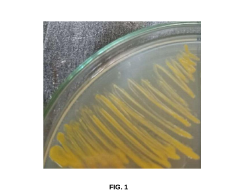
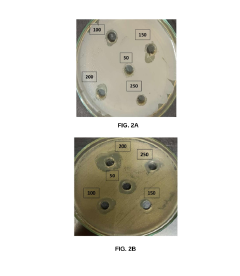
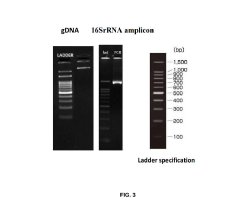
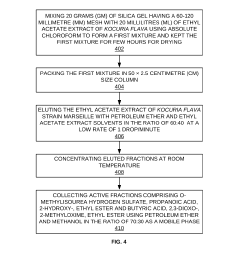
- An anti-microbial composition comprising O-Methylisourea hydrogen sulfate and Propanoic acid, 2-hydroxy-, ethyl ester, extracted from the ethyl acetate extract of Kocuria flava strain Marseille, which is isolated from marine sediments and purified using silica gel chromatography, demonstrating potent antibacterial activity against these pathogens.
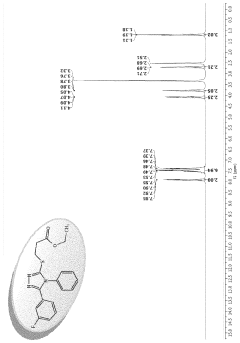
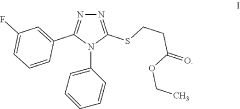
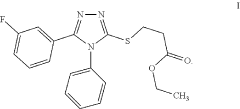
Ethyl 3-(5-(3-fluorophenyl)-4-phenyl-4H-1,2,4- triazol-3-ylthio)propanoate as an antimicrobial compound
PatentActiveUS11912671B1
Innovation
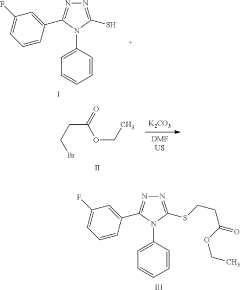
- Novel compound ethyl 3-(5-(3-fluorophenyl)-4-phenyl-4H-1,2,4-triazol-3-ylthio)propanoate (III) with strong antimicrobial properties against various microbes.
- Specific chemical reaction method for synthesizing the compound.
- Potential application in treating microbial infections in patients.
Regulatory Framework for Antimicrobial Esters
The regulatory framework for antimicrobial esters, including ethyl propanoate, is a complex and evolving landscape that encompasses various national and international guidelines. These regulations are designed to ensure the safe and effective use of antimicrobial compounds in different applications, from food preservation to medical treatments.
In the United States, the Food and Drug Administration (FDA) plays a crucial role in regulating antimicrobial esters. The FDA's Center for Food Safety and Applied Nutrition (CFSAN) oversees the use of these compounds in food products, while the Center for Drug Evaluation and Research (CDER) regulates their use in pharmaceutical applications. The Environmental Protection Agency (EPA) also has jurisdiction over antimicrobial esters used as pesticides or disinfectants.
The European Union has established a comprehensive regulatory framework through the European Food Safety Authority (EFSA) and the European Medicines Agency (EMA). These bodies work in tandem to evaluate the safety and efficacy of antimicrobial esters in food and medical applications. The EU's REACH (Registration, Evaluation, Authorization, and Restriction of Chemicals) regulation also applies to the manufacture and import of these compounds.
Internationally, the Codex Alimentarius Commission, established by the Food and Agriculture Organization (FAO) and the World Health Organization (WHO), provides global standards for food additives, including antimicrobial esters. These standards serve as a reference for many countries in developing their national regulations.
Specific to ethyl propanoate and similar esters, regulatory bodies often require extensive toxicological studies, efficacy data, and environmental impact assessments before granting approval for use. The Generally Recognized as Safe (GRAS) status, administered by the FDA, is a crucial designation for many antimicrobial esters used in food applications.
Regulatory requirements typically include specifications for purity, stability, and acceptable daily intake levels. Manufacturers must also adhere to good manufacturing practices (GMP) and provide detailed labeling information. In some cases, post-market surveillance may be mandated to monitor long-term safety and effectiveness.
As antimicrobial resistance becomes an increasing global concern, regulatory bodies are implementing stricter controls on the use of antimicrobial compounds. This includes promoting responsible use, limiting applications to essential needs, and encouraging the development of alternative preservation methods.
The regulatory landscape for antimicrobial esters is continually evolving, with ongoing research informing policy decisions. Harmonization efforts between different regulatory bodies aim to streamline approval processes and ensure consistent safety standards across borders, facilitating international trade while maintaining rigorous safety protocols.
In the United States, the Food and Drug Administration (FDA) plays a crucial role in regulating antimicrobial esters. The FDA's Center for Food Safety and Applied Nutrition (CFSAN) oversees the use of these compounds in food products, while the Center for Drug Evaluation and Research (CDER) regulates their use in pharmaceutical applications. The Environmental Protection Agency (EPA) also has jurisdiction over antimicrobial esters used as pesticides or disinfectants.
The European Union has established a comprehensive regulatory framework through the European Food Safety Authority (EFSA) and the European Medicines Agency (EMA). These bodies work in tandem to evaluate the safety and efficacy of antimicrobial esters in food and medical applications. The EU's REACH (Registration, Evaluation, Authorization, and Restriction of Chemicals) regulation also applies to the manufacture and import of these compounds.
Internationally, the Codex Alimentarius Commission, established by the Food and Agriculture Organization (FAO) and the World Health Organization (WHO), provides global standards for food additives, including antimicrobial esters. These standards serve as a reference for many countries in developing their national regulations.
Specific to ethyl propanoate and similar esters, regulatory bodies often require extensive toxicological studies, efficacy data, and environmental impact assessments before granting approval for use. The Generally Recognized as Safe (GRAS) status, administered by the FDA, is a crucial designation for many antimicrobial esters used in food applications.
Regulatory requirements typically include specifications for purity, stability, and acceptable daily intake levels. Manufacturers must also adhere to good manufacturing practices (GMP) and provide detailed labeling information. In some cases, post-market surveillance may be mandated to monitor long-term safety and effectiveness.
As antimicrobial resistance becomes an increasing global concern, regulatory bodies are implementing stricter controls on the use of antimicrobial compounds. This includes promoting responsible use, limiting applications to essential needs, and encouraging the development of alternative preservation methods.
The regulatory landscape for antimicrobial esters is continually evolving, with ongoing research informing policy decisions. Harmonization efforts between different regulatory bodies aim to streamline approval processes and ensure consistent safety standards across borders, facilitating international trade while maintaining rigorous safety protocols.
Environmental Impact of Antimicrobial Esters
The environmental impact of antimicrobial esters, particularly ethyl propanoate and related compounds, is a critical consideration in their application and widespread use. These esters, while effective in controlling microbial growth, can have both positive and negative effects on the environment.
One of the primary environmental benefits of using antimicrobial esters is the potential reduction in the use of traditional, more harmful antimicrobial agents. Many conventional antimicrobials, such as chlorine-based compounds or heavy metals, can persist in the environment and cause long-term ecological damage. In contrast, esters like ethyl propanoate are generally biodegradable and break down into simpler, less harmful compounds over time.
However, the increased use of antimicrobial esters also raises concerns about their potential accumulation in aquatic ecosystems. When these compounds are released into water bodies, they may affect non-target organisms, potentially disrupting aquatic food chains and biodiversity. Studies have shown that some esters can be toxic to certain aquatic species, particularly at higher concentrations.
The production process of antimicrobial esters also has environmental implications. The synthesis of these compounds often involves chemical reactions that may generate waste products or require energy-intensive processes. Manufacturers are increasingly focusing on developing greener production methods to minimize the environmental footprint of ester synthesis.
Another consideration is the potential for antimicrobial esters to contribute to the development of resistant microbial strains. While less likely than with traditional antibiotics, the widespread use of these compounds could lead to adaptive responses in microbial populations, potentially creating new environmental and health challenges.
The volatility of some esters, including ethyl propanoate, raises concerns about their contribution to air pollution. When released into the atmosphere, these compounds can participate in photochemical reactions, potentially contributing to the formation of ground-level ozone and other air quality issues.
On the positive side, the use of antimicrobial esters in food preservation and packaging can lead to reduced food waste, indirectly benefiting the environment by decreasing the amount of organic matter sent to landfills. This application also has the potential to reduce the need for energy-intensive cold storage in some cases.
As research continues, there is a growing focus on developing more environmentally friendly antimicrobial esters. This includes exploring naturally occurring esters with antimicrobial properties and designing synthetic esters that maintain efficacy while minimizing environmental impact. The goal is to strike a balance between effective microbial control and environmental stewardship.
One of the primary environmental benefits of using antimicrobial esters is the potential reduction in the use of traditional, more harmful antimicrobial agents. Many conventional antimicrobials, such as chlorine-based compounds or heavy metals, can persist in the environment and cause long-term ecological damage. In contrast, esters like ethyl propanoate are generally biodegradable and break down into simpler, less harmful compounds over time.
However, the increased use of antimicrobial esters also raises concerns about their potential accumulation in aquatic ecosystems. When these compounds are released into water bodies, they may affect non-target organisms, potentially disrupting aquatic food chains and biodiversity. Studies have shown that some esters can be toxic to certain aquatic species, particularly at higher concentrations.
The production process of antimicrobial esters also has environmental implications. The synthesis of these compounds often involves chemical reactions that may generate waste products or require energy-intensive processes. Manufacturers are increasingly focusing on developing greener production methods to minimize the environmental footprint of ester synthesis.
Another consideration is the potential for antimicrobial esters to contribute to the development of resistant microbial strains. While less likely than with traditional antibiotics, the widespread use of these compounds could lead to adaptive responses in microbial populations, potentially creating new environmental and health challenges.
The volatility of some esters, including ethyl propanoate, raises concerns about their contribution to air pollution. When released into the atmosphere, these compounds can participate in photochemical reactions, potentially contributing to the formation of ground-level ozone and other air quality issues.
On the positive side, the use of antimicrobial esters in food preservation and packaging can lead to reduced food waste, indirectly benefiting the environment by decreasing the amount of organic matter sent to landfills. This application also has the potential to reduce the need for energy-intensive cold storage in some cases.
As research continues, there is a growing focus on developing more environmentally friendly antimicrobial esters. This includes exploring naturally occurring esters with antimicrobial properties and designing synthetic esters that maintain efficacy while minimizing environmental impact. The goal is to strike a balance between effective microbial control and environmental stewardship.
Unlock deeper insights with Patsnap Eureka Quick Research — get a full tech report to explore trends and direct your research. Try now!
Generate Your Research Report Instantly with AI Agent
Supercharge your innovation with Patsnap Eureka AI Agent Platform!