Comparative Thermal Analysis of Biomass-Derived and Fossil-Based Solvents
OCT 23, 202510 MIN READ
Generate Your Research Report Instantly with AI Agent
Patsnap Eureka helps you evaluate technical feasibility & market potential.
Thermal Analysis Background and Objectives
Thermal analysis has evolved significantly over the past century, becoming an essential tool for characterizing materials across various industries. The comparative thermal analysis of biomass-derived and fossil-based solvents represents a critical area of research at the intersection of sustainable chemistry and traditional petrochemical processes. This technical investigation aims to comprehensively evaluate the thermal properties, stability characteristics, and performance parameters of these two solvent categories under various conditions.
The historical development of thermal analysis techniques dates back to the early 20th century, with significant advancements occurring post-1950s through the introduction of differential scanning calorimetry (DSC), thermogravimetric analysis (TGA), and dynamic mechanical analysis (DMA). These methodologies have enabled researchers to quantitatively assess critical thermal parameters including heat capacity, thermal conductivity, phase transition temperatures, and decomposition profiles of various solvents.
Recent global sustainability initiatives have accelerated interest in biomass-derived solvents as potential replacements for conventional fossil-based alternatives. The thermal behavior of these bio-solvents presents unique characteristics stemming from their diverse molecular structures and natural origins. Understanding these properties is fundamental to evaluating their suitability for industrial applications ranging from pharmaceutical processing to advanced materials manufacturing.
The primary technical objectives of this investigation include establishing standardized protocols for thermal characterization of both solvent categories, developing comprehensive thermal property databases, and identifying key performance differentiators. Additionally, we aim to correlate molecular structure with thermal behavior to enable predictive modeling of novel bio-based solvents with tailored thermal properties.
Current technological trends indicate growing sophistication in high-throughput thermal analysis techniques, coupled with advanced computational modeling approaches. Machine learning algorithms are increasingly being deployed to predict thermal properties based on molecular descriptors, potentially accelerating the discovery of next-generation sustainable solvents with optimized thermal profiles.
This technical assessment will particularly focus on evaluating thermal stability under processing conditions, heat transfer efficiency in industrial applications, and energy requirements for solvent recovery processes. The comparative analysis will provide quantitative metrics regarding the thermal advantages and limitations of biomass-derived solvents relative to their fossil-based counterparts across diverse application environments.
The ultimate goal is to establish a technical foundation that supports evidence-based decision-making regarding solvent selection in industrial processes, with particular emphasis on identifying opportunities where bio-based alternatives offer thermal performance advantages while meeting sustainability objectives.
The historical development of thermal analysis techniques dates back to the early 20th century, with significant advancements occurring post-1950s through the introduction of differential scanning calorimetry (DSC), thermogravimetric analysis (TGA), and dynamic mechanical analysis (DMA). These methodologies have enabled researchers to quantitatively assess critical thermal parameters including heat capacity, thermal conductivity, phase transition temperatures, and decomposition profiles of various solvents.
Recent global sustainability initiatives have accelerated interest in biomass-derived solvents as potential replacements for conventional fossil-based alternatives. The thermal behavior of these bio-solvents presents unique characteristics stemming from their diverse molecular structures and natural origins. Understanding these properties is fundamental to evaluating their suitability for industrial applications ranging from pharmaceutical processing to advanced materials manufacturing.
The primary technical objectives of this investigation include establishing standardized protocols for thermal characterization of both solvent categories, developing comprehensive thermal property databases, and identifying key performance differentiators. Additionally, we aim to correlate molecular structure with thermal behavior to enable predictive modeling of novel bio-based solvents with tailored thermal properties.
Current technological trends indicate growing sophistication in high-throughput thermal analysis techniques, coupled with advanced computational modeling approaches. Machine learning algorithms are increasingly being deployed to predict thermal properties based on molecular descriptors, potentially accelerating the discovery of next-generation sustainable solvents with optimized thermal profiles.
This technical assessment will particularly focus on evaluating thermal stability under processing conditions, heat transfer efficiency in industrial applications, and energy requirements for solvent recovery processes. The comparative analysis will provide quantitative metrics regarding the thermal advantages and limitations of biomass-derived solvents relative to their fossil-based counterparts across diverse application environments.
The ultimate goal is to establish a technical foundation that supports evidence-based decision-making regarding solvent selection in industrial processes, with particular emphasis on identifying opportunities where bio-based alternatives offer thermal performance advantages while meeting sustainability objectives.
Market Demand for Sustainable Solvents
The global market for sustainable solvents has experienced significant growth in recent years, driven by increasing environmental concerns and regulatory pressures. The demand for biomass-derived solvents specifically has seen a compound annual growth rate exceeding 8% since 2018, outpacing traditional fossil-based alternatives. This growth trajectory is expected to continue as industries seek greener chemical solutions.
Consumer goods manufacturers represent a primary market segment, with particular emphasis on personal care products, cosmetics, and household cleaners. These industries are responding to consumer demand for "clean" and "natural" products, creating pull-through demand for bio-based solvents. Market research indicates that products labeled as containing plant-derived ingredients command premium pricing, with consumers willing to pay 15-30% more for such products.
The industrial cleaning sector constitutes another substantial market, valued at approximately $9.3 billion globally in 2022. This sector is increasingly adopting biomass-derived solvents due to their lower toxicity profiles and reduced environmental impact. Workplace safety regulations in North America and Europe have accelerated this transition, as companies seek to minimize employee exposure to harmful chemicals.
Pharmaceutical manufacturing represents a high-value market segment with stringent requirements. The industry's focus on green chemistry principles has created demand for solvents with improved sustainability profiles while maintaining performance characteristics. This sector values thermal stability particularly highly, making comparative thermal analysis between biomass-derived and fossil-based solvents especially relevant.
Geographically, Europe leads in sustainable solvent adoption, accounting for nearly 40% of global market share. This is largely attributable to the region's stringent regulatory framework, including REACH (Registration, Evaluation, Authorization and Restriction of Chemicals) and various circular economy initiatives. North America follows with approximately 30% market share, while Asia-Pacific represents the fastest-growing regional market.
Supply chain considerations are increasingly influencing market dynamics. Recent global disruptions have highlighted vulnerabilities in fossil-based chemical supply chains, prompting manufacturers to explore locally-sourced biomass alternatives. This trend is particularly evident in agricultural regions where biomass feedstocks are abundant and accessible.
Price sensitivity remains a significant market factor. Despite growing demand, biomass-derived solvents typically command a 20-40% price premium compared to their fossil-based counterparts. This premium has limited penetration in cost-sensitive applications and developing markets. However, as production scales increase and technologies mature, this gap is gradually narrowing, expanding market opportunities.
Consumer goods manufacturers represent a primary market segment, with particular emphasis on personal care products, cosmetics, and household cleaners. These industries are responding to consumer demand for "clean" and "natural" products, creating pull-through demand for bio-based solvents. Market research indicates that products labeled as containing plant-derived ingredients command premium pricing, with consumers willing to pay 15-30% more for such products.
The industrial cleaning sector constitutes another substantial market, valued at approximately $9.3 billion globally in 2022. This sector is increasingly adopting biomass-derived solvents due to their lower toxicity profiles and reduced environmental impact. Workplace safety regulations in North America and Europe have accelerated this transition, as companies seek to minimize employee exposure to harmful chemicals.
Pharmaceutical manufacturing represents a high-value market segment with stringent requirements. The industry's focus on green chemistry principles has created demand for solvents with improved sustainability profiles while maintaining performance characteristics. This sector values thermal stability particularly highly, making comparative thermal analysis between biomass-derived and fossil-based solvents especially relevant.
Geographically, Europe leads in sustainable solvent adoption, accounting for nearly 40% of global market share. This is largely attributable to the region's stringent regulatory framework, including REACH (Registration, Evaluation, Authorization and Restriction of Chemicals) and various circular economy initiatives. North America follows with approximately 30% market share, while Asia-Pacific represents the fastest-growing regional market.
Supply chain considerations are increasingly influencing market dynamics. Recent global disruptions have highlighted vulnerabilities in fossil-based chemical supply chains, prompting manufacturers to explore locally-sourced biomass alternatives. This trend is particularly evident in agricultural regions where biomass feedstocks are abundant and accessible.
Price sensitivity remains a significant market factor. Despite growing demand, biomass-derived solvents typically command a 20-40% price premium compared to their fossil-based counterparts. This premium has limited penetration in cost-sensitive applications and developing markets. However, as production scales increase and technologies mature, this gap is gradually narrowing, expanding market opportunities.
Current State and Challenges in Solvent Thermal Analysis
The thermal analysis of solvents represents a critical area of research with significant implications for industrial applications, environmental sustainability, and energy efficiency. Currently, the field of comparative thermal analysis between biomass-derived and fossil-based solvents is experiencing rapid development but faces several substantial challenges that require innovative solutions.
Globally, research institutions and industrial laboratories have made considerable progress in characterizing the thermal properties of conventional fossil-based solvents, with comprehensive databases documenting their heat capacity, thermal conductivity, and phase transition behaviors. However, the thermal characterization of biomass-derived solvents remains relatively underdeveloped, with significant data gaps particularly regarding their behavior under various process conditions.
One of the primary technical challenges in this field is the inherent chemical complexity of biomass-derived solvents. Unlike their fossil-based counterparts, which typically consist of well-defined molecular structures, bio-solvents often contain multiple functional groups and varying degrees of impurities that significantly affect their thermal properties. This complexity makes standardized thermal analysis methodologies less reliable when applied to bio-solvents.
Measurement precision presents another significant obstacle. Current thermal analysis instrumentation, largely optimized for fossil-based chemicals, often exhibits reduced accuracy when analyzing biomass-derived alternatives. The presence of trace compounds in bio-solvents can interfere with measurement techniques such as differential scanning calorimetry (DSC) and thermogravimetric analysis (TGA), necessitating advanced calibration protocols.
Geographical distribution of research capabilities in this domain shows notable disparities. North America and Western Europe lead in fundamental research and instrumentation development, while emerging economies in Asia, particularly China and India, are rapidly expanding their capabilities in bio-solvent production and characterization. This creates an uneven landscape of technical knowledge and infrastructure.
The stability of biomass-derived solvents under thermal stress represents another critical challenge. Many bio-solvents demonstrate accelerated degradation at elevated temperatures compared to their fossil-based counterparts, limiting their application in high-temperature industrial processes. This degradation often produces secondary compounds that can further complicate thermal analysis.
Standardization remains a significant hurdle in the field. The lack of universally accepted protocols for thermal analysis of bio-solvents hampers cross-laboratory comparisons and slows industrial adoption. Current efforts by organizations such as ASTM International and ISO to develop standardized methodologies are ongoing but have yet to achieve comprehensive coverage of the diverse range of biomass-derived solvents entering the market.
Globally, research institutions and industrial laboratories have made considerable progress in characterizing the thermal properties of conventional fossil-based solvents, with comprehensive databases documenting their heat capacity, thermal conductivity, and phase transition behaviors. However, the thermal characterization of biomass-derived solvents remains relatively underdeveloped, with significant data gaps particularly regarding their behavior under various process conditions.
One of the primary technical challenges in this field is the inherent chemical complexity of biomass-derived solvents. Unlike their fossil-based counterparts, which typically consist of well-defined molecular structures, bio-solvents often contain multiple functional groups and varying degrees of impurities that significantly affect their thermal properties. This complexity makes standardized thermal analysis methodologies less reliable when applied to bio-solvents.
Measurement precision presents another significant obstacle. Current thermal analysis instrumentation, largely optimized for fossil-based chemicals, often exhibits reduced accuracy when analyzing biomass-derived alternatives. The presence of trace compounds in bio-solvents can interfere with measurement techniques such as differential scanning calorimetry (DSC) and thermogravimetric analysis (TGA), necessitating advanced calibration protocols.
Geographical distribution of research capabilities in this domain shows notable disparities. North America and Western Europe lead in fundamental research and instrumentation development, while emerging economies in Asia, particularly China and India, are rapidly expanding their capabilities in bio-solvent production and characterization. This creates an uneven landscape of technical knowledge and infrastructure.
The stability of biomass-derived solvents under thermal stress represents another critical challenge. Many bio-solvents demonstrate accelerated degradation at elevated temperatures compared to their fossil-based counterparts, limiting their application in high-temperature industrial processes. This degradation often produces secondary compounds that can further complicate thermal analysis.
Standardization remains a significant hurdle in the field. The lack of universally accepted protocols for thermal analysis of bio-solvents hampers cross-laboratory comparisons and slows industrial adoption. Current efforts by organizations such as ASTM International and ISO to develop standardized methodologies are ongoing but have yet to achieve comprehensive coverage of the diverse range of biomass-derived solvents entering the market.
Current Methodologies for Comparative Thermal Analysis
01 Thermal properties of biomass-derived solvents
Biomass-derived solvents exhibit unique thermal properties that make them suitable for various applications. These solvents, obtained from renewable resources, often demonstrate favorable heat transfer characteristics, thermal stability, and specific heat capacities. Their thermal properties can be tailored through processing methods to achieve desired performance metrics. The renewable nature of these solvents makes them environmentally preferable alternatives to traditional fossil-based options while maintaining comparable thermal functionality.- Thermal properties of biomass-derived solvents: Biomass-derived solvents exhibit unique thermal properties that make them suitable for various applications. These solvents, obtained from renewable resources, often demonstrate favorable heat transfer characteristics, thermal stability, and specific heat capacities. Their thermal properties can be optimized through various processing methods to enhance their performance in heat exchange systems, thermal storage applications, and as alternatives to conventional fossil-based solvents.
- Comparative thermal analysis of fossil-based and bio-based solvents: Comparative studies between fossil-based and biomass-derived solvents reveal significant differences in their thermal behaviors. Fossil-based solvents typically exhibit different boiling points, flash points, and thermal conductivity compared to their bio-based counterparts. These differences affect their performance in various applications, including industrial processes, energy systems, and chemical reactions. Understanding these comparative thermal properties is essential for selecting appropriate solvents for specific applications and for developing hybrid solvent systems.
- Thermal applications of biomass and fossil-based solvent systems: Both biomass-derived and fossil-based solvents find applications in various thermal systems. These include heat transfer fluids in industrial processes, components in thermal energy storage systems, and media for thermochemical reactions. The selection of appropriate solvents depends on specific thermal requirements such as operating temperature range, heat capacity, and thermal stability. Innovative applications leverage the unique thermal properties of these solvents to enhance energy efficiency and process performance.
- Enhancement of thermal properties through solvent formulations: The thermal properties of both biomass-derived and fossil-based solvents can be enhanced through specific formulations and additives. These formulations may involve blending different solvents, incorporating stabilizers, or adding thermal conductivity enhancers. Such modifications can improve heat transfer efficiency, extend the operating temperature range, and enhance thermal stability. Advanced formulation techniques enable the development of customized solvent systems with optimized thermal properties for specific applications.
- Environmental and sustainability aspects of solvent thermal properties: The environmental impact and sustainability of solvents are increasingly important considerations alongside their thermal properties. Biomass-derived solvents generally offer reduced carbon footprints compared to fossil-based alternatives, though their production methods and lifecycle impacts vary. The thermal efficiency of these solvents also affects their overall environmental performance in applications. Balancing optimal thermal properties with environmental considerations is crucial for developing sustainable solvent solutions for various thermal applications.
02 Comparative thermal analysis of fossil-based and bio-based solvents
Studies comparing the thermal properties of fossil-based and biomass-derived solvents reveal important differences in their behavior under various temperature conditions. Fossil-based solvents typically exhibit different boiling points, flash points, and thermal conductivity compared to their bio-based counterparts. These comparative analyses help in determining suitable applications for each type of solvent based on their thermal stability, heat capacity, and temperature-dependent viscosity characteristics. Understanding these differences is crucial for appropriate solvent selection in industrial processes.Expand Specific Solutions03 Thermal processing methods for biomass-derived solvents
Various thermal processing methods are employed to extract and refine biomass-derived solvents. These processes include pyrolysis, hydrothermal liquefaction, and thermal fractionation techniques that convert biomass into usable solvents. The thermal conditions during processing significantly influence the final properties of the solvents, including their purity, stability, and performance characteristics. Optimization of these thermal processes is essential for producing high-quality biomass-derived solvents with properties comparable to or better than fossil-based alternatives.Expand Specific Solutions04 Applications utilizing thermal properties of solvents
The thermal properties of both biomass-derived and fossil-based solvents determine their suitability for various applications. These applications include heat transfer fluids, reaction media for temperature-sensitive processes, and components in thermal energy storage systems. The specific heat capacity, thermal conductivity, and temperature stability of these solvents play crucial roles in their performance in these applications. Industries are increasingly adopting biomass-derived solvents in thermal applications due to their comparable performance and reduced environmental impact.Expand Specific Solutions05 Enhancing thermal properties through solvent formulations
Research focuses on enhancing the thermal properties of solvents through specialized formulations and additives. By combining different biomass-derived components or creating hybrid formulations with fossil-based materials, improved thermal characteristics can be achieved. These formulations may exhibit enhanced thermal stability, modified heat transfer capabilities, or optimized phase change behavior. Advanced characterization techniques are employed to measure and validate these improved thermal properties, ensuring their suitability for demanding industrial applications.Expand Specific Solutions
Key Industry Players in Sustainable Solvent Development
The thermal analysis of biomass-derived versus fossil-based solvents represents an emerging field at the intersection of renewable chemistry and sustainable industrial processes. The market is in its growth phase, with an estimated global green solvent market size of $2-3 billion and projected CAGR of 6-8%. Major oil companies like Shell Oil Co. and ExxonMobil Technology & Engineering Co. are leveraging their extensive R&D capabilities to maintain market dominance, while specialized players such as REG Synthetic Fuels LLC and Glucan Biorenewables LLC are driving innovation in bio-based alternatives. Research institutions including Dalian Institute of Chemical Physics and Korea Research Institute of Chemical Technology are advancing fundamental understanding, while companies like SixRing, Inc. and Ingelia SL are commercializing novel biomass conversion technologies, creating a competitive landscape balanced between established fossil-fuel interests and emerging sustainable chemistry ventures.
Shell Internationale Research Maatschappij BV
Technical Solution: Shell's technical approach to comparative thermal analysis of biomass-derived and fossil-based solvents centers on their proprietary Shell Thermal Analysis Protocol (STAP). This methodology employs differential scanning calorimetry (DSC) and thermogravimetric analysis (TGA) to systematically compare thermal properties including heat capacity, thermal stability, and decomposition kinetics across solvent classes. Shell has developed specialized high-pressure thermal analysis equipment capable of simulating industrial process conditions up to 350°C and 200 bar, allowing for real-world performance prediction. Their research has demonstrated that certain biomass-derived solvents, particularly those derived from lignocellulosic materials, exhibit comparable thermal stability to traditional petroleum-based solvents while offering reduced environmental impact. Shell's analysis framework incorporates life cycle assessment (LCA) metrics directly into thermal property evaluations, creating a comprehensive sustainability-performance matrix for solvent selection in petrochemical applications.
Strengths: Extensive infrastructure for high-pressure, high-temperature testing that simulates real industrial conditions; integrated sustainability metrics with thermal performance data; global research network providing diverse biomass feedstock expertise. Weaknesses: Higher cost structure for biomass-derived solvent development compared to fossil-based alternatives; intellectual property restrictions limiting collaboration potential; longer commercialization timeline for novel bio-solvents.
DuPont de Nemours, Inc.
Technical Solution: DuPont's technical solution for comparative thermal analysis of biomass-derived and fossil-based solvents centers on their Bio-Advantaged Materials (BAM) platform. This approach utilizes advanced calorimetry and thermal analysis techniques including modulated DSC and high-resolution TGA coupled with mass spectrometry to characterize thermal transitions and decomposition pathways. DuPont has developed specialized methodologies for evaluating solvent performance under application-specific conditions, particularly focusing on bio-solvents derived from agricultural waste streams. Their research has demonstrated that certain biomass-derived solvents, particularly those based on furan chemistry, exhibit superior thermal stability and solvent properties compared to traditional petroleum-based alternatives. DuPont's technical approach incorporates molecular modeling to predict structure-property relationships, allowing for targeted design of bio-solvents with specific thermal characteristics. Their comparative analysis framework evaluates not only thermal properties but also functional performance metrics such as solvation power, selectivity, and materials compatibility across temperature ranges relevant to industrial applications.
Strengths: Extensive expertise in bio-based materials development and characterization; integrated approach connecting molecular design to application performance; strong intellectual property portfolio in bio-solvent chemistry. Weaknesses: Higher production costs for specialized bio-solvents compared to commodity fossil-based alternatives; limited production scale for novel biomass-derived solvents; regulatory hurdles for certain application areas.
Critical Thermal Properties and Measurement Innovations
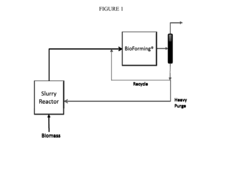
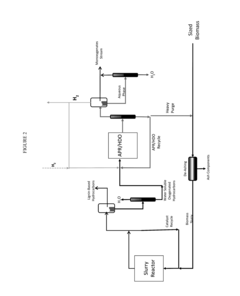
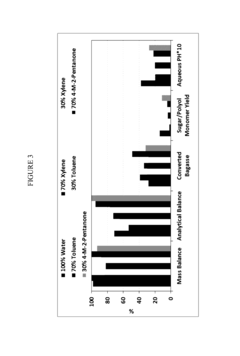
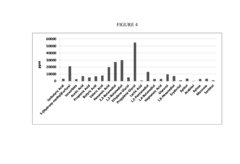
Solvolysis of biomass using solvent from a bioreforming process
PatentActiveUS20170058370A1
Innovation
- A method involving catalytically reacting water and a water-soluble oxygenated hydrocarbon with hydrogen in the presence of a deoxygenation catalyst to produce a biomass processing solvent, which is then used to deconstruct biomass at specific temperatures and pressures to produce a biomass hydrolysate containing soluble derivatives and carbohydrates.
Pretreatment of Lignocellulosic Biomass and Recovery of Substituents using Natural Deep Eutectic Solvents/Compound Mixtures with Low Transition Temperatures
PatentInactiveUS20150094459A1
Innovation
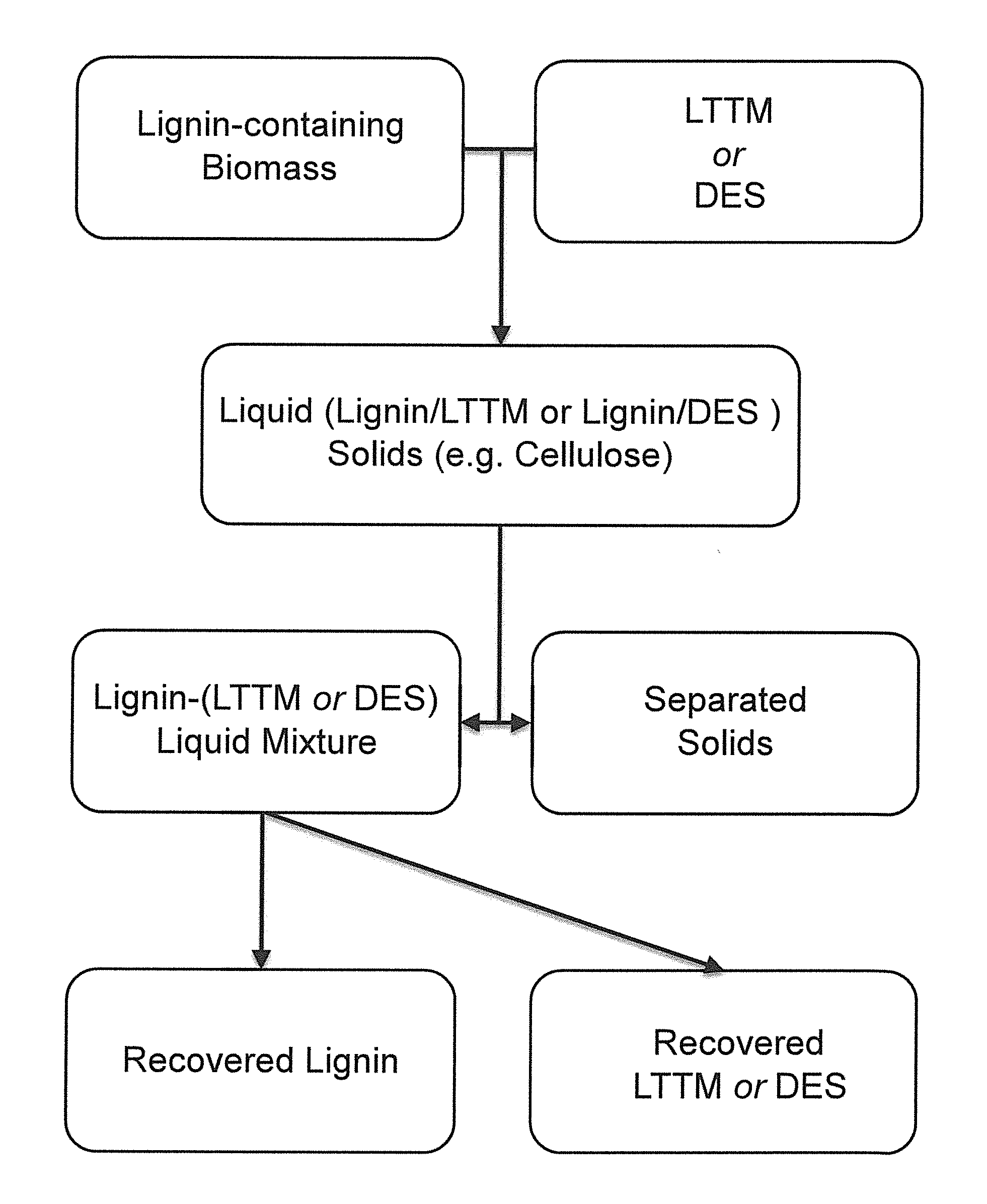
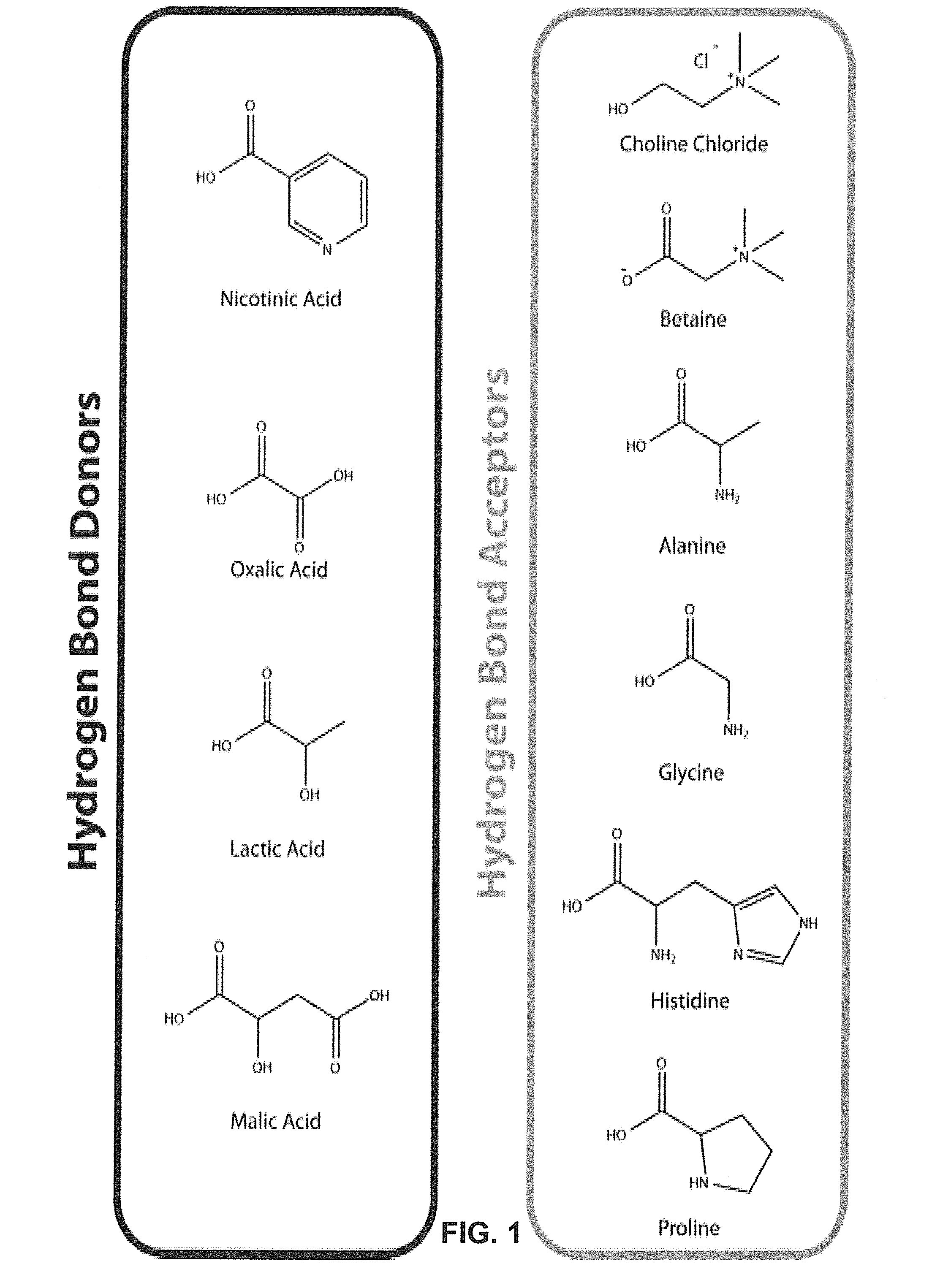
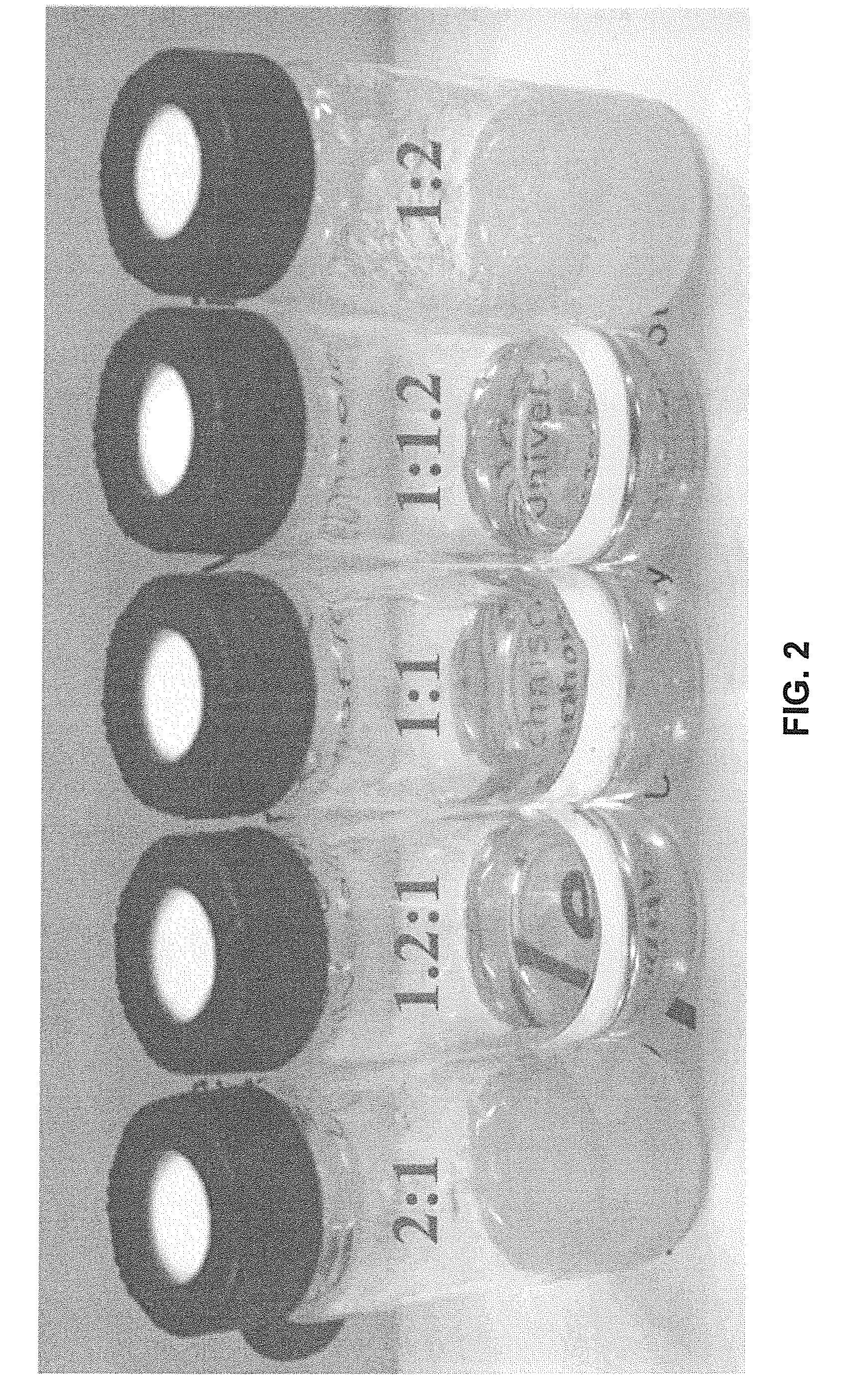
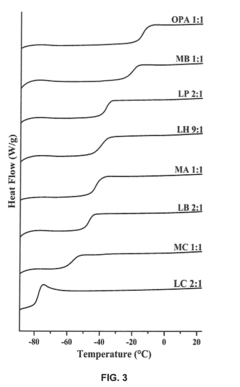
- Development of low transition temperature mixtures (LTTMs) composed of renewable components, which selectively dissolve lignin from lignin-containing biomass at mild conditions, allowing for energy-efficient separation of lignin from cellulose without degradation, and enable recovery of high-quality lignin and cellulose.
Environmental Impact Assessment of Solvent Alternatives
The environmental impact assessment of solvent alternatives reveals significant differences between biomass-derived and fossil-based solvents across multiple ecological dimensions. Biomass-derived solvents generally demonstrate lower carbon footprints during their lifecycle, with greenhouse gas emissions reductions ranging from 30-70% compared to their petroleum-based counterparts. This advantage stems primarily from the renewable nature of their feedstock and the carbon sequestration that occurs during biomass growth.
Water consumption patterns differ markedly between these solvent categories. While biomass-derived solvents often require substantial water inputs during feedstock cultivation, fossil-based solvents typically demand greater water volumes during the extraction and refining processes. Recent life cycle assessments indicate that certain bio-solvents derived from agricultural waste streams can achieve water footprint reductions of up to 40% compared to conventional alternatives.
Biodegradability represents another critical environmental parameter where biomass-derived solvents generally outperform fossil-based options. Laboratory studies demonstrate that many bio-solvents degrade 3-5 times faster in natural environments, reducing their persistence and bioaccumulation potential. This characteristic is particularly valuable in applications where solvent release to the environment is possible, such as in cleaning products or agricultural formulations.
Toxicity profiles vary significantly within both solvent categories, though biomass-derived alternatives frequently exhibit lower aquatic and mammalian toxicity. For instance, bio-derived esters typically show LC50 values 2-3 orders of magnitude higher than their petrochemical equivalents, indicating substantially reduced ecological risk. However, this advantage is not universal, as certain bio-solvents contain reactive functional groups that may present unique toxicological concerns.
Land use considerations present complex tradeoffs. While fossil-based solvents require minimal agricultural land, their extraction and processing create localized but intense environmental disruption. Conversely, biomass-derived solvents may require extensive cultivation areas, potentially competing with food production or driving land-use changes with associated biodiversity impacts.
Ozone depletion potential and photochemical smog formation capacity generally favor biomass-derived solvents, which typically contain fewer halogenated compounds and demonstrate lower reactivity in atmospheric chemistry processes. Recent atmospheric modeling studies suggest that widespread adoption of bio-solvents could reduce tropospheric ozone formation by 15-25% in industrial regions.
Comprehensive environmental impact assessments must consider these multiple dimensions simultaneously, as improvements in one environmental indicator may come at the expense of others. The optimal solvent choice ultimately depends on specific application requirements, regional environmental priorities, and available technological infrastructure for production and waste management.
Water consumption patterns differ markedly between these solvent categories. While biomass-derived solvents often require substantial water inputs during feedstock cultivation, fossil-based solvents typically demand greater water volumes during the extraction and refining processes. Recent life cycle assessments indicate that certain bio-solvents derived from agricultural waste streams can achieve water footprint reductions of up to 40% compared to conventional alternatives.
Biodegradability represents another critical environmental parameter where biomass-derived solvents generally outperform fossil-based options. Laboratory studies demonstrate that many bio-solvents degrade 3-5 times faster in natural environments, reducing their persistence and bioaccumulation potential. This characteristic is particularly valuable in applications where solvent release to the environment is possible, such as in cleaning products or agricultural formulations.
Toxicity profiles vary significantly within both solvent categories, though biomass-derived alternatives frequently exhibit lower aquatic and mammalian toxicity. For instance, bio-derived esters typically show LC50 values 2-3 orders of magnitude higher than their petrochemical equivalents, indicating substantially reduced ecological risk. However, this advantage is not universal, as certain bio-solvents contain reactive functional groups that may present unique toxicological concerns.
Land use considerations present complex tradeoffs. While fossil-based solvents require minimal agricultural land, their extraction and processing create localized but intense environmental disruption. Conversely, biomass-derived solvents may require extensive cultivation areas, potentially competing with food production or driving land-use changes with associated biodiversity impacts.
Ozone depletion potential and photochemical smog formation capacity generally favor biomass-derived solvents, which typically contain fewer halogenated compounds and demonstrate lower reactivity in atmospheric chemistry processes. Recent atmospheric modeling studies suggest that widespread adoption of bio-solvents could reduce tropospheric ozone formation by 15-25% in industrial regions.
Comprehensive environmental impact assessments must consider these multiple dimensions simultaneously, as improvements in one environmental indicator may come at the expense of others. The optimal solvent choice ultimately depends on specific application requirements, regional environmental priorities, and available technological infrastructure for production and waste management.
Regulatory Framework for Green Solvent Implementation
The regulatory landscape for green solvents is evolving rapidly as governments worldwide implement stricter environmental policies. The European Union leads with its REACH (Registration, Evaluation, Authorization and Restriction of Chemicals) regulation, which specifically addresses solvent toxicity and environmental impact. Under this framework, biomass-derived solvents often receive preferential regulatory treatment compared to their fossil-based counterparts due to their generally lower environmental footprint as demonstrated through thermal analysis studies.
In the United States, the EPA's Toxic Substances Control Act (TSCA) and the Pollution Prevention Act provide the regulatory foundation for solvent assessment. Recent amendments have strengthened requirements for chemical safety evaluations, creating a more favorable regulatory environment for biomass-derived solvents that typically exhibit lower heat of combustion and reduced greenhouse gas emissions during their lifecycle.
Asian markets, particularly China and Japan, have implemented green chemistry initiatives that include specific provisions for solvent selection in industrial processes. China's recent Five-Year Plans have increasingly emphasized environmental protection, with specific targets for reducing volatile organic compound (VOC) emissions from industrial solvents, creating market advantages for thermally efficient biomass alternatives.
International standards organizations have developed specific metrics for solvent sustainability assessment. ISO 14040 series for Life Cycle Assessment provides methodologies that incorporate thermal efficiency data when evaluating solvent environmental impact. These standards are increasingly referenced in regulatory frameworks, creating a standardized approach to comparing fossil and bio-based solvents across jurisdictions.
Industry-specific regulations present varying implementation timelines for green solvent adoption. The pharmaceutical sector faces stringent solvent residue limitations under ICH (International Council for Harmonisation) guidelines, while the electronics manufacturing industry must comply with RoHS (Restriction of Hazardous Substances) directives that restrict certain fossil-derived solvents with unfavorable thermal profiles.
Carbon pricing mechanisms and emissions trading schemes in various regions have created economic incentives that favor biomass-derived solvents. Thermal analysis data demonstrating lower energy requirements and reduced carbon footprint throughout the solvent lifecycle can translate to tangible cost advantages under these regulatory frameworks.
Looking forward, regulatory trends indicate increasing stringency in emissions controls and chemical safety requirements. The EU's Chemical Strategy for Sustainability and similar initiatives worldwide suggest that comparative thermal analysis data will become increasingly important in regulatory compliance documentation, with biomass-derived solvents likely to receive expedited approval pathways based on their generally favorable thermal and environmental profiles.
In the United States, the EPA's Toxic Substances Control Act (TSCA) and the Pollution Prevention Act provide the regulatory foundation for solvent assessment. Recent amendments have strengthened requirements for chemical safety evaluations, creating a more favorable regulatory environment for biomass-derived solvents that typically exhibit lower heat of combustion and reduced greenhouse gas emissions during their lifecycle.
Asian markets, particularly China and Japan, have implemented green chemistry initiatives that include specific provisions for solvent selection in industrial processes. China's recent Five-Year Plans have increasingly emphasized environmental protection, with specific targets for reducing volatile organic compound (VOC) emissions from industrial solvents, creating market advantages for thermally efficient biomass alternatives.
International standards organizations have developed specific metrics for solvent sustainability assessment. ISO 14040 series for Life Cycle Assessment provides methodologies that incorporate thermal efficiency data when evaluating solvent environmental impact. These standards are increasingly referenced in regulatory frameworks, creating a standardized approach to comparing fossil and bio-based solvents across jurisdictions.
Industry-specific regulations present varying implementation timelines for green solvent adoption. The pharmaceutical sector faces stringent solvent residue limitations under ICH (International Council for Harmonisation) guidelines, while the electronics manufacturing industry must comply with RoHS (Restriction of Hazardous Substances) directives that restrict certain fossil-derived solvents with unfavorable thermal profiles.
Carbon pricing mechanisms and emissions trading schemes in various regions have created economic incentives that favor biomass-derived solvents. Thermal analysis data demonstrating lower energy requirements and reduced carbon footprint throughout the solvent lifecycle can translate to tangible cost advantages under these regulatory frameworks.
Looking forward, regulatory trends indicate increasing stringency in emissions controls and chemical safety requirements. The EU's Chemical Strategy for Sustainability and similar initiatives worldwide suggest that comparative thermal analysis data will become increasingly important in regulatory compliance documentation, with biomass-derived solvents likely to receive expedited approval pathways based on their generally favorable thermal and environmental profiles.
Unlock deeper insights with Patsnap Eureka Quick Research — get a full tech report to explore trends and direct your research. Try now!
Generate Your Research Report Instantly with AI Agent
Supercharge your innovation with Patsnap Eureka AI Agent Platform!