How Ethyl Propanoate Influences Enzymatic Activity in Biocatalysts
JUL 22, 20259 MIN READ
Generate Your Research Report Instantly with AI Agent
Patsnap Eureka helps you evaluate technical feasibility & market potential.
Ethyl Propanoate and Biocatalysis: Background and Objectives
Ethyl propanoate, also known as ethyl propionate, is an organic compound with the molecular formula C5H10O2. It is a colorless liquid with a fruity odor, commonly used as a flavoring agent in the food industry. In recent years, this ester has gained significant attention in the field of biocatalysis due to its potential to influence enzymatic activity in various ways.
The study of ethyl propanoate's impact on biocatalysts is rooted in the broader context of green chemistry and sustainable industrial processes. As global efforts to reduce environmental impact and improve resource efficiency intensify, the use of biocatalysts has emerged as a promising alternative to traditional chemical catalysts. Biocatalysts, typically enzymes or whole cells, offer numerous advantages, including high selectivity, mild reaction conditions, and reduced waste generation.
The interaction between ethyl propanoate and biocatalysts represents a fascinating area of research at the intersection of organic chemistry and biotechnology. This compound's unique properties, such as its relatively low molecular weight and ester functionality, make it an intriguing subject for investigating how small organic molecules can modulate enzymatic activity.
The primary objective of studying ethyl propanoate's influence on enzymatic activity in biocatalysts is to enhance our understanding of enzyme-substrate interactions and potentially develop novel strategies for improving biocatalytic processes. By elucidating the mechanisms through which ethyl propanoate affects enzyme function, researchers aim to optimize reaction conditions, increase product yields, and expand the range of applications for biocatalysts in industrial settings.
Furthermore, this research has implications for the development of new enzyme engineering techniques. Understanding how ethyl propanoate interacts with various enzymes could provide valuable insights into protein structure-function relationships, potentially leading to the design of more efficient and stable biocatalysts through rational protein engineering or directed evolution approaches.
The exploration of ethyl propanoate's role in biocatalysis also aligns with the growing trend of utilizing bio-based chemicals in industrial processes. As a compound that can be derived from renewable resources, ethyl propanoate represents a sustainable alternative to petroleum-based chemicals in certain applications. Thus, investigating its properties and interactions with biocatalysts contributes to the broader goal of transitioning towards a more sustainable and bio-based economy.
In summary, the study of how ethyl propanoate influences enzymatic activity in biocatalysts is a multifaceted endeavor with far-reaching implications for biotechnology, green chemistry, and sustainable industrial practices. By delving into this specific compound-enzyme interaction, researchers hope to unlock new possibilities for enhancing biocatalytic processes, developing more efficient enzymes, and advancing the field of sustainable chemistry as a whole.
The study of ethyl propanoate's impact on biocatalysts is rooted in the broader context of green chemistry and sustainable industrial processes. As global efforts to reduce environmental impact and improve resource efficiency intensify, the use of biocatalysts has emerged as a promising alternative to traditional chemical catalysts. Biocatalysts, typically enzymes or whole cells, offer numerous advantages, including high selectivity, mild reaction conditions, and reduced waste generation.
The interaction between ethyl propanoate and biocatalysts represents a fascinating area of research at the intersection of organic chemistry and biotechnology. This compound's unique properties, such as its relatively low molecular weight and ester functionality, make it an intriguing subject for investigating how small organic molecules can modulate enzymatic activity.
The primary objective of studying ethyl propanoate's influence on enzymatic activity in biocatalysts is to enhance our understanding of enzyme-substrate interactions and potentially develop novel strategies for improving biocatalytic processes. By elucidating the mechanisms through which ethyl propanoate affects enzyme function, researchers aim to optimize reaction conditions, increase product yields, and expand the range of applications for biocatalysts in industrial settings.
Furthermore, this research has implications for the development of new enzyme engineering techniques. Understanding how ethyl propanoate interacts with various enzymes could provide valuable insights into protein structure-function relationships, potentially leading to the design of more efficient and stable biocatalysts through rational protein engineering or directed evolution approaches.
The exploration of ethyl propanoate's role in biocatalysis also aligns with the growing trend of utilizing bio-based chemicals in industrial processes. As a compound that can be derived from renewable resources, ethyl propanoate represents a sustainable alternative to petroleum-based chemicals in certain applications. Thus, investigating its properties and interactions with biocatalysts contributes to the broader goal of transitioning towards a more sustainable and bio-based economy.
In summary, the study of how ethyl propanoate influences enzymatic activity in biocatalysts is a multifaceted endeavor with far-reaching implications for biotechnology, green chemistry, and sustainable industrial practices. By delving into this specific compound-enzyme interaction, researchers hope to unlock new possibilities for enhancing biocatalytic processes, developing more efficient enzymes, and advancing the field of sustainable chemistry as a whole.
Market Analysis for Ethyl Propanoate in Biocatalytic Processes
The market for ethyl propanoate in biocatalytic processes is experiencing significant growth, driven by the increasing demand for sustainable and eco-friendly production methods in various industries. This ester compound plays a crucial role in enhancing enzymatic activity, making it a valuable component in biocatalyst formulations.
The global biocatalysis market, which encompasses the use of ethyl propanoate, is projected to expand at a compound annual growth rate (CAGR) of over 6% in the coming years. This growth is primarily attributed to the rising adoption of biocatalysts in pharmaceutical, food and beverage, and chemical industries. Ethyl propanoate's ability to influence enzymatic activity positively contributes to its increasing market demand.
In the pharmaceutical sector, ethyl propanoate is gaining traction due to its potential to improve the efficiency of drug synthesis processes. The compound's role in enhancing enzymatic activity allows for more precise and controlled reactions, leading to higher yields and purer end products. This application is particularly valuable in the production of complex pharmaceutical intermediates and active pharmaceutical ingredients (APIs).
The food and beverage industry represents another significant market for ethyl propanoate in biocatalytic processes. As consumer preferences shift towards natural and clean-label products, manufacturers are increasingly turning to biocatalysis for flavor and fragrance production. Ethyl propanoate's ability to enhance enzymatic activity in these processes contributes to more efficient and cost-effective production of natural flavors and aromas.
In the chemical industry, the use of ethyl propanoate in biocatalytic processes aligns with the growing trend towards green chemistry. The compound's role in improving enzymatic activity enables more environmentally friendly synthesis routes for various chemicals, reducing the reliance on traditional, energy-intensive methods. This application is particularly relevant in the production of specialty chemicals and polymers.
Geographically, North America and Europe currently dominate the market for ethyl propanoate in biocatalytic processes, owing to their advanced biotechnology sectors and stringent environmental regulations. However, the Asia-Pacific region is expected to witness the fastest growth in the coming years, driven by rapid industrialization and increasing investments in biotechnology research and development.
Key market players are focusing on research and development to further optimize the use of ethyl propanoate in biocatalytic processes. Collaborations between enzyme manufacturers, chemical companies, and end-user industries are becoming more common, aiming to develop tailored solutions that maximize the benefits of ethyl propanoate in specific applications.
The global biocatalysis market, which encompasses the use of ethyl propanoate, is projected to expand at a compound annual growth rate (CAGR) of over 6% in the coming years. This growth is primarily attributed to the rising adoption of biocatalysts in pharmaceutical, food and beverage, and chemical industries. Ethyl propanoate's ability to influence enzymatic activity positively contributes to its increasing market demand.
In the pharmaceutical sector, ethyl propanoate is gaining traction due to its potential to improve the efficiency of drug synthesis processes. The compound's role in enhancing enzymatic activity allows for more precise and controlled reactions, leading to higher yields and purer end products. This application is particularly valuable in the production of complex pharmaceutical intermediates and active pharmaceutical ingredients (APIs).
The food and beverage industry represents another significant market for ethyl propanoate in biocatalytic processes. As consumer preferences shift towards natural and clean-label products, manufacturers are increasingly turning to biocatalysis for flavor and fragrance production. Ethyl propanoate's ability to enhance enzymatic activity in these processes contributes to more efficient and cost-effective production of natural flavors and aromas.
In the chemical industry, the use of ethyl propanoate in biocatalytic processes aligns with the growing trend towards green chemistry. The compound's role in improving enzymatic activity enables more environmentally friendly synthesis routes for various chemicals, reducing the reliance on traditional, energy-intensive methods. This application is particularly relevant in the production of specialty chemicals and polymers.
Geographically, North America and Europe currently dominate the market for ethyl propanoate in biocatalytic processes, owing to their advanced biotechnology sectors and stringent environmental regulations. However, the Asia-Pacific region is expected to witness the fastest growth in the coming years, driven by rapid industrialization and increasing investments in biotechnology research and development.
Key market players are focusing on research and development to further optimize the use of ethyl propanoate in biocatalytic processes. Collaborations between enzyme manufacturers, chemical companies, and end-user industries are becoming more common, aiming to develop tailored solutions that maximize the benefits of ethyl propanoate in specific applications.
Current Challenges in Enzymatic Activity with Ethyl Propanoate
The integration of ethyl propanoate in biocatalytic processes presents several significant challenges that researchers and industry professionals are currently grappling with. One of the primary issues is the potential inhibitory effect of ethyl propanoate on enzyme activity. At high concentrations, this ester can interfere with the active sites of enzymes, leading to reduced catalytic efficiency and, in some cases, complete deactivation of the biocatalyst.
Another challenge lies in the solubility and distribution of ethyl propanoate within reaction media. As an organic compound with limited water solubility, it can form a separate phase in aqueous enzymatic systems, creating mass transfer limitations and reducing the overall reaction rate. This phase separation can also lead to enzyme denaturation at the interface, further compromising the biocatalytic process.
The stability of enzymes in the presence of ethyl propanoate is also a concern. Prolonged exposure to this ester can cause conformational changes in enzyme structures, potentially leading to loss of activity over time. This is particularly problematic in continuous processes or reactions requiring extended periods, where maintaining enzyme stability is crucial for economic viability.
Furthermore, the reversibility of esterification reactions involving ethyl propanoate poses a challenge in achieving high yields. The presence of water, often necessary for enzyme function, can drive the hydrolysis of ethyl propanoate, counteracting the desired esterification reaction. Balancing these competing reactions to favor product formation remains a significant hurdle.
The specificity of enzymes towards ethyl propanoate and related substrates is another area of concern. Many enzymes exhibit lower activity or selectivity with ethyl propanoate compared to their natural substrates, necessitating enzyme engineering or the discovery of novel biocatalysts with improved properties for these reactions.
Lastly, the volatility of ethyl propanoate presents challenges in process control and product recovery. Its low boiling point can lead to losses during reaction and separation steps, impacting process efficiency and yield. Developing effective containment and recovery strategies for this volatile compound is essential for optimizing biocatalytic processes involving ethyl propanoate.
Addressing these challenges requires a multidisciplinary approach, combining enzyme engineering, reaction engineering, and process optimization. Researchers are exploring various strategies, including enzyme immobilization, reaction medium engineering, and the development of novel reactor designs to overcome these limitations and harness the full potential of enzymatic reactions involving ethyl propanoate.
Another challenge lies in the solubility and distribution of ethyl propanoate within reaction media. As an organic compound with limited water solubility, it can form a separate phase in aqueous enzymatic systems, creating mass transfer limitations and reducing the overall reaction rate. This phase separation can also lead to enzyme denaturation at the interface, further compromising the biocatalytic process.
The stability of enzymes in the presence of ethyl propanoate is also a concern. Prolonged exposure to this ester can cause conformational changes in enzyme structures, potentially leading to loss of activity over time. This is particularly problematic in continuous processes or reactions requiring extended periods, where maintaining enzyme stability is crucial for economic viability.
Furthermore, the reversibility of esterification reactions involving ethyl propanoate poses a challenge in achieving high yields. The presence of water, often necessary for enzyme function, can drive the hydrolysis of ethyl propanoate, counteracting the desired esterification reaction. Balancing these competing reactions to favor product formation remains a significant hurdle.
The specificity of enzymes towards ethyl propanoate and related substrates is another area of concern. Many enzymes exhibit lower activity or selectivity with ethyl propanoate compared to their natural substrates, necessitating enzyme engineering or the discovery of novel biocatalysts with improved properties for these reactions.
Lastly, the volatility of ethyl propanoate presents challenges in process control and product recovery. Its low boiling point can lead to losses during reaction and separation steps, impacting process efficiency and yield. Developing effective containment and recovery strategies for this volatile compound is essential for optimizing biocatalytic processes involving ethyl propanoate.
Addressing these challenges requires a multidisciplinary approach, combining enzyme engineering, reaction engineering, and process optimization. Researchers are exploring various strategies, including enzyme immobilization, reaction medium engineering, and the development of novel reactor designs to overcome these limitations and harness the full potential of enzymatic reactions involving ethyl propanoate.
Existing Strategies for Enhancing Enzyme-Ester Interactions
01 Enzymatic synthesis of ethyl propanoate
Ethyl propanoate can be synthesized through enzymatic reactions, typically using lipases or esterases. These enzymes catalyze the esterification of propionic acid with ethanol or the transesterification of ethyl esters with propanol. The enzymatic approach offers advantages such as mild reaction conditions and high selectivity.- Enzymatic synthesis of ethyl propanoate: Ethyl propanoate can be synthesized enzymatically using various enzymes, particularly lipases. This process involves the esterification of propionic acid with ethanol in the presence of a suitable enzyme catalyst. The enzymatic approach offers advantages such as mild reaction conditions and high selectivity.
- Enzyme immobilization techniques for ethyl propanoate production: Immobilization of enzymes used in ethyl propanoate synthesis can enhance their stability and reusability. Various immobilization methods, including adsorption, covalent binding, and entrapment, have been developed to improve the efficiency of the enzymatic process and facilitate enzyme recovery.
- Optimization of reaction conditions for enzymatic ethyl propanoate production: The enzymatic activity in ethyl propanoate synthesis can be optimized by adjusting various reaction parameters. These include temperature, pH, substrate concentration, enzyme loading, and reaction time. Optimization studies aim to maximize yield and productivity while maintaining enzyme stability.
- Novel enzyme discovery and engineering for ethyl propanoate synthesis: Research efforts focus on discovering new enzymes or engineering existing ones to improve their catalytic activity and specificity for ethyl propanoate synthesis. This includes screening environmental samples for novel biocatalysts and using protein engineering techniques to enhance enzyme performance.
- Applications and industrial production of enzymatically synthesized ethyl propanoate: Enzymatically produced ethyl propanoate finds applications in various industries, including flavors and fragrances, cosmetics, and pharmaceuticals. Industrial-scale production processes have been developed, focusing on continuous operations, enzyme recycling, and process integration to improve efficiency and reduce costs.
02 Enzyme immobilization techniques for ethyl propanoate production
Various immobilization techniques can be employed to enhance the stability and reusability of enzymes used in ethyl propanoate synthesis. These methods include adsorption on solid supports, covalent binding, entrapment in polymeric matrices, and cross-linking of enzyme aggregates. Immobilization can improve enzyme performance and facilitate continuous production processes.Expand Specific Solutions03 Optimization of reaction conditions for ethyl propanoate enzymatic activity
The enzymatic activity for ethyl propanoate synthesis can be optimized by adjusting various reaction parameters. These include temperature, pH, substrate concentration, enzyme loading, and reaction time. Additionally, the use of organic solvents or ionic liquids as reaction media can influence enzyme performance and product yield.Expand Specific Solutions04 Enzyme engineering for improved ethyl propanoate production
Protein engineering techniques, such as directed evolution and rational design, can be applied to enhance the catalytic properties of enzymes used in ethyl propanoate synthesis. These approaches aim to improve enzyme stability, activity, and specificity towards the desired substrates and products.Expand Specific Solutions05 Applications and analysis of enzymatically produced ethyl propanoate
Enzymatically produced ethyl propanoate finds applications in various industries, including food, fragrance, and pharmaceuticals. Analytical methods such as gas chromatography, high-performance liquid chromatography, and spectroscopic techniques can be used to assess the purity and yield of the synthesized ethyl propanoate. These methods are crucial for quality control and process optimization.Expand Specific Solutions
Key Players in Biocatalysis and Ester-based Reactions
The field of enzymatic activity in biocatalysts influenced by ethyl propanoate is in its early development stage, with a growing market driven by increasing demand for sustainable and efficient chemical processes. The technology is still evolving, with varying levels of maturity across different applications. Key players like Kyowa Kirin Co., Ltd., FUJIFILM Corp., and TSRL, Inc. are investing in research and development to advance this technology. Universities such as Zhejiang University of Technology and Washington University in St. Louis are contributing to fundamental research, while companies like F.I.S. Fabbrica Italiana Sintetici SpA and Janssen Biotech, Inc. are exploring practical applications. The competitive landscape is diverse, with both established pharmaceutical companies and specialized biotechnology firms vying for market share in this promising field.
Kyowa Kirin Co., Ltd.
Technical Solution: Kyowa Kirin has developed a novel approach to enhance enzymatic activity in biocatalysts using ethyl propanoate. Their method involves creating a microenvironment that mimics the natural cellular conditions for enzymes. By incorporating ethyl propanoate into their biocatalyst formulations, they have observed a significant increase in enzyme stability and activity. The company's research has shown that ethyl propanoate acts as a co-solvent, helping to maintain the proper folding of enzymes and protecting them from denaturation[1]. This approach has led to improved catalytic efficiency in various industrial processes, including the production of pharmaceuticals and fine chemicals[2].
Strengths: Enhanced enzyme stability and activity, improved catalytic efficiency, and broader application in industrial processes. Weaknesses: Potential limitations in scalability and the need for careful optimization of ethyl propanoate concentrations for different enzyme systems.
FUJIFILM Corp.
Technical Solution: FUJIFILM has developed an innovative biocatalyst system that utilizes ethyl propanoate to modulate enzymatic activity. Their approach involves encapsulating enzymes in specially designed nanoparticles that incorporate ethyl propanoate as a functional component. This encapsulation technique creates a controlled microenvironment that enhances enzyme stability and activity. FUJIFILM's research has demonstrated that the presence of ethyl propanoate in these nanoparticles can significantly increase the reaction rates of various enzymes, particularly in organic synthesis applications[3]. The company has also explored the use of this technology in the development of more efficient biofuel production processes, where ethyl propanoate acts as both a substrate and a modulator of enzymatic activity[4].
Strengths: Controlled microenvironment for enzymes, increased reaction rates, and potential applications in biofuel production. Weaknesses: Complexity of nanoparticle design and potential challenges in large-scale manufacturing.
Innovative Approaches in Ethyl Propanoate-Enzyme Studies
Prodrug composition
PatentInactiveUS20070167353A1
Innovation
- Development of prodrugs where the enzymatic substrate also serves as a membrane transporter substrate, enhancing bioavailability by covalently binding amino acids, dipeptides, or tripeptides to the pharmaceutical species, specifically targeting intestinal transporters for enhanced delivery.
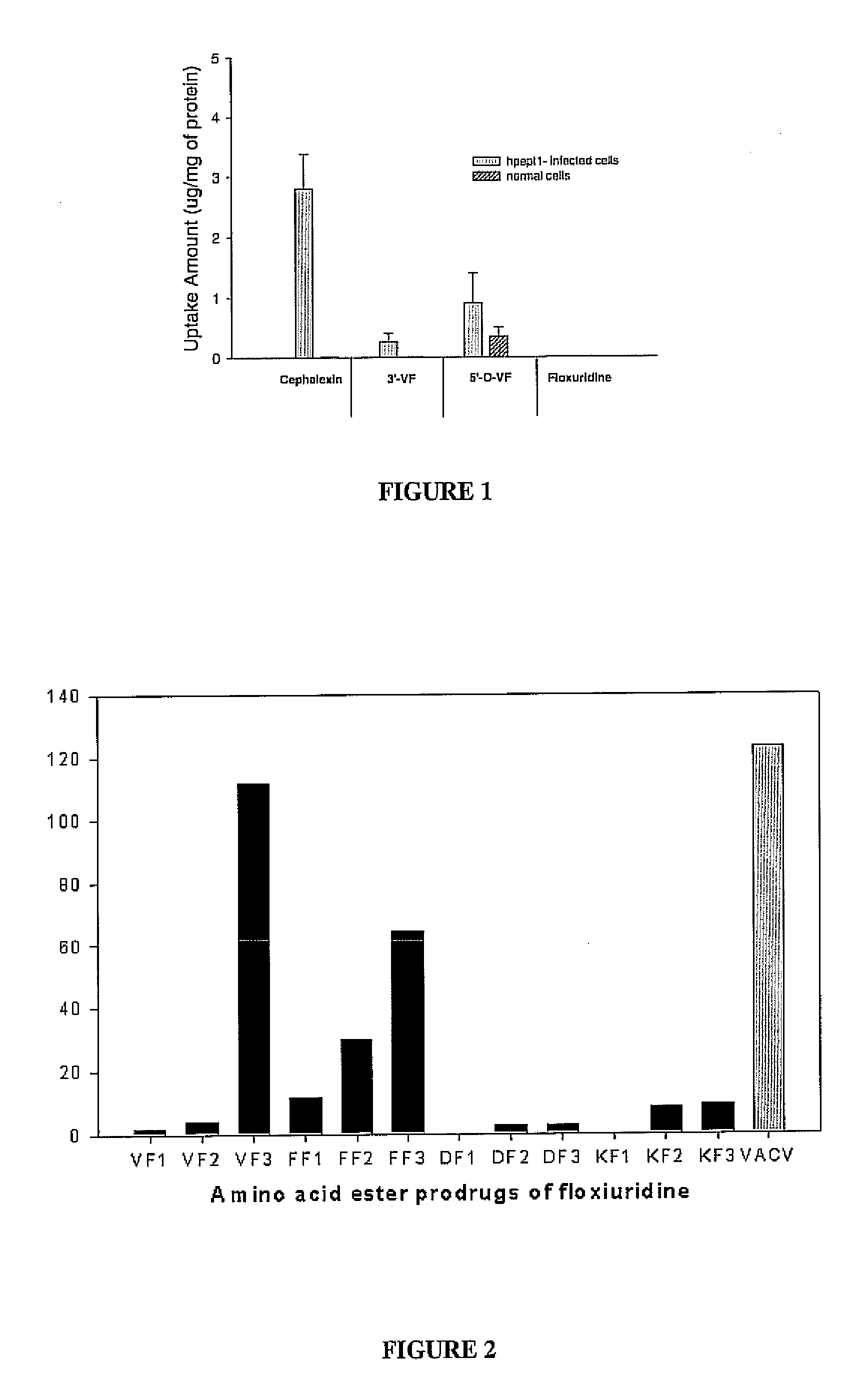
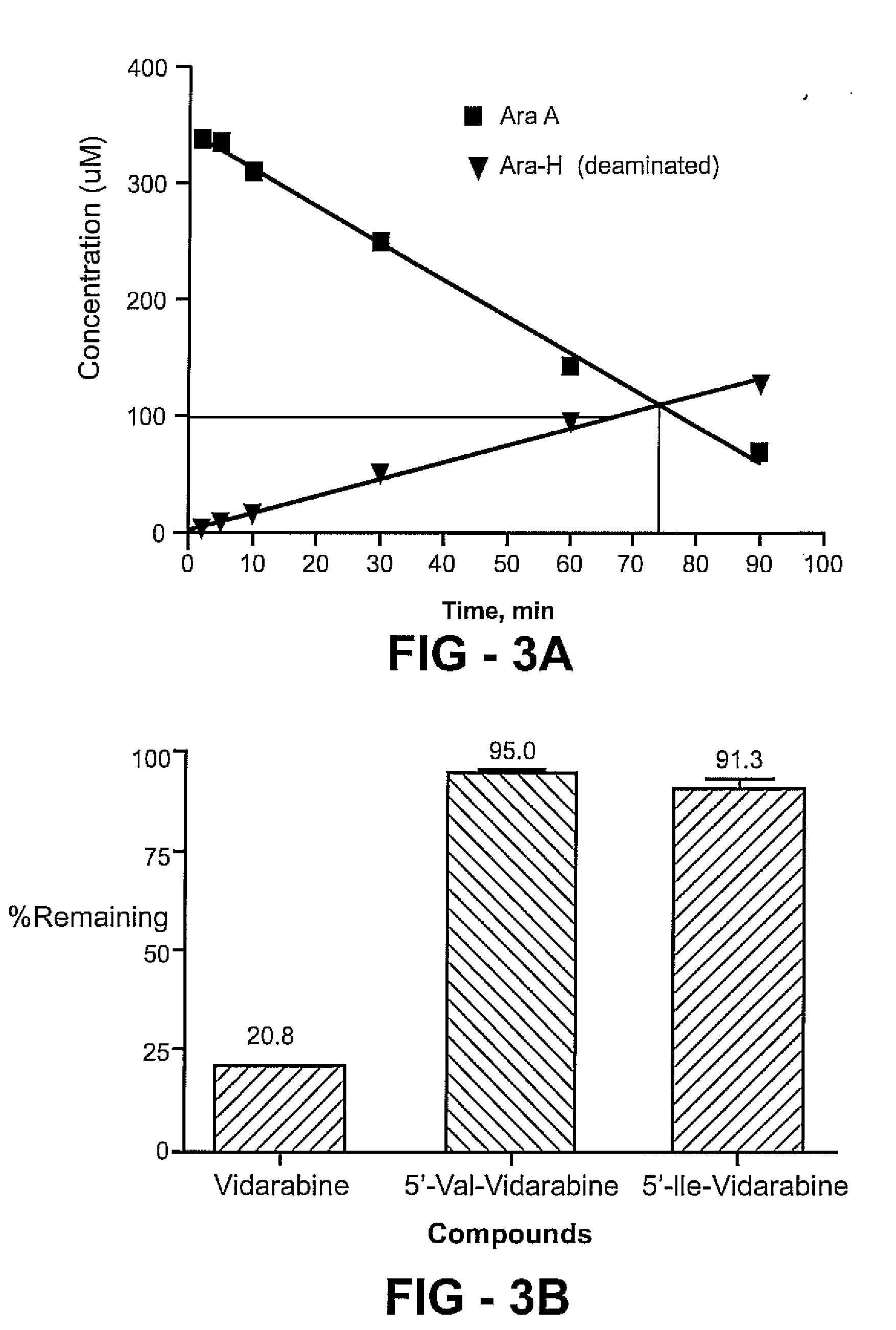
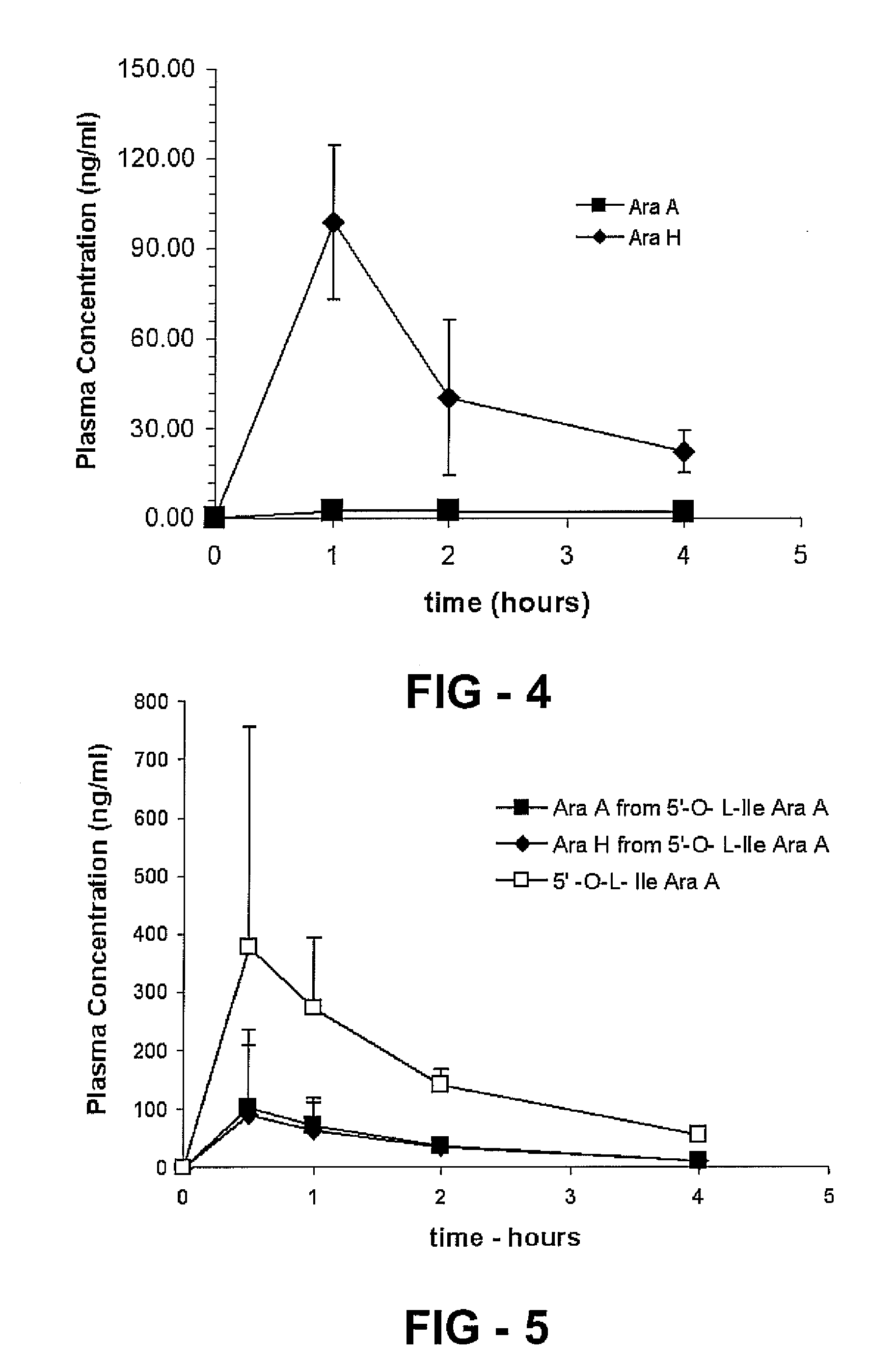
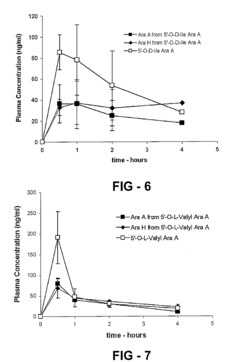
Metabolically stable prodrugs
PatentPendingUS20210401992A1
Innovation
- Development of lipophilic prodrugs with a sulfonyl group inserted into the lipid chain to enhance lipophilicity, improve physical properties, and facilitate oral bioavailability while reducing metabolism and side effects.
Environmental Impact of Ethyl Propanoate in Biocatalysis
The environmental impact of ethyl propanoate in biocatalysis is a crucial aspect to consider when evaluating its use in enzymatic processes. This compound, while beneficial for certain biocatalytic reactions, can have significant effects on the surrounding ecosystem if not properly managed.
Ethyl propanoate, being an organic ester, is generally biodegradable. However, its release into the environment in large quantities can lead to localized impacts on air, water, and soil quality. In aquatic environments, ethyl propanoate can potentially affect the pH balance, which may disrupt the natural habitat of various organisms.
The production and use of ethyl propanoate in biocatalytic processes may contribute to volatile organic compound (VOC) emissions. These emissions can participate in the formation of ground-level ozone, a key component of smog, which can have adverse effects on human health and vegetation.
From a lifecycle perspective, the environmental footprint of ethyl propanoate extends beyond its immediate use in biocatalysis. The production of this compound typically involves petrochemical processes, which are associated with greenhouse gas emissions and energy consumption. Therefore, the overall environmental impact must consider these upstream factors as well.
In terms of waste management, residual ethyl propanoate from biocatalytic processes requires proper handling and disposal. Improper disposal can lead to soil and groundwater contamination, potentially affecting local ecosystems and human health.
On the positive side, the use of ethyl propanoate in biocatalysis can contribute to more environmentally friendly chemical processes compared to traditional synthetic methods. Biocatalytic reactions often operate under milder conditions, requiring less energy and producing fewer harmful by-products.
To mitigate environmental risks, industries employing ethyl propanoate in biocatalysis should implement robust containment and recovery systems. These measures can significantly reduce emissions and prevent accidental releases into the environment.
Research into green chemistry alternatives is ongoing, with efforts focused on developing bio-based sources for ethyl propanoate production. Such advancements could potentially reduce the environmental impact associated with its manufacture and use in biocatalytic processes.
In conclusion, while ethyl propanoate plays a valuable role in biocatalysis, its environmental impact must be carefully managed. Balancing the benefits of its use with potential ecological consequences is essential for sustainable industrial practices in the field of biocatalysis.
Ethyl propanoate, being an organic ester, is generally biodegradable. However, its release into the environment in large quantities can lead to localized impacts on air, water, and soil quality. In aquatic environments, ethyl propanoate can potentially affect the pH balance, which may disrupt the natural habitat of various organisms.
The production and use of ethyl propanoate in biocatalytic processes may contribute to volatile organic compound (VOC) emissions. These emissions can participate in the formation of ground-level ozone, a key component of smog, which can have adverse effects on human health and vegetation.
From a lifecycle perspective, the environmental footprint of ethyl propanoate extends beyond its immediate use in biocatalysis. The production of this compound typically involves petrochemical processes, which are associated with greenhouse gas emissions and energy consumption. Therefore, the overall environmental impact must consider these upstream factors as well.
In terms of waste management, residual ethyl propanoate from biocatalytic processes requires proper handling and disposal. Improper disposal can lead to soil and groundwater contamination, potentially affecting local ecosystems and human health.
On the positive side, the use of ethyl propanoate in biocatalysis can contribute to more environmentally friendly chemical processes compared to traditional synthetic methods. Biocatalytic reactions often operate under milder conditions, requiring less energy and producing fewer harmful by-products.
To mitigate environmental risks, industries employing ethyl propanoate in biocatalysis should implement robust containment and recovery systems. These measures can significantly reduce emissions and prevent accidental releases into the environment.
Research into green chemistry alternatives is ongoing, with efforts focused on developing bio-based sources for ethyl propanoate production. Such advancements could potentially reduce the environmental impact associated with its manufacture and use in biocatalytic processes.
In conclusion, while ethyl propanoate plays a valuable role in biocatalysis, its environmental impact must be carefully managed. Balancing the benefits of its use with potential ecological consequences is essential for sustainable industrial practices in the field of biocatalysis.
Scalability and Industrial Applications of Ethyl Propanoate Biocatalysis
The scalability and industrial applications of ethyl propanoate biocatalysis represent a significant area of interest for biotechnology and chemical manufacturing sectors. As the demand for sustainable and efficient production methods continues to grow, the use of biocatalysts in the synthesis of ethyl propanoate offers promising opportunities for large-scale implementation.
One of the key advantages of biocatalytic processes involving ethyl propanoate is their potential for scalability. Enzymatic reactions can be optimized to operate under mild conditions, reducing energy requirements and minimizing the production of unwanted by-products. This scalability is particularly attractive for industries seeking to transition from traditional chemical synthesis methods to more environmentally friendly alternatives.
In industrial applications, ethyl propanoate biocatalysis has shown promise in various sectors. The food and beverage industry, for instance, utilizes ethyl propanoate as a flavoring agent due to its fruity aroma. Biocatalytic production methods can offer a more natural and cost-effective approach to synthesizing this compound, aligning with consumer preferences for clean-label products.
The pharmaceutical industry is another sector that stands to benefit from advancements in ethyl propanoate biocatalysis. As a solvent and intermediate in drug synthesis, ethyl propanoate produced through enzymatic routes can contribute to greener manufacturing processes and potentially reduce production costs.
Challenges in scaling up ethyl propanoate biocatalysis include maintaining enzyme stability and activity at industrial scales, optimizing reaction conditions for maximum yield, and developing efficient downstream processing methods. Overcoming these hurdles requires interdisciplinary collaboration between biochemists, chemical engineers, and process designers.
Recent developments in immobilization techniques and enzyme engineering have shown promise in enhancing the stability and reusability of biocatalysts used in ethyl propanoate synthesis. These advancements are crucial for improving the economic viability of large-scale biocatalytic processes and expanding their industrial applications.
As research in this field progresses, we can anticipate further innovations in reactor design, process intensification, and continuous flow systems tailored for ethyl propanoate biocatalysis. These developments will likely pave the way for broader adoption of this technology across various industries, contributing to more sustainable manufacturing practices and potentially opening new market opportunities.
One of the key advantages of biocatalytic processes involving ethyl propanoate is their potential for scalability. Enzymatic reactions can be optimized to operate under mild conditions, reducing energy requirements and minimizing the production of unwanted by-products. This scalability is particularly attractive for industries seeking to transition from traditional chemical synthesis methods to more environmentally friendly alternatives.
In industrial applications, ethyl propanoate biocatalysis has shown promise in various sectors. The food and beverage industry, for instance, utilizes ethyl propanoate as a flavoring agent due to its fruity aroma. Biocatalytic production methods can offer a more natural and cost-effective approach to synthesizing this compound, aligning with consumer preferences for clean-label products.
The pharmaceutical industry is another sector that stands to benefit from advancements in ethyl propanoate biocatalysis. As a solvent and intermediate in drug synthesis, ethyl propanoate produced through enzymatic routes can contribute to greener manufacturing processes and potentially reduce production costs.
Challenges in scaling up ethyl propanoate biocatalysis include maintaining enzyme stability and activity at industrial scales, optimizing reaction conditions for maximum yield, and developing efficient downstream processing methods. Overcoming these hurdles requires interdisciplinary collaboration between biochemists, chemical engineers, and process designers.
Recent developments in immobilization techniques and enzyme engineering have shown promise in enhancing the stability and reusability of biocatalysts used in ethyl propanoate synthesis. These advancements are crucial for improving the economic viability of large-scale biocatalytic processes and expanding their industrial applications.
As research in this field progresses, we can anticipate further innovations in reactor design, process intensification, and continuous flow systems tailored for ethyl propanoate biocatalysis. These developments will likely pave the way for broader adoption of this technology across various industries, contributing to more sustainable manufacturing practices and potentially opening new market opportunities.
Unlock deeper insights with Patsnap Eureka Quick Research — get a full tech report to explore trends and direct your research. Try now!
Generate Your Research Report Instantly with AI Agent
Supercharge your innovation with Patsnap Eureka AI Agent Platform!