
Valeric Acid Bio-Based Chemical: Sustainable Production Routes And Industrial Applications
AUG 18, 20259 MIN READ
Generate Your Research Report Instantly with AI Agent
Patsnap Eureka helps you evaluate technical feasibility & market potential.
Induction Motors in Smart Grids: Background and Objectives
Induction motors have been a cornerstone of industrial and residential electrical systems for over a century, powering everything from manufacturing equipment to household appliances. As the world transitions towards more sustainable and efficient energy systems, the integration of these motors with smart grid technologies has become a critical area of focus. This convergence represents a significant opportunity to optimize energy consumption, reduce costs, and enhance overall grid stability.
The evolution of induction motors can be traced back to Nikola Tesla's pioneering work in the late 19th century. Since then, these motors have undergone numerous improvements in efficiency and control. However, their fundamental operating principle remains unchanged, relying on electromagnetic induction to convert electrical energy into mechanical motion. As we enter an era dominated by smart technologies, the challenge lies in adapting these traditional motors to work seamlessly within the framework of intelligent power systems.
Smart grids represent the next generation of electrical distribution networks, characterized by two-way communication between utilities and consumers, advanced metering infrastructure, and real-time monitoring and control capabilities. These systems aim to improve reliability, efficiency, and sustainability by optimizing power generation, transmission, and consumption. The integration of induction motors into this ecosystem presents both challenges and opportunities, necessitating a comprehensive understanding of both motor technology and smart grid principles.
The primary objective of aligning induction motors with smart grid optimization efforts is to achieve a synergistic relationship that benefits both the end-users and the broader energy infrastructure. This involves developing strategies to modulate motor operation based on grid conditions, implementing advanced control algorithms, and leveraging data analytics to predict and optimize energy consumption patterns. By doing so, we can potentially reduce peak demand, improve power quality, and increase the overall efficiency of electrical systems.
Furthermore, this alignment seeks to address several key technological goals. These include enhancing the responsiveness of induction motors to grid signals, improving their energy efficiency across various operating conditions, and developing robust communication protocols that enable seamless integration with smart grid management systems. Additionally, there is a focus on exploring innovative motor designs that inherently complement smart grid functionalities, such as those with built-in power electronics for advanced control and monitoring.
As we delve deeper into this technological convergence, it becomes evident that the successful integration of induction motors with smart grids will play a crucial role in shaping the future of energy systems. This alignment not only promises significant energy savings and operational improvements but also paves the way for more sustainable and resilient electrical infrastructure.
The evolution of induction motors can be traced back to Nikola Tesla's pioneering work in the late 19th century. Since then, these motors have undergone numerous improvements in efficiency and control. However, their fundamental operating principle remains unchanged, relying on electromagnetic induction to convert electrical energy into mechanical motion. As we enter an era dominated by smart technologies, the challenge lies in adapting these traditional motors to work seamlessly within the framework of intelligent power systems.
Smart grids represent the next generation of electrical distribution networks, characterized by two-way communication between utilities and consumers, advanced metering infrastructure, and real-time monitoring and control capabilities. These systems aim to improve reliability, efficiency, and sustainability by optimizing power generation, transmission, and consumption. The integration of induction motors into this ecosystem presents both challenges and opportunities, necessitating a comprehensive understanding of both motor technology and smart grid principles.
The primary objective of aligning induction motors with smart grid optimization efforts is to achieve a synergistic relationship that benefits both the end-users and the broader energy infrastructure. This involves developing strategies to modulate motor operation based on grid conditions, implementing advanced control algorithms, and leveraging data analytics to predict and optimize energy consumption patterns. By doing so, we can potentially reduce peak demand, improve power quality, and increase the overall efficiency of electrical systems.
Furthermore, this alignment seeks to address several key technological goals. These include enhancing the responsiveness of induction motors to grid signals, improving their energy efficiency across various operating conditions, and developing robust communication protocols that enable seamless integration with smart grid management systems. Additionally, there is a focus on exploring innovative motor designs that inherently complement smart grid functionalities, such as those with built-in power electronics for advanced control and monitoring.
As we delve deeper into this technological convergence, it becomes evident that the successful integration of induction motors with smart grids will play a crucial role in shaping the future of energy systems. This alignment not only promises significant energy savings and operational improvements but also paves the way for more sustainable and resilient electrical infrastructure.
Smart Grid Optimization Market Analysis
The smart grid optimization market is experiencing significant growth as utilities and energy providers seek to enhance grid efficiency, reliability, and sustainability. This market is driven by the increasing integration of renewable energy sources, the need for improved energy management, and the growing demand for advanced grid infrastructure.
The global smart grid optimization market is projected to expand at a compound annual growth rate (CAGR) of over 10% from 2021 to 2026. This growth is fueled by government initiatives promoting smart grid technologies, rising investments in grid modernization projects, and the increasing adoption of smart meters and advanced metering infrastructure (AMI).
Key market segments within smart grid optimization include demand response management systems, distribution management systems, and grid asset management solutions. These segments are witnessing rapid adoption as utilities strive to balance supply and demand, reduce power outages, and optimize grid operations.
Geographically, North America and Europe are leading the smart grid optimization market, with substantial investments in grid modernization and renewable energy integration. However, the Asia-Pacific region is expected to exhibit the highest growth rate, driven by rapid urbanization, increasing power demand, and government-led smart city initiatives.
The market landscape is characterized by a mix of established players and innovative startups. Major companies in this space include Siemens, ABB, General Electric, and Schneider Electric, who offer comprehensive smart grid solutions. Emerging players are focusing on niche areas such as artificial intelligence-driven grid optimization and blockchain-based energy trading platforms.
Induction motors play a crucial role in smart grid optimization efforts. As a significant consumer of electrical energy in industrial and commercial settings, the efficient operation of induction motors directly impacts grid stability and energy consumption patterns. Smart grid technologies enable real-time monitoring and control of induction motors, allowing for demand-side management and load balancing.
The integration of variable frequency drives (VFDs) with induction motors is a key trend in the smart grid optimization market. VFDs allow for precise speed control of induction motors, reducing energy consumption and improving overall system efficiency. This integration aligns with smart grid objectives by enabling dynamic load management and reducing peak demand on the grid.
Furthermore, the development of smart motor controllers and IoT-enabled monitoring systems is creating new opportunities in the market. These technologies enable predictive maintenance, fault detection, and performance optimization of induction motors, contributing to improved grid reliability and reduced downtime.
The global smart grid optimization market is projected to expand at a compound annual growth rate (CAGR) of over 10% from 2021 to 2026. This growth is fueled by government initiatives promoting smart grid technologies, rising investments in grid modernization projects, and the increasing adoption of smart meters and advanced metering infrastructure (AMI).
Key market segments within smart grid optimization include demand response management systems, distribution management systems, and grid asset management solutions. These segments are witnessing rapid adoption as utilities strive to balance supply and demand, reduce power outages, and optimize grid operations.
Geographically, North America and Europe are leading the smart grid optimization market, with substantial investments in grid modernization and renewable energy integration. However, the Asia-Pacific region is expected to exhibit the highest growth rate, driven by rapid urbanization, increasing power demand, and government-led smart city initiatives.
The market landscape is characterized by a mix of established players and innovative startups. Major companies in this space include Siemens, ABB, General Electric, and Schneider Electric, who offer comprehensive smart grid solutions. Emerging players are focusing on niche areas such as artificial intelligence-driven grid optimization and blockchain-based energy trading platforms.
Induction motors play a crucial role in smart grid optimization efforts. As a significant consumer of electrical energy in industrial and commercial settings, the efficient operation of induction motors directly impacts grid stability and energy consumption patterns. Smart grid technologies enable real-time monitoring and control of induction motors, allowing for demand-side management and load balancing.
The integration of variable frequency drives (VFDs) with induction motors is a key trend in the smart grid optimization market. VFDs allow for precise speed control of induction motors, reducing energy consumption and improving overall system efficiency. This integration aligns with smart grid objectives by enabling dynamic load management and reducing peak demand on the grid.
Furthermore, the development of smart motor controllers and IoT-enabled monitoring systems is creating new opportunities in the market. These technologies enable predictive maintenance, fault detection, and performance optimization of induction motors, contributing to improved grid reliability and reduced downtime.
Current Challenges in Induction Motor-Smart Grid Integration
The integration of induction motors with smart grid systems presents several significant challenges that need to be addressed for optimal performance and efficiency. One of the primary issues is the lack of real-time communication and control mechanisms between induction motors and the smart grid infrastructure. This gap hinders the ability to dynamically adjust motor operations based on grid conditions, leading to suboptimal energy usage and potential grid instability.
Another challenge lies in the inherent characteristics of induction motors, particularly their high starting currents and power factor variations. These factors can cause voltage fluctuations and power quality issues in the grid, especially during motor start-up or when multiple motors are operating simultaneously. Smart grids require stable and predictable power flows, making the integration of these variable loads a complex task.
The absence of advanced sensing and monitoring capabilities in many existing induction motor installations further complicates their integration with smart grids. Without real-time data on motor performance, load conditions, and energy consumption, it becomes difficult to implement effective demand response strategies or optimize motor operations in line with grid requirements.
Energy efficiency is another critical concern. While induction motors are widely used due to their robustness and simplicity, they often operate at less than optimal efficiency levels, especially under varying load conditions. Smart grids aim to maximize energy efficiency, but the lack of sophisticated control systems in many induction motors limits their ability to adapt to changing energy demands and grid conditions.
The retrofitting of existing induction motor systems to make them compatible with smart grid technologies presents both technical and economic challenges. Many industrial and commercial facilities have a large installed base of induction motors that lack the necessary interfaces for smart grid integration. Upgrading these systems can be costly and disruptive to operations, creating a significant barrier to widespread adoption.
Furthermore, there is a need for standardized protocols and interfaces for induction motor-smart grid communication. The current landscape is fragmented, with various proprietary systems and communication protocols, making it difficult to achieve seamless integration across different manufacturers and grid systems.
Lastly, the cybersecurity implications of connecting induction motors to smart grid networks cannot be overlooked. As these systems become more interconnected, they also become potential targets for cyber attacks. Ensuring the security and integrity of motor control systems while maintaining their connectivity to the smart grid is a complex challenge that requires ongoing attention and innovation.
Another challenge lies in the inherent characteristics of induction motors, particularly their high starting currents and power factor variations. These factors can cause voltage fluctuations and power quality issues in the grid, especially during motor start-up or when multiple motors are operating simultaneously. Smart grids require stable and predictable power flows, making the integration of these variable loads a complex task.
The absence of advanced sensing and monitoring capabilities in many existing induction motor installations further complicates their integration with smart grids. Without real-time data on motor performance, load conditions, and energy consumption, it becomes difficult to implement effective demand response strategies or optimize motor operations in line with grid requirements.
Energy efficiency is another critical concern. While induction motors are widely used due to their robustness and simplicity, they often operate at less than optimal efficiency levels, especially under varying load conditions. Smart grids aim to maximize energy efficiency, but the lack of sophisticated control systems in many induction motors limits their ability to adapt to changing energy demands and grid conditions.
The retrofitting of existing induction motor systems to make them compatible with smart grid technologies presents both technical and economic challenges. Many industrial and commercial facilities have a large installed base of induction motors that lack the necessary interfaces for smart grid integration. Upgrading these systems can be costly and disruptive to operations, creating a significant barrier to widespread adoption.
Furthermore, there is a need for standardized protocols and interfaces for induction motor-smart grid communication. The current landscape is fragmented, with various proprietary systems and communication protocols, making it difficult to achieve seamless integration across different manufacturers and grid systems.
Lastly, the cybersecurity implications of connecting induction motors to smart grid networks cannot be overlooked. As these systems become more interconnected, they also become potential targets for cyber attacks. Ensuring the security and integrity of motor control systems while maintaining their connectivity to the smart grid is a complex challenge that requires ongoing attention and innovation.
Existing Solutions for Induction Motor-Smart Grid Alignment
01 Design and construction of induction motors
This category covers the fundamental design and construction aspects of induction motors, including rotor and stator configurations, winding arrangements, and core materials. Innovations in these areas aim to improve motor efficiency, power output, and overall performance.- Design and construction of induction motors: This category covers the fundamental design and construction aspects of induction motors, including rotor and stator configurations, winding arrangements, and core materials. Innovations in these areas aim to improve motor efficiency, power output, and overall performance.
- Control systems for induction motors: Control systems play a crucial role in regulating the speed, torque, and efficiency of induction motors. This category includes advancements in motor drives, frequency converters, and intelligent control algorithms that enhance motor performance and energy efficiency across various applications.
- Efficiency improvements in induction motors: This category focuses on techniques and technologies aimed at improving the energy efficiency of induction motors. This includes optimizing motor design, using advanced materials, and implementing innovative cooling systems to reduce energy losses and improve overall motor performance.
- Specialized applications of induction motors: Induction motors are used in a wide range of specialized applications, each with unique requirements. This category covers adaptations and innovations in induction motor design for specific industries or use cases, such as high-speed motors, submersible motors, or motors for extreme environments.
- Manufacturing and testing of induction motors: This category encompasses advancements in manufacturing processes, quality control, and testing methodologies for induction motors. It includes innovations in production techniques, automated assembly, and diagnostic tools to ensure motor reliability and performance consistency.
02 Control systems for induction motors
This point focuses on the development of control systems and methods for induction motors. It includes advancements in speed control, torque regulation, and power factor correction. These control systems aim to enhance motor performance, energy efficiency, and adaptability to various operating conditions.Expand Specific Solutions03 Efficiency improvements in induction motors
This category encompasses innovations aimed at improving the energy efficiency of induction motors. It includes techniques for reducing losses, optimizing magnetic circuits, and enhancing thermal management. These advancements contribute to lower operating costs and reduced environmental impact.Expand Specific Solutions04 Specialized applications of induction motors
This point covers the adaptation and optimization of induction motors for specific applications. It includes designs for high-speed operations, heavy-duty industrial use, and integration into various machinery and equipment. These specialized motors are tailored to meet the unique requirements of different industries and operating environments.Expand Specific Solutions05 Manufacturing and assembly techniques for induction motors
This category focuses on innovative manufacturing and assembly methods for induction motors. It includes advancements in production processes, materials handling, and quality control techniques. These innovations aim to improve production efficiency, reduce costs, and enhance the overall quality and reliability of induction motors.Expand Specific Solutions
Key Players in Smart Grid and Motor Manufacturing
The induction motor industry is in a mature phase, with a well-established market and proven technology. However, the integration of induction motors with smart grid optimization efforts represents an emerging trend, driving innovation and market growth. The global market for smart grid-compatible motors is expanding, driven by increasing demand for energy efficiency and grid stability. Technologically, companies like State Grid Corp. of China, Danfoss A/S, and Siemens AG are at the forefront, developing advanced motor control systems and grid integration solutions. Other players such as United Technologies Corp. and Hitachi Automotive Systems Ltd. are also contributing to the field with their expertise in motor design and power electronics, pushing the boundaries of induction motor efficiency and smart grid compatibility.
State Grid Corp. of China
Technical Solution: State Grid Corp. of China has developed advanced induction motor control systems that integrate seamlessly with smart grid infrastructure. Their solution utilizes real-time data from the grid to optimize motor performance and energy consumption. The system employs adaptive control algorithms that adjust motor speed and torque based on grid conditions, load demands, and energy pricing[1]. This approach enables demand response capabilities, allowing motors to reduce consumption during peak periods and increase during off-peak times[2]. Additionally, State Grid has implemented power quality improvement features that mitigate harmonics and improve power factor, contributing to overall grid stability[3].
Strengths: Comprehensive integration with smart grid, advanced demand response capabilities, and power quality improvement. Weaknesses: May require significant infrastructure upgrades and could be complex to implement in older industrial settings.
Danfoss A/S
Technical Solution: Danfoss A/S has developed a smart grid-optimized induction motor solution that focuses on energy efficiency and grid support in industrial applications. Their system combines high-efficiency motors with advanced variable speed drives that feature built-in grid monitoring and response capabilities. Danfoss' solution includes adaptive control algorithms that optimize motor operation based on load demands and grid conditions, enabling seamless participation in demand response programs[13]. The company has also implemented a power quality improvement feature that actively compensates for harmonics and improves power factor, contributing to grid stability[14]. Additionally, Danfoss offers a cloud-based energy management platform that provides real-time insights and optimization recommendations for motor fleets across multiple sites[15].
Strengths: Strong focus on industrial applications, power quality improvement, and multi-site optimization. Weaknesses: May be more suited for large-scale industrial users rather than smaller applications.
Core Innovations in Motor-Grid Integration Technologies
Method and device for optimizing efficiency of induction motor in electric vehicle
PatentWO2016006439A1
Innovation
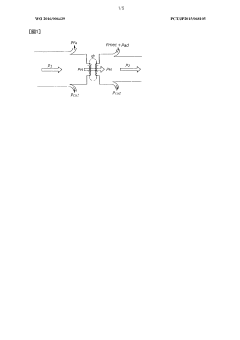
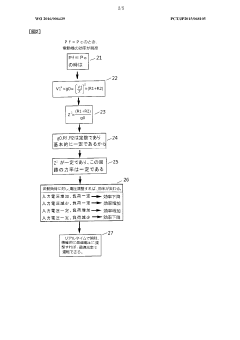
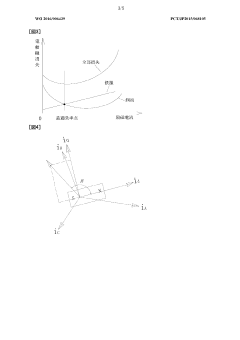
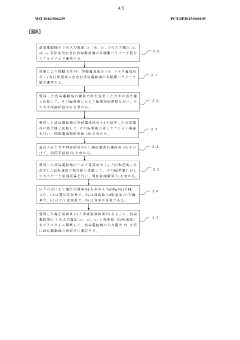
- A real-time optimization method and device that adjusts the input voltage and frequency of the induction motor based on load factor and rotation speed using an optimization algorithm, ensuring the motor operates with minimum current and optimum voltage, thereby reducing copper and iron losses and improving power factor.
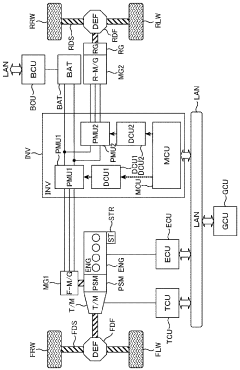
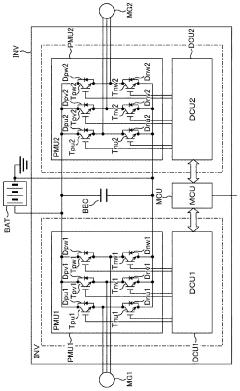
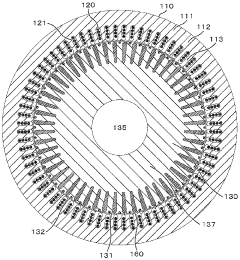
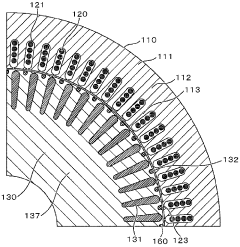
Induction motor, electric drive system, and electric vehicle comprising both
PatentWO2013129024A1
Innovation
- The induction motor is configured with a rotor having a squirrel cage winding with conductive bars and end rings that primarily interlink the fundamental flux, while the second bar is designed to short-circuit the third harmonic component, allowing for increased torque during acceleration without impairing cruising characteristics.
Energy Efficiency Regulations and Standards
Energy efficiency regulations and standards play a crucial role in aligning induction motors with smart grid optimization efforts. These regulatory frameworks are designed to promote the adoption of energy-efficient technologies and practices, ultimately contributing to the overall efficiency and sustainability of the power grid.
In recent years, governments and international organizations have implemented increasingly stringent energy efficiency standards for induction motors. The International Electrotechnical Commission (IEC) has established the IE (International Efficiency) classification system, which defines efficiency levels for electric motors. This system ranges from IE1 (standard efficiency) to IE5 (ultra-premium efficiency), with higher levels indicating greater energy efficiency.
Many countries have adopted these standards or developed their own regulations based on the IEC framework. For instance, the European Union's Ecodesign Directive mandates minimum efficiency levels for electric motors sold within the EU. Similarly, the United States Department of Energy (DOE) has established minimum efficiency standards for electric motors through its Energy Conservation Standards program.
These regulations have a significant impact on the design and manufacturing of induction motors. Manufacturers are compelled to innovate and develop more efficient motor designs to meet or exceed these standards. This has led to advancements in materials, such as the use of copper rotors instead of aluminum, and improvements in motor design techniques to reduce losses and increase efficiency.
The alignment of induction motors with smart grid optimization efforts is further enhanced by these regulations. Smart grids require efficient and responsive components to manage power flow effectively. Energy-efficient induction motors, compliant with these standards, contribute to reduced energy consumption and improved grid stability. They can respond more quickly to changes in power demand, helping to balance load and maintain grid frequency.
Moreover, these regulations often include requirements for variable speed drives (VSDs) and motor control systems. VSDs allow induction motors to operate at varying speeds, matching their output to the actual load requirements. This capability is essential for smart grid applications, as it enables more precise control of power consumption and helps to optimize overall grid performance.
The integration of energy-efficient induction motors into smart grid systems also supports demand response programs. These motors can be programmed to reduce their power consumption during peak demand periods, contributing to load shedding and grid stabilization efforts. This flexibility aligns well with the dynamic nature of smart grids and their need for adaptive, energy-efficient components.
As regulations continue to evolve, they are likely to drive further innovations in induction motor technology. Future standards may incorporate requirements for advanced monitoring and communication capabilities, enabling motors to interact more seamlessly with smart grid management systems. This ongoing regulatory push towards higher efficiency and smarter operation ensures that induction motors will remain a key component in the optimization of smart grids for years to come.
In recent years, governments and international organizations have implemented increasingly stringent energy efficiency standards for induction motors. The International Electrotechnical Commission (IEC) has established the IE (International Efficiency) classification system, which defines efficiency levels for electric motors. This system ranges from IE1 (standard efficiency) to IE5 (ultra-premium efficiency), with higher levels indicating greater energy efficiency.
Many countries have adopted these standards or developed their own regulations based on the IEC framework. For instance, the European Union's Ecodesign Directive mandates minimum efficiency levels for electric motors sold within the EU. Similarly, the United States Department of Energy (DOE) has established minimum efficiency standards for electric motors through its Energy Conservation Standards program.
These regulations have a significant impact on the design and manufacturing of induction motors. Manufacturers are compelled to innovate and develop more efficient motor designs to meet or exceed these standards. This has led to advancements in materials, such as the use of copper rotors instead of aluminum, and improvements in motor design techniques to reduce losses and increase efficiency.
The alignment of induction motors with smart grid optimization efforts is further enhanced by these regulations. Smart grids require efficient and responsive components to manage power flow effectively. Energy-efficient induction motors, compliant with these standards, contribute to reduced energy consumption and improved grid stability. They can respond more quickly to changes in power demand, helping to balance load and maintain grid frequency.
Moreover, these regulations often include requirements for variable speed drives (VSDs) and motor control systems. VSDs allow induction motors to operate at varying speeds, matching their output to the actual load requirements. This capability is essential for smart grid applications, as it enables more precise control of power consumption and helps to optimize overall grid performance.
The integration of energy-efficient induction motors into smart grid systems also supports demand response programs. These motors can be programmed to reduce their power consumption during peak demand periods, contributing to load shedding and grid stabilization efforts. This flexibility aligns well with the dynamic nature of smart grids and their need for adaptive, energy-efficient components.
As regulations continue to evolve, they are likely to drive further innovations in induction motor technology. Future standards may incorporate requirements for advanced monitoring and communication capabilities, enabling motors to interact more seamlessly with smart grid management systems. This ongoing regulatory push towards higher efficiency and smarter operation ensures that induction motors will remain a key component in the optimization of smart grids for years to come.
Economic Impact of Smart Motor-Grid Systems
The integration of induction motors with smart grid optimization efforts has significant economic implications for both energy providers and consumers. This alignment creates a synergy that enhances overall system efficiency and reduces operational costs across the power distribution network.
Smart motor-grid systems contribute to load balancing and demand response strategies, which are crucial for maintaining grid stability and reducing peak demand. By enabling real-time communication between motors and the grid, these systems can adjust motor operations based on grid conditions, leading to more efficient energy consumption patterns. This optimization results in reduced strain on power generation facilities during peak hours, potentially deferring the need for costly infrastructure upgrades.
The economic benefits extend to industrial and commercial sectors, where induction motors are widely used. Smart motor control systems can significantly reduce energy consumption by adjusting motor speed and torque to match actual load requirements. This precision control translates into substantial energy savings, with some estimates suggesting potential reductions of up to 30% in motor-related energy costs.
Furthermore, the integration of smart motor systems with the grid enables predictive maintenance strategies. By continuously monitoring motor performance and grid conditions, these systems can identify potential issues before they lead to failures. This proactive approach minimizes downtime, reduces maintenance costs, and extends the operational lifespan of motor equipment, resulting in significant long-term cost savings for businesses.
The economic impact is also evident in the emerging market for grid services. Induction motors equipped with smart controls can participate in ancillary services markets, providing voltage support, frequency regulation, and other grid-stabilizing functions. This creates new revenue streams for motor operators while simultaneously reducing the costs associated with traditional grid management techniques.
From a macroeconomic perspective, the widespread adoption of smart motor-grid systems contributes to overall energy efficiency improvements, potentially reducing national energy consumption and associated costs. This, in turn, can enhance economic competitiveness by lowering production costs and improving resource allocation across various industries.
However, the initial investment required for upgrading existing motor systems and grid infrastructure presents a significant economic consideration. While the long-term benefits are clear, the upfront costs may pose challenges for some organizations, particularly small and medium-sized enterprises. This highlights the need for supportive policies and financing mechanisms to facilitate the transition to smart motor-grid systems and realize their full economic potential.
Smart motor-grid systems contribute to load balancing and demand response strategies, which are crucial for maintaining grid stability and reducing peak demand. By enabling real-time communication between motors and the grid, these systems can adjust motor operations based on grid conditions, leading to more efficient energy consumption patterns. This optimization results in reduced strain on power generation facilities during peak hours, potentially deferring the need for costly infrastructure upgrades.
The economic benefits extend to industrial and commercial sectors, where induction motors are widely used. Smart motor control systems can significantly reduce energy consumption by adjusting motor speed and torque to match actual load requirements. This precision control translates into substantial energy savings, with some estimates suggesting potential reductions of up to 30% in motor-related energy costs.
Furthermore, the integration of smart motor systems with the grid enables predictive maintenance strategies. By continuously monitoring motor performance and grid conditions, these systems can identify potential issues before they lead to failures. This proactive approach minimizes downtime, reduces maintenance costs, and extends the operational lifespan of motor equipment, resulting in significant long-term cost savings for businesses.
The economic impact is also evident in the emerging market for grid services. Induction motors equipped with smart controls can participate in ancillary services markets, providing voltage support, frequency regulation, and other grid-stabilizing functions. This creates new revenue streams for motor operators while simultaneously reducing the costs associated with traditional grid management techniques.
From a macroeconomic perspective, the widespread adoption of smart motor-grid systems contributes to overall energy efficiency improvements, potentially reducing national energy consumption and associated costs. This, in turn, can enhance economic competitiveness by lowering production costs and improving resource allocation across various industries.
However, the initial investment required for upgrading existing motor systems and grid infrastructure presents a significant economic consideration. While the long-term benefits are clear, the upfront costs may pose challenges for some organizations, particularly small and medium-sized enterprises. This highlights the need for supportive policies and financing mechanisms to facilitate the transition to smart motor-grid systems and realize their full economic potential.
Unlock deeper insights with Patsnap Eureka Quick Research — get a full tech report to explore trends and direct your research. Try now!
Generate Your Research Report Instantly with AI Agent
Supercharge your innovation with Patsnap Eureka AI Agent Platform!