Nano-NMR Utilization for Trace Elemental Analysis
SEP 22, 20259 MIN READ
Generate Your Research Report Instantly with AI Agent
PatSnap Eureka helps you evaluate technical feasibility & market potential.
Nano-NMR Technology Background and Objectives
Nuclear Magnetic Resonance (NMR) spectroscopy has evolved significantly since its discovery in the 1940s, transitioning from a physics curiosity to an indispensable analytical tool across multiple scientific disciplines. The miniaturization of NMR technology to the nanoscale represents one of the most promising frontiers in analytical chemistry and materials science. Nano-NMR combines the powerful analytical capabilities of traditional NMR with unprecedented spatial resolution, enabling the detection and analysis of trace elements at previously inaccessible scales.
The development of Nano-NMR technology has been driven by the increasing demand for more sensitive analytical methods capable of detecting and characterizing materials at the molecular and atomic levels. Traditional NMR systems, while highly effective for bulk analysis, face significant limitations when applied to trace elemental detection due to sensitivity constraints and sample size requirements. Nano-NMR addresses these limitations by leveraging quantum effects and novel sensor designs to dramatically enhance sensitivity.
The technological evolution trajectory of Nano-NMR has been marked by several breakthrough innovations, including the development of nitrogen-vacancy (NV) centers in diamond as quantum sensors, the application of dynamic nuclear polarization techniques, and the integration of microfluidic systems with NMR detection. These advancements have collectively pushed the detection limits from millimolar to femtomolar concentrations, representing a billion-fold improvement in sensitivity.
The primary objective of Nano-NMR utilization for trace elemental analysis is to develop robust, reliable, and accessible analytical platforms capable of detecting and quantifying elements at ultra-low concentrations in complex matrices. This includes the ability to perform multi-element analysis simultaneously, distinguish between different isotopes, and provide information about the chemical environment of the target elements.
Secondary objectives include miniaturization of the technology for field-deployable applications, reduction of analysis time from hours to minutes, and integration with other analytical techniques to create comprehensive analytical solutions. The ultimate goal is to establish Nano-NMR as a standard analytical tool for applications ranging from environmental monitoring and food safety to medical diagnostics and materials characterization.
The realization of these objectives faces several technical challenges, including signal-to-noise ratio optimization, sample preparation protocols standardization, and data processing algorithm development. However, the potential impact of overcoming these challenges is substantial, potentially revolutionizing how we detect and analyze trace elements across numerous scientific and industrial applications.
The development of Nano-NMR technology has been driven by the increasing demand for more sensitive analytical methods capable of detecting and characterizing materials at the molecular and atomic levels. Traditional NMR systems, while highly effective for bulk analysis, face significant limitations when applied to trace elemental detection due to sensitivity constraints and sample size requirements. Nano-NMR addresses these limitations by leveraging quantum effects and novel sensor designs to dramatically enhance sensitivity.
The technological evolution trajectory of Nano-NMR has been marked by several breakthrough innovations, including the development of nitrogen-vacancy (NV) centers in diamond as quantum sensors, the application of dynamic nuclear polarization techniques, and the integration of microfluidic systems with NMR detection. These advancements have collectively pushed the detection limits from millimolar to femtomolar concentrations, representing a billion-fold improvement in sensitivity.
The primary objective of Nano-NMR utilization for trace elemental analysis is to develop robust, reliable, and accessible analytical platforms capable of detecting and quantifying elements at ultra-low concentrations in complex matrices. This includes the ability to perform multi-element analysis simultaneously, distinguish between different isotopes, and provide information about the chemical environment of the target elements.
Secondary objectives include miniaturization of the technology for field-deployable applications, reduction of analysis time from hours to minutes, and integration with other analytical techniques to create comprehensive analytical solutions. The ultimate goal is to establish Nano-NMR as a standard analytical tool for applications ranging from environmental monitoring and food safety to medical diagnostics and materials characterization.
The realization of these objectives faces several technical challenges, including signal-to-noise ratio optimization, sample preparation protocols standardization, and data processing algorithm development. However, the potential impact of overcoming these challenges is substantial, potentially revolutionizing how we detect and analyze trace elements across numerous scientific and industrial applications.
Market Applications for Trace Elemental Analysis
Trace elemental analysis represents a critical analytical capability across numerous industries, with Nano-NMR technology offering unprecedented sensitivity and specificity for detecting minute concentrations of elements. The market applications for this technology span diverse sectors, each with unique requirements and growth trajectories.
In the pharmaceutical industry, trace elemental analysis using Nano-NMR enables rigorous quality control of drug products, detecting metallic impurities at parts-per-billion levels. This capability is increasingly vital as regulatory bodies worldwide implement stricter guidelines for elemental impurities in pharmaceuticals, particularly following the ICH Q3D guidelines. The pharmaceutical analytical testing market, valued at approximately $5.6 billion, is projected to grow significantly as manufacturers seek more sensitive detection methods.
Environmental monitoring represents another substantial market, where Nano-NMR applications include detection of heavy metals in soil, water, and air samples. The technology's portability potential offers advantages for field testing in remote locations, addressing growing concerns about environmental contamination. The environmental testing market, currently expanding at 7.1% annually, shows particular demand growth in developing regions facing industrial pollution challenges.
The food and beverage industry increasingly relies on trace elemental analysis to ensure product safety and authenticity. Nano-NMR technology enables detection of harmful elements like lead, mercury, and arsenic in food products, while also verifying geographical origin through characteristic elemental fingerprints. This application addresses both regulatory compliance and consumer demand for transparency in food sourcing.
In semiconductor manufacturing, where ultra-pure materials are essential, Nano-NMR offers superior detection limits for contaminants that can compromise device performance. The semiconductor industry's push toward smaller feature sizes increases demand for more sensitive analytical techniques, with the semiconductor process control market expanding at 5.8% annually.
The mining and metallurgy sector utilizes trace elemental analysis for ore characterization, process optimization, and final product quality control. Nano-NMR's ability to detect valuable trace elements can improve extraction efficiency and reduce waste, addressing sustainability concerns in resource extraction industries.
Forensic science represents an emerging application area, where Nano-NMR can provide elemental fingerprinting of evidence materials with minimal sample destruction. This capability enhances investigative techniques while preserving valuable evidence, addressing a specialized but high-value market segment.
Healthcare diagnostics shows promising growth potential, with Nano-NMR enabling detection of trace elements in biological samples that serve as biomarkers for various diseases. This application intersects with the rapidly expanding precision medicine market, valued at over $66 billion and growing at double-digit rates annually.
In the pharmaceutical industry, trace elemental analysis using Nano-NMR enables rigorous quality control of drug products, detecting metallic impurities at parts-per-billion levels. This capability is increasingly vital as regulatory bodies worldwide implement stricter guidelines for elemental impurities in pharmaceuticals, particularly following the ICH Q3D guidelines. The pharmaceutical analytical testing market, valued at approximately $5.6 billion, is projected to grow significantly as manufacturers seek more sensitive detection methods.
Environmental monitoring represents another substantial market, where Nano-NMR applications include detection of heavy metals in soil, water, and air samples. The technology's portability potential offers advantages for field testing in remote locations, addressing growing concerns about environmental contamination. The environmental testing market, currently expanding at 7.1% annually, shows particular demand growth in developing regions facing industrial pollution challenges.
The food and beverage industry increasingly relies on trace elemental analysis to ensure product safety and authenticity. Nano-NMR technology enables detection of harmful elements like lead, mercury, and arsenic in food products, while also verifying geographical origin through characteristic elemental fingerprints. This application addresses both regulatory compliance and consumer demand for transparency in food sourcing.
In semiconductor manufacturing, where ultra-pure materials are essential, Nano-NMR offers superior detection limits for contaminants that can compromise device performance. The semiconductor industry's push toward smaller feature sizes increases demand for more sensitive analytical techniques, with the semiconductor process control market expanding at 5.8% annually.
The mining and metallurgy sector utilizes trace elemental analysis for ore characterization, process optimization, and final product quality control. Nano-NMR's ability to detect valuable trace elements can improve extraction efficiency and reduce waste, addressing sustainability concerns in resource extraction industries.
Forensic science represents an emerging application area, where Nano-NMR can provide elemental fingerprinting of evidence materials with minimal sample destruction. This capability enhances investigative techniques while preserving valuable evidence, addressing a specialized but high-value market segment.
Healthcare diagnostics shows promising growth potential, with Nano-NMR enabling detection of trace elements in biological samples that serve as biomarkers for various diseases. This application intersects with the rapidly expanding precision medicine market, valued at over $66 billion and growing at double-digit rates annually.
Current Challenges in Nano-NMR Implementation
Despite the promising potential of Nano-NMR for trace elemental analysis, several significant challenges currently impede its widespread implementation and practical application. The primary technical hurdle remains sensitivity limitations, as detecting ultra-low concentrations of elements requires signal enhancement techniques that are still being refined. Current Nano-NMR systems struggle to achieve consistent detection below parts-per-billion levels, particularly in complex matrices where interference effects become pronounced.
Signal-to-noise ratio optimization presents another substantial challenge, with environmental factors and sample preparation inconsistencies introducing variability that compromises measurement reliability. Researchers continue to explore advanced pulse sequences and magnetic field stabilization methods, but these solutions often increase system complexity and cost.
Miniaturization efforts face significant engineering constraints, particularly in maintaining magnetic field homogeneity at reduced scales. The integration of microfluidic systems with Nano-NMR detection mechanisms introduces additional complications related to sample flow dynamics and potential contamination pathways that can compromise analytical accuracy.
Data processing and interpretation remain computationally intensive, requiring sophisticated algorithms to extract meaningful elemental signatures from complex spectral patterns. Current software solutions often lack the robustness needed for automated analysis across diverse sample types, necessitating significant expert intervention during data interpretation.
Reproducibility issues persist across different Nano-NMR platforms, with inter-laboratory comparisons revealing concerning variability in quantitative measurements. Standardization efforts are underway but face challenges due to the rapidly evolving nature of the technology and the diversity of implementation approaches.
Cost considerations present substantial barriers to widespread adoption, with high-performance Nano-NMR systems requiring significant capital investment and specialized maintenance. The economic justification for such systems remains challenging in many analytical contexts where alternative techniques may offer adequate performance at lower cost points.
Sample preparation protocols for Nano-NMR analysis require further optimization, as current methods often introduce artifacts or fail to adequately preserve the native state of trace elements within complex matrices. The development of standardized preparation techniques compatible with diverse sample types represents an ongoing research priority.
Regulatory acceptance and method validation frameworks for Nano-NMR in trace elemental analysis remain underdeveloped, creating uncertainty for potential industrial adopters. Establishing recognized performance standards and validation protocols will be essential for transitioning this technology from research settings to routine analytical applications.
Signal-to-noise ratio optimization presents another substantial challenge, with environmental factors and sample preparation inconsistencies introducing variability that compromises measurement reliability. Researchers continue to explore advanced pulse sequences and magnetic field stabilization methods, but these solutions often increase system complexity and cost.
Miniaturization efforts face significant engineering constraints, particularly in maintaining magnetic field homogeneity at reduced scales. The integration of microfluidic systems with Nano-NMR detection mechanisms introduces additional complications related to sample flow dynamics and potential contamination pathways that can compromise analytical accuracy.
Data processing and interpretation remain computationally intensive, requiring sophisticated algorithms to extract meaningful elemental signatures from complex spectral patterns. Current software solutions often lack the robustness needed for automated analysis across diverse sample types, necessitating significant expert intervention during data interpretation.
Reproducibility issues persist across different Nano-NMR platforms, with inter-laboratory comparisons revealing concerning variability in quantitative measurements. Standardization efforts are underway but face challenges due to the rapidly evolving nature of the technology and the diversity of implementation approaches.
Cost considerations present substantial barriers to widespread adoption, with high-performance Nano-NMR systems requiring significant capital investment and specialized maintenance. The economic justification for such systems remains challenging in many analytical contexts where alternative techniques may offer adequate performance at lower cost points.
Sample preparation protocols for Nano-NMR analysis require further optimization, as current methods often introduce artifacts or fail to adequately preserve the native state of trace elements within complex matrices. The development of standardized preparation techniques compatible with diverse sample types represents an ongoing research priority.
Regulatory acceptance and method validation frameworks for Nano-NMR in trace elemental analysis remain underdeveloped, creating uncertainty for potential industrial adopters. Establishing recognized performance standards and validation protocols will be essential for transitioning this technology from research settings to routine analytical applications.
Existing Nano-NMR Methodologies for Trace Analysis
01 Quantum sensing for nanoscale NMR
Quantum sensing technologies, particularly those using nitrogen-vacancy (NV) centers in diamond, enable nanoscale NMR measurements with unprecedented sensitivity. These systems can detect extremely small magnetic fields produced by nuclear spins, allowing for trace elemental analysis at the nanoscale. The quantum sensors operate at room temperature and can achieve spatial resolution down to a few nanometers, making them suitable for analyzing samples with minimal volume requirements.- Nanoscale NMR sensor technology for trace element detection: Nanoscale NMR sensors utilize quantum effects to achieve high sensitivity for trace elemental analysis. These sensors often incorporate nitrogen-vacancy (NV) centers in diamond or other quantum systems that can detect magnetic signals from individual atoms or molecules. The nanoscale dimensions of these sensors allow for unprecedented spatial resolution, enabling the detection of trace elements at concentrations previously unattainable with conventional NMR techniques.
- Quantum-based detection methods for enhanced sensitivity: Advanced quantum-based detection methods significantly improve the sensitivity of nano-NMR systems for trace elemental analysis. These methods leverage quantum coherence, entanglement, and spin manipulation techniques to detect extremely weak magnetic signals from trace elements. By employing quantum algorithms and signal processing techniques, these systems can distinguish target elements from background noise, enabling precise identification and quantification of trace elements in complex samples.
- Microfluidic integration for sample handling in nano-NMR: Microfluidic systems integrated with nano-NMR technology enable efficient sample handling and preparation for trace elemental analysis. These systems allow for precise control of sample volumes, concentration, and flow rates, enhancing the reproducibility and reliability of measurements. The integration of microfluidic components with nano-NMR sensors facilitates automated sample processing, reducing contamination risks and improving throughput for trace element detection in various sample matrices.
- Signal enhancement and noise reduction techniques: Advanced signal enhancement and noise reduction techniques are crucial for improving the detection limits of nano-NMR systems in trace elemental analysis. These techniques include dynamic nuclear polarization, spin amplification, and sophisticated filtering algorithms that can extract weak signals from background noise. By optimizing pulse sequences and implementing real-time feedback mechanisms, these systems can achieve higher signal-to-noise ratios, enabling the detection of trace elements at ultra-low concentrations.
- Portable and field-deployable nano-NMR systems: Portable and field-deployable nano-NMR systems enable on-site trace elemental analysis without the need for large laboratory equipment. These compact systems integrate miniaturized components, including permanent magnets, RF electronics, and quantum sensors, to provide rapid and sensitive detection capabilities in field settings. The development of robust, energy-efficient designs allows for trace element analysis in environmental monitoring, geological surveys, and industrial quality control applications outside traditional laboratory environments.
02 Microcoil and microfluidic NMR systems
Miniaturized NMR systems using microcoils and microfluidic platforms enable trace elemental analysis with significantly reduced sample volumes. These systems incorporate specialized probe designs that maximize sensitivity while minimizing the required sample size. By integrating microfluidic channels with optimized RF coils, these devices can perform continuous flow analysis of trace elements in liquid samples with high throughput and sensitivity, making them suitable for environmental monitoring and biomedical applications.Expand Specific Solutions03 Advanced signal processing techniques for nano-NMR
Specialized signal processing algorithms enhance the detection capabilities of nano-NMR systems for trace elemental analysis. These techniques include noise reduction methods, spectral analysis algorithms, and machine learning approaches that can extract meaningful signals from noisy data. By implementing advanced signal processing, nano-NMR systems can achieve higher sensitivity, better spectral resolution, and improved quantification of trace elements even in complex sample matrices.Expand Specific Solutions04 Hyperpolarization methods for sensitivity enhancement
Hyperpolarization techniques dramatically increase the sensitivity of nano-NMR for trace elemental analysis. Methods such as dynamic nuclear polarization (DNP), parahydrogen-induced polarization (PHIP), and optical pumping can enhance NMR signals by several orders of magnitude. These approaches overcome the inherent sensitivity limitations of conventional NMR, enabling the detection of extremely low concentrations of elements and isotopes that would otherwise be undetectable using standard NMR methods.Expand Specific Solutions05 Integration with complementary analytical techniques
Nano-NMR systems integrated with complementary analytical techniques provide comprehensive trace elemental analysis. These hybrid approaches combine the molecular specificity of NMR with other methods such as mass spectrometry, optical spectroscopy, or electron microscopy. The integration enables multi-modal analysis of samples, providing both structural and elemental information simultaneously and enhancing the overall analytical capabilities for complex samples requiring trace element detection.Expand Specific Solutions
Leading Organizations in Nano-NMR Development
Nano-NMR for trace elemental analysis is in an emerging growth phase, with the global market expected to reach significant scale as applications expand across industries. The technology is advancing from early-stage development toward commercial maturity, with varying degrees of technological readiness among key players. Companies like Oxford Nanopore Technologies and Thermo Fisher Scientific are leading commercial applications, while research institutions such as MIT, Northwestern University, and Chinese Academy of Sciences are driving fundamental innovations. Smiths Detection and Koninklijke Philips are advancing security and healthcare applications respectively. The competitive landscape features a mix of established analytical instrumentation companies and specialized startups, with increasing collaboration between academic and industrial sectors to overcome sensitivity and standardization challenges.
Uchicago Argonne LLC
Technical Solution: Argonne National Laboratory has developed advanced Nano-NMR systems for trace elemental analysis that combine high-sensitivity magnetic resonance techniques with nanoscale detection capabilities. Their approach utilizes nitrogen-vacancy (NV) centers in diamond as quantum sensors to detect nuclear magnetic resonance signals from ultra-small sample volumes. This technology enables detection of trace elements at concentrations below parts-per-billion levels by leveraging quantum coherence properties of NV centers. The system incorporates microfluidic sample handling for precise delivery of nanoliter-scale samples and employs sophisticated pulse sequences to enhance signal-to-noise ratios. Argonne's platform also features integrated data processing algorithms that can identify specific elemental signatures in complex mixtures through pattern recognition techniques[1][3].
Strengths: Exceptional sensitivity for detecting trace elements at sub-parts-per-billion levels; quantum-based detection overcomes traditional NMR sensitivity limitations; minimal sample preparation requirements. Weaknesses: Requires specialized expertise to operate; higher implementation costs compared to conventional analytical methods; limited throughput for high-volume sample processing.
Oxford Nanopore Technologies Plc
Technical Solution: Oxford Nanopore has developed a groundbreaking Nano-NMR platform that integrates their expertise in nanopore sensing with nuclear magnetic resonance techniques for trace elemental analysis. Their system utilizes functionalized nanopores embedded in synthetic membranes that can capture and concentrate specific elements from dilute solutions. As analytes pass through these engineered nanopores, they interact with localized magnetic fields, generating distinctive NMR signals that are detected by integrated sensors. The technology employs proprietary signal enhancement algorithms that can distinguish between different elemental species based on their unique magnetic signatures. Oxford Nanopore's approach enables continuous flow-through analysis, allowing for real-time monitoring of trace elements in liquid samples. The platform incorporates machine learning-based signal processing that improves detection specificity and reduces false positives in complex sample matrices. Their system is designed for minimal sample preparation, making it suitable for field deployment in environmental monitoring applications[6][8].
Strengths: Flow-through design enables continuous real-time monitoring; nanopore concentration effect enhances sensitivity; portable form factor suitable for field applications. Weaknesses: Potential for nanopore clogging in complex matrices; limited to analysis of elements in liquid samples; may require periodic recalibration to maintain accuracy.
Key Innovations in Quantum Sensing for NMR
Method and apparatus for increasing the detection sensitivity in a high resolution NMR analysis
PatentInactiveUS7205764B1
Innovation
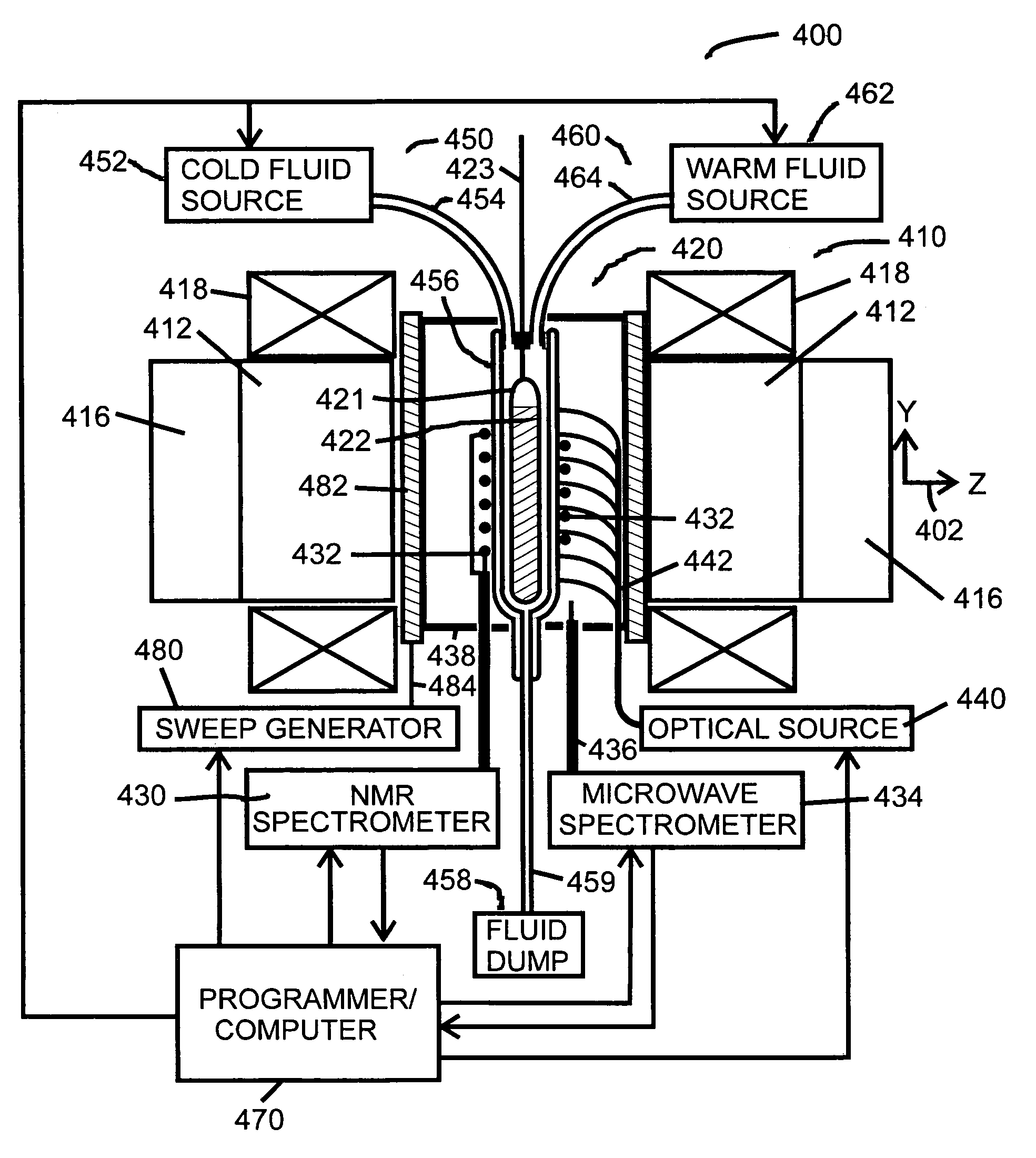
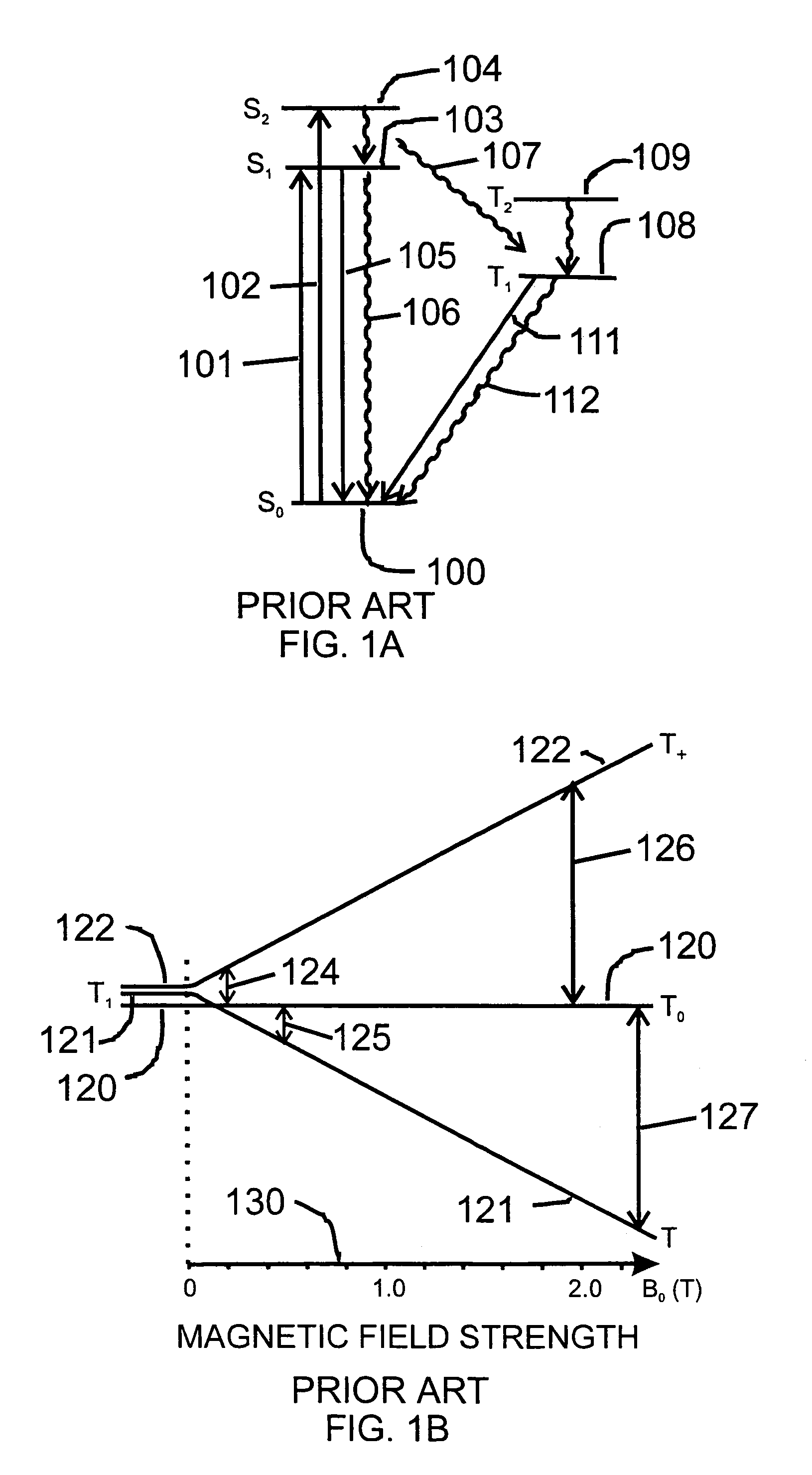
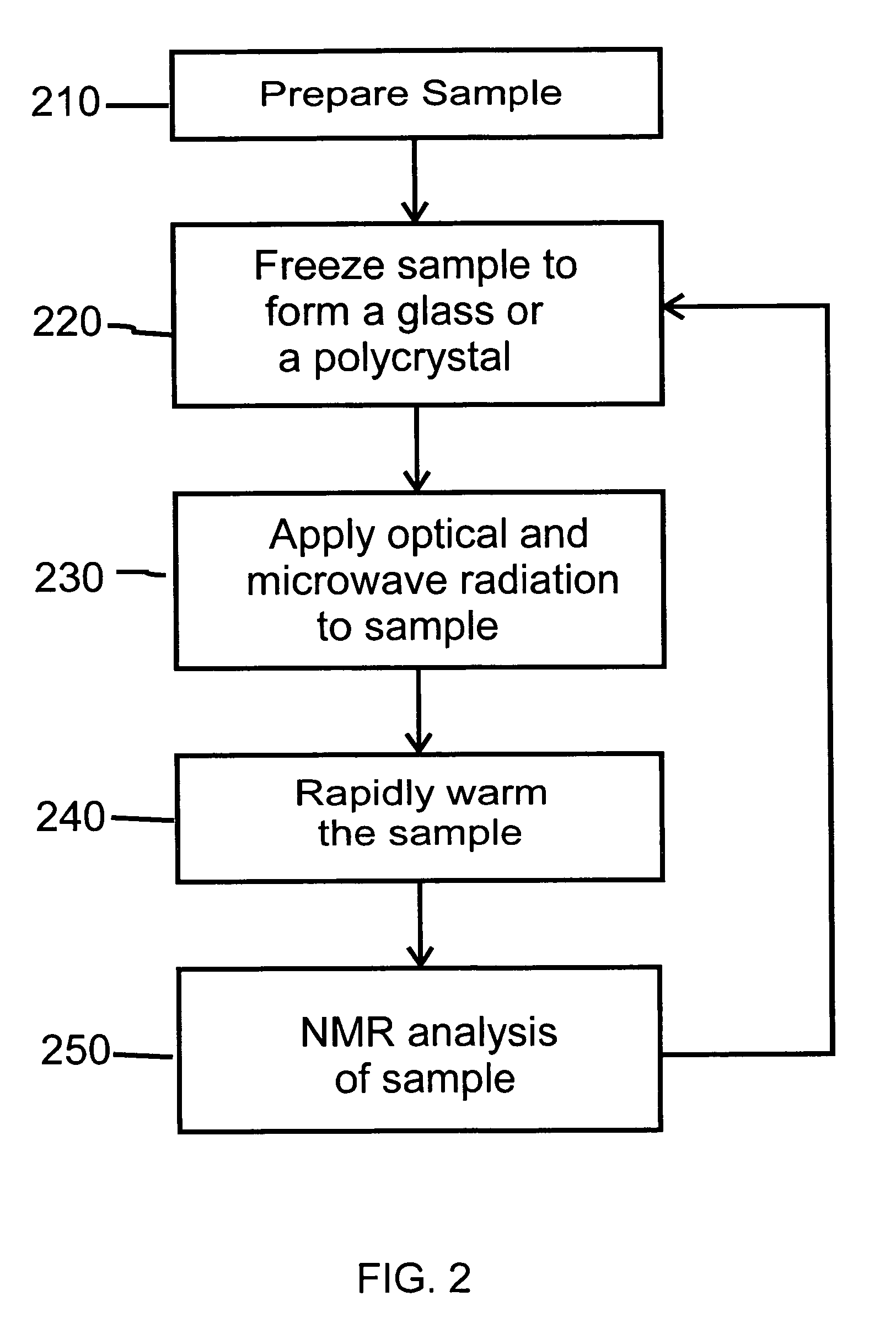
- A method involving a solvent with photo-excitable triplet-state molecules is used, where the sample is frozen, exposed to optical and microwave radiation to achieve high nuclear polarization without low temperatures, and then melted for NMR analysis, eliminating the need for low temperatures and avoiding paramagnetic broadening.
Analysis system with GPC and NMR spectroscopy coupling, in particular for the analysis of samples having polymers
PatentActiveUS8624599B2
Innovation
- A low-field NMR spectrometer with a permanent magnet system, shim system for improved field homogeneity, and a GPC separating column system with increased internal volume, enabling comprehensive analysis of polymer blends with reduced costs and complexity.


Environmental Impact and Sustainability Considerations
The implementation of Nano-NMR technology for trace elemental analysis presents significant environmental implications that warrant careful consideration. Traditional analytical methods often involve hazardous chemicals, high energy consumption, and generate substantial waste. In contrast, Nano-NMR offers a more environmentally friendly alternative by requiring minimal sample preparation and significantly reducing chemical reagent usage. This reduction in chemical consumption directly translates to decreased environmental contamination and waste management challenges.
Energy efficiency represents another critical environmental advantage of Nano-NMR systems. Modern Nano-NMR devices are designed with power optimization in mind, consuming substantially less electricity compared to conventional analytical instruments such as ICP-MS or AAS. This reduced energy footprint contributes to lower greenhouse gas emissions when considering the technology's lifecycle environmental impact.
The miniaturization inherent in Nano-NMR technology further enhances its sustainability profile. Smaller instrumentation requires fewer raw materials during manufacturing, occupies less laboratory space, and generates reduced electronic waste at end-of-life. Additionally, the portability of these systems enables in-situ environmental monitoring, eliminating the carbon footprint associated with sample transportation to centralized laboratories.
From a circular economy perspective, Nano-NMR components often incorporate materials with higher recyclability potential than conventional analytical equipment. Manufacturers are increasingly designing these systems with modular architectures that facilitate repairs, upgrades, and component recovery, extending operational lifespans and reducing electronic waste generation.
The application of Nano-NMR for environmental monitoring itself contributes to sustainability goals by enabling more accurate detection of pollutants at trace levels. This capability supports earlier intervention in contamination scenarios and more precise remediation efforts, preventing widespread environmental damage. The technology's ability to detect emerging contaminants of concern, including microplastics and novel industrial compounds, positions it as a valuable tool for environmental protection.
Despite these advantages, certain sustainability challenges remain. The specialized materials required for some Nano-NMR components, particularly rare earth elements in certain magnet configurations, raise concerns regarding resource extraction impacts and supply chain sustainability. Additionally, the advanced manufacturing processes for nanoscale components may involve energy-intensive clean room environments and specialized chemicals.
Energy efficiency represents another critical environmental advantage of Nano-NMR systems. Modern Nano-NMR devices are designed with power optimization in mind, consuming substantially less electricity compared to conventional analytical instruments such as ICP-MS or AAS. This reduced energy footprint contributes to lower greenhouse gas emissions when considering the technology's lifecycle environmental impact.
The miniaturization inherent in Nano-NMR technology further enhances its sustainability profile. Smaller instrumentation requires fewer raw materials during manufacturing, occupies less laboratory space, and generates reduced electronic waste at end-of-life. Additionally, the portability of these systems enables in-situ environmental monitoring, eliminating the carbon footprint associated with sample transportation to centralized laboratories.
From a circular economy perspective, Nano-NMR components often incorporate materials with higher recyclability potential than conventional analytical equipment. Manufacturers are increasingly designing these systems with modular architectures that facilitate repairs, upgrades, and component recovery, extending operational lifespans and reducing electronic waste generation.
The application of Nano-NMR for environmental monitoring itself contributes to sustainability goals by enabling more accurate detection of pollutants at trace levels. This capability supports earlier intervention in contamination scenarios and more precise remediation efforts, preventing widespread environmental damage. The technology's ability to detect emerging contaminants of concern, including microplastics and novel industrial compounds, positions it as a valuable tool for environmental protection.
Despite these advantages, certain sustainability challenges remain. The specialized materials required for some Nano-NMR components, particularly rare earth elements in certain magnet configurations, raise concerns regarding resource extraction impacts and supply chain sustainability. Additionally, the advanced manufacturing processes for nanoscale components may involve energy-intensive clean room environments and specialized chemicals.
Standardization and Calibration Protocols
The standardization and calibration of Nano-NMR systems for trace elemental analysis represents a critical foundation for ensuring reliable, reproducible, and comparable results across different laboratories and experimental setups. Current protocols exhibit significant variability, necessitating the establishment of unified standards that can address the unique challenges posed by nanoscale NMR applications in elemental detection at trace levels.
Reference materials specifically designed for Nano-NMR calibration must be developed with precisely known concentrations of target elements across various matrices. These materials should demonstrate long-term stability and homogeneity at the nanoscale to ensure consistent measurement baselines. The development of matrix-matched calibration standards is particularly important, as the response of Nano-NMR systems can vary significantly depending on the sample matrix composition.
Calibration procedures must account for the quantum effects that become prominent at the nanoscale. This includes establishing standardized methods for addressing quantum coherence times, spin-lattice relaxation parameters, and field inhomogeneity corrections specific to nanoscale measurements. Quantitative calibration curves should be developed using statistical approaches that account for the unique signal-to-noise characteristics of Nano-NMR when detecting trace elements.
Interlaboratory comparison studies represent an essential component of standardization efforts. These studies should involve multiple research facilities performing identical analyses on standardized samples to establish reproducibility metrics and identify sources of systematic variation. The results from these studies can inform the development of correction factors and uncertainty budgets specific to trace elemental analysis using Nano-NMR technology.
Quality assurance protocols must be implemented to monitor system performance over time. This includes regular verification of magnetic field stability, probe sensitivity, and signal processing algorithms. Drift correction methodologies specific to nanoscale measurements should be standardized to ensure long-term data comparability. Documentation requirements for calibration procedures should be established to facilitate transparent reporting of measurement conditions and traceability to primary standards.
International standardization bodies, including ISO and IUPAC, should be engaged to formalize these protocols into recognized standards. This process should involve collaborative efforts between academic institutions, industry partners, and national metrology institutes to ensure broad applicability and adoption. The development of certified reference materials specifically designed for Nano-NMR trace elemental analysis will further support these standardization efforts and enable more reliable quantitative measurements across the scientific community.
Reference materials specifically designed for Nano-NMR calibration must be developed with precisely known concentrations of target elements across various matrices. These materials should demonstrate long-term stability and homogeneity at the nanoscale to ensure consistent measurement baselines. The development of matrix-matched calibration standards is particularly important, as the response of Nano-NMR systems can vary significantly depending on the sample matrix composition.
Calibration procedures must account for the quantum effects that become prominent at the nanoscale. This includes establishing standardized methods for addressing quantum coherence times, spin-lattice relaxation parameters, and field inhomogeneity corrections specific to nanoscale measurements. Quantitative calibration curves should be developed using statistical approaches that account for the unique signal-to-noise characteristics of Nano-NMR when detecting trace elements.
Interlaboratory comparison studies represent an essential component of standardization efforts. These studies should involve multiple research facilities performing identical analyses on standardized samples to establish reproducibility metrics and identify sources of systematic variation. The results from these studies can inform the development of correction factors and uncertainty budgets specific to trace elemental analysis using Nano-NMR technology.
Quality assurance protocols must be implemented to monitor system performance over time. This includes regular verification of magnetic field stability, probe sensitivity, and signal processing algorithms. Drift correction methodologies specific to nanoscale measurements should be standardized to ensure long-term data comparability. Documentation requirements for calibration procedures should be established to facilitate transparent reporting of measurement conditions and traceability to primary standards.
International standardization bodies, including ISO and IUPAC, should be engaged to formalize these protocols into recognized standards. This process should involve collaborative efforts between academic institutions, industry partners, and national metrology institutes to ensure broad applicability and adoption. The development of certified reference materials specifically designed for Nano-NMR trace elemental analysis will further support these standardization efforts and enable more reliable quantitative measurements across the scientific community.
Unlock deeper insights with PatSnap Eureka Quick Research — get a full tech report to explore trends and direct your research. Try now!
Generate Your Research Report Instantly with AI Agent
Supercharge your innovation with PatSnap Eureka AI Agent Platform!