Energy-Dispersive NMR in Material Surface Studies
SEP 22, 20259 MIN READ
Generate Your Research Report Instantly with AI Agent
Patsnap Eureka helps you evaluate technical feasibility & market potential.
ED-NMR Technology Background and Objectives
Energy-Dispersive Nuclear Magnetic Resonance (ED-NMR) represents a significant evolution in analytical techniques for material surface studies. Originating from conventional NMR spectroscopy in the mid-20th century, ED-NMR has emerged as a specialized approach that addresses the limitations of traditional NMR methods when examining surface phenomena. The technology has evolved from laboratory curiosity to a powerful analytical tool over the past three decades, with particularly accelerated development since the early 2000s.
The fundamental principle of ED-NMR involves the measurement of nuclear spin interactions across different energy levels simultaneously, rather than through frequency scanning as in conventional NMR. This energy-dispersive approach enables significantly enhanced sensitivity for surface-specific measurements, where signal-to-noise ratios have traditionally been problematic due to the limited number of nuclei present at material interfaces.
Recent technological advancements in detector sensitivity, computational processing capabilities, and pulse sequence design have collectively propelled ED-NMR into new application territories. The integration of machine learning algorithms for spectral analysis has further expanded the technique's capabilities, allowing for more nuanced interpretation of complex surface chemistry data.
The primary objective of modern ED-NMR technology development is to achieve non-destructive, in-situ characterization of material surfaces with nanometer-scale spatial resolution and real-time temporal resolution. This ambitious goal addresses critical needs across multiple industries, from semiconductor manufacturing to biomedical implant development, where surface properties directly influence product performance and reliability.
Secondary objectives include reducing the technical complexity and cost barriers associated with ED-NMR instrumentation, thereby expanding accessibility beyond specialized research facilities to industrial R&D laboratories. The miniaturization of ED-NMR systems represents another important development trajectory, with potential applications in portable analytical devices for field testing and quality control environments.
The technology evolution trajectory suggests convergence with complementary surface analysis techniques such as X-ray photoelectron spectroscopy (XPS) and atomic force microscopy (AFM), creating multi-modal analytical platforms. This integration trend aims to provide comprehensive surface characterization capabilities that overcome the inherent limitations of individual techniques.
As environmental and sustainability concerns gain prominence, an emerging objective for ED-NMR technology development is the reduction of cryogen requirements and energy consumption, aligning with broader green chemistry initiatives. This direction represents both a technical challenge and an opportunity for innovation in instrument design and methodology.
The fundamental principle of ED-NMR involves the measurement of nuclear spin interactions across different energy levels simultaneously, rather than through frequency scanning as in conventional NMR. This energy-dispersive approach enables significantly enhanced sensitivity for surface-specific measurements, where signal-to-noise ratios have traditionally been problematic due to the limited number of nuclei present at material interfaces.
Recent technological advancements in detector sensitivity, computational processing capabilities, and pulse sequence design have collectively propelled ED-NMR into new application territories. The integration of machine learning algorithms for spectral analysis has further expanded the technique's capabilities, allowing for more nuanced interpretation of complex surface chemistry data.
The primary objective of modern ED-NMR technology development is to achieve non-destructive, in-situ characterization of material surfaces with nanometer-scale spatial resolution and real-time temporal resolution. This ambitious goal addresses critical needs across multiple industries, from semiconductor manufacturing to biomedical implant development, where surface properties directly influence product performance and reliability.
Secondary objectives include reducing the technical complexity and cost barriers associated with ED-NMR instrumentation, thereby expanding accessibility beyond specialized research facilities to industrial R&D laboratories. The miniaturization of ED-NMR systems represents another important development trajectory, with potential applications in portable analytical devices for field testing and quality control environments.
The technology evolution trajectory suggests convergence with complementary surface analysis techniques such as X-ray photoelectron spectroscopy (XPS) and atomic force microscopy (AFM), creating multi-modal analytical platforms. This integration trend aims to provide comprehensive surface characterization capabilities that overcome the inherent limitations of individual techniques.
As environmental and sustainability concerns gain prominence, an emerging objective for ED-NMR technology development is the reduction of cryogen requirements and energy consumption, aligning with broader green chemistry initiatives. This direction represents both a technical challenge and an opportunity for innovation in instrument design and methodology.
Market Applications for Surface Material Characterization
The surface characterization market is experiencing robust growth, driven by increasing demands across multiple industries for advanced material analysis. Energy-Dispersive NMR (ED-NMR) technology has emerged as a powerful tool in this landscape, offering unique capabilities for studying material surfaces at the molecular level. The global surface analysis market was valued at approximately 4.3 billion USD in 2021 and is projected to grow at a compound annual growth rate of 6.2% through 2028, with material characterization technologies representing a significant portion of this market.
Semiconductor manufacturing represents one of the most lucrative applications for ED-NMR surface characterization. As device dimensions continue to shrink below 5nm, manufacturers require increasingly sophisticated surface analysis techniques to detect impurities and structural defects that can significantly impact device performance. ED-NMR offers the sensitivity needed to analyze thin-film interfaces and surface contamination at these critical dimensions.
The pharmaceutical industry has also embraced surface characterization technologies for drug development and quality control. ED-NMR enables researchers to analyze drug-excipient interactions at surfaces, critical for understanding drug stability and bioavailability. This application segment is growing at nearly 7% annually as personalized medicine and complex biologics demand more sophisticated analytical approaches.
Catalysis research represents another high-value application area. The global catalyst market exceeds 35 billion USD, with surface properties being paramount to catalyst performance. ED-NMR provides unique insights into surface-bound species and reaction intermediates that traditional bulk analysis techniques cannot detect, making it invaluable for developing more efficient catalytic materials for energy and chemical production.
Advanced materials development, particularly in the fields of energy storage and conversion, represents a rapidly expanding market for surface characterization. Battery manufacturers utilize ED-NMR to analyze electrode-electrolyte interfaces, critical for improving battery performance and safety. Similarly, fuel cell developers employ this technology to optimize membrane surfaces and catalyst layers.
The aerospace and automotive industries increasingly rely on surface characterization for developing high-performance coatings and composite materials. ED-NMR helps engineers understand surface degradation mechanisms and develop more durable materials that can withstand extreme conditions, directly impacting product lifespans and safety.
Environmental monitoring applications are emerging as a growth segment, with ED-NMR being applied to analyze contaminant interactions with soil particles and water treatment materials. This segment is expected to expand significantly as regulatory requirements for environmental monitoring become more stringent globally.
Semiconductor manufacturing represents one of the most lucrative applications for ED-NMR surface characterization. As device dimensions continue to shrink below 5nm, manufacturers require increasingly sophisticated surface analysis techniques to detect impurities and structural defects that can significantly impact device performance. ED-NMR offers the sensitivity needed to analyze thin-film interfaces and surface contamination at these critical dimensions.
The pharmaceutical industry has also embraced surface characterization technologies for drug development and quality control. ED-NMR enables researchers to analyze drug-excipient interactions at surfaces, critical for understanding drug stability and bioavailability. This application segment is growing at nearly 7% annually as personalized medicine and complex biologics demand more sophisticated analytical approaches.
Catalysis research represents another high-value application area. The global catalyst market exceeds 35 billion USD, with surface properties being paramount to catalyst performance. ED-NMR provides unique insights into surface-bound species and reaction intermediates that traditional bulk analysis techniques cannot detect, making it invaluable for developing more efficient catalytic materials for energy and chemical production.
Advanced materials development, particularly in the fields of energy storage and conversion, represents a rapidly expanding market for surface characterization. Battery manufacturers utilize ED-NMR to analyze electrode-electrolyte interfaces, critical for improving battery performance and safety. Similarly, fuel cell developers employ this technology to optimize membrane surfaces and catalyst layers.
The aerospace and automotive industries increasingly rely on surface characterization for developing high-performance coatings and composite materials. ED-NMR helps engineers understand surface degradation mechanisms and develop more durable materials that can withstand extreme conditions, directly impacting product lifespans and safety.
Environmental monitoring applications are emerging as a growth segment, with ED-NMR being applied to analyze contaminant interactions with soil particles and water treatment materials. This segment is expected to expand significantly as regulatory requirements for environmental monitoring become more stringent globally.
Current ED-NMR Technical Challenges
Energy-Dispersive Nuclear Magnetic Resonance (ED-NMR) faces several significant technical challenges when applied to material surface studies. The primary limitation stems from the inherently low sensitivity of NMR spectroscopy when examining surface phenomena. Surface atoms represent only a small fraction of the total sample volume, resulting in weak signal-to-noise ratios that complicate accurate data interpretation. This sensitivity issue becomes particularly pronounced when studying nanomaterials or thin films where surface properties are critical but signal strength is minimal.
Signal acquisition speed presents another major challenge. Traditional NMR methods require lengthy measurement times, which proves problematic for time-sensitive surface reactions or dynamic interfacial processes. While ED-NMR offers improved temporal resolution compared to conventional NMR techniques, current implementations still struggle to capture rapid surface transformations occurring at microsecond or nanosecond timescales.
Hardware limitations significantly constrain ED-NMR applications in surface studies. The technique requires specialized equipment capable of generating precise magnetic field gradients and detecting subtle energy dispersions. Current magnet designs often lack the field homogeneity necessary for high-resolution surface measurements, while detector technologies struggle with the required sensitivity and spectral range for comprehensive surface analysis.
Data processing and interpretation represent substantial technical hurdles. ED-NMR spectra from surface studies contain complex overlapping signals that require sophisticated deconvolution algorithms. Current computational methods often prove inadequate for distinguishing between bulk and surface signals or for identifying specific surface species with similar chemical environments.
Sample preparation techniques present ongoing challenges for ED-NMR surface studies. Maintaining sample integrity during measurement while ensuring surface accessibility to the NMR probe remains difficult. Additionally, sample orientation effects can introduce artifacts that complicate data interpretation, particularly for anisotropic surfaces or structured materials.
Environmental interference poses significant obstacles to accurate ED-NMR surface measurements. Factors such as temperature fluctuations, ambient electromagnetic fields, and mechanical vibrations can distort sensitive surface signals. Current shielding and stabilization technologies provide insufficient protection against these external influences, limiting the technique's applicability in non-laboratory settings.
Integration with complementary surface characterization techniques represents a developing challenge. While ED-NMR provides valuable chemical information, correlating these results with data from techniques like XPS, AFM, or SIMS remains difficult due to differences in sampling conditions, spatial resolution, and data formats. Establishing unified analytical frameworks that combine multiple surface characterization methods with ED-NMR would significantly enhance material surface studies but requires substantial technical advancement.
Signal acquisition speed presents another major challenge. Traditional NMR methods require lengthy measurement times, which proves problematic for time-sensitive surface reactions or dynamic interfacial processes. While ED-NMR offers improved temporal resolution compared to conventional NMR techniques, current implementations still struggle to capture rapid surface transformations occurring at microsecond or nanosecond timescales.
Hardware limitations significantly constrain ED-NMR applications in surface studies. The technique requires specialized equipment capable of generating precise magnetic field gradients and detecting subtle energy dispersions. Current magnet designs often lack the field homogeneity necessary for high-resolution surface measurements, while detector technologies struggle with the required sensitivity and spectral range for comprehensive surface analysis.
Data processing and interpretation represent substantial technical hurdles. ED-NMR spectra from surface studies contain complex overlapping signals that require sophisticated deconvolution algorithms. Current computational methods often prove inadequate for distinguishing between bulk and surface signals or for identifying specific surface species with similar chemical environments.
Sample preparation techniques present ongoing challenges for ED-NMR surface studies. Maintaining sample integrity during measurement while ensuring surface accessibility to the NMR probe remains difficult. Additionally, sample orientation effects can introduce artifacts that complicate data interpretation, particularly for anisotropic surfaces or structured materials.
Environmental interference poses significant obstacles to accurate ED-NMR surface measurements. Factors such as temperature fluctuations, ambient electromagnetic fields, and mechanical vibrations can distort sensitive surface signals. Current shielding and stabilization technologies provide insufficient protection against these external influences, limiting the technique's applicability in non-laboratory settings.
Integration with complementary surface characterization techniques represents a developing challenge. While ED-NMR provides valuable chemical information, correlating these results with data from techniques like XPS, AFM, or SIMS remains difficult due to differences in sampling conditions, spatial resolution, and data formats. Establishing unified analytical frameworks that combine multiple surface characterization methods with ED-NMR would significantly enhance material surface studies but requires substantial technical advancement.
State-of-the-Art ED-NMR Surface Analysis Methods
01 Principles and fundamentals of Energy-Dispersive NMR technology
Energy-Dispersive Nuclear Magnetic Resonance (ED-NMR) is a specialized technique that differs from conventional NMR by analyzing the energy spectrum rather than time-domain signals. This approach allows for simultaneous acquisition of spectral information across multiple frequencies, improving efficiency and reducing measurement time. The technology relies on specific pulse sequences and detection methods to capture energy distribution patterns in samples, making it particularly valuable for materials characterization and chemical analysis.- Principles and methods of Energy-Dispersive NMR spectroscopy: Energy-Dispersive Nuclear Magnetic Resonance (ED-NMR) is a technique that allows for the simultaneous acquisition of NMR signals across a range of frequencies. Unlike conventional NMR which uses frequency scanning, ED-NMR employs time-domain methods to collect spectral data, enabling faster data acquisition and improved sensitivity. This approach is particularly valuable for samples with limited stability or experiments requiring rapid measurements.
- Hardware components and instrumentation for ED-NMR systems: Energy-Dispersive NMR systems require specialized hardware components including pulse generators, detectors, and signal processing units. These systems often incorporate high-speed digitizers, specialized RF coils, and advanced magnet technologies to achieve the desired spectral resolution and sensitivity. The instrumentation may include components for sample handling, temperature control, and integration with other analytical techniques to enhance the capabilities of the ED-NMR approach.
- Applications of ED-NMR in material analysis and characterization: Energy-Dispersive NMR techniques are widely applied in material science for analyzing composition, structure, and properties of various substances. This approach is particularly valuable for studying heterogeneous materials, polymers, catalysts, and nanomaterials. ED-NMR enables researchers to investigate molecular dynamics, chemical reactions in real-time, and structural transformations under different conditions, providing insights that are difficult to obtain through other analytical methods.
- Integration of ED-NMR with other analytical techniques: Energy-Dispersive NMR can be integrated with complementary analytical techniques such as mass spectrometry, X-ray diffraction, and infrared spectroscopy to provide comprehensive characterization of complex samples. These hyphenated approaches combine the molecular-level information from NMR with other structural or compositional data, enabling more complete analysis. The integration often involves specialized interfaces, synchronized data acquisition systems, and unified software platforms for data processing and interpretation.
- Signal processing and data analysis methods for ED-NMR: Advanced signal processing and data analysis methods are essential for extracting meaningful information from Energy-Dispersive NMR data. These include Fourier transformation algorithms, multivariate statistical analysis, machine learning approaches, and specialized software tools for spectral interpretation. The processing methods address challenges such as noise reduction, baseline correction, peak deconvolution, and quantitative analysis, enabling researchers to derive accurate structural and dynamic information from complex ED-NMR spectra.
02 Hardware configurations and instrumentation for ED-NMR systems
Specialized hardware configurations are essential for Energy-Dispersive NMR systems, including optimized magnet designs, radiofrequency coils, and detection electronics. These systems often incorporate superconducting magnets, gradient coils, and specialized probe designs to enhance sensitivity and resolution. Advanced signal processing units and digital-to-analog converters are integrated to handle the complex data acquisition requirements of energy-dispersive measurements, while temperature control systems ensure measurement stability and reproducibility.Expand Specific Solutions03 Signal processing and data analysis methods for ED-NMR
Energy-Dispersive NMR requires sophisticated signal processing algorithms to extract meaningful information from complex spectral data. These methods include advanced Fourier transform techniques, multivariate statistical analysis, and machine learning approaches for pattern recognition in energy spectra. Specialized software tools are employed to filter noise, correct baseline distortions, and enhance spectral resolution. Computational methods for spectral deconvolution and peak identification enable accurate interpretation of overlapping signals and quantitative analysis of sample compositions.Expand Specific Solutions04 Applications of ED-NMR in materials science and chemical analysis
Energy-Dispersive NMR finds diverse applications across materials science, chemistry, and related fields. It is particularly valuable for analyzing complex mixtures, polymers, and heterogeneous materials where conventional NMR techniques may be limited. The technique enables rapid characterization of material properties, structural analysis of compounds, and identification of chemical compositions in various states. ED-NMR is applied in quality control processes, pharmaceutical development, and environmental monitoring where rapid, non-destructive analysis is required.Expand Specific Solutions05 Integration of ED-NMR with other analytical techniques
Energy-Dispersive NMR can be integrated with complementary analytical techniques to provide comprehensive material characterization. Hybrid systems combining ED-NMR with spectroscopic methods such as infrared, Raman, or X-ray techniques enable multi-modal analysis for enhanced structural determination. These integrated approaches allow researchers to correlate energy-dispersive data with other physical and chemical properties, providing deeper insights into material behavior and composition. Advanced data fusion algorithms help synthesize information from multiple analytical sources for more complete characterization.Expand Specific Solutions
Leading Research Groups and Instrument Manufacturers
Energy-Dispersive NMR in Material Surface Studies is emerging as a critical technology in the early growth phase, with an estimated market size of $300-500 million and expanding at 12-15% annually. The competitive landscape features established oil services companies (Schlumberger, Baker Hughes, ExxonMobil) leveraging this technology for reservoir characterization, alongside academic institutions (Tsinghua University, Northwestern University, EPFL) driving fundamental research. Leading medical research organizations (Brigham & Women's Hospital) are exploring biomedical applications. The technology is approaching maturity in petroleum applications but remains in development for advanced materials and biomedical uses. Specialized instrumentation companies like Bruker Switzerland and Vista Clara are advancing hardware capabilities, while research collaborations between universities and industry partners are accelerating technological development and commercialization pathways.
Schlumberger Technologies, Inc.
Technical Solution: Schlumberger has developed advanced Energy-Dispersive NMR (ED-NMR) systems specifically designed for material surface studies in oil and gas exploration. Their technology utilizes specialized pulse sequences that enable rapid acquisition of NMR signals across a wide frequency range simultaneously, rather than sequentially scanning through frequencies. This approach significantly reduces measurement time while maintaining high resolution for surface characterization. Their proprietary surface-sensitive ED-NMR probes can detect and analyze thin fluid films on various mineral surfaces, providing crucial information about wettability, adsorption mechanisms, and fluid-rock interactions at the molecular level. The system incorporates sophisticated signal processing algorithms that enhance signal-to-noise ratios in challenging downhole environments, allowing for real-time analysis of formation surfaces during drilling operations. Schlumberger's ED-NMR technology has been integrated into their wireline logging tools, enabling in-situ characterization of reservoir rock surfaces without requiring core samples, thus providing more representative data of actual reservoir conditions.
Strengths: Industry-leading integration with existing well logging technologies; robust performance in harsh downhole environments; extensive field validation across diverse geological formations. Weaknesses: Higher cost compared to conventional surface analysis methods; requires specialized expertise to interpret complex ED-NMR data; limited spatial resolution compared to some laboratory-based surface characterization techniques.
Exxonmobil Upstream Research Co.
Technical Solution: ExxonMobil has developed proprietary Energy-Dispersive NMR technology specifically optimized for characterizing material surfaces in petroleum reservoir systems. Their approach combines traditional ED-NMR with advanced chemometric analysis to differentiate between surface-bound and free fluid phases in complex porous media. ExxonMobil's system employs custom-designed gradient coils that enable spatial mapping of surface interactions at the micro and nano scales, providing insights into how different fluid components interact with various mineral surfaces under reservoir conditions. Their technology incorporates high-pressure, high-temperature (HPHT) sample chambers that allow ED-NMR measurements of surface phenomena at conditions mimicking deep reservoir environments (up to 20,000 psi and 200°C), critical for understanding wettability alterations during enhanced oil recovery processes. ExxonMobil has integrated their ED-NMR surface characterization capabilities with digital rock physics models, creating a comprehensive workflow that links molecular-level surface interactions to reservoir-scale fluid flow behavior. This integration enables more accurate prediction of production behavior and optimization of recovery strategies based on fundamental surface chemistry principles.
Strengths: Unparalleled capability to perform measurements under authentic reservoir conditions; seamless integration with reservoir modeling workflows; extensive internal database of surface-fluid interactions across diverse lithologies. Weaknesses: Proprietary technology not widely available to the broader scientific community; focused primarily on petroleum applications rather than broader material science applications; requires significant sample preparation for optimal results.
Key Patents and Breakthroughs in ED-NMR
Method and apparatus for high resolution nuclear magnetic resonance imaging and spectroscopy
PatentInactiveUS20060273794A1
Innovation
- A hyperpolarized probe tip is used to induce dipolar interactions with a sample, allowing for the modulation of tip magnetization proportional to local sample magnetization, enabling high-resolution and high-sensitivity NMR measurements through a sequence of radio-frequency pulses and detection methods.
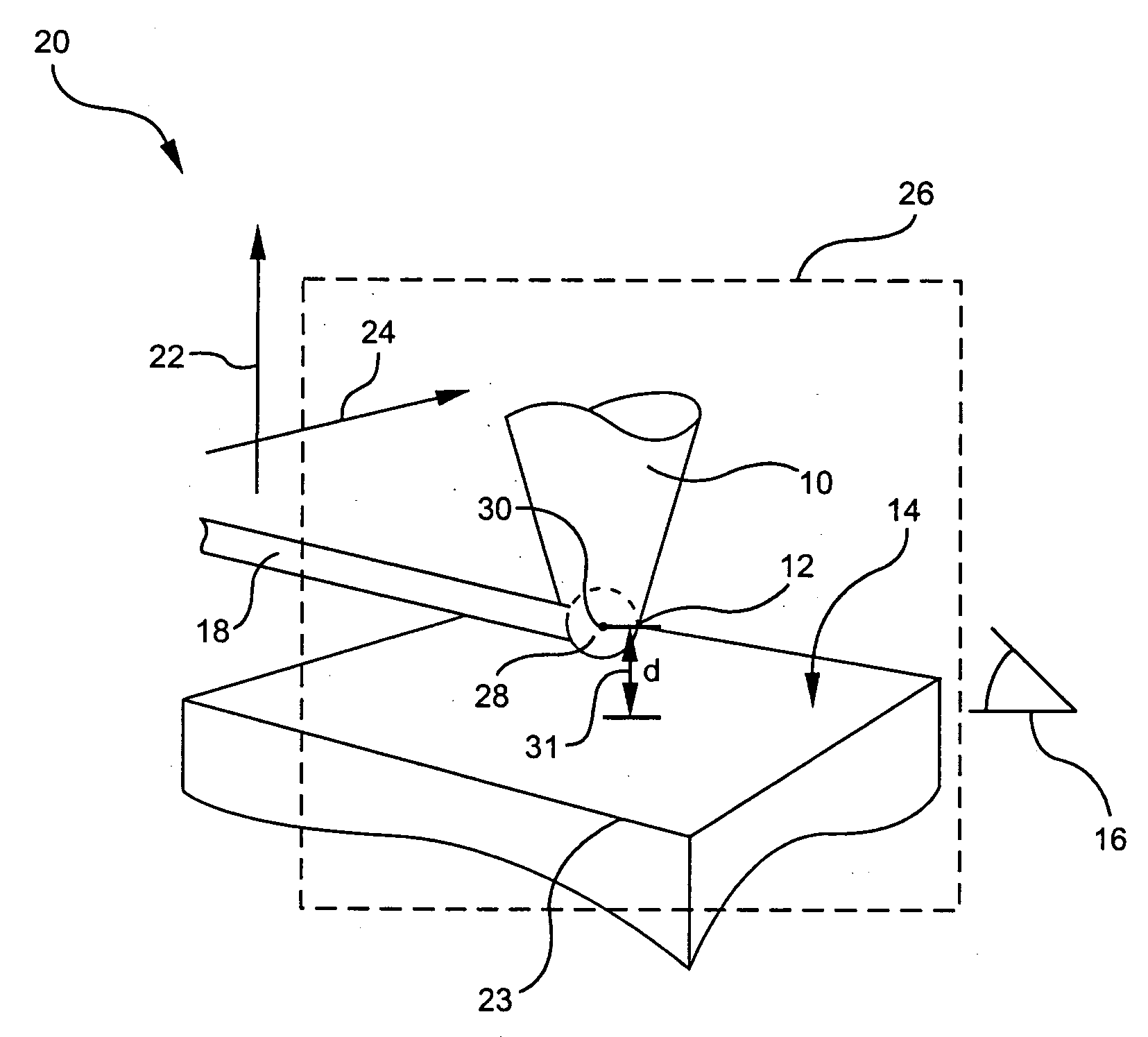
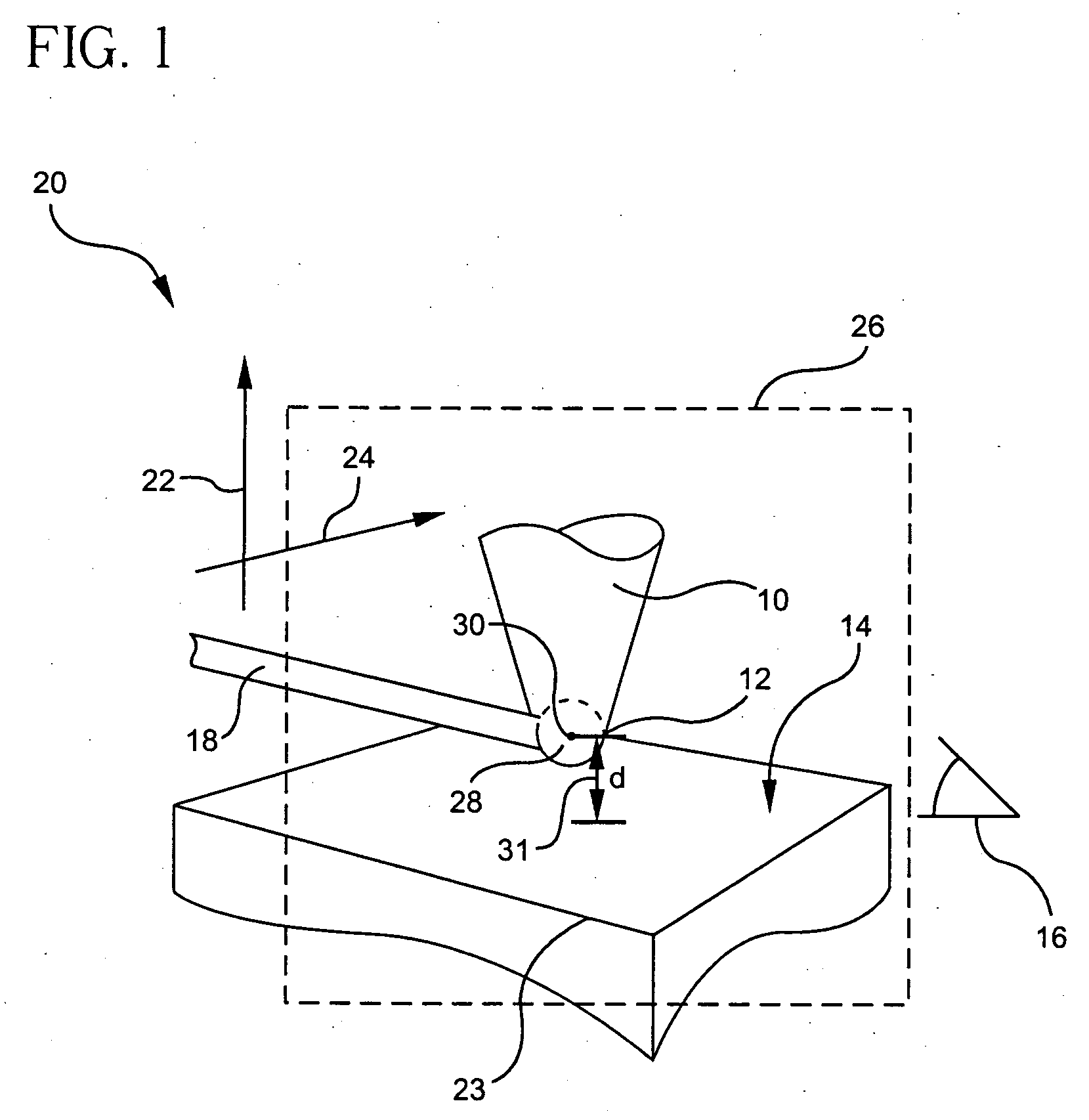
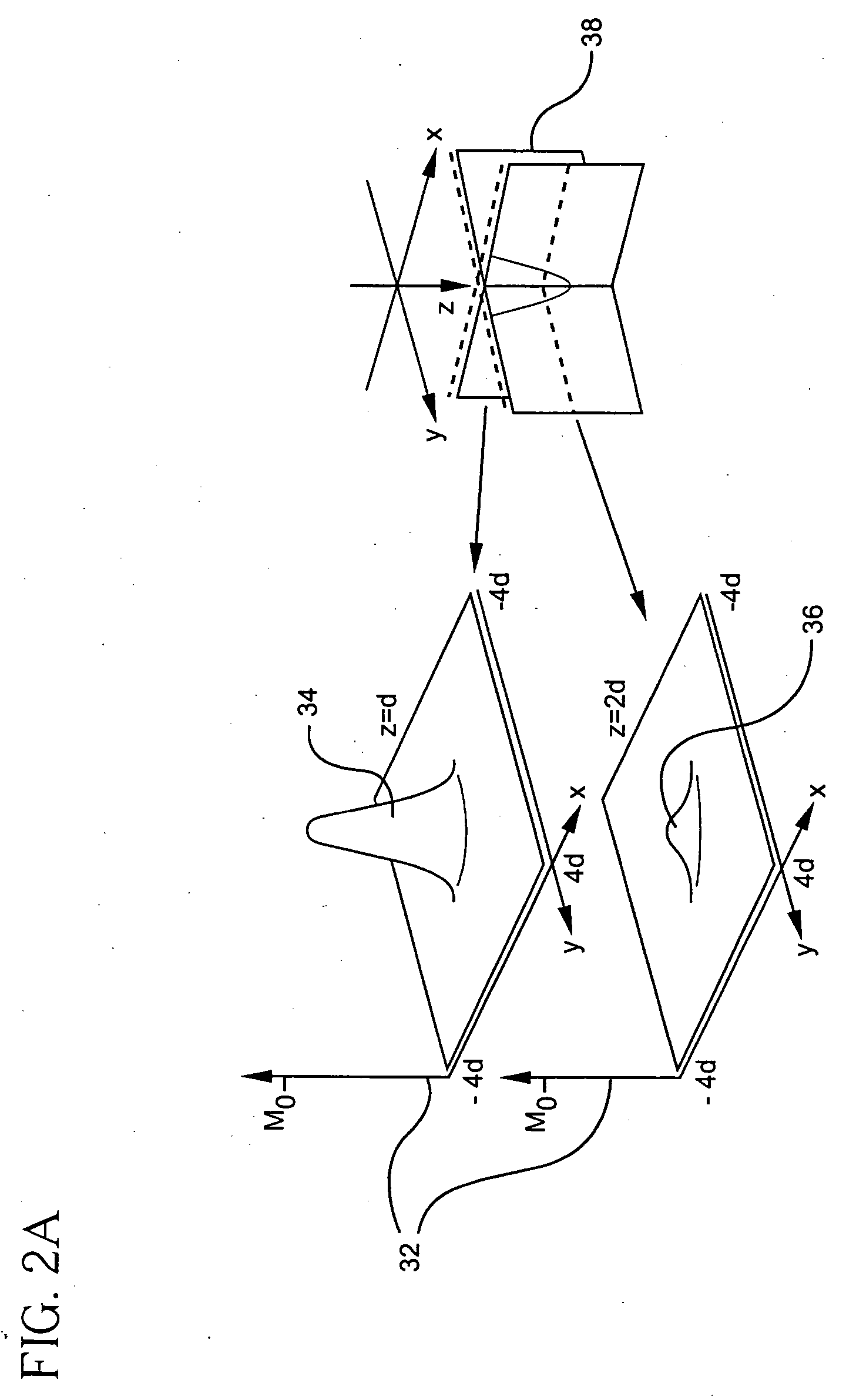
Magnetic resonance device comprising a sample spinning apparatus with an electromagnetic field for spinning the sample
PatentWO2023135254A1
Innovation
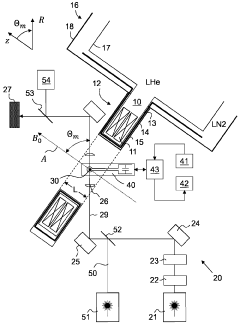
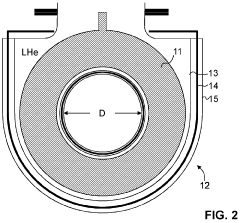
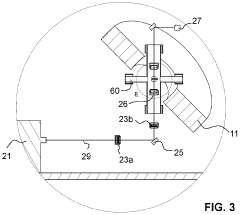
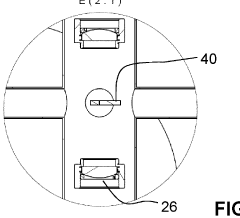
- A magnetic resonance device utilizing an electromagnetic sample spinning field to exert torque on the sample, allowing for spinning frequencies up to several gigahertz, enabling higher spectral resolution and improved spin relaxation, without the need for a separate rotor or pressurized air, by using light or microwave fields for sample confinement and spinning.
Instrumentation Requirements and Limitations
Energy-dispersive NMR spectroscopy for material surface studies demands specialized instrumentation that differs significantly from conventional NMR setups. The primary requirement is a gradient magnetic field system capable of producing controlled field variations across the sample. This gradient must be precisely calibrated and stable over time to ensure accurate spatial encoding of the NMR signal from different sample regions, particularly at material interfaces and surfaces.
High-sensitivity detection systems are essential due to the inherently low signal strength from surface nuclei. Advanced probe designs incorporating microcoils or surface coils positioned in close proximity to the sample surface can significantly enhance signal detection from the interface regions. These specialized probes must maintain high quality factors while minimizing susceptibility artifacts that commonly occur at material boundaries.
Signal processing hardware represents another critical component, requiring fast digitizers with high sampling rates to capture the dispersed signals across the frequency spectrum. Field-programmable gate arrays (FPGAs) or dedicated digital signal processors are typically employed to handle the complex data acquisition and processing demands in real-time.
A significant limitation of energy-dispersive NMR for surface studies is the achievable spatial resolution, currently restricted to the micrometer scale for most systems. This resolution boundary stems from fundamental physical constraints related to magnetic field gradient strengths and signal-to-noise limitations. Higher resolution requires stronger gradients, which in turn introduces challenges in maintaining field homogeneity and sample heating concerns.
Sample preparation presents additional challenges, as surface studies often require specialized sample holders that minimize background signals while maintaining the sample in the correct orientation relative to the gradient fields. Materials with high magnetic susceptibility can distort the local magnetic field, creating artifacts that complicate data interpretation.
Power requirements and thermal management constitute practical limitations, particularly for high-field systems. The gradient coils generate significant heat during operation, necessitating efficient cooling systems to prevent thermal drift that would compromise measurement accuracy. This becomes especially problematic for extended experiments required to achieve adequate signal averaging from low-concentration surface species.
Data processing represents a final challenge, requiring sophisticated algorithms to extract meaningful surface information from the complex spectral patterns. Deconvolution techniques and advanced filtering methods are necessary to separate genuine surface signals from bulk material contributions and instrumental artifacts.
High-sensitivity detection systems are essential due to the inherently low signal strength from surface nuclei. Advanced probe designs incorporating microcoils or surface coils positioned in close proximity to the sample surface can significantly enhance signal detection from the interface regions. These specialized probes must maintain high quality factors while minimizing susceptibility artifacts that commonly occur at material boundaries.
Signal processing hardware represents another critical component, requiring fast digitizers with high sampling rates to capture the dispersed signals across the frequency spectrum. Field-programmable gate arrays (FPGAs) or dedicated digital signal processors are typically employed to handle the complex data acquisition and processing demands in real-time.
A significant limitation of energy-dispersive NMR for surface studies is the achievable spatial resolution, currently restricted to the micrometer scale for most systems. This resolution boundary stems from fundamental physical constraints related to magnetic field gradient strengths and signal-to-noise limitations. Higher resolution requires stronger gradients, which in turn introduces challenges in maintaining field homogeneity and sample heating concerns.
Sample preparation presents additional challenges, as surface studies often require specialized sample holders that minimize background signals while maintaining the sample in the correct orientation relative to the gradient fields. Materials with high magnetic susceptibility can distort the local magnetic field, creating artifacts that complicate data interpretation.
Power requirements and thermal management constitute practical limitations, particularly for high-field systems. The gradient coils generate significant heat during operation, necessitating efficient cooling systems to prevent thermal drift that would compromise measurement accuracy. This becomes especially problematic for extended experiments required to achieve adequate signal averaging from low-concentration surface species.
Data processing represents a final challenge, requiring sophisticated algorithms to extract meaningful surface information from the complex spectral patterns. Deconvolution techniques and advanced filtering methods are necessary to separate genuine surface signals from bulk material contributions and instrumental artifacts.
Integration with Complementary Surface Analysis Techniques
The integration of Energy-Dispersive NMR with complementary surface analysis techniques represents a significant advancement in comprehensive material characterization. X-ray Photoelectron Spectroscopy (XPS) provides elemental composition and chemical state information from the top few nanometers of surfaces, which perfectly complements ED-NMR's capability to probe molecular dynamics and structural arrangements. When combined, these techniques offer unprecedented insights into surface-bulk interactions and interfacial phenomena.
Atomic Force Microscopy (AFM) integration with ED-NMR creates powerful multi-scale characterization workflows. While ED-NMR reveals chemical environment details at the molecular level, AFM provides topographical mapping and mechanical property measurements at nanometer resolution. This synergistic approach enables researchers to correlate chemical composition with physical surface features, critical for understanding phenomena like catalytic activity and surface degradation mechanisms.
Secondary Ion Mass Spectrometry (SIMS) offers highly sensitive surface composition analysis that, when coupled with ED-NMR, creates a comprehensive picture of both static composition and dynamic molecular behavior. The integration allows for tracking how surface chemistry evolves under various conditions, with SIMS providing elemental and isotopic information while ED-NMR monitors changes in molecular mobility and interactions.
Recent technological developments have enabled in-situ and operando measurements where ED-NMR can be performed simultaneously with techniques like infrared spectroscopy or electrochemical measurements. These integrated approaches allow real-time monitoring of surface processes under realistic operating conditions, providing unprecedented insights into reaction mechanisms and material performance.
Data fusion algorithms and machine learning approaches are increasingly being applied to correlate and interpret the multi-dimensional datasets generated from these complementary techniques. Advanced computational methods help identify patterns and relationships between surface structure, composition, and functional properties that would be impossible to discern from individual techniques alone.
Standardized sample preparation protocols and reference materials are being developed to facilitate reliable cross-technique analysis. These developments address challenges in comparing data from techniques with different sampling depths, spatial resolutions, and environmental requirements, ensuring more accurate and reproducible multi-technique characterization of material surfaces.
The future of integrated surface analysis lies in automated workflows and dedicated instruments that combine multiple techniques in single platforms, minimizing sample transfer issues and enabling truly correlative analysis of identical surface regions across different analytical methods.
Atomic Force Microscopy (AFM) integration with ED-NMR creates powerful multi-scale characterization workflows. While ED-NMR reveals chemical environment details at the molecular level, AFM provides topographical mapping and mechanical property measurements at nanometer resolution. This synergistic approach enables researchers to correlate chemical composition with physical surface features, critical for understanding phenomena like catalytic activity and surface degradation mechanisms.
Secondary Ion Mass Spectrometry (SIMS) offers highly sensitive surface composition analysis that, when coupled with ED-NMR, creates a comprehensive picture of both static composition and dynamic molecular behavior. The integration allows for tracking how surface chemistry evolves under various conditions, with SIMS providing elemental and isotopic information while ED-NMR monitors changes in molecular mobility and interactions.
Recent technological developments have enabled in-situ and operando measurements where ED-NMR can be performed simultaneously with techniques like infrared spectroscopy or electrochemical measurements. These integrated approaches allow real-time monitoring of surface processes under realistic operating conditions, providing unprecedented insights into reaction mechanisms and material performance.
Data fusion algorithms and machine learning approaches are increasingly being applied to correlate and interpret the multi-dimensional datasets generated from these complementary techniques. Advanced computational methods help identify patterns and relationships between surface structure, composition, and functional properties that would be impossible to discern from individual techniques alone.
Standardized sample preparation protocols and reference materials are being developed to facilitate reliable cross-technique analysis. These developments address challenges in comparing data from techniques with different sampling depths, spatial resolutions, and environmental requirements, ensuring more accurate and reproducible multi-technique characterization of material surfaces.
The future of integrated surface analysis lies in automated workflows and dedicated instruments that combine multiple techniques in single platforms, minimizing sample transfer issues and enabling truly correlative analysis of identical surface regions across different analytical methods.
Unlock deeper insights with Patsnap Eureka Quick Research — get a full tech report to explore trends and direct your research. Try now!
Generate Your Research Report Instantly with AI Agent
Supercharge your innovation with Patsnap Eureka AI Agent Platform!